
When winter rolls in, your home can feel cold and dull. But what if you could bring life and warmth inside without stepping outdoors?
Your indoor plants are the perfect way to brighten up those chilly months. With the right tips, you can turn your space into a cozy, green retreat that lifts your mood and freshens your air. Keep reading to discover simple, smart ways to decorate with plants this winter — your home will thank you.
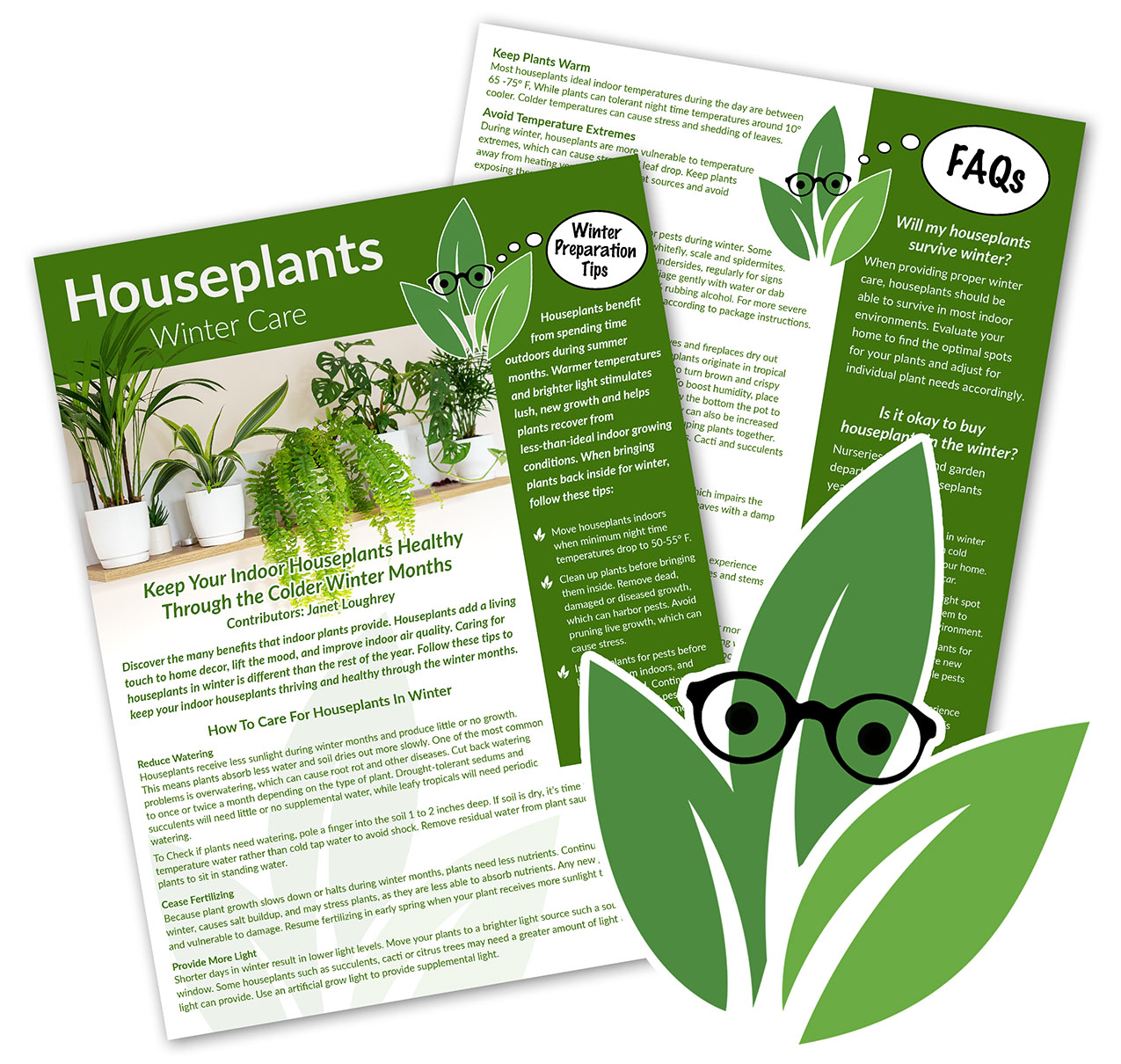
Credit: allseasonsgardencenter.com
Choosing The Right Plants
Choosing the right plants for winter indoor decor is key to keeping your space fresh and lively. Some plants struggle with low light and dry air. Others adapt well and even brighten darker rooms. Picking plants that fit your home’s conditions makes care easier. It also keeps your plants healthy through cold months.
Low-light Friendly Options
Not all indoor spaces get much sunlight in winter. Choose plants that do well in low light. Snake plants, pothos, and ZZ plants are good choices. They survive with little sun and still look green. These plants also need less water. Perfect for rooms with small windows or shaded areas.
Plants That Thrive In Humidity
Winter air can be dry, especially with heaters on. Some plants love humidity and help add moisture to the air. Boston ferns and peace lilies do well in humid spots. Grouping plants together can raise humidity naturally. These plants stay lush and fresh even in dry rooms.
Easy-care Varieties For Winter
Simple plants save time and reduce stress. Succulents and spider plants need little attention. They tolerate cooler temperatures and dry air. These plants grow slowly in winter but stay healthy. Ideal for people new to indoor gardening or busy lifestyles.
Creative Plant Arrangements
Creative plant arrangements bring life to any indoor space during winter. They make rooms feel warm and fresh. Plants add color and texture when outdoor gardens fade. The right arrangement turns simple pots into eye-catching decor.
Using Vertical Space
Vertical space is often ignored but very useful. Hanging plants brighten corners and save floor space. Use shelves or wall-mounted planters to display plants at different heights. This creates layers and draws the eye upward. Tall plants on stands also fill empty vertical areas nicely.
Mixing Sizes And Textures
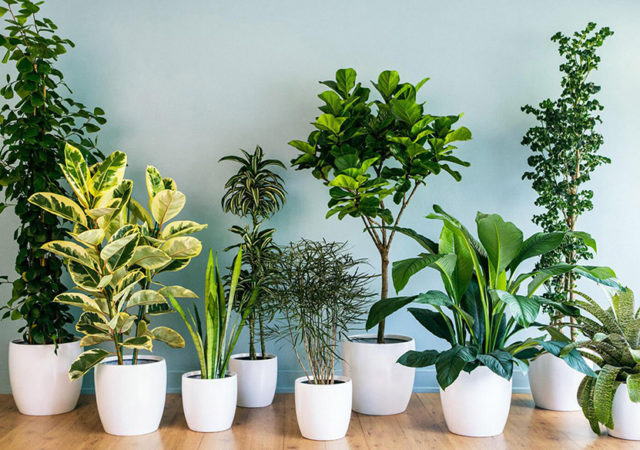
Combine small, medium, and large plants for a balanced look. Different leaf shapes and textures add interest. Smooth, spiky, and fuzzy leaves create contrast. Use plants with varied colors too, such as deep green and light green. This mix keeps the arrangement lively and natural.
Grouping For Visual Impact
Group plants together to form a mini indoor garden. Clusters create a strong focal point in any room. Place plants with similar care needs close for easy watering. Use pots in matching or complementary colors to unify the group. This arrangement feels cozy and inviting.
Decorative Pots And Containers
Decorative pots and containers bring life to indoor plants during winter. They add color, texture, and style to your space. Choosing the right pot can brighten a room and highlight your plants. The right container also protects plants from cold drafts and dry air.
Seasonal Colors And Materials
Choose pots in warm colors like red, orange, and gold. These shades create a cozy feel indoors. Natural materials like clay, terracotta, and wood add warmth too. Glossy finishes reflect soft light and add shine. Matte pots give a calm and simple look. Combine colors and materials for a festive vibe.
Repurposed Containers Ideas
Use old mugs, tins, or jars as plant pots. Paint or decorate them for a fresh look. Wooden crates make great plant holders in winter. Vintage baskets add charm and air circulation. Even glass jars work well for small plants. Repurposing saves money and adds unique style.
Matching Pots To Interior Style
Match pot designs with your room’s style. Sleek white pots fit modern spaces well. Rustic pots with rough textures suit farmhouse decor. Bright, patterned pots liven up eclectic rooms. Simple, neutral pots blend into minimalist homes. Choose pots that complement your furniture and walls.

Credit: www.greenlight-realestate.com
Maintaining Plant Health Indoors
Keeping indoor plants healthy during winter needs careful attention. Plants face low light, dry air, and cooler temperatures. These conditions can stress plants and slow their growth. Simple steps help plants stay strong and green inside your home.
Proper Watering Techniques
Water plants only when the top soil feels dry. Overwatering causes root rot and kills plants. Use room temperature water for best results. Water slowly to let soil absorb it well. Remove extra water from saucers to avoid standing water.
Optimizing Light Exposure
Place plants near windows with bright, indirect light. Rotate plants weekly to ensure all sides get light. Clean leaves gently to help them absorb light better. Avoid direct sun that can burn leaves. Use grow lights if natural light is too weak.
Controlling Indoor Temperature
Keep indoor temperature between 60-75°F for most plants. Avoid placing plants near heaters or cold drafts. Sudden temperature changes stress plants and cause leaf drop. Use a humidifier to add moisture in dry rooms. Group plants together to create a humid microclimate.
Incorporating Greenery Into Decor Themes
Incorporating greenery into your indoor decor brightens up any winter space. Plants bring life and freshness to rooms that feel cold and dull during winter months. They add color, texture, and a sense of calm. Greenery fits many styles and can be a beautiful part of your home’s theme.
Choosing the right plants and display method helps match your decor style perfectly. Some prefer simple touches, while others enjoy bold plant arrangements. Here are ideas to blend plants with different decor themes.
Minimalist Green Accents
Small plants suit minimalist spaces well. A single succulent or a tiny fern on a clean shelf adds a soft green touch. Choose pots in neutral colors like white, grey, or black. Keep the number of plants low to avoid clutter. This keeps the room calm and organized.
Plants with simple shapes and smooth leaves work best. Avoid plants with large, busy foliage. Place plants near natural light sources for healthy growth. Minimalism and greenery create a peaceful, fresh atmosphere.
Rustic And Cozy Plant Displays
Rustic decor welcomes plants with a warm, homey feel. Use wooden crates or baskets as plant holders. Mix different plant types for a wild, natural look. Ferns, ivy, and spider plants fit well in rustic spaces.
Group plants together on a wooden table or window sill. Add soft textiles like wool or burlap nearby. This mix creates a cozy, inviting corner. The rough textures of rustic decor and soft leaves of plants balance nicely.
Modern And Sleek Plant Decor
Modern spaces use plants to add brightness and style. Choose plants with clean lines and bold shapes. Snake plants and ZZ plants are perfect examples. Use pots with metallic or glossy finishes for a chic look.
Place plants on glass or metal shelves for a sleek effect. Keep the arrangement simple but striking. Modern decor and greenery together create a fresh, stylish vibe. This look feels both lively and elegant.
Seasonal Care And Preparation
Indoor plants need special care during winter to stay healthy. Cold weather changes how plants grow. Adjusting your care routine helps them survive and thrive. Preparing plants now makes spring growth stronger and easier.
Seasonal care keeps plants safe from winter stress. Small changes in light, water, and nutrients improve plant health. Follow simple steps to protect and prepare your indoor plants.
Protecting Plants From Cold Drafts
Cold drafts can damage indoor plants quickly. Place plants away from windows and doors that open often. Use heavy curtains or draft stoppers to block cold air. Group plants together to keep warmth around them. Avoid placing plants near heaters or vents that dry air.
Adjusting Fertilizer Schedules
Plants grow slower in winter and need less fertilizer. Cut back on feeding to avoid root damage. Use a balanced, mild fertilizer once a month or skip it. Overfeeding can harm plants when they rest. Watch your plants for signs of hunger before adding nutrients.
Preparing Plants For Spring Transition
Start preparing plants for spring in late winter. Gradually increase water and light exposure as days get longer. Repot plants if roots are crowded or soil looks old. Clean leaves to help plants breathe and absorb light. Trim dead or yellow leaves to encourage new growth.
Frequently Asked Questions
What Are The Best Indoor Plants For Winter Decor?
The best indoor plants for winter include pothos, snake plants, and peace lilies. They thrive in low light and cooler temperatures. These plants add greenery and freshness to your indoor space during winter months, enhancing your decor with minimal maintenance.
How To Maintain Indoor Plants During Winter?
Maintain indoor plants by keeping them away from cold drafts and heaters. Water sparingly as plants need less moisture in winter. Increase humidity using a pebble tray or humidifier to prevent dry air damage. Ensure they receive indirect sunlight for healthy growth.
Can Winter Indoor Plants Improve Air Quality?
Yes, many winter indoor plants like spider plants and snake plants improve air quality. They absorb toxins and release oxygen, creating a healthier indoor environment. Adding these plants to your decor boosts air freshness and promotes better breathing during winter.
How To Decorate With Indoor Plants In Winter?
Decorate with indoor plants by grouping them in stylish pots and placing them near windows. Use plant stands or shelves to create layers and visual interest. Combine plants with winter-themed decor like candles and fairy lights for a cozy ambiance.
Conclusion
Indoor plants bring life to cold winter days. They brighten rooms and improve air quality. Choose plants that thrive in low light and dry air. Place them near windows for natural sunlight. Use colorful pots to add a cozy feel.
Water plants carefully to avoid overwatering. Rotate plants to keep them healthy and even. Enjoy the calm and fresh atmosphere they create. Small changes make your home warm and inviting. Keep these tips in mind for a green winter.
Leave a Reply