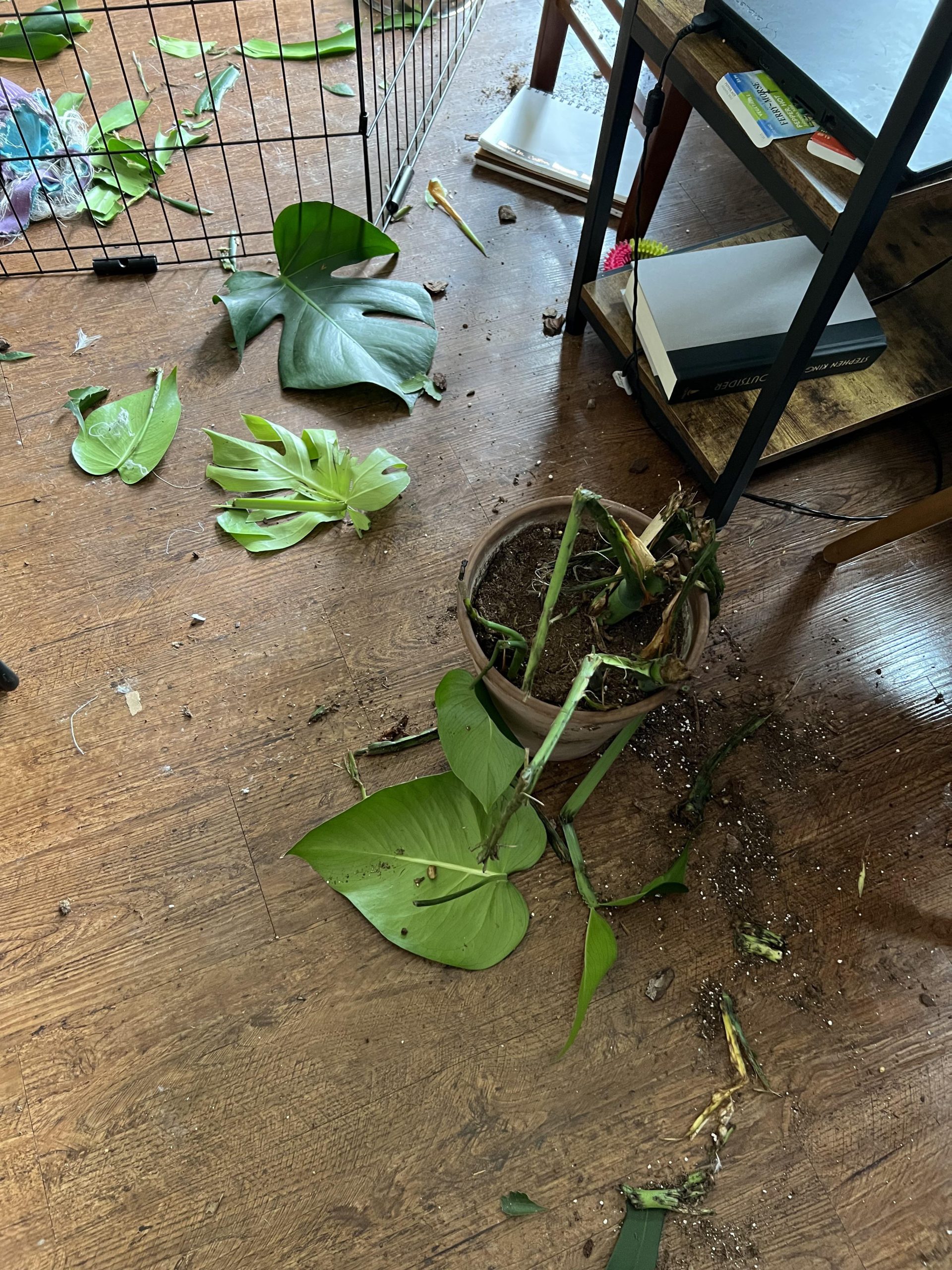
No, Monstera will not kill your dog, but it can make your pet sick. The Monstera plant, while beautiful, contains calcium oxalate crystals.
These can cause irritation and discomfort if ingested by dogs. Monstera, also known as the Swiss cheese plant, is popular in many homes. Its large, glossy leaves add a tropical vibe to any space. But pet owners need to be cautious.
Pets, especially dogs, may chew on houseplants out of curiosity. If your dog bites into a Monstera leaf, it can experience symptoms like drooling, mouth pain, and vomiting. Knowing this can help you take steps to keep both your plant and your dog safe. Let’s explore what makes Monstera harmful and how you can prevent any mishaps.
Monstera Plant Overview
The Monstera plant is a popular houseplant known for its unique and stunning foliage. Many plant enthusiasts adore its large, glossy leaves. But pet owners often worry if this tropical beauty is safe for their furry friends.
Characteristics
Monstera plants have large, heart-shaped leaves with natural holes. These holes give the plant its distinctive, perforated look. The leaves are glossy and can grow quite large. Some can reach up to three feet in length.
The plant thrives in bright, indirect light. It prefers a humid environment and well-draining soil. Monstera is relatively low maintenance, making it a favorite among plant lovers.
Common Types
There are several types of Monstera plants. The most common one is Monstera Deliciosa. It is known for its large, split leaves and rapid growth.
Monstera Adansonii, also known as the Swiss Cheese Plant, is another popular type. It has smaller leaves with unique holes. This type is perfect for smaller spaces.
Monstera Borsigiana is a variant of Monstera Deliciosa. It has similar characteristics but grows faster. Its leaves are slightly smaller and less split.
Each type has its charm. Choose one that fits your space and care level.

Toxicity To Pets
Many pet owners worry about the safety of their plants. One common concern is whether the Monstera plant is toxic to pets. It’s important to know how this popular houseplant can affect your furry friends.
Harmful Components
The Monstera plant contains calcium oxalate crystals. These are tiny, needle-like structures found in the plant’s leaves and stems. When ingested, these crystals can cause irritation. The crystals are not easily seen but can cause harm.
Effects On Dogs
Dogs are curious creatures. They may chew on plants they find interesting. If a dog eats part of a Monstera plant, it can lead to several symptoms. Common signs include drooling, mouth pain, and swelling of the tongue and lips. Dogs may also experience vomiting and difficulty swallowing.
In more severe cases, dogs might have trouble breathing. This is because the swelling can block their airways. Pet owners should seek veterinary care if their dog shows these symptoms. Quick action can prevent serious complications.
Symptoms Of Poisoning
Many pet owners worry about the safety of their furry friends around houseplants. The Monstera plant, while beautiful, can be toxic to dogs. Recognizing the symptoms of poisoning is crucial for your pet’s health. Below, we outline the key physical signs and behavioral changes that may indicate your dog has been poisoned by a Monstera plant.
Physical Signs
Physical symptoms are often the first indicators of poisoning. Look out for the following signs:
- Drooling: Excessive saliva production can be a red flag.
- Vomiting: If your dog vomits frequently, this is a concern.
- Swelling: Noticeable swelling of the mouth or throat area.
- Diarrhea: Loose stools are another common symptom.
Observe your dog closely if any of these symptoms appear. Early detection is key.
Behavioral Changes
Behavioral changes can also signal poisoning. Watch for these alterations in your dog’s behavior:
- Lethargy: Unusual tiredness or lack of energy.
- Pawing at the Mouth: This indicates oral discomfort.
- Loss of Appetite: A sudden disinterest in food.
- Whimpering: Frequent whining or whimpering.
These changes often accompany physical symptoms and should not be ignored.
If you notice any of these symptoms of poisoning, contact your vet immediately. Quick action can save your dog’s life.
Immediate Actions
If your dog has ingested a Monstera plant, it’s crucial to act quickly. The plant contains calcium oxalate crystals, which can be toxic to dogs. Immediate action can prevent serious harm to your pet. Let’s break down the steps you should take right away.
First Aid Steps
The first thing to do is remain calm. Panic can make the situation worse. Here are the steps you should follow:
- Remove any plant material from your dog’s mouth: Use a cloth or your fingers.
- Rinse your dog’s mouth: Use clean water to wash out any remaining plant particles.
- Offer water: Encourage your dog to drink water to help dilute the toxins.
- Monitor symptoms: Look for drooling, vomiting, or swelling in the mouth.
If you notice symptoms, it’s essential to take further action. Time is of the essence in such situations.
When To See A Vet
Some symptoms indicate that your dog needs immediate veterinary care. Here is when you should see a vet:
- Persistent vomiting: If your dog can’t stop vomiting.
- Difficulty breathing: If your dog is struggling to breathe or has noisy breathing.
- Severe swelling: If you see extensive swelling in the mouth or throat.
- Extreme lethargy: If your dog is unusually weak or unresponsive.
Veterinary care is crucial in severe cases. The vet may administer medication or other treatments to counteract the toxins.
Creating A Safe Environment
Monstera plants can be toxic to dogs if ingested. Keeping these plants out of reach ensures your pet’s safety. Always monitor your dog around houseplants.
Keeping your dog safe around houseplants can be a concern. Monstera plants are beautiful but can be toxic to pets. By creating a safe environment, you can enjoy your plants without risking your dog’s health.Placement Of Plants
Place Monstera plants in areas your dog cannot reach. High shelves or hanging baskets work well. Avoid putting plants on low tables or the floor. This helps keep curious dogs away from toxic leaves.Pet-proofing Tips
Use barriers to block access to plant areas. Baby gates can be helpful. Train your dog to stay away from plants. Offer toys and treats to distract them. Regularly check that plants are out of reach. Move furniture if needed. Remember, a safe pet is a happy pet. “`
Alternative Pet-safe Plants
Keeping pets safe from toxic plants is crucial for pet owners. Monstera plants can be harmful to dogs. Thankfully, there are many pet-safe alternatives. These plants can enhance your home without risking your dog’s health.
Non-toxic Options
Several plants are safe for pets. Spider plants are one example. They grow quickly and are easy to care for. Boston ferns are another option. They thrive in humid environments. Areca palms are also pet-friendly. They add a tropical feel to your space. Finally, consider baby rubber plants. They have thick, glossy leaves and are non-toxic to dogs.
Benefits Of Safe Plants
Safe plants offer many benefits. They create a calming atmosphere. Plants improve air quality by filtering toxins. They also provide mental health benefits. Greenery can reduce stress and anxiety. Additionally, non-toxic plants protect your pets. You can relax knowing your dog is safe. Peace of mind is priceless.
Training Your Dog
Ensuring your dog’s safety involves training them properly. Training helps them understand which plants to avoid, including the Monstera plant. This training is crucial to prevent any accidental ingestion.
In this section, we will discuss how to train your dog to avoid dangerous plants. We will also explore positive reinforcement techniques. These methods will help you create a safe environment for your furry friend.
Avoiding Dangerous Plants
Monstera plants can be harmful to dogs if ingested. To prevent this, keep the plant out of reach. You can place it on a high shelf or in a room your dog can’t access. Another option is to use barriers like baby gates. These measures ensure your dog stays safe from dangerous plants.
Train your dog to stay away from indoor plants. Use simple commands like “leave it” to guide them. Consistency is key. Repeat the command every time your dog approaches a plant. Reward them for good behavior.
Positive Reinforcement Techniques
Positive reinforcement helps your dog learn quickly. Reward your dog with treats or praise. Do this whenever they follow commands to avoid plants. This creates a positive association with the behavior.
Use a clicker to mark good behavior. Click and reward when your dog obeys commands. This technique helps reinforce the desired behavior. Over time, your dog will understand to avoid plants.
Training sessions should be short and fun. Keep them to 5-10 minutes each. This prevents your dog from getting bored or frustrated. Ensure the training environment is calm and free from distractions.
With patience and consistency, your dog will learn to avoid dangerous plants like Monstera. Positive reinforcement makes the training process enjoyable for both you and your dog.
Consulting Professionals
When concerned about the safety of your dog around Monstera plants, consulting professionals is crucial. Seeking advice from experts ensures you get accurate and reliable information. Let’s explore some sources of professional advice.
Veterinarian Advice
A veterinarian can provide valuable insights regarding Monstera’s toxicity. They can explain the potential risks and symptoms to watch for. They may also offer preventive measures to keep your pet safe.
Here are some questions to ask your veterinarian:
- What symptoms indicate Monstera poisoning in dogs?
- How can I prevent my dog from accessing the plant?
- What steps should I take if my dog ingests Monstera?
Pet Poison Control Centers
Pet Poison Control Centers are specialized in handling such emergencies. They can guide you through immediate actions if your dog ingests Monstera.
Here are some key details about Pet Poison Control Centers:
| Center | Contact | Services |
|---|---|---|
| ASPCA Animal Poison Control Center | 1-888-426-4435 | 24/7 emergency advice |
| Pet Poison Helpline | 1-855-764-7661 | Expert toxicology advice |
Keep their contact numbers handy. Act quickly if your dog shows signs of poisoning.

Frequently Asked Questions
Is Monstera Toxic To Dogs?
Yes, Monstera plants are toxic to dogs. They contain calcium oxalate crystals which can cause irritation, drooling, and vomiting if ingested.
What Happens If My Dog Eats Monstera?
If your dog eats Monstera, they may experience mouth irritation, drooling, vomiting, and difficulty swallowing. Seek veterinary care immediately.
How To Keep Dogs Safe From Monstera Plants?
Keep Monstera plants out of reach, use deterrent sprays, and train your dog to avoid the plant to ensure their safety.
Can Monstera Kill Dogs?
While Monstera is toxic and can cause severe discomfort, it is unlikely to be fatal. Immediate veterinary care is essential.
Conclusion
To ensure your dog’s safety, keep Monstera plants out of reach. These plants can be harmful if ingested. Always monitor your pets around houseplants. Consider choosing non-toxic plants instead. Consulting your vet can provide more guidance. Your dog’s health and safety are most important.
Make informed decisions for a happy, healthy home.
Leave a Reply