
No, Monstera plants will not kill your cat. But they can make your cat sick.
Many pet owners love adding greenery to their homes. Monstera plants are beautiful and popular choices. But if you have a cat, you may worry about its safety. Monstera plants contain calcium oxalate crystals. These can cause irritation if your cat chews on the leaves.
Symptoms include drooling, vomiting, and difficulty swallowing. While the plant is not deadly, it’s important to know the risks. Keep reading to learn how to keep both your cat and plants safe.

Introduction To Monstera Plants
Monstera plants are popular indoor plants with large, beautiful leaves. They can be toxic to cats if ingested. Keep these plants out of reach to ensure your pet’s safety.
Monstera plants are popular indoor plants known for their striking leaves. Their unique foliage adds a touch of the tropics to any home. These plants belong to the Araceae family and are native to tropical regions. They are also known as “Swiss Cheese Plants” due to the holes in their leaves. Monstera plants are relatively easy to care for. This makes them a favorite among plant enthusiasts. Their large, green leaves can grow quite big, making them a statement piece in any room. With proper care, these plants can thrive indoors and outdoors in warmer climates.Popular Varieties
There are several popular varieties of Monstera plants. The most common one is Monstera deliciosa. It has large, split leaves with holes. Another popular variety is Monstera adansonii. This variety is smaller and has more delicate leaves with smaller holes. Monstera obliqua is a rare variety. It has very thin leaves with large holes, almost like lace. Each variety has its own unique charm. They all share the characteristic holes in their leaves. This feature makes them easily recognizable.Common Features
Monstera plants share several common features. They have large, glossy green leaves with holes or splits. These holes help the plant withstand strong winds in their natural habitat. The leaves are usually heart-shaped and can grow quite large. Monstera plants also have aerial roots. These roots help the plant climb and attach to surfaces. Most Monstera plants prefer bright, indirect light. They can tolerate low light but grow slower. They also need regular watering but should not sit in water. Well-draining soil is essential to prevent root rot. With proper care, Monstera plants can live for many years and grow quite large. “`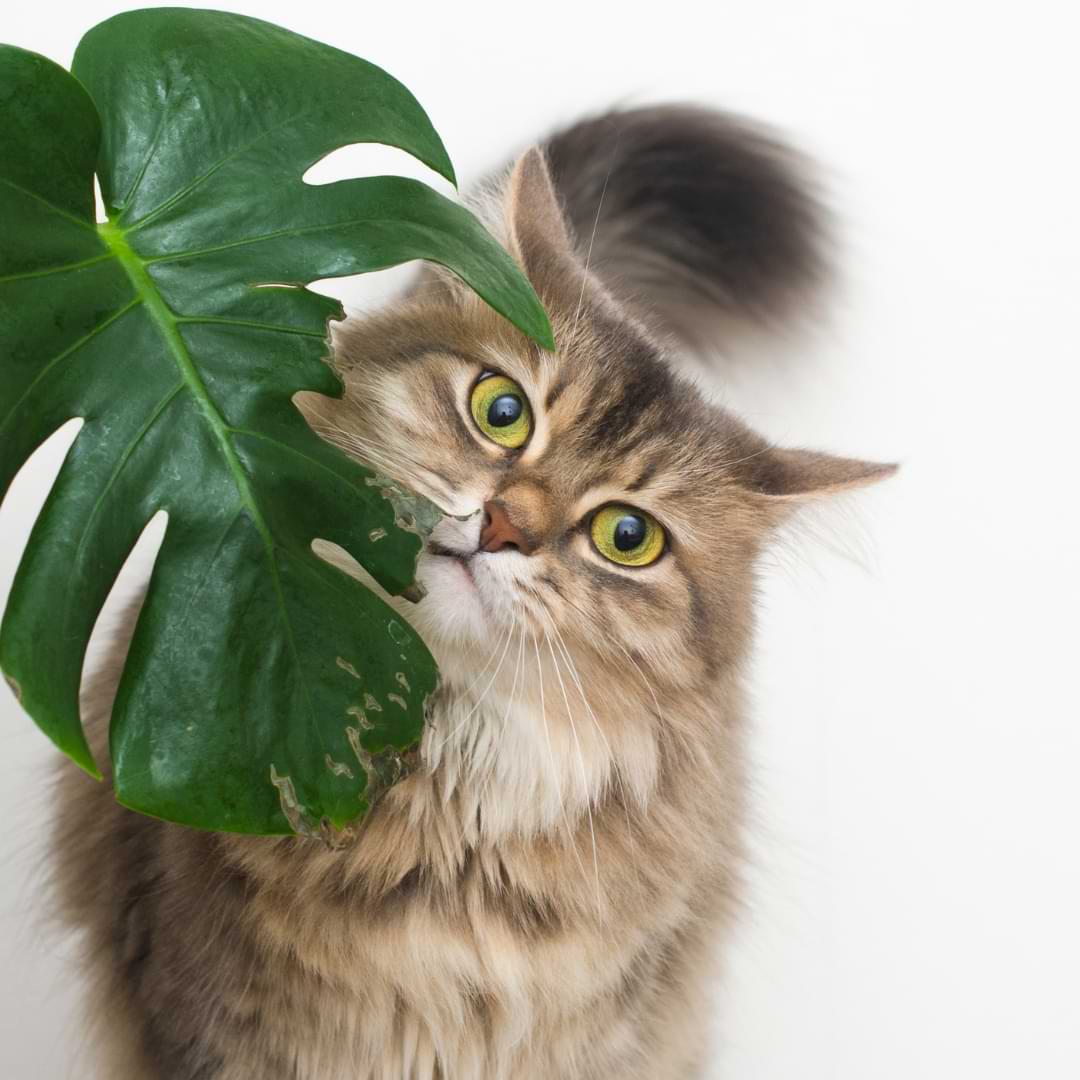
Toxicity Of Monstera To Cats
Monstera plants are popular houseplants due to their stunning leaves. But if you own a cat, you might wonder if these plants are safe. The sad truth is, Monstera plants can be toxic to cats. Understanding the harmful compounds in Monstera and the symptoms of poisoning can help you keep your pet safe.
Harmful Compounds
Monstera plants contain calcium oxalate crystals. These tiny, sharp crystals can cause harm if your cat chews on the plant. The crystals irritate the mouth and throat. This irritation can lead to various symptoms and discomfort for your furry friend.
| Compound | Effect on Cats |
|---|---|
| Calcium Oxalate Crystals | Irritation of mouth and throat |
Symptoms Of Poisoning
If your cat eats a Monstera plant, watch for signs of poisoning. The symptoms can vary in severity. Here are some common symptoms:
- Drooling: Excessive drooling is a common sign.
- Swelling: Swelling of the mouth, tongue, and lips can occur.
- Vomiting: Your cat may vomit after chewing on the plant.
- Pawing at the Mouth: Your cat may paw at its mouth due to discomfort.
- Difficulty Swallowing: Swelling can make swallowing hard.
If you notice any of these symptoms, contact your veterinarian. Quick action can prevent serious health issues. Keeping Monstera plants out of reach can protect your cat from harm.
Recognizing Poisoning In Cats
Monstera plants are beautiful, but they can be dangerous to cats. Knowing how to recognize poisoning in cats can save their lives. This section will help you identify the signs of poisoning and take action quickly.
Early Warning Signs
Early detection is key. Look for these early warning signs if your cat ingests Monstera:
- Drooling
- Pawing at the mouth
- Vomiting
- Reduced appetite
- Swelling of the mouth or tongue
These signs indicate discomfort and need immediate attention. If you see any of these, contact your vet right away.
Severe Symptoms
If poisoning progresses, more severe symptoms may appear. These symptoms require urgent care:
- Difficulty breathing
- Severe vomiting
- Diarrhea
- Weakness or lethargy
- Seizures
These symptoms are life-threatening. Get your cat to a veterinarian immediately if they occur.
| Early Signs | Severe Symptoms |
|---|---|
| Drooling | Difficulty breathing |
| Pawing at the mouth | Severe vomiting |
| Vomiting | Diarrhea |
| Reduced appetite | Weakness or lethargy |
| Swelling of the mouth or tongue | Seizures |
Knowing these signs can help protect your feline friend from serious harm.
Immediate Steps If Ingestion Occurs
If your cat ingests a Monstera plant, it can be alarming. Monstera contains insoluble calcium oxalates. These can cause irritation and swelling in your cat’s mouth and throat. It’s important to act quickly to mitigate any harm.
First Aid Tips
First, remove any plant material from your cat’s mouth. Use a clean, damp cloth to wipe their mouth and paws. This helps prevent further ingestion. Rinse their mouth with water if possible.
Offer your cat water or milk. This can help rinse away any plant residue. It can also soothe their mouth and throat. Monitor your cat closely for signs of distress. Look for drooling, pawing at the mouth, or difficulty swallowing.
When To Visit The Vet
If your cat shows severe symptoms, visit the vet immediately. Severe symptoms include difficulty breathing, severe swelling, or persistent vomiting. These signs indicate a serious reaction.
Even if symptoms are mild, a vet visit is still recommended. The vet can provide appropriate treatment and advice. They may suggest fluids, medication, or other treatments to help your cat recover.
Creating A Safe Home Environment
Creating a safe home environment for your cat is essential. Many common houseplants can be harmful to pets. Monstera, a popular houseplant, is one of them. But with some careful planning, you can keep your cat safe and your home green.
Pet-friendly Plants
Choose plants that are safe for cats. Spider plants, Boston ferns, and areca palms are good options. These plants do not harm cats if ingested. Also, they add a touch of nature to your home without any risk.
Consider growing cat grass. It provides a safe and enjoyable plant for your cat. Cat grass can keep your pet occupied and reduce their interest in other houseplants.
Safe Plant Placement
Place toxic plants like Monstera out of your cat’s reach. High shelves or hanging baskets work well. Ensure your cat cannot climb to these spots.
Use barriers to prevent access to plants. Decorative screens or plant stands with enclosures can help. They keep your plants safe and add style to your home.
Monitor your cat’s behavior around plants. Some cats are persistent and may still reach plants. Regular checks can help you adjust plant placement as needed.
Remember, creating a safe home for your cat involves careful plant choices and thoughtful placement. With a bit of effort, you can enjoy a pet-friendly and green home.

Alternatives To Monstera Plants
Worried about your furry friend’s safety with Monstera plants? You’re not alone. Many pet owners seek alternatives to Monstera plants that won’t harm their cats. Thankfully, there are plenty of beautiful and non-toxic options available.
Non-toxic Houseplants
Choosing non-toxic houseplants ensures your cat’s safety. Here are some great options:
- Spider Plant: These are easy to care for and safe for pets.
- Areca Palm: Elegant and pet-friendly, perfect for indoor spaces.
- Bamboo Palm: Adds a tropical feel without harming your cat.
- Boston Fern: Beautiful and non-toxic, ideal for hanging baskets.
- Calathea: Known for their striking leaves and pet-safe nature.
Decorative Options
These alternatives not only keep your pets safe but also enhance your decor:
| Plant | Feature | Benefit |
|---|---|---|
| Ponytail Palm | Unique, curly leaves | Pet-friendly and low maintenance |
| Peperomia | Compact and varied leaf shapes | Safe for cats and easy to grow |
| Fittonia | Colorful, veined leaves | Pet-safe and vibrant decor |
| Parlor Palm | Graceful and lush | Non-toxic and elegant |
These plants ensure your home remains stylish and safe for your pets. Feel confident in your choice, knowing your cat can explore without risk.
Preventive Measures For Pet Owners
Monstera plants are popular houseplants. But they can be toxic to cats. Pet owners must take preventive measures. This will keep their cats safe and healthy. Here are two key strategies: training your cat and using barriers.
Training Your Cat
Train your cat to stay away from the Monstera. Use positive reinforcement techniques. This includes treats, praises, and toys. Every time your cat avoids the plant, reward them.
- Place the Monstera in a room your cat seldom enters.
- Use a spray bottle with water. Spray near the plant when your cat approaches.
- Provide other engaging activities. This can divert their attention.
Consistency is key. Repeat these actions daily. Over time, your cat will learn to stay away from the Monstera.
Using Barriers
Physical barriers can also help. This will ensure your cat cannot reach the plant.
| Barrier Type | Description |
|---|---|
| Plant Shelves | Place the Monstera on a high shelf. Ensure it is out of your cat’s reach. |
| Plant Cages | Use plant cages or terrariums. This keeps the plant enclosed. |
| Room Dividers | Use dividers to section off the plant area. |
These barriers act as a physical deterrent. They keep your cat safe from the Monstera.
By using these preventive measures, pet owners can ensure their cats remain safe and healthy around Monstera plants.
Resources For Further Help
When it comes to your cat’s safety around Monstera plants, knowing where to find help is crucial. This section provides you with essential resources for further assistance. Whether you need veterinary advice or wish to connect with other pet owners, these resources will guide you.
Veterinary Contacts
If your cat has ingested Monstera, contact your vet immediately. Keep your veterinarian’s contact information handy. You can also reach out to emergency animal clinics. They offer 24/7 services and can provide urgent care.
Another useful contact is the ASPCA Animal Poison Control Center. They have experts available around the clock. Their hotline number is (888) 426-4435. They can guide you through the steps to take if your cat is poisoned.
Online Support Groups
Joining online support groups can be very helpful. Many pet owners share their experiences and advice. Look for groups on social media platforms like Facebook. These groups often have members who have faced similar issues.
Forums dedicated to pet care are also valuable. Websites like Reddit have pet care communities. You can ask questions and get responses from experienced pet owners. These platforms provide real-time support and advice.
Frequently Asked Questions
Is Monstera Toxic To Cats?
Yes, Monstera plants are toxic to cats. They contain calcium oxalates, which can cause irritation and swelling in the mouth, tongue, and throat.
What Happens If A Cat Eats Monstera?
If a cat eats Monstera, it may experience drooling, vomiting, and difficulty swallowing. It’s important to contact your vet immediately.
How Can I Keep My Cat Away From Monstera?
To keep your cat away from Monstera, place the plant in a hard-to-reach area or use pet-safe deterrents like citrus sprays.
Are There Cat-safe Alternatives To Monstera?
Yes, there are cat-safe alternatives such as Spider Plant, Boston Fern, and Areca Palm. These plants are non-toxic to cats.
Conclusion
Monstera plants can be toxic to cats. Keep them out of reach. Consider pet-friendly plants instead. Always monitor your cat around houseplants. Safety comes first for our furry friends. Consult your vet for advice. Choose plants wisely. Prioritize your cat’s health and happiness.
Stay informed. Your home can be both stylish and safe.