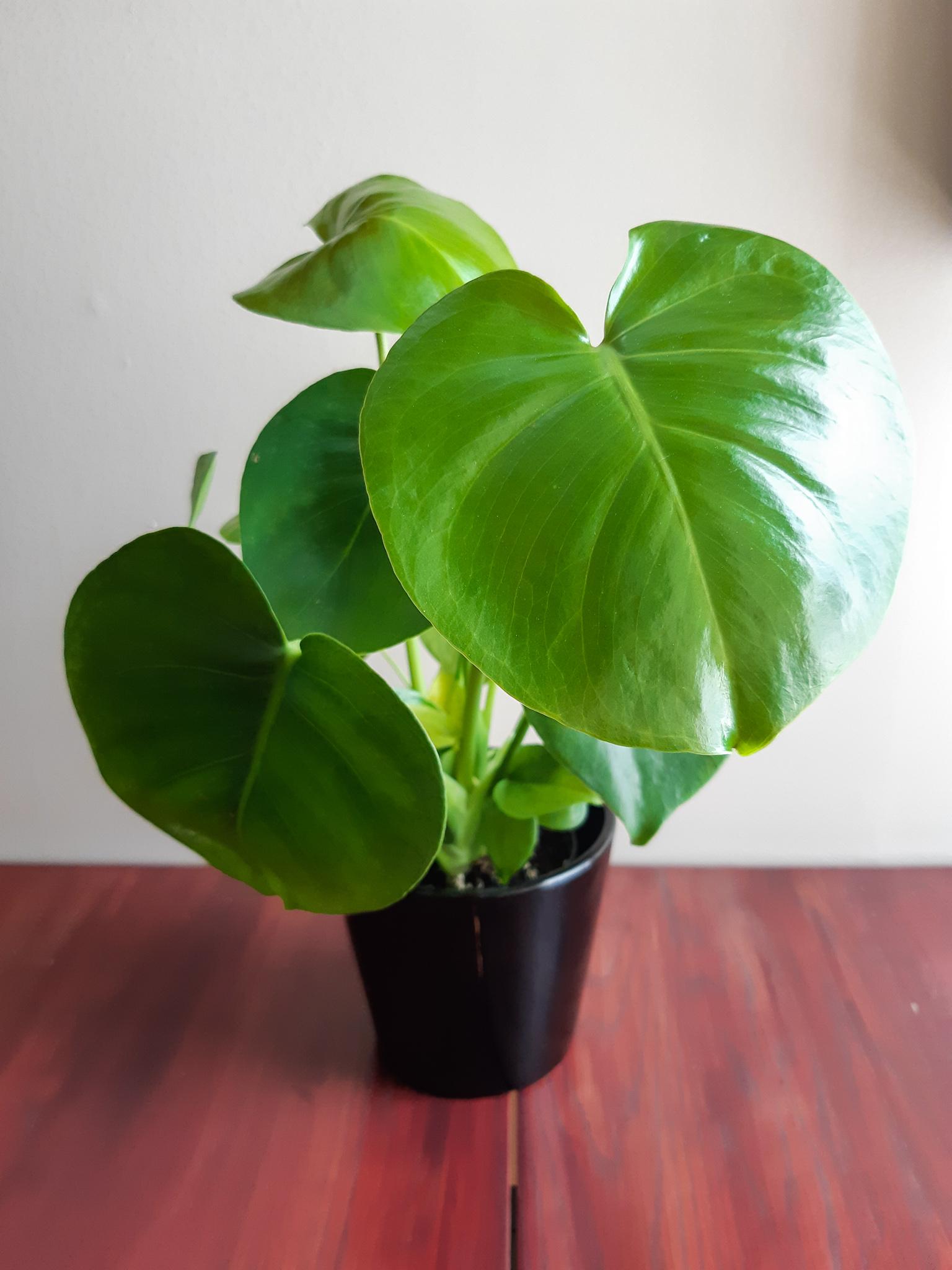
Monstera plants are famous for their unique, hole-filled leaves. But sometimes, your Monstera may lack these holes.
This can be puzzling for plant lovers. Why doesn’t your Monstera have holes? The answer lies in various factors like age, light, and care. Young Monsteras often have solid leaves. As they mature, they develop the iconic holes. Inadequate light can also hinder hole formation.
Proper care is essential to encourage the growth of these holes. Understanding these factors can help you nurture your Monstera to its full potential. Read on to explore each aspect in detail and find out how to help your Monstera thrive.
Fenestration In Monstera
Fenestration in Monstera plants is a fascinating phenomenon. It refers to the unique holes or cuts in the leaves of the Monstera plant. These holes give the plant its distinctive look. Sometimes, though, Monstera leaves may not have these holes. Understanding fenestration can help explain why this occurs.
What Is Fenestration?
Fenestration is the formation of holes in the leaves of the Monstera plant. These holes start small and grow as the leaf matures. The process is natural and part of the plant’s growth cycle. Not all Monstera leaves will have holes immediately. Some may remain whole for a while.
Importance Of Leaf Holes
Leaf holes are important for several reasons. First, they help the plant manage light and water. The holes allow light to pass through to lower leaves. This ensures that all parts of the plant get enough sunlight. The holes also help the plant withstand strong winds. They reduce the surface area, making the leaves less likely to tear.
Another reason is that leaf holes help the plant survive heavy rain. The water can pass through the holes, preventing damage. This helps the plant thrive in its natural rainforest habitat. Understanding the importance of these holes can explain why your Monstera might not have them yet. It could be a sign of the plant’s environment or age.

Natural Habitat
Monstera leaves may lack holes if they grow in low-light environments. These conditions prevent the plant from developing its typical perforations. Proper light is key for the iconic look.
Monstera plants, also known as Swiss cheese plants, are famous for their unique leaves. These leaves often feature holes, which have intrigued plant enthusiasts. Understanding the natural habitat of Monstera helps explain why some plants lack these characteristic holes.Origin Of Monstera
Monstera plants originate from the tropical rainforests of Central and South America. They thrive in warm, humid environments. These regions provide ideal conditions for their growth. The dense canopy of the rainforest shades them. This limits the amount of direct sunlight they receive.Adaptation To Environment
In their natural habitat, Monstera plants climb trees. They use aerial roots to support themselves. The holes in their leaves help them adapt to the rainforest environment. These holes allow light to filter through to the lower leaves. They also help the plant withstand strong winds and heavy rainfall. When grown outside their natural habitat, Monstera plants might not develop holes. Indoor environments lack the same conditions. Less light, lower humidity, and no strong winds affect their growth. Ensuring a similar environment can help them develop their characteristic leaves. “`Growth Conditions
The growth conditions of a Monstera plant directly impact its leaf development. Without optimal conditions, the plant may not develop the characteristic holes or fenestrations in its leaves. Understanding the right environment can help ensure your Monstera thrives and exhibits its unique foliage.
Light Requirements
Monstera plants prefer bright, indirect light. Direct sunlight can scorch their leaves. Insufficient light may cause the plant to grow slowly. It may also result in fewer or no holes in the leaves. Place your Monstera near a window with filtered light. You can also use sheer curtains to diffuse the sunlight. Artificial grow lights can be an alternative if natural light is limited.
Soil And Watering Needs
Well-draining soil is crucial for Monstera plants. A mix of peat moss, perlite, and pine bark works well. This mix ensures the roots get enough oxygen and prevents waterlogging.
Water the plant when the top inch of soil feels dry. Overwatering can lead to root rot, affecting overall health. Underwatering can cause the leaves to turn brown and dry. Ensure the pot has drainage holes to allow excess water to escape.
| Condition | Requirement |
|---|---|
| Light | Bright, indirect light |
| Soil | Well-draining mix of peat moss, perlite, and pine bark |
| Watering | Water when the top inch of soil is dry |
By meeting these light and soil needs, you create a healthy environment for your Monstera. This will encourage the development of its beautiful, hole-filled leaves.

Genetic Factors
Monstera plants are popular for their unique, hole-filled leaves. But not all Monstera plants have these holes. The presence or absence of holes in Monstera leaves is influenced by genetic factors. Understanding these genetic factors can help explain why some Monstera plants have holes while others do not.
Role Of Genetics
The genetics of Monstera plants play a key role in leaf development. Some plants inherit genes that lead to the formation of holes in their leaves. These genes control the pattern and number of holes. Plants without these specific genes do not develop holes in their leaves.
Genetic mutations can also cause differences in leaf patterns. A mutation in a plant’s DNA can result in leaves without holes. This genetic variation creates the diverse appearances seen in Monstera plants.
Varieties With And Without Holes
There are many varieties of Monstera plants. Some have holes, while others do not. For example, Monstera deliciosa often has large holes. This variety is well known for its beautiful, perforated leaves.
On the other hand, Monstera adansonii has smaller, more frequent holes. This variety is sometimes called the “Swiss Cheese Plant” because of its unique leaf pattern.
Monstera species without holes include Monstera standleyana. This variety has solid leaves without any perforations. It showcases the genetic diversity within the Monstera genus.
Understanding the genetic factors and varieties helps in caring for and appreciating Monstera plants. Each variety has its own charm, whether it has holes or not.
Developmental Stages
Monstera plants are famous for their unique leaves with holes. These holes, known as fenestrations, are a signature trait. But not all Monstera leaves have holes. The leaves develop holes based on their growth stage. This section explores the developmental stages of Monstera leaves.
Juvenile Vs Mature Leaves
Monstera leaves change as the plant grows. Juvenile leaves are smaller and solid. They don’t have any holes. These young leaves are usually heart-shaped and lack the distinctive fenestrations.
Mature leaves are larger and develop holes. The holes, or fenestrations, help the plant in various ways. They aid in light penetration and water drainage. The transition from juvenile to mature leaves marks a significant growth stage.
Changes Over Time
Monstera leaves change over time. This change is gradual and depends on the plant’s environment. Factors like light, humidity, and age influence this process.
Here’s a breakdown of the changes:
- Light: Monstera plants need bright, indirect light. More light encourages leaf growth and fenestration.
- Humidity: High humidity levels promote healthier leaves. This can lead to more fenestrations.
- Age: As the plant ages, leaves grow larger and develop holes. This is a natural part of the plant’s development.
Understanding these factors helps in caring for your Monstera. This ensures that it grows healthy leaves with beautiful fenestrations.

Environmental Stress
Environmental stress can affect the health of your Monstera plant. Stress can prevent the leaves from developing their characteristic holes. Understanding these stress factors can help you maintain a healthier plant.
Impact Of Stress On Leaves
Monstera leaves need specific conditions to thrive. Environmental stress can hinder their growth. Stressful conditions may lead to solid leaves without holes.
One primary stressor is inadequate light. Monsteras need bright, indirect sunlight. Low light conditions can cause leaves to stay whole. Another stressor is improper watering. Overwatering or underwatering can damage the roots. This affects the overall health of the plant.
Temperature also plays a crucial role. Monsteras prefer warm, humid conditions. Cold temperatures or dry air can cause stress. This stress prevents the natural development of fenestrations.
Signs Of Unhealthy Plants
Recognizing the signs of an unhealthy Monstera is vital. One sign is yellowing leaves. This may indicate overwatering or poor drainage. Brown tips on leaves suggest low humidity or too much direct sunlight.
Another sign is slow growth. Healthy Monsteras grow rapidly in the right conditions. Stunted growth indicates stress or nutrient deficiency. Drooping leaves are also a warning sign. This may result from underwatering or root issues.
Check the soil regularly. It should be moist but not soggy. Ensure the pot has proper drainage. Adjust lighting and humidity to create a favorable environment.
Care Practices
Monstera plants are known for their unique, holey leaves. But sometimes, they don’t develop these holes. Understanding proper care practices can help ensure your Monstera thrives and displays its characteristic fenestrations. Below are essential care practices to follow.
Proper Pruning Techniques
Pruning is crucial for healthy growth. Monstera plants may not develop holes if not pruned correctly. Follow these steps for effective pruning:
- Use clean, sharp scissors or pruning shears.
- Remove yellow or damaged leaves.
- Trim back long stems to encourage new growth.
- Prune during the growing season, typically spring and summer.
Proper pruning helps the plant focus its energy on healthy growth, leading to more fenestrations.
Fertilization Tips
Fertilization is another key aspect of Monstera care. Proper nutrients can help your plant develop those iconic holes. Consider these tips:
- Use a balanced, water-soluble fertilizer.
- Fertilize once a month during the growing season.
- Reduce fertilization in the fall and winter.
- Ensure the soil is moist before fertilizing.
Over-fertilizing can harm your plant, so stick to recommended doses. Balanced fertilization supports robust growth and promotes leaf fenestration.
By following these care practices, you can help your Monstera develop the beautiful, hole-filled leaves it is known for.
Common Misconceptions
Many people wonder why their Monstera doesn’t have holes in its leaves. There are several misconceptions about this. Understanding these myths can help you care for your Monstera better. Let’s explore some common misconceptions.
Myths About Leaf Holes
There are many myths about why Monstera leaves have holes. Some believe it is due to poor care or lack of nutrients. Others think it is related to the plant’s age. These myths can lead to confusion and improper plant care.
| Myth | Fact |
|---|---|
| Monstera needs direct sunlight for holes | False. Too much sunlight can harm the plant. |
| Lack of holes means the plant is unhealthy | False. Young Monsteras often have no holes. |
| Only old plants get holes | False. Holes can appear in young plants too. |
Clarifying Misunderstandings
Understanding why your Monstera lacks holes involves knowing its growth process. Holes, or fenestrations, appear as the plant matures. Young Monsteras typically have solid leaves. With age, leaves develop holes to allow light to reach lower leaves. This adaptation helps the plant survive in its native environment.
- Ensure your Monstera gets indirect light.
- Keep the soil moist, but not soggy.
- Provide a humid environment for optimal growth.
Proper care will encourage your Monstera to develop holes. Patience is key. Your plant will reward you in time.
Frequently Asked Questions
Why Doesn’t My Monstera Have Holes?
Monstera plants may lack holes due to young age or insufficient light. Ensure your plant gets bright, indirect sunlight.
How Do I Get Holes In My Monstera?
To encourage holes, provide bright, indirect light and proper watering. Mature leaves develop holes naturally over time.
What Are Monstera Holes Called?
Monstera holes are known as fenestrations. They help the plant withstand wind and rain in its natural habitat.
Can Lack Of Light Cause No Holes In Monstera?
Yes, insufficient light can prevent hole formation. Place your Monstera in a bright, indirect light location.
Conclusion
Understanding why your Monstera doesn’t have holes is important. Ensuring proper light, water, and nutrients can help. Young plants might not have holes yet. Patience and care are key. Watch for signs of stress and adjust care as needed. Happy gardening and enjoy your beautiful Monstera!
Leave a Reply