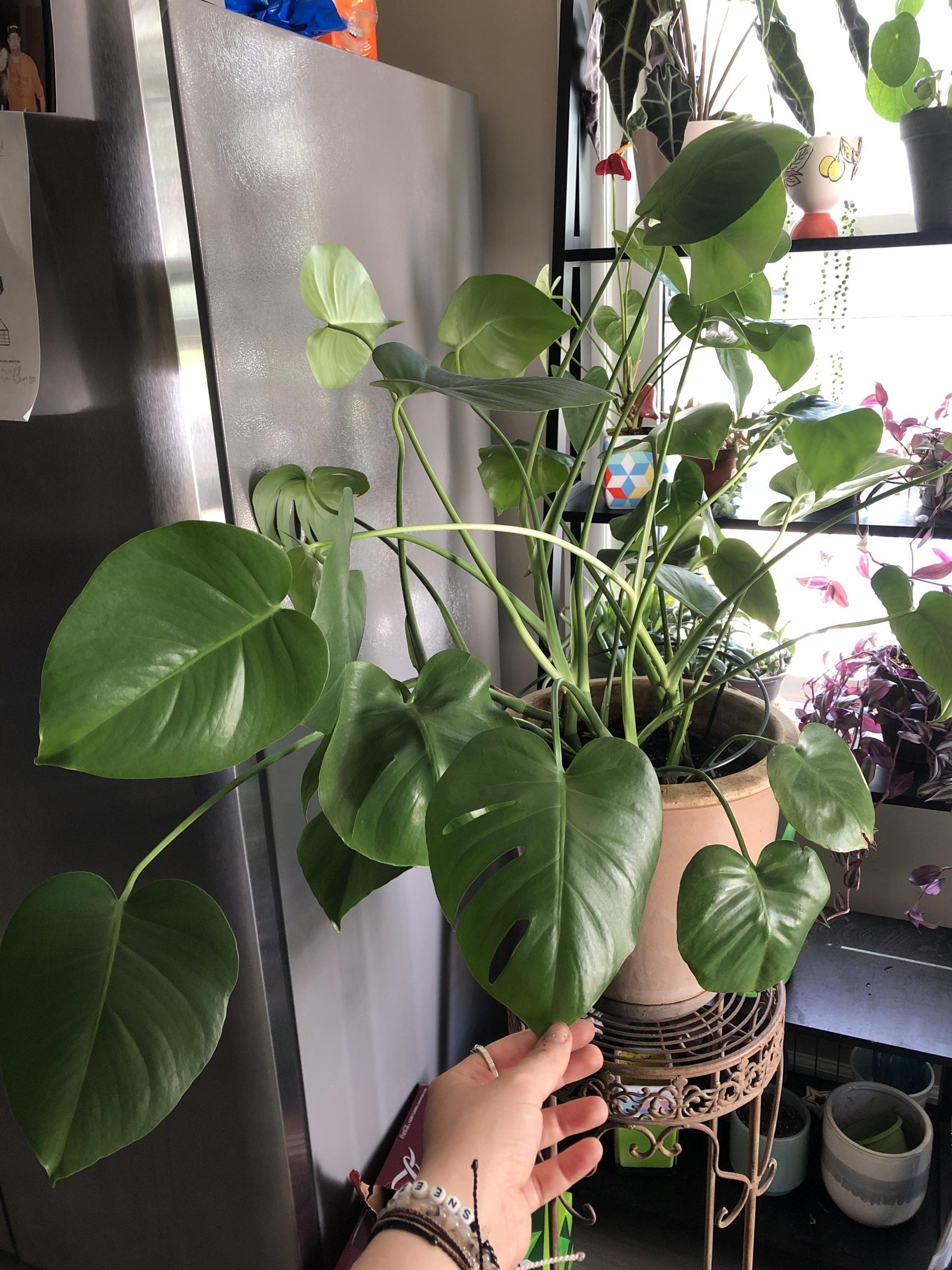
Your Monstera isn’t splitting because it lacks the right conditions. These plants need specific care to thrive and develop those iconic split leaves.
Monstera plants, often called Swiss Cheese Plants, are loved for their unique, split leaves. These splits, known as fenestrations, add to their charm and appeal. But sometimes, your Monstera might not develop these splits, leaving you puzzled. The reasons can range from lighting issues to improper watering.
Understanding what your Monstera needs is key to helping it grow those beautiful, split leaves. In this guide, we’ll explore the common reasons behind this problem and how you can fix it. Let’s help your Monstera flourish and achieve its full potential.

Lack Of Light
Is your Monstera not splitting? One common reason could be a lack of light. Monstera plants need proper light to grow those beautiful splits and holes in their leaves. Let’s explore how light affects your Monstera’s growth and what you can do to improve it.
Ideal Light Conditions
Monstera plants thrive in bright, indirect light. Direct sunlight can burn their leaves. Aim for a spot where your plant receives filtered light. Placing it near an east-facing window usually works well.
Here are some ideal light conditions:
- Bright, indirect light for at least 6 hours a day.
- Avoid direct sunlight to prevent leaf burn.
- North or east-facing windows are optimal.
Improving Light Exposure
If your Monstera is not getting enough light, you can take steps to improve its exposure:
- Move your plant: Place it closer to a window. Ensure it gets more indirect light.
- Use sheer curtains: These can diffuse direct sunlight, providing the right amount of light.
- Supplement with grow lights: If natural light is limited, use grow lights. Position them a few feet above the plant.
Adjusting light exposure can help your Monstera develop those desired splits and thrive.
Inadequate Watering
Is your Monstera not splitting? Inadequate watering could be the culprit. Watering plays a crucial role in plant health. Too much or too little can hinder leaf development. Let’s dive into proper watering techniques to help your Monstera thrive.
Proper Watering Techniques
Water your Monstera when the top inch of soil feels dry. Check soil moisture with your finger. Ensure water drains well to avoid root rot. Use a pot with drainage holes. Water until it flows out the bottom. Discard excess water from the saucer.
Signs Of Overwatering And Underwatering
Overwatering and underwatering show different signs. Overwatered Monsteras have yellowing leaves. The soil remains soggy. You might notice mold or fungus. Underwatered Monsteras have brown, crispy edges. The soil feels dry and pulls away from the pot.
Adjust your watering schedule based on these signs. It will help your Monstera grow healthy splits.
Nutrient Deficiency
Nutrient deficiency can stop your Monstera from splitting. These plants need proper nutrients to thrive. Without them, the leaves stay small and do not develop the iconic splits.
Essential Nutrients For Monstera
Monsteras need three main nutrients: nitrogen, phosphorus, and potassium. These are often called NPK. Each plays a key role in leaf development and overall health.
Nitrogen helps with leaf growth. It makes leaves green and lush. Phosphorus supports root and flower growth. Potassium helps with overall plant health. It strengthens the plant and improves water intake.
Best Fertilizers To Use
Use a balanced fertilizer for your Monstera. A 20-20-20 fertilizer works well. This means equal parts nitrogen, phosphorus, and potassium.
Organic options are also great. Compost or worm castings add nutrients and improve soil health. Liquid fertilizers can be added to water for easy application.
Check the plant’s needs before adding fertilizer. Too much can harm the plant. Follow the instructions on the package for best results.
Improper Humidity Levels
Many plant parents ask, “Why is my Monstera not splitting?” One common reason is improper humidity levels. Monstera plants, native to tropical rainforests, thrive in humid environments. Without the right humidity, their leaves might not develop those iconic splits and holes. Let’s delve into the details.
Optimal Humidity For Monstera
Monstera plants prefer humidity levels between 60% to 80%. In their natural habitat, they experience consistent moisture in the air. This environment helps their leaves grow large and develop splits.
If the air in your home is too dry, your Monstera may struggle. Dry conditions can cause the leaves to remain whole, without splitting. Investing in a hygrometer can help you monitor the humidity levels in your home.
Ways To Increase Humidity
If you find your home’s humidity levels are too low, there are several ways to increase it for your Monstera.
| Method | Description |
|---|---|
| Use a Humidifier | A humidifier adds moisture to the air, providing a controlled environment. |
| Mist the Leaves | Misting your Monstera daily can help mimic its natural habitat. |
| Group Plants Together | Plants release moisture into the air. Grouping them can create a humid microclimate. |
| Place on a Pebble Tray | Fill a tray with water and pebbles. Place the plant pot on top, ensuring the pot bottom is above water level. |
By ensuring optimal humidity levels, you can help your Monstera develop those beautiful, split leaves. Happy growing!
Incorrect Soil Type
Your Monstera plant may not be splitting due to incorrect soil type. The wrong soil can prevent the plant from thriving. Soil that doesn’t drain well can cause root rot. This stops the plant from growing healthily. Let’s dive into the proper soil mix for your Monstera and how to improve soil quality.
Preferred Soil Mix
Monsteras need a soil mix that mimics their natural habitat. The ideal soil should be well-draining and aerated. Use a mix of these components:
- 1 part potting soil
- 1 part perlite
- 1 part orchid bark
This mix ensures the roots get enough air and water. It also prevents the soil from becoming waterlogged. This helps the Monstera grow strong and encourages leaf splitting.
Improving Soil Quality
If your Monstera’s soil is not ideal, you can improve it. Here are steps to enhance the soil quality:
- Check the current soil’s drainage. Water should not sit on top.
- Add perlite or sand to increase drainage.
- Mix in some orchid bark to improve aeration.
- Ensure the pot has drainage holes.
By following these steps, you can create a better environment for your Monstera. Improved soil quality will help your plant thrive and encourage its leaves to split.
Pot Size Issues
Pot size can significantly impact your Monstera’s ability to thrive. A pot that is too small restricts root growth. This limitation can lead to a lack of leaf splitting. Conversely, a pot that is too large can cause water retention issues. This can result in root rot and other health problems for your plant.
Choosing The Right Pot
Choosing the right pot size is crucial for a healthy Monstera. The pot should be about two inches larger than the root ball. This allows adequate space for roots to grow without overwhelming the plant. Drainage holes are essential. They prevent water from sitting at the bottom and causing root rot.
Repotting Tips
Repot your Monstera every two years to ensure healthy growth. Gently remove the plant from its current pot. Loosen the roots to encourage new growth. Place the Monstera in its new pot, filling in with fresh soil. Water thoroughly after repotting to help the plant settle. Keep an eye on the plant’s reaction. Some initial stress is normal, but prolonged issues may need attention.
Pest And Disease Problems
Your Monstera plant can suffer if pests or diseases attack it. These problems can hinder its growth. They can also prevent the leaves from splitting. Identifying and treating these issues is vital for your plant’s health.
Common Pests And Diseases
Spider mites are tiny and hard to spot. They cause yellow spots on leaves. Mealybugs leave white, cotton-like residue. Scale insects attach to stems and leaves. They suck the plant’s sap. Aphids cluster on the undersides of leaves. They cause leaf curling and distortion.
Fungal infections can also affect your Monstera. Root rot is a common issue. It occurs due to overwatering. Leaf spot diseases cause brown or black spots on leaves. Bacterial infections can cause wilting and yellowing.
Effective Treatment Methods
For spider mites, use insecticidal soap. Spray it on the affected areas. Repeat weekly until the pests are gone. Remove mealybugs with a cotton swab dipped in alcohol. Treat scale insects with neem oil. Spray it directly on the pests. Control aphids by spraying a water-jet on the leaves. This dislodges them.
To prevent root rot, water your Monstera correctly. Allow the soil to dry out between watering. Treat leaf spot diseases with a copper fungicide. Ensure good air circulation around your plant. Remove and destroy infected leaves. For bacterial infections, cut off affected parts. Use sterilized tools to avoid spreading the disease.
Regular inspection helps catch problems early. This ensures your Monstera stays healthy and its leaves split beautifully.


Frequently Asked Questions
Why Are My Monstera Leaves Not Splitting?
Monstera leaves may not split due to low light. Ensure your plant gets bright, indirect sunlight. Insufficient light can hinder leaf development.
How Often Should I Water My Monstera?
Water your Monstera when the top inch of soil is dry. Overwatering or underwatering can affect leaf health and splitting.
Does Humidity Affect Monstera Leaf Splitting?
Yes, humidity affects Monstera leaf splitting. High humidity levels promote healthier and well-split leaves. Aim for 60% humidity or higher.
Can Fertilizer Help Monstera Leaves Split?
Yes, fertilizer can help. Use a balanced, water-soluble fertilizer every month during growing season to support leaf development.
Conclusion
Healthy Monsteras split with proper care. Light, water, and humidity are key. Check your plant’s environment. Adjust as needed. Patience is essential. Changes take time. Keep observing and nurturing. Soon, you’ll see those beautiful splits. Happy gardening!
Leave a Reply