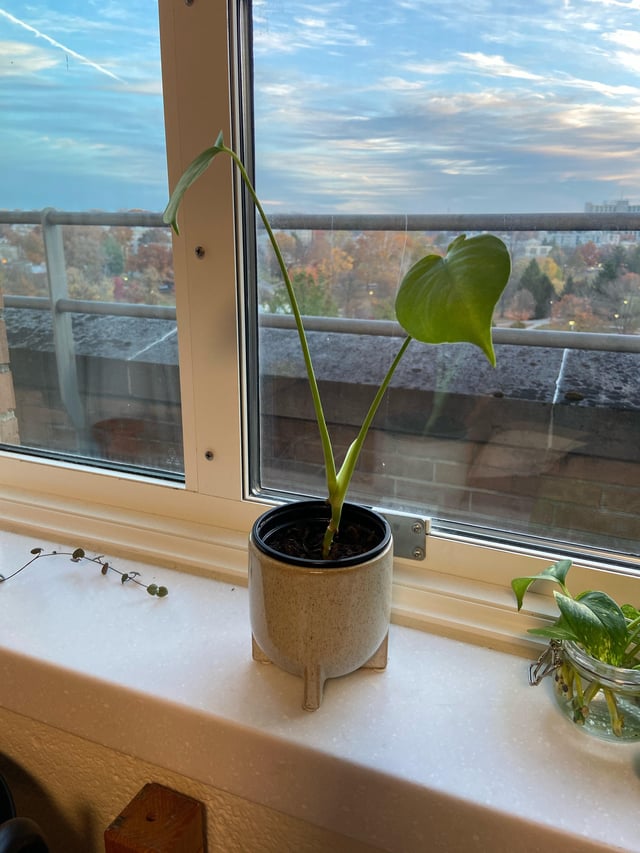
A Monstera plant not rooting can be frustrating. You might wonder why this is happening.
Monstera plants are popular for their beautiful leaves and ease of care. Yet, sometimes, they refuse to root. This issue can be worrying, especially for new plant parents. Several factors can affect rooting. These include water quality, soil type, or even the plant’s health.
Understanding these factors can help you fix the problem. In this post, we’ll explore the common reasons your Monstera might not be rooting. We will also provide solutions to help your plant thrive. Let’s dive in and get your Monstera back on track!
Common Causes
Is your Monstera not rooting? This is a common issue for many plant enthusiasts. Understanding the common causes can help you address the problem. Below are some of the most frequent reasons why your Monstera might be struggling to root.
Lack Of Moisture
Moisture is crucial for rooting Monstera cuttings. Without enough water, the roots will not develop properly. Here are a few signs that your cutting may lack moisture:
- Dry soil
- Wilted leaves
- Stunted growth
To fix this, ensure the soil is consistently moist. Not soaked, just damp. Using a spray bottle can help maintain moisture levels without overwatering.
Improper Soil
The type of soil you use can affect your Monstera’s ability to root. Monstera prefers well-draining soil that retains some moisture. Here’s what to look for in your soil mix:
- Good drainage
- Rich in organic matter
- Light and airy texture
If your soil is too dense, it can suffocate the roots. Consider using a mixture of peat moss, perlite, and pine bark. This combination provides the right balance of aeration and moisture retention.
Temperature And Humidity
Monstera cuttings thrive in warm, humid environments. Low temperatures and dry air can hinder root development. Aim to keep the temperature between 70-75°F (21-24°C). Humidity levels should be around 60-70%.
Using a humidity tray or a humidifier can help maintain the ideal conditions. Also, placing the cutting in a bright, indirect light spot will support root growth.
Contamination
Contaminated tools or containers can introduce harmful pathogens. These can prevent the cutting from rooting. Always use clean, sterilized tools when taking cuttings. Ensure that containers and soil are free from pests and diseases.
Using a mild bleach solution to sterilize tools can help. Rinsing containers with hot water and soap can also prevent contamination.
Insufficient Light
Light is essential for photosynthesis, which supports root growth. A lack of sufficient light can hinder this process. Place your Monstera cutting in a spot with bright, indirect light.
Avoid direct sunlight, as it can scorch the leaves. If natural light is limited, using a grow light can provide the necessary light levels.

Ideal Conditions
Creating the ideal conditions is crucial for your Monstera to root successfully. Ensuring the right environment will help your plant thrive and grow strong roots. Let’s explore the specific requirements your Monstera needs to root effectively.
Temperature Requirements
Your Monstera prefers a warm environment. The ideal temperature range is between 65°F to 80°F (18°C to 27°C). Avoid placing your plant near cold drafts or hot air vents. Extreme temperatures can stress the plant, hindering its rooting process.
Humidity Levels
Monsteras thrive in high humidity. Aim for a humidity level of 60% to 80%. Low humidity can cause the leaves to dry out and slow down rooting. You can increase humidity by:
- Using a humidifier
- Grouping plants together
- Placing a tray of water near the plant
Consistent moisture is key. Ensure the soil is slightly moist but not waterlogged.
Watering Techniques
Watering techniques are crucial for helping your Monstera develop roots. Proper watering ensures the plant gets the right amount of moisture. This helps promote healthy root growth. Let’s look at the key aspects of watering techniques.
Frequency Of Watering
Water your Monstera once a week. Overwatering can lead to root rot. Make sure the soil is dry before watering again. Use your finger to check the moisture level. If the top inch of soil is dry, it’s time to water. During winter, water less often. The plant needs less water in colder months.
Water Quality
Water quality affects root development. Use filtered or distilled water for best results. Tap water often contains chlorine and fluoride. These chemicals can harm your Monstera. Let tap water sit overnight before using. This allows chemicals to dissipate. Avoid using water that is too cold or too hot. Room temperature water is ideal.
Soil And Potting Mix
One common reason your Monstera might not be rooting is the soil and potting mix. Using the right soil and potting mix is crucial for the health of your Monstera. Let’s dive into the specifics to help you achieve the best results.
Choosing The Right Soil
Choosing the right soil is essential for your Monstera’s rooting success. Monsteras need a soil that drains well. They dislike sitting in water. A good option is a mix that retains moisture but still allows airflow.
Avoid heavy, clay-based soils. These can lead to root rot. Monsteras thrive in light, airy soil. This helps prevent waterlogging and promotes healthy root growth.
Potting Mix Ingredients
Creating a proper potting mix requires some key ingredients. Here are the primary components for a Monstera-friendly mix:
- Peat Moss: Retains moisture while allowing for good drainage.
- Perlite: Enhances drainage and aeration. Prevents soil compaction.
- Bark Chips: Adds bulk and structure. Mimics the natural habitat of Monsteras.
- Coco Coir: Sustainable alternative to peat. Keeps soil light and airy.
Mix these ingredients in equal parts. This combination creates a well-draining, airy medium. Perfect for rooting your Monstera.
Avoid using plain garden soil. It is too dense for Monsteras and can lead to poor root development.
| Ingredient | Purpose |
|---|---|
| Peat Moss | Moisture retention, drainage |
| Perlite | Aeration, prevents compaction |
| Bark Chips | Structure, mimics habitat |
| Coco Coir | Light, airy, sustainable |
Following these guidelines ensures your Monstera has the best chance to root. Good soil and potting mix are the foundation for healthy growth.
Propagation Methods
Propagation is a great way to expand your collection of Monstera plants. However, it can be frustrating when your Monstera cuttings are not rooting. Understanding the different propagation methods can help you choose the right one for your plant. Below, we will discuss two popular methods: water propagation and soil propagation.
Water Propagation
Water propagation is a simple and effective method. Here’s how you can do it:
- Cut a healthy stem below a node.
- Place the cutting in a glass of clean water.
- Ensure the node is submerged.
- Change the water every few days.
- Place the glass in a bright, indirect light spot.
After a few weeks, you should see roots forming. If not, check for the following issues:
- Water quality: Use filtered or distilled water.
- Light: Ensure the cutting gets enough light but not direct sunlight.
- Temperature: Keep the room warm, ideally between 65-75°F.
Soil Propagation
Soil propagation can be a bit trickier but is still very effective. Follow these steps:
- Cut a healthy stem just below a node.
- Dip the cut end in rooting hormone powder.
- Plant the cutting in a pot with well-draining soil.
- Water the soil lightly.
- Place the pot in a warm, bright area but out of direct sunlight.
Roots should start developing within a few weeks. If not, consider these factors:
- Soil: Ensure the soil is well-draining and not too compact.
- Watering: Keep the soil moist but not soggy.
- Humidity: Increase humidity around the plant if needed.
By understanding these propagation methods, you can better address why your Monstera might not be rooting. Choose the method that works best for you and your plant’s environment.
Using Rooting Hormones
Using rooting hormones can help your Monstera develop roots faster. These hormones stimulate root growth and increase the chances of successful rooting. Let’s explore the types of hormones and the application techniques.
Types Of Hormones
There are different types of rooting hormones available. Each has its own benefits.
- Auxins: These are the most common hormones. They promote root growth in cuttings. Indole-3-butyric acid (IBA) and naphthaleneacetic acid (NAA) are popular auxins.
- Cytokinins: These hormones help in cell division. They are less common for rooting but can be combined with auxins.
Application Techniques
Applying rooting hormones correctly is crucial for success. Here are some techniques:
- Powder Form: Dip the cutting end into water. Then, dip it into the rooting hormone powder. Shake off excess powder before planting.
- Gel Form: Dip the cutting end directly into the rooting hormone gel. Ensure an even coating.
- Liquid Form: Mix the liquid hormone with water as per the instructions. Soak the cutting end in the solution for a few minutes before planting.
Light Requirements
Understanding the light requirements for your Monstera plant is vital. Light plays a crucial role in the rooting process. Both natural light and artificial light can affect how well your Monstera roots. Let’s explore these in more detail.
Natural Light
Monstera plants thrive in bright, indirect sunlight. Direct sunlight can scorch the leaves. Place your plant near a north or east-facing window for the best results. Too little light can hinder root growth. If the plant seems to stretch toward the light, it might need a better spot.
| Light Condition | Effect on Monstera |
|---|---|
| Bright, Indirect Light | Healthy growth and rooting |
| Direct Sunlight | Leaf scorch and damage |
| Low Light | Slow growth and poor rooting |
Artificial Light
If natural light is insufficient, artificial light can help. Use full-spectrum grow lights to mimic natural sunlight. Place the light source 12-18 inches above the plant. Ensure the light is on for about 12-14 hours daily.
- Use full-spectrum LED or fluorescent lights.
- Keep lights 12-18 inches above the plant.
- Provide 12-14 hours of light daily.
Proper lighting conditions will encourage your Monstera to develop strong roots. Adjust the light exposure as needed to ensure optimal growth.
Troubleshooting Tips
Is your Monstera not rooting? It can be frustrating. Understanding the reasons is crucial. Let’s explore some troubleshooting tips to help your Monstera thrive.
Identifying Diseases
Diseases can hinder your Monstera’s rooting process. Check the roots and stems. Look for signs of rot, discoloration, or a foul odor. These are common indicators of disease. Root rot is a frequent issue. It occurs due to overwatering or poor drainage. Ensure your Monstera is planted in a well-draining soil mix. Also, avoid overwatering.
Another common disease is leaf spot. This is caused by fungal or bacterial infections. Look for brown or black spots on the leaves. Remove affected leaves immediately. Treat the plant with a fungicide or bactericide.
Use a table to summarize common diseases and their symptoms:
| Disease | Symptoms | Solution |
|---|---|---|
| Root Rot | Discolored, mushy roots, foul odor | Ensure good drainage, avoid overwatering |
| Leaf Spot | Brown/black spots on leaves | Remove affected leaves, apply fungicide |
Pest Control
Pests can also prevent your Monstera from rooting. Common pests include spider mites, mealybugs, and aphids. Inspect the plant regularly. Look for small insects or webbing on the leaves and stems.
Here are some steps to manage pests:
- Isolate the affected plant to prevent spread.
- Use a mild insecticidal soap to treat the plant.
- Wipe the leaves with a damp cloth to remove insects.
- Introduce natural predators like ladybugs in your garden.
Regularly clean and inspect your Monstera. Early detection of pests is key. This helps in maintaining the health of your plant.
By identifying diseases and controlling pests, you can help your Monstera root successfully. Stay vigilant and provide the best care for your plant.
Frequently Asked Questions
Why Is My Monstera Not Rooting In Water?
Monstera may not root in water due to poor water quality, lack of light, or improper temperature. Ensure clean water, bright indirect light, and temperatures between 65-75°F.
How Long Does Monstera Take To Root?
Monstera typically takes 2-4 weeks to root. This depends on conditions like light, temperature, and water quality. Be patient and ensure optimal conditions.
Can I Use Rooting Hormone For Monstera?
Yes, you can use rooting hormone to encourage Monstera root growth. Apply it to the cut end before placing the cutting in water or soil.
What Type Of Soil Is Best For Monstera Cuttings?
A well-draining soil mix is best for Monstera cuttings. Use a mix of peat, perlite, and pine bark to ensure proper aeration and drainage.
Conclusion
A healthy Monstera plant can root successfully with the right care. Ensure proper light, water, and temperature. Check for pests and diseases regularly. Use clean, sharp tools for cuttings. Patience is key; some plants take longer to root. Keep monitoring and adjust as needed.
With these tips, your Monstera should root and thrive. Happy gardening!
Leave a Reply