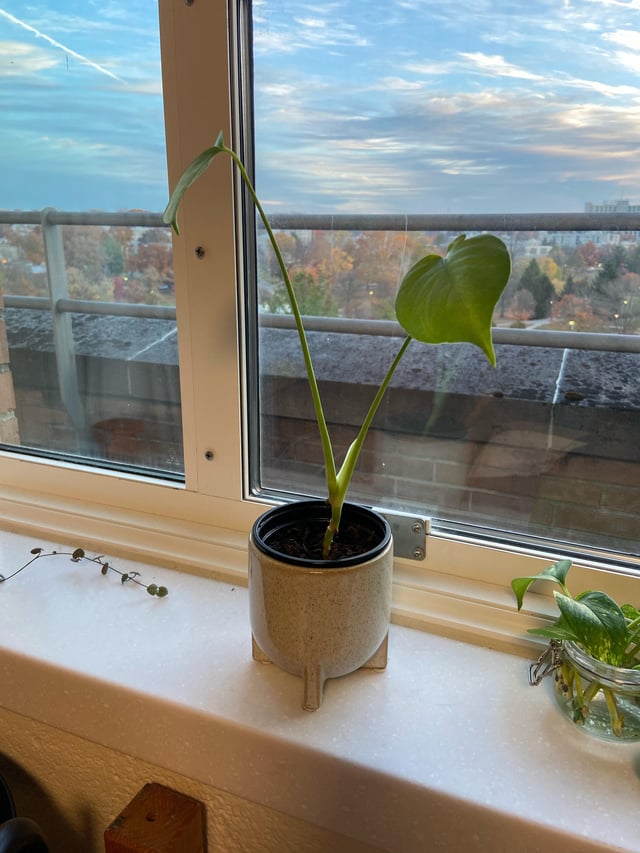
A Monstera plant not producing leaves can be frustrating. The issue often has simple solutions.
Monsteras are popular for their large, beautiful leaves. When they stop producing new leaves, it can be a sign of stress or improper care. This blog will explore the common reasons behind this issue. We will discuss factors like light, water, and nutrients.
Understanding these elements can help your Monstera thrive again. Let’s dive into how to identify and solve the problem. Your Monstera can get back to producing lush, green leaves with a few adjustments.
Common Causes
Common causes can prevent your Monstera from producing new leaves. These causes often relate to the plant’s environment and care routine. Understanding these factors can help you address the problem effectively.
Lack Of Light
Monstera plants need bright, indirect light to thrive. If your plant is in a dark corner, it may not produce new leaves. Place it near a window where it can get plenty of light. Avoid direct sunlight as it can scorch the leaves. A well-lit room is perfect for your Monstera.
Improper Watering
Watering is crucial for Monstera growth. Too much water can lead to root rot, while too little can dry out the plant. Always check the soil before watering. It should be moist but not soggy. Water your Monstera when the top inch of soil feels dry. Use a pot with drainage holes to prevent water from sitting at the bottom.

Light Requirements
Light is crucial for a Monstera to grow healthy leaves. Without the right light, your Monstera might struggle to produce new foliage. Understanding the light needs of your plant can help it thrive.
Ideal Light Conditions
Monsteras prefer bright, indirect light. Direct sunlight can scorch their leaves, while too little light can hinder their growth. Place your Monstera near a window with filtered light.
East or west-facing windows are ideal. If the light is too harsh, use sheer curtains to diffuse it. This will provide the perfect environment for your Monstera to grow new leaves.
Signs Of Too Much Light
If your Monstera gets too much light, its leaves may turn yellow. Brown, crispy edges can also indicate excessive light exposure. Move your plant to a spot with less direct sun.
Remember, balance is key. Your Monstera needs enough light to thrive but not so much that it gets damaged. Adjusting the light conditions can help your Monstera produce beautiful, healthy leaves.
Watering Needs
Watering is crucial for a healthy Monstera plant. Without proper watering, Monsteras struggle to produce new leaves. Understanding the watering needs helps ensure your Monstera thrives.
Correct Watering Schedule
Monsteras need a consistent watering schedule. Water them once the top inch of soil feels dry. This usually means watering once a week. Adjust your schedule based on the season and your home’s humidity levels.
In summer, Monsteras may need more frequent watering. In winter, they might need less. Always check the soil before watering to avoid mistakes.
Symptoms Of Overwatering
Overwatering can prevent a Monstera from producing new leaves. Look for yellowing leaves as a sign of overwatering. Another sign is drooping leaves, even when the soil is moist. Root rot is a severe issue caused by overwatering.
Check the roots if you suspect overwatering. Healthy roots are white and firm. Root rot makes them brown and mushy. Adjust your watering habits to save the plant.
Soil And Potting
Soil and potting play a crucial role in the health of your Monstera. The right soil type and pot can make a big difference. Poor soil and an unsuitable pot can hinder leaf growth. Let’s explore the best soil types and how to choose the right pot for your Monstera.
Best Soil Types
Monsteras thrive in well-draining soil. They need soil that retains moisture but does not stay soggy. A mix of peat moss, perlite, and pine bark works well. This combination ensures proper drainage and aeration. Avoid using heavy garden soil. It can compact and suffocate the roots.
Choosing The Right Pot
The pot you choose must have drainage holes. These holes prevent water from stagnating at the bottom. A pot that is too small can restrict root growth. This can lead to fewer leaves. Choose a pot that is slightly larger than the root ball. This allows room for growth. Terracotta pots are a good option. They allow the soil to breathe and dry out between waterings.
Nutrient Deficiencies
Is your Monstera not producing leaves? Nutrient deficiencies might be the culprit. Plants need certain nutrients to thrive. Without these, growth can be stunted.
Essential Nutrients
Monstera plants need essential nutrients. Key nutrients include nitrogen, phosphorus, and potassium. Nitrogen helps with leaf growth. Phosphorus supports root development. Potassium strengthens overall plant health.
Identifying Deficiency Symptoms
Nutrient deficiencies show specific symptoms. Yellowing leaves often point to a nitrogen deficiency. A lack of phosphorus may cause dark, discolored leaves. Curling or browning edges can indicate potassium deficiency.
Look for these signs. They can help you diagnose nutrient problems. Addressing these deficiencies can help your Monstera produce healthy leaves again. Proper care and balanced fertilization are key.
Pest And Disease Control
Your Monstera might struggle to produce new leaves due to pests and diseases. These unwanted intruders can hinder its growth and overall health. Knowing how to identify and manage them is crucial for your plant’s well-being.
Common Pests
Monstera plants are susceptible to several common pests. Spider mites, mealybugs, and scale insects are the usual culprits. These pests feed on your plant’s sap, weakening it over time. Check the undersides of the leaves for tiny webs or white fluff. If you spot any, act quickly.
Use insecticidal soap or neem oil to treat infestations. Clean the leaves gently to remove any visible pests. Regularly inspect your Monstera to catch issues early. This helps keep your plant healthy and thriving.
Disease Prevention
Diseases can also affect your Monstera’s ability to produce new leaves. Fungal infections and root rot are common problems. These issues usually arise from overwatering or poor drainage. Ensure your Monstera’s soil dries out between waterings. This prevents fungal growth.
If you notice yellowing leaves or a foul smell from the soil, check the roots. Healthy roots are firm and white. Remove any mushy or discolored roots. Repot the plant in fresh, well-draining soil. Using a pot with drainage holes is essential. This helps excess water escape, reducing the risk of disease.
Pruning Techniques
Pruning your Monstera is essential for its health and growth. It encourages the plant to produce new leaves. Proper pruning can help your Monstera thrive.
When To Prune
Knowing the right time to prune is crucial. The best time to prune is during the growing season. This is usually in spring and summer. Your Monstera is more active and can heal faster during these months.
Avoid pruning in the winter. The plant’s growth slows down. Pruning during this time can stress the plant.
How To Prune Effectively
Effective pruning requires the right tools and techniques. Use clean, sharp scissors or pruning shears. Dirty tools can introduce diseases to your plant.
Follow these steps for effective pruning:
- Identify the stems and leaves that need trimming.
- Cut just above a leaf node. This encourages new growth.
- Remove dead or yellow leaves first.
- Trim any stems that are too long or leggy.
Be careful not to over-prune. Your Monstera needs leaves for photosynthesis. Removing too many leaves can slow its growth.
| Pruning Tips | Details |
|---|---|
| Best Time to Prune | Spring and Summer |
| Tools Needed | Clean, sharp scissors or pruning shears |
| Target Areas | Dead, yellow leaves and leggy stems |
Pruning can seem daunting. But with the right techniques, your Monstera will flourish. Happy pruning!
Environmental Factors
Monstera plants are popular for their large, stunning leaves. If your Monstera is not producing leaves, environmental factors might be the cause. Two key elements to consider are temperature requirements and humidity levels.
Temperature Requirements
Monstera plants thrive in warm environments. The ideal temperature range is between 65°F to 85°F. If the temperature drops below 60°F, the plant’s growth can slow down. Extreme temperature fluctuations can stress the plant, leading to fewer leaves.
| Temperature | Effect on Monstera |
|---|---|
| Below 60°F | Growth slows down |
| 65°F – 85°F | Optimal growth |
| Above 85°F | Possible stress |
Humidity Levels
Humidity is crucial for Monstera plants. They prefer high humidity levels, around 60% to 80%. Low humidity can cause the leaves to dry out and stop growing. To increase humidity, you can:
- Use a humidifier
- Mist the leaves regularly
- Place a water tray near the plant
Monitoring and adjusting these environmental factors can help your Monstera produce more leaves. Ensuring the plant has the right temperature and humidity will promote healthy growth and leaf production.
Expert Tips
Struggling to get your Monstera to produce new leaves? Several factors can impact the growth of your plant. By following these expert tips, you can ensure your Monstera thrives and produces those lush, beautiful leaves you desire.
Consistent Care
Consistency is key. Water your Monstera regularly but do not overwater. Ensure the soil is moist, not soggy. Use a well-draining potting mix. Place your Monstera in a location with bright, indirect light. Direct sunlight can burn the leaves. Maintain a stable room temperature. Avoid drastic temperature changes.
Monitoring Plant Health
Check your Monstera regularly for pests. Common pests include spider mites and scale. Remove pests promptly to prevent damage. Look for signs of disease. Yellow leaves can indicate overwatering or lack of nutrients. Adjust your care routine accordingly.
Prune your Monstera to encourage new growth. Remove dead or damaged leaves. This helps the plant focus its energy on producing new leaves. Fertilize your Monstera during the growing season. Use a balanced, water-soluble fertilizer. Follow the instructions on the package.


Frequently Asked Questions
Why Is My Monstera Not Growing New Leaves?
Monstera may not grow new leaves due to inadequate light, water, or nutrients. Ensure it gets indirect sunlight, regular watering, and balanced fertilizer.
How Can I Encourage My Monstera To Produce Leaves?
To encourage leaf growth, provide bright, indirect light, maintain consistent humidity, and use well-draining soil. Regularly mist and fertilize monthly.
Does Monstera Need Direct Sunlight?
Monstera prefers bright, indirect sunlight. Direct sunlight can scorch its leaves. Place it near a window with filtered light.
What Soil Is Best For Monstera?
Monstera thrives in well-draining soil. A mix of potting soil, perlite, and orchid bark is ideal. This combination ensures proper drainage and root health.
Conclusion
Caring for your Monstera is essential to encourage leaf growth. Ensure it has enough light, water, and nutrients. Check for pests regularly. Monitor the humidity levels. Repot if the roots are crowded. Patience and proper care will reward you. Your Monstera will thrive with these tips.
Enjoy watching your plant grow healthy new leaves. Keep learning and adjusting care routines. Your efforts will pay off. Happy gardening!
Leave a Reply