
Monstera plants are popular for their lush, green leaves. But what happens when those leaves turn brown?
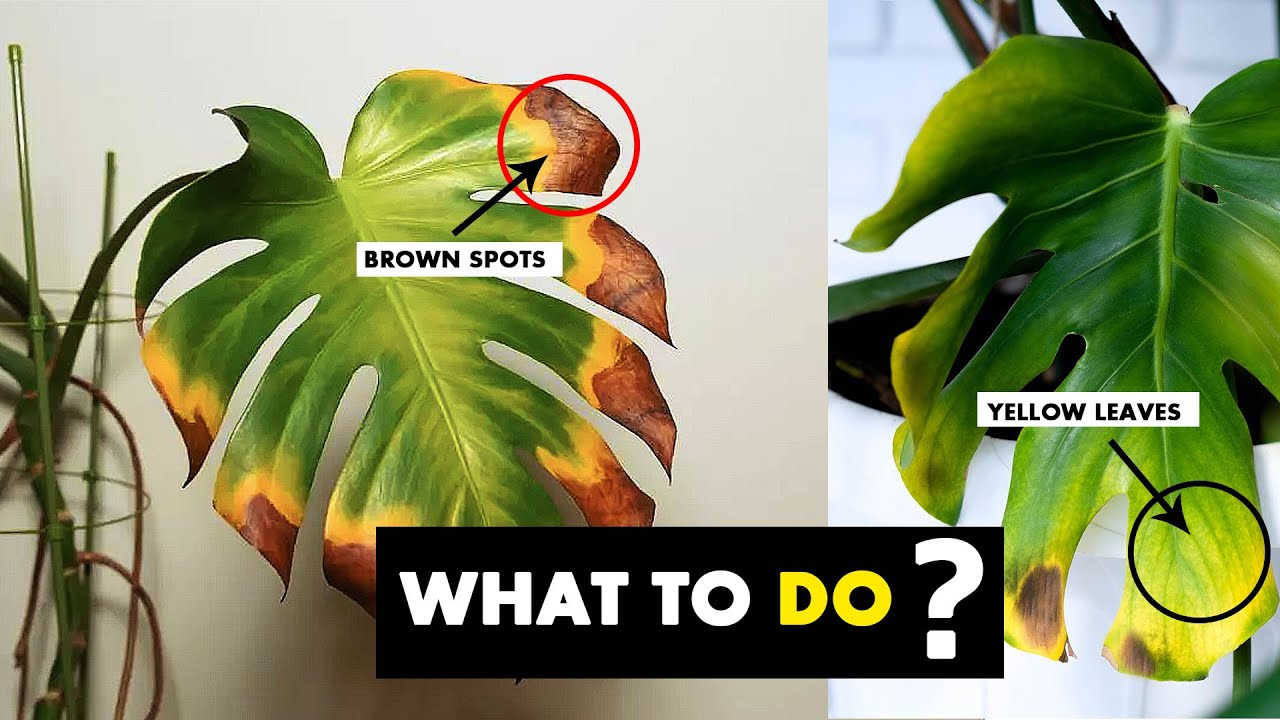
Monstera turning brown can be worrying for plant lovers. Brown leaves indicate that something is wrong with your plant. It might be a sign of improper care or environmental stress. Understanding the cause is crucial to saving your Monstera. This guide will help you identify the reasons behind those unsightly brown spots.
By recognizing the problem early, you can take steps to restore your plant’s health. So, let’s dive in and explore why your Monstera may be turning brown and how you can fix it.
Common Causes Of Browning
Monstera plants are popular for their unique, split leaves. But sometimes, these beautiful plants can develop brown spots or edges. Understanding why your Monstera is turning brown can help you take steps to restore its health. Below are some common causes of browning in Monstera plants.
Overwatering
Overwatering is a common mistake many plant owners make. Monstera plants need soil that drains well. If the soil stays too wet, the roots can rot. This can cause the leaves to turn brown.
Signs of overwatering:
- Yellowing leaves
- Soft, mushy roots
- Foul smell from the soil
To prevent overwatering, check the soil before watering. Let the top inch of the soil dry out first.
Underwatering
On the other hand, underwatering can also cause browning. Monstera plants need regular watering to stay healthy. If they do not get enough water, the leaves can dry out.
Signs of underwatering:
- Crisp, dry leaves
- Soil pulling away from the pot edges
- Wilting plant
Water your Monstera when the top inch of soil is dry. This keeps the plant hydrated without overwatering.
Excessive Sunlight
Monstera plants thrive in bright, indirect light. Too much direct sunlight can scorch the leaves. This can cause brown spots or edges.
Signs of excessive sunlight:
- Brown, dry patches on leaves
- Leaf curling
- Fading leaf color
Place your Monstera in a spot where it gets bright but indirect light. Avoid placing it in direct sunlight for long periods.
Watering Issues
Are you noticing brown spots on your Monstera leaves? Often, the culprit is watering issues. Proper watering is crucial for the health of your plant. Both overwatering and underwatering can lead to browning leaves. Let’s dive into the specifics of watering issues.
Proper Watering Techniques
Proper watering techniques can prevent your Monstera from turning brown. Water your plant when the top inch of soil feels dry. Use a watering can to distribute water evenly. Ensure the pot has drainage holes to avoid waterlogging. Consistent watering helps maintain healthy leaves.
Signs Of Overwatering
Overwatering is a common problem for Monsteras. Signs of overwatering include:
- Yellowing leaves
- Soft, mushy stems
- Moldy soil
- Root rot
If you notice these signs, reduce the watering frequency. Allow the soil to dry out before watering again. Consider repotting in fresh soil if root rot is severe.
Signs Of Underwatering
Underwatering can also cause brown spots on Monstera leaves. Signs of underwatering include:
- Dry, crispy leaves
- Wilting or drooping leaves
- Soil pulling away from the pot edges
- Slow growth
If you see these signs, increase your watering frequency. Ensure the soil remains slightly moist but not waterlogged. Adjust your watering routine according to the season. Monsteras need more water in summer and less in winter.
Sunlight And Temperature
Understanding the right sunlight and temperature for your Monstera is essential. These factors can significantly impact your plant’s health. Many times, brown spots on Monstera leaves are due to improper light and temperature conditions.
Ideal Light Conditions
Monstera plants thrive in bright, indirect light. Direct sunlight can be harmful to them. Place your Monstera near a window with filtered light. East or west-facing windows are ideal. Avoid placing them in low-light areas, as this can stunt their growth.
Effects Of Direct Sunlight
Direct sunlight can cause leaf burn. This results in brown spots on the leaves. If your Monstera is near a window with harsh sunlight, use a sheer curtain. This will help diffuse the light. Ensure that no direct sunlight hits the leaves for extended periods.
Temperature Sensitivity
Monstera plants prefer temperatures between 65°F and 85°F (18°C to 29°C). Extreme temperatures can stress the plant. Cold drafts and sudden temperature drops can cause brown spots. Keep your plant away from air conditioners and heaters.
| Condition | Ideal Range |
|---|---|
| Light | Bright, indirect |
| Temperature | 65°F – 85°F (18°C – 29°C) |
Monitor the environment around your Monstera. Adjust light and temperature as needed to maintain its health.

Humidity Levels
Monstera plants thrive in tropical environments. Therefore, maintaining proper humidity levels is essential. If the air around your Monstera is too dry, its leaves may turn brown. Let’s explore some effective ways to manage humidity levels.
Maintaining Proper Humidity
To keep your Monstera healthy, aim for a humidity level of 60-70%. You can measure humidity using a hygrometer. If the air is dry, you can increase humidity with simple methods.
- Mist the leaves regularly using a spray bottle.
- Place a tray of water near the plant.
- Use a pebble tray to create a humid micro-environment.
Using Humidifiers
Using a humidifier is an efficient way to maintain stable humidity levels. Select a humidifier that fits the size of your room. Place it near the Monstera but not too close to avoid over-saturation.
Consider using a model with a built-in hygrometer. This ensures precise humidity control. Clean the humidifier regularly to prevent mold and bacteria buildup.
Grouping Plants
Plants naturally release moisture through a process called transpiration. Grouping plants together can increase the humidity around them. This creates a microclimate that supports healthy growth.
Arrange your Monstera with other humidity-loving plants like ferns and peace lilies. This communal setup helps maintain a favorable environment.
Soil And Nutrients
Monstera plants turning brown can often be traced back to issues with soil and nutrients. Healthy soil and proper nutrients are vital for Monstera plants. They help the plant thrive and maintain its vibrant green color.
Choosing The Right Soil
Choosing the right soil for your Monstera is crucial. Monstera plants prefer well-draining soil. A mix of potting soil, peat moss, and perlite works best. This combination provides good aeration and drainage. Avoid heavy soils that retain too much water. This can lead to root rot and brown leaves.
Fertilizing Tips
Proper fertilization is essential for a healthy Monstera. Use a balanced, water-soluble fertilizer. Apply it every month during the growing season. This helps provide the necessary nutrients. Be careful not to over-fertilize. Excessive fertilizer can burn the roots and cause browning leaves. Always follow the instructions on the fertilizer package.
Repotting
Repotting your Monstera can help prevent browning. Monsteras grow quickly and can become root-bound. Repot your plant every one to two years. Choose a pot that is one size larger. Use fresh, well-draining soil. This gives the roots more space to grow and improves nutrient absorption. Avoid repotting during the dormant season.
Pest And Disease Management
Understanding pest and disease management is crucial for keeping your Monstera plant healthy. Brown spots on the leaves can often be a sign of underlying pest or disease issues. Addressing these problems promptly can save your plant from further damage. Let’s dive into the common pests, disease prevention, and treatment options for a thriving Monstera.
Common Pests
Monstera plants are susceptible to various pests that can cause brown spots. The most common pests include:
- Spider mites: These tiny pests suck the sap from leaves, causing brown patches.
- Mealybugs: White, cotton-like insects that feed on plant juices, leading to leaf discoloration.
- Scale insects: Small, shell-covered pests that attach to stems and leaves, causing yellowing and browning.
- Aphids: Small, green or black insects that cluster on new growth, causing leaf damage.
Disease Prevention
Preventing diseases in your Monstera is key to maintaining its health. Follow these tips to minimize disease risks:
- Proper watering: Avoid overwatering and ensure good drainage to prevent root rot.
- Good air circulation: Place the plant in a well-ventilated area to reduce humidity.
- Sanitize tools: Always clean gardening tools before use to prevent disease spread.
- Inspect new plants: Quarantine new plants to ensure they are pest-free before introducing them.
Treatment Options
If your Monstera shows signs of pests or disease, consider these treatment options:
| Treatment | Description |
|---|---|
| Neem oil | An organic pesticide that effectively controls pests like spider mites and aphids. |
| Insecticidal soap | A safe and easy solution for eliminating pests without harming the plant. |
| Pruning | Remove affected leaves to prevent the spread of disease and pests. |
| Fungicides | Use appropriate fungicides to treat fungal infections. |
Regular monitoring and prompt action can keep your Monstera healthy and vibrant. Prioritize pest and disease management to enjoy lush, green leaves without brown spots.
Environmental Stress
Environmental stress can cause Monstera plants to turn brown. This stress can stem from sudden changes in the environment. Common factors include relocating the plant, exposure to drafts, and lack of protective covers. Addressing these issues can help keep your Monstera healthy and green.
Relocating Plants
Moving a Monstera can shock the plant. The new location may have different light and humidity levels. This sudden change can cause brown spots on the leaves. When relocating, choose a spot with similar conditions. Gradual changes reduce the shock and help the plant adapt.
Avoiding Drafts
Monstera plants dislike drafts. Cold or hot air can stress the plant. This leads to browning leaves. Place your Monstera away from windows, doors, and vents. Consistent temperatures help the plant thrive.
Using Protective Covers
Protective covers can shield your Monstera from harsh conditions. Covers help maintain stable temperature and humidity levels. This prevents environmental stress. Use breathable covers to avoid trapping moisture. Proper covering can keep your plant healthy.
Maintenance And Care
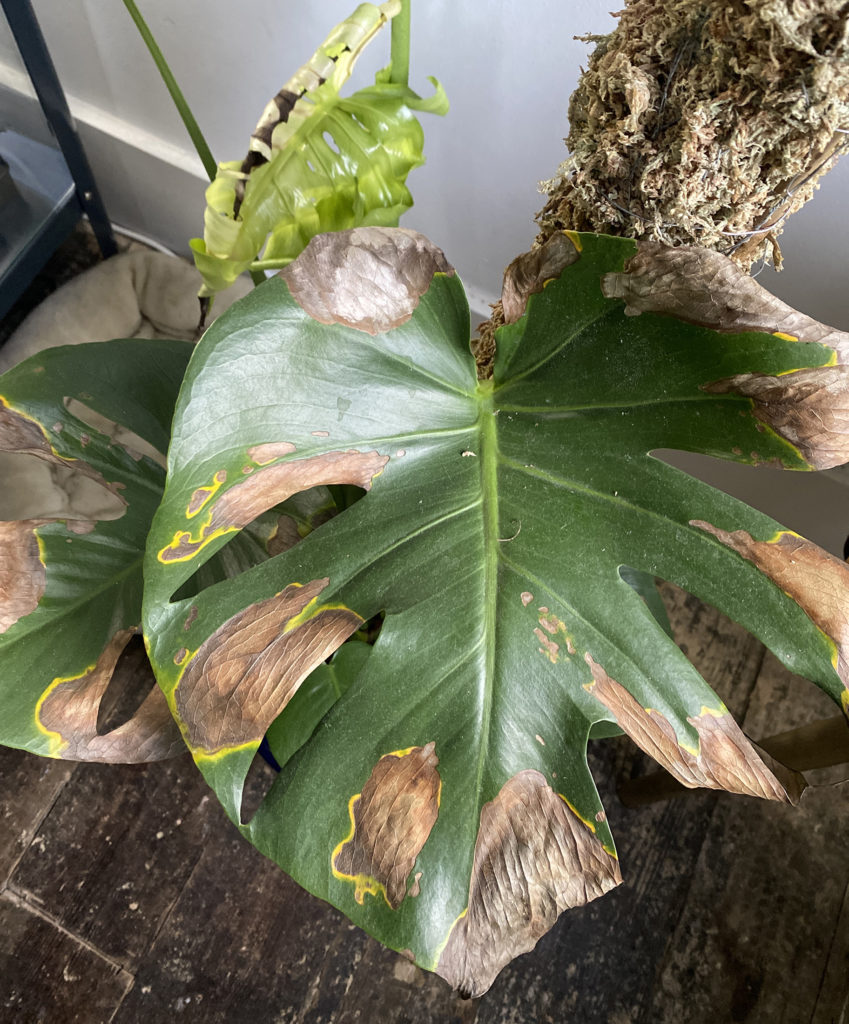
Proper maintenance and care are essential for keeping your Monstera plant healthy. Brown spots can be a sign of neglect or improper care. By following a few simple steps, you can ensure your Monstera thrives and stays vibrant.
Regular Pruning
Regular pruning helps the plant grow better. Remove dead or damaged leaves. Use clean, sharp scissors or pruning shears. This helps prevent disease and keeps the plant looking its best.
Prune the plant every few months. Focus on removing yellow or brown leaves. This encourages new growth and helps the plant stay healthy.
Cleaning Leaves
Cleaning leaves is crucial for plant health. Dust can block sunlight and affect photosynthesis. Wipe leaves with a damp cloth every few weeks. This keeps the leaves clean and shiny.
Avoid using harsh chemicals. They can damage the leaves. Use water or a mild soap solution. Gently wipe both sides of each leaf.
Monitoring Plant Health
Monitor your Monstera’s health regularly. Look for signs of pests or disease. Brown spots, wilting, or yellowing can indicate problems. Address issues promptly to prevent further damage.
Check the soil moisture level. Overwatering or underwatering can cause brown spots. Ensure the plant has proper drainage. Water the plant when the top inch of soil feels dry.
Inspect the plant for pests. Common pests include spider mites and aphids. Use natural remedies or insecticidal soap to treat infestations.
| Task | Frequency |
|---|---|
| Pruning | Every few months |
| Cleaning Leaves | Every few weeks |
| Monitoring Plant Health | Weekly |
Frequently Asked Questions
Why Are My Monstera Leaves Turning Brown?
Monstera leaves turn brown due to improper watering, low humidity, or direct sunlight. Ensure proper watering practices, maintain humidity, and place the plant in indirect sunlight.
How Can I Prevent Brown Tips On Monstera?
Prevent brown tips by maintaining consistent watering, increasing humidity, and avoiding direct sunlight. Regularly check soil moisture and mist the leaves.
Is My Monstera Overwatered Or Underwatered?
Overwatered Monstera shows yellowing leaves, while underwatered Monstera has dry, brown tips. Check soil moisture to determine the issue.
Should I Trim Brown Leaves On Monstera?
Yes, trim brown leaves to promote healthy growth. Use clean, sharp scissors to remove damaged leaves.
Conclusion
Brown spots on Monstera can be concerning. Identifying the cause helps. Check watering habits and sunlight exposure. Ensure proper humidity and soil conditions. Regular care prevents browning. Healthy Monsteras thrive with love and attention. Keep an eye on your plant’s needs.
Happy growing!
Leave a Reply