
Monstera leaves curling can be a sign of distress. It’s important to find out why.
The reasons behind this can vary, and each cause needs a different solution. Monstera plants are popular for their large, stunning leaves. When these leaves start to curl, it can be worrying for plant owners. Curling leaves can indicate several issues, such as improper watering, low humidity, pests, or nutrient deficiencies.
Understanding the root cause is key to restoring your plant’s health. This blog will explore the common reasons behind Monstera leaf curling. We’ll provide tips on how to identify and address each issue. This will help you keep your Monstera thriving and beautiful. Dive in to learn more about caring for your beloved plant.
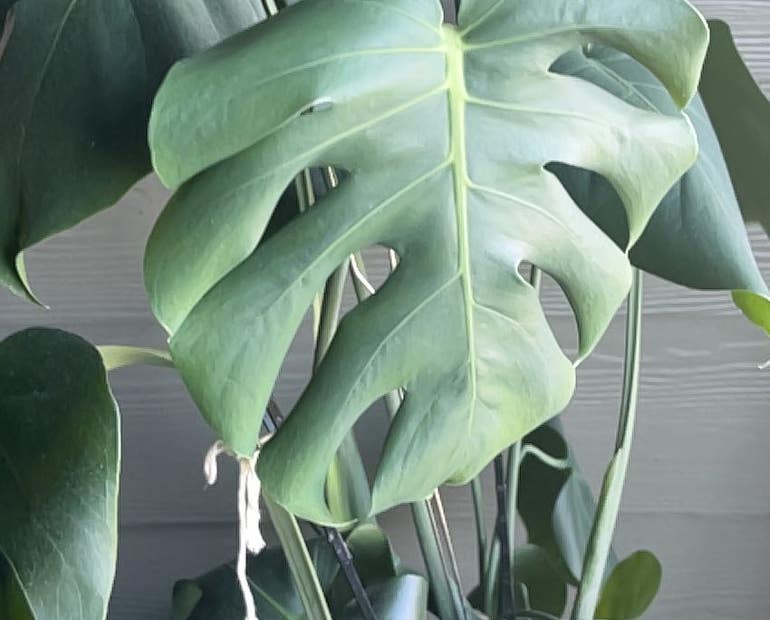
Common Causes
Monstera plants are beloved for their unique, striking leaves. But sometimes, these leaves can start curling, causing concern. Understanding the common causes behind this issue can help you keep your Monstera healthy and thriving. Let’s dive into the primary reasons for Monstera leaf curling.
Underwatering
One of the leading causes of Monstera leaf curling is underwatering. When a Monstera doesn’t receive enough water, it begins to conserve moisture, resulting in curled leaves.
- Check the soil: If the soil feels dry to the touch, your Monstera needs water.
- Watering frequency: Ensure you water your Monstera regularly, especially during hot months.
- Signs of dehydration: Besides curling, look for yellowing or browning leaf edges.
Proper watering can often resolve the curling issue. Ensure the soil stays moist but not soggy.
Overwatering
On the other hand, overwatering can also lead to Monstera leaf curling. Too much water can suffocate the roots, causing them to rot.
- Drainage: Ensure your pot has good drainage to prevent waterlogging.
- Soil condition: Use well-draining soil to avoid excessive moisture retention.
- Watering schedule: Allow the top inch of soil to dry out before watering again.
Signs of overwatering include yellow leaves, a musty smell from the soil, and drooping stems. Adjust your watering habits to maintain a balance.
Pest Infestation
Pest infestation can be a major reason for Monstera leaf curling. Tiny invaders like insects can cause significant damage. They suck the sap from the leaves, depriving them of essential nutrients. This results in the leaves curling as they struggle to survive. Understanding the types of pests and how to prevent them can help keep your Monstera healthy.
Types Of Pests
Several pests can attack Monstera leaves. Aphids are small, green insects that cluster on the underside of leaves. They feed on the plant’s sap, causing the leaves to curl. Spider mites are even smaller and harder to spot. They form webs on the leaves and suck out the nutrients. Thrips are slender insects that scrape the surface of the leaves. They leave behind silver streaks and cause curling.
Prevention Methods
Regularly inspect your Monstera for signs of pests. Early detection is key. Use a mixture of water and mild soap to clean the leaves. This can help remove pests before they multiply. Neem oil is a natural pesticide that works well. Spray it on the leaves to deter pests. Ensure your plant is not stressed. Provide adequate water, light, and nutrients. A healthy plant is less likely to attract pests.
Nutrient Deficiency
Monstera plants are loved for their striking, large leaves. But leaf curling can signal problems. One common issue is nutrient deficiency. When Monsteras lack essential nutrients, their health suffers, resulting in curled leaves.
Signs Of Deficiency
Nutrient deficiencies show clear signs. Leaves may turn yellow. Brown spots might appear. Growth can slow or stop. Curled leaves are a big indicator. Watch for these signs to catch issues early.
Fertilization Tips
Regular fertilization keeps Monsteras healthy. Use a balanced fertilizer. Apply during the growing season. Follow the instructions on the label. Avoid over-fertilizing. Too much can harm the plant. Water the plant well after fertilizing. This helps the nutrients reach the roots.
Light Issues
Light issues can cause your Monstera leaf curling problems. Monstera plants need the right amount of light to thrive. Both insufficient and excessive light can lead to leaf curling.
Insufficient Light
If your Monstera is not getting enough light, the leaves may start to curl. This is a sign that the plant is struggling to perform photosynthesis. Without enough light, the Monstera cannot produce the energy it needs. As a result, the leaves curl to reduce surface area, conserving moisture and energy.
To fix this issue, move your Monstera to a brighter spot. Ideally, place it near a window where it can get indirect sunlight. If natural light is limited, consider using a grow light. This will help your Monstera get the light it needs without the risk of direct sunburn.
| Light Condition | Effect on Monstera |
|---|---|
| Low Light | Leaf Curling |
| Indirect Light | Healthy Growth |
Excessive Light
Too much light can also cause Monstera leaf curling. In direct sunlight, the leaves can get scorched. This leads to curling as the plant tries to protect itself. The leaves may also develop brown spots or edges.
To prevent this, avoid placing your Monstera in direct sunlight. Instead, find a spot with bright, indirect light. If the light is too strong, use a sheer curtain to diffuse it. This will protect your Monstera from the harsh rays while still providing enough light for growth.
Here are some tips for managing light levels:
- Use sheer curtains to diffuse direct sunlight.
- Rotate the plant periodically for even light exposure.
- Check the light intensity with a light meter.
Humidity Levels
Humidity is crucial for your Monstera plant’s health. When the air is too dry, Monstera leaves can curl. Understanding and maintaining the right humidity levels is key.
Ideal Humidity
Monsteras thrive in humid environments. The ideal humidity for a Monstera is between 60% and 80%. If your home’s humidity is below this range, your plant may suffer.
You can use a hygrometer to measure the humidity levels in your home. This device helps you monitor the air moisture around your plant. If the humidity is too low, you need to take action.
Improving Humidity
There are several ways to improve humidity for your Monstera:
- Use a humidifier near the plant.
- Place a water tray with pebbles under the pot.
- Group plants together to create a micro-humid environment.
- Mist the leaves with water regularly.
Here’s a simple table summarizing the methods:
| Method | How it Works |
|---|---|
| Humidifier | Increases air moisture around the plant |
| Water Tray | Evaporates water to add humidity |
| Grouping Plants | Plants release moisture, creating a humid area |
| Misting | Directly adds moisture to the leaves |
Ensuring your Monstera has the right humidity levels prevents leaf curling. Keep an eye on the hygrometer and adjust as needed.
Temperature Fluctuations
Monstera leaves curling can be a sign of stress. One common cause of this stress is temperature fluctuations. Monstera plants thrive in stable conditions. Sudden changes in temperature can cause their leaves to curl. Understanding how cold and heat affect your Monstera can help you maintain its health.
Impact Of Cold
Monstera plants are native to tropical regions. They prefer warm temperatures. Exposure to cold can cause leaf curling. If the temperature drops below 50°F (10°C), your Monstera may show signs of stress.
- Leaves may become discolored.
- Growth may slow down.
- Leaf edges may turn brown.
To protect your Monstera from cold, keep it away from drafts and windows. Use a room thermometer to monitor the temperature. Ensure the environment stays within the ideal range.
Impact Of Heat
High temperatures can also stress your Monstera. If temperatures rise above 85°F (29°C), the plant may start to curl its leaves. Excessive heat can cause the following problems:
- Increased water loss through transpiration.
- Dehydration and wilting.
- Burnt leaf tips and edges.
To prevent heat stress, place your Monstera in a cool, shaded area. Avoid placing it near heat sources like radiators or direct sunlight. Regularly misting the leaves can also help maintain humidity levels.
Understanding these temperature-related issues can help you care better for your Monstera. Keep an eye on temperature fluctuations to ensure your plant remains healthy and vibrant.
Improper Soil
Monstera leaf curling can be a sign of improper soil. The right soil is crucial for the health of your Monstera plant. Poor soil can cause stress to the plant, leading to curling leaves. Let’s delve into the details of how soil quality affects your Monstera.
Choosing The Right Soil
Choosing the right soil is vital for Monstera plants. They thrive in well-draining soil. The soil should retain some moisture but not remain soggy. A mix of peat moss, perlite, and pine bark works well.
- Peat moss: Helps retain moisture without being too wet.
- Perlite: Improves aeration and drainage.
- Pine bark: Adds organic matter and improves soil structure.
Avoid heavy clay or dense soils. These can hold too much water and suffocate the roots.
Soil Maintenance
Soil maintenance is key to keeping your Monstera healthy. Check the soil regularly for signs of poor drainage. Waterlogged soil can lead to root rot and leaf curling. Here are some tips for maintaining healthy soil:
- Watering: Water only when the top inch of soil is dry.
- Repotting: Repot your Monstera every 1-2 years to refresh the soil.
- Fertilizing: Use a balanced fertilizer during the growing season.
Regularly aerate the soil to prevent compaction. This helps the roots breathe and promotes healthy growth.
| Problem | Solution |
|---|---|
| Waterlogged Soil | Improve drainage and reduce watering frequency |
| Compact Soil | Aerate the soil and use a lighter mix |
| Nutrient Deficiency | Apply a balanced fertilizer |
By choosing the right soil and maintaining it properly, you can prevent Monstera leaf curling and keep your plant thriving.
Solutions And Preventive Measures
Monstera leaf curling can be a sign of various issues. Addressing these problems requires understanding their causes. By implementing effective solutions and preventive measures, you can ensure your Monstera remains healthy and vibrant.
Regular Monitoring
Regular monitoring of your Monstera plant is crucial. Check for signs of leaf curling weekly. Look for changes in color, texture, and moisture levels. Early detection helps prevent serious damage.
- Inspect the leaves for pests.
- Check soil moisture levels.
- Observe the light exposure.
Use a moisture meter to check soil moisture levels. Ensure the plant receives adequate light. Adjust its position if necessary.
Healthy Care Routine
Maintaining a healthy care routine is essential. Proper watering, feeding, and environment are key.
- Watering: Water the plant when the top inch of soil feels dry. Avoid overwatering.
- Feeding: Use a balanced, liquid fertilizer every month during the growing season.
- Environment: Ensure the plant is in a humid environment. Use a humidifier if necessary.
Proper watering prevents root rot. Balanced fertilizer promotes healthy growth. Humidity supports leaf health.
By following these solutions and preventive measures, you can effectively address Monstera leaf curling and promote a healthy plant.
Frequently Asked Questions
Why Is My Monstera Leaf Curling?
Monstera leaves curl due to improper watering, low humidity, or pest infestations. Ensure consistent watering, maintain humidity, and check for pests.
How Can I Prevent Monstera Leaf Curling?
Prevent leaf curling by maintaining proper watering schedules, ensuring adequate humidity, and monitoring for pests regularly. Proper care is key.
Does Low Humidity Cause Monstera Leaf Curling?
Yes, low humidity can cause Monstera leaves to curl. Increase humidity by misting or using a humidifier.
Can Overwatering Cause Monstera Leaf Curling?
Overwatering can lead to root rot, causing Monstera leaves to curl. Ensure the soil drains well and avoid waterlogging.
Conclusion
Keeping your Monstera happy is easier than it seems. Regularly check its watering, light, and humidity needs. Make sure the soil drains well. Watch for signs of pests. Simple steps can keep those beautiful leaves healthy. Your Monstera will thrive with a little care and attention.
Enjoy watching it grow strong and vibrant. Happy gardening!