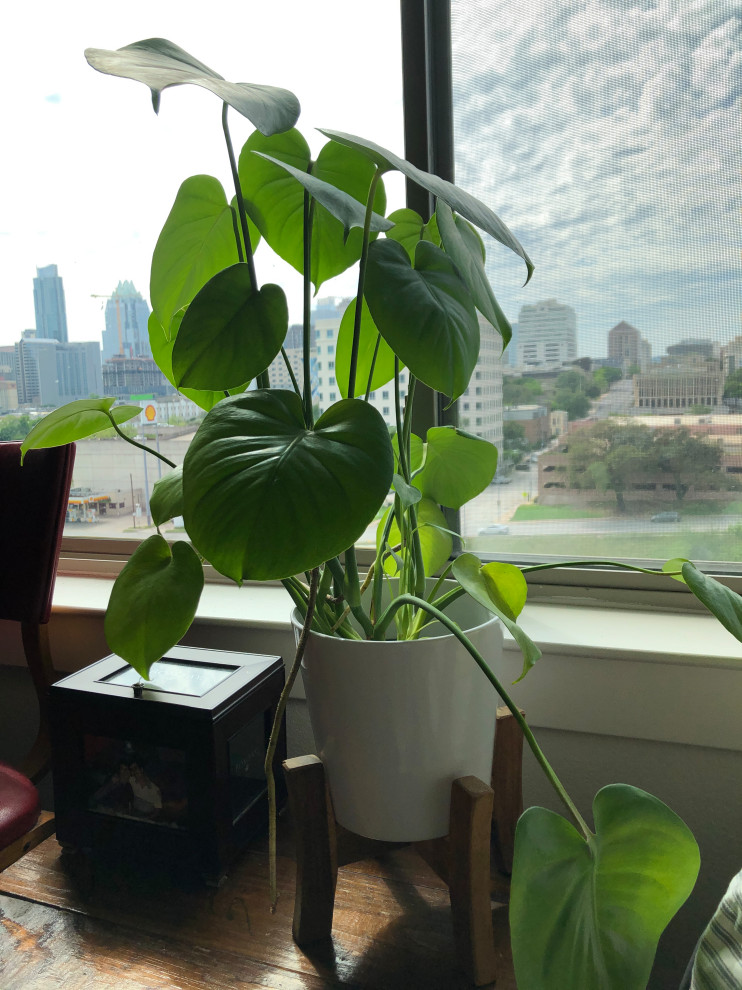
If your Monstera leaves haven’t split, you might be wondering why. Don’t worry, you’re not alone.
Many plant owners face this issue. Monstera plants, also known as Swiss Cheese Plants, are famous for their unique, split leaves. These splits, or fenestrations, not only add beauty but also help the plant adapt to its environment. But sometimes, these splits don’t appear as expected.
This can be frustrating for plant lovers who want to see their Monstera thrive. There are several reasons why your Monstera leaves might remain unsplit. Understanding these reasons can help you take better care of your plant. Let’s explore why your Monstera hasn’t split and what you can do about it.
Common Reasons For Unsplitting Monstera
Monstera plants are known for their stunning, split leaves. If your Monstera isn’t splitting, it could be due to several factors. Understanding these reasons can help you provide the right care and encourage leaf splitting.
Age And Maturity
Young Monstera plants often have solid, heart-shaped leaves. They need time to mature before developing splits. Patience is key. As the plant ages, it will naturally start to produce split leaves.
Light Conditions
Light is crucial for Monstera growth. Insufficient light can prevent leaf splitting. Monstera thrives in bright, indirect light. Ensure your plant gets enough light daily. Too much direct sunlight can scorch the leaves.
Watering Practices
Proper watering is vital for Monstera health. Overwatering or underwatering can stress the plant. Both can hinder leaf splitting. Water your Monstera when the top inch of soil feels dry. Avoid letting the plant sit in waterlogged soil.
Proper Light For Monstera Growth
Monstera plants need bright, indirect light to grow well. Without enough light, leaves may not split properly. Ensure your Monstera gets the right amount of light for healthy growth.
Monstera plants need the right light to grow and thrive. Without proper light, their leaves may not split. Light is essential for their growth. Let’s explore what light levels are ideal, signs of insufficient light, and how to adjust light exposure.Ideal Light Levels
Monsteras do best in bright, indirect light. Direct sunlight can burn their leaves. Place your Monstera near a window with filtered light. A sheer curtain can help diffuse the light. Remember, natural light is best for Monstera growth.Signs Of Insufficient Light
Notice yellowing leaves? Your Monstera might need more light. Slow growth is another sign. If the leaves stay small and do not split, check the light. Leggy growth with long stems reaching for light shows the plant is struggling.Adjusting Light Exposure
Move your Monstera closer to a window. Ensure it gets bright, indirect light. Rotate the plant every week. This helps all sides get equal light. Use a grow light if natural light is limited. Avoid placing the plant in direct sunlight. This can damage the leaves. Monitor your plant’s response to the new light conditions. “`Watering Techniques For Healthy Leaves
Having trouble with your Monstera not splitting? Proper watering techniques can help. Healthy leaves need the right amount of water. This ensures growth and prevents issues. Let’s explore key watering methods for better Monstera leaves.
Watering Frequency
Monstera plants like consistent watering. Water your Monstera once a week. Use room temperature water for best results. Adjust frequency based on seasons. Water less in winter, more in summer. Avoid letting the soil dry out completely.
Soil Moisture Check
Check soil moisture before watering. Stick your finger into the soil. If the top inch is dry, it’s time to water. Moisture meters can also help. They provide accurate readings. Ensure the soil is evenly moist, not soggy.
Drainage Importance
Good drainage is crucial for Monstera health. Use pots with drainage holes. Excess water should flow out easily. Consider adding a layer of pebbles at the bottom. This prevents water from sitting at the roots. Waterlogged roots can lead to root rot.

Nutrient Needs For Leaf Splitting
Understanding the nutrient needs for leaf splitting in your Monstera is crucial. The right balance of nutrients can help your plant thrive and develop those iconic splits. Let’s dive into the essentials of what your Monstera needs.
Essential Nutrients
Your Monstera needs several key nutrients to grow healthy leaves. Nitrogen is vital for leaf growth. Phosphorus supports root development. Potassium helps with overall plant health. Magnesium and calcium are also important. They aid in photosynthesis and cell structure.
Fertilization Schedule
Regular feeding helps your Monstera get the nutrients it needs. Use a balanced fertilizer every two weeks during the growing season. In the dormant season, reduce feeding to once a month. Always follow the instructions on the fertilizer package. Over-fertilizing can harm your plant.
Common Deficiencies
Yellowing leaves can signal a nitrogen deficiency. A lack of phosphorus can cause slow growth and dark green leaves. If your plant has brown edges, it might need more potassium. Magnesium deficiency shows as yellow spots between leaf veins. Calcium deficiency can lead to distorted new leaves.
Temperature And Humidity Factors
Monstera plants are popular for their large, split leaves. But, if your Monstera isn’t splitting, temperature and humidity might be the culprits. These factors are crucial for healthy plant growth. Let’s explore how temperature and humidity affect your Monstera’s leaf splitting.
Optimal Temperature Range
Monsteras thrive in temperatures between 65°F and 85°F. Temperatures below 55°F can stress the plant. This stress may prevent leaf splitting. Ensure your Monstera is away from cold drafts and air conditioners.
Maintaining Humidity Levels
Monsteras prefer humidity levels between 60% and 80%. Low humidity can hinder leaf development. To increase humidity, use a humidifier or place a water tray near the plant. Misting the leaves also helps maintain humidity.
Seasonal Changes
Seasonal changes can affect your Monstera’s growth. During winter, indoor air becomes dry. This drop in humidity can slow leaf splitting. In summer, higher temperatures and humidity boost growth. Monitor and adjust your plant’s environment with the seasons.
Pruning And Maintenance Tips
Pruning your Monstera can help it grow healthy and strong. Proper maintenance encourages the plant to split and show off those beautiful, iconic leaves. Let’s dive into some essential tips to ensure your Monstera thrives.
When To Prune
Prune your Monstera in the spring or early summer. This is the growing season. The plant is most active during this time. Avoid pruning in winter. The plant is usually dormant then.
Tools For Pruning
Use sharp, clean scissors or pruners. Sterilize the tools before use. This prevents infections. Wipe the blades with rubbing alcohol. A clean cut heals faster and is healthier for the plant.
Encouraging New Growth
After pruning, ensure proper care. Place the plant in bright, indirect light. Water it regularly but avoid waterlogging. Feed it with a balanced liquid fertilizer once a month. This promotes new growth and helps the leaves to split.
Keep the environment humid. Monsteras love humidity. Mist the leaves or use a humidifier. This mimics their natural habitat and encourages healthy growth.
Pest And Disease Management
Pest and Disease Management is crucial for a thriving Monstera plant. If your Monstera hasn’t split, pests and diseases could be the culprits. Understanding how to manage these issues will help you keep your plant healthy and vibrant.
Common Pests
Several pests can affect your Monstera’s health. Identifying and managing these pests is essential to encourage leaf splitting.
- Spider Mites: Tiny red or black spots on leaves.
- Mealybugs: White, cotton-like masses on leaves and stems.
- Scale Insects: Brown or black bumps on stems and leaves.
- Thrips: Small, slender insects causing silver streaks on leaves.
Identifying Diseases
Diseases can also prevent your Monstera from splitting. Here’s how to identify common issues:
- Root Rot: Mushy roots and yellowing leaves.
- Leaf Spot: Brown or black spots on leaves.
- Powdery Mildew: White, powdery coating on leaves.
Preventive Measures
Preventing pests and diseases is better than curing them. Follow these measures to keep your Monstera healthy:
- Inspect Regularly: Check leaves and stems for signs of pests or diseases.
- Maintain Humidity: Keep humidity levels between 60-70%.
- Water Properly: Avoid overwatering to prevent root rot.
- Clean Leaves: Wipe leaves with a damp cloth to remove dust and pests.
- Use Neem Oil: Spray neem oil to deter pests naturally.

Repotting And Soil Choices
Your Monstera plant might not be splitting due to repotting or soil issues. Choosing the right time to repot and selecting the best soil are crucial for its health. Let’s dive into the details to help your Monstera thrive.
When To Repot
Repotting your Monstera at the right time is essential. Look for these signs:
- Roots growing out of the drainage holes
- Soil drying out quickly
- Stunted growth
These signs indicate your Monstera needs a larger pot. Repotting usually happens every 1-2 years. Early spring is the best time for repotting. This is when the plant begins its active growth phase.
Choosing The Right Soil
The right soil choice can make or break your Monstera’s growth. Monsteras need a well-draining, nutrient-rich soil mix. Use the following ingredients to create the perfect mix:
| Ingredient | Percentage |
|---|---|
| Peat moss or coco coir | 40% |
| Perlite | 20% |
| Bark or compost | 20% |
| Soil | 20% |
This mix ensures proper drainage and aeration, preventing root rot and promoting healthy growth.
Transplanting Techniques
Follow these steps to transplant your Monstera successfully:
- Water the plant a day before repotting.
- Gently remove the plant from its current pot.
- Loosen the roots and remove old soil.
- Place the plant in the new pot with fresh soil mix.
- Fill the pot with soil, ensuring the roots are covered.
- Water the plant lightly.
After transplanting, place your Monstera in a bright, indirect light spot. This helps it recover and encourages new growth.
Encouraging Monstera Splits
Many plant enthusiasts want their Monstera plants to develop those iconic splits. These splits, or fenestrations, make Monstera plants stunning and unique. If your Monstera isn’t splitting, don’t worry. There are several ways to encourage these beautiful patterns to form.
Using Support Structures
Monstera plants are natural climbers. In the wild, they attach to trees and grow upwards. Using support structures can mimic this natural growth pattern.
- Moss poles: Insert a moss pole into the pot. Secure the Monstera stem to it.
- Trellises: Use a trellis to guide the plant’s growth. Tie the stems gently.
- Stakes: Wooden or bamboo stakes can provide support. Use soft ties to secure the plant.
Support structures help the plant grow stronger. This can lead to more splits.
Training The Plant
Training your Monstera helps direct its growth. This can encourage splits.
- Pruning: Trim older leaves. This directs energy to new growth.
- Positioning: Place the plant in bright, indirect light. This mimics its natural habitat.
- Watering: Water consistently. Let the soil dry out slightly between waterings.
Train your Monstera regularly. This can make a significant difference.
Patience And Time
Patience is key with Monstera plants. They may take time to develop splits.
- Age: Older plants are more likely to develop splits.
- Environment: Ensure the plant has the right conditions. This includes humidity and temperature.
- Consistency: Maintain a consistent care routine.
Give your Monstera time. Splits will come with proper care.

Frequently Asked Questions
Why Isn’t My Monstera Splitting?
Monstera leaves might not split due to insufficient light. Ensure it gets bright, indirect sunlight. Adequate watering and proper humidity are also crucial. Assess soil quality and consider fertilizing during the growing season.
How Often Should I Water My Monstera?
Water your Monstera when the top inch of soil feels dry. Overwatering can cause root rot. Ensure the pot has drainage holes. During winter, reduce watering frequency. Monitor the plant’s condition regularly.
Does My Monstera Need Fertilizer?
Yes, Monstera plants benefit from regular fertilizing during the growing season. Use a balanced, water-soluble fertilizer every 4-6 weeks. Avoid over-fertilizing, as it can harm the plant. Always follow the instructions on the fertilizer package.
What Type Of Light Does Monstera Need?
Monstera plants thrive in bright, indirect sunlight. Direct sunlight can scorch the leaves. Low light can slow growth and prevent leaf splitting. Place the plant near an east or north-facing window for optimal light.
Conclusion
Your Monstera may not split due to several reasons. Check light, water, and humidity levels. Ensure proper care and patience for healthy growth. Remember, each plant is unique and grows at its own pace. Regularly monitor its environment and make adjustments as needed.
Your Monstera will eventually reward you with beautiful splits. Happy gardening!
Leave a Reply