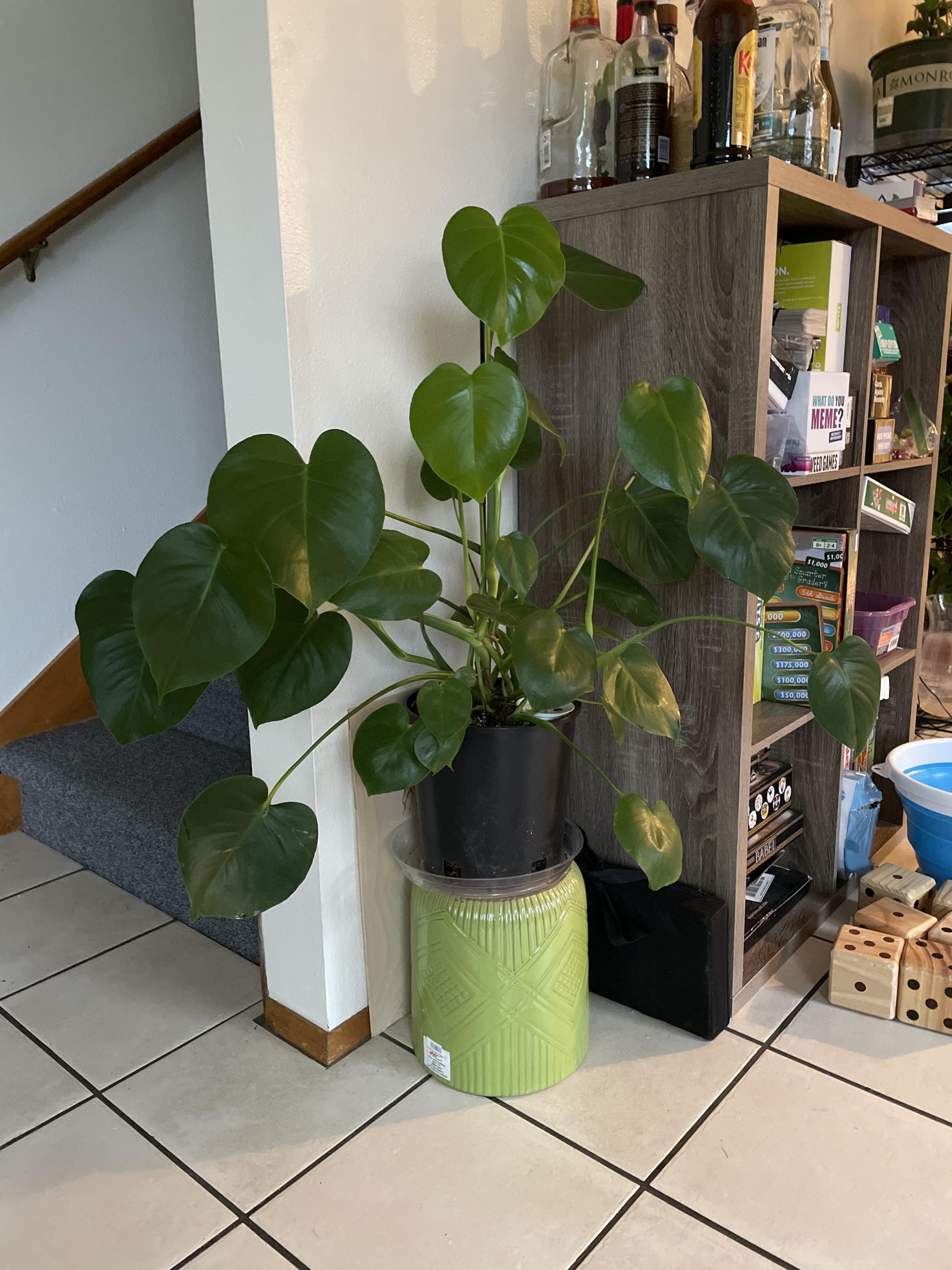
Monstera plants are known for their iconic split leaves. But sometimes, the leaves don’t split.
If your Monstera’s leaves stay whole, you’re likely wondering why. The split leaves, or fenestrations, are a key feature of this plant. When they don’t appear, it can be concerning. The reasons behind this can vary. Factors like light, water, and plant age all play a role.
It’s essential to understand these factors to help your Monstera thrive. In this post, we’ll explore why Monstera leaves might not split and what you can do about it. By the end, you’ll have a clearer picture of how to care for your plant. Let’s dive in and learn more about Monstera leaf fenestrations.
Introduction To Monstera Leaves
Monstera leaves are well-known for their unique appearance. These leaves often have splits and holes, which add to their charm. But sometimes, Monstera leaves do not split. This can be puzzling for plant lovers.
Popularity Among Plant Enthusiasts
Monstera plants are very popular among plant enthusiasts. Their large, green leaves make a bold statement. Many people love the tropical vibe they bring to a room.
Monstera plants are easy to care for. They do well in many indoor environments. This makes them a favorite choice for both new and experienced plant owners.
Unique Characteristics
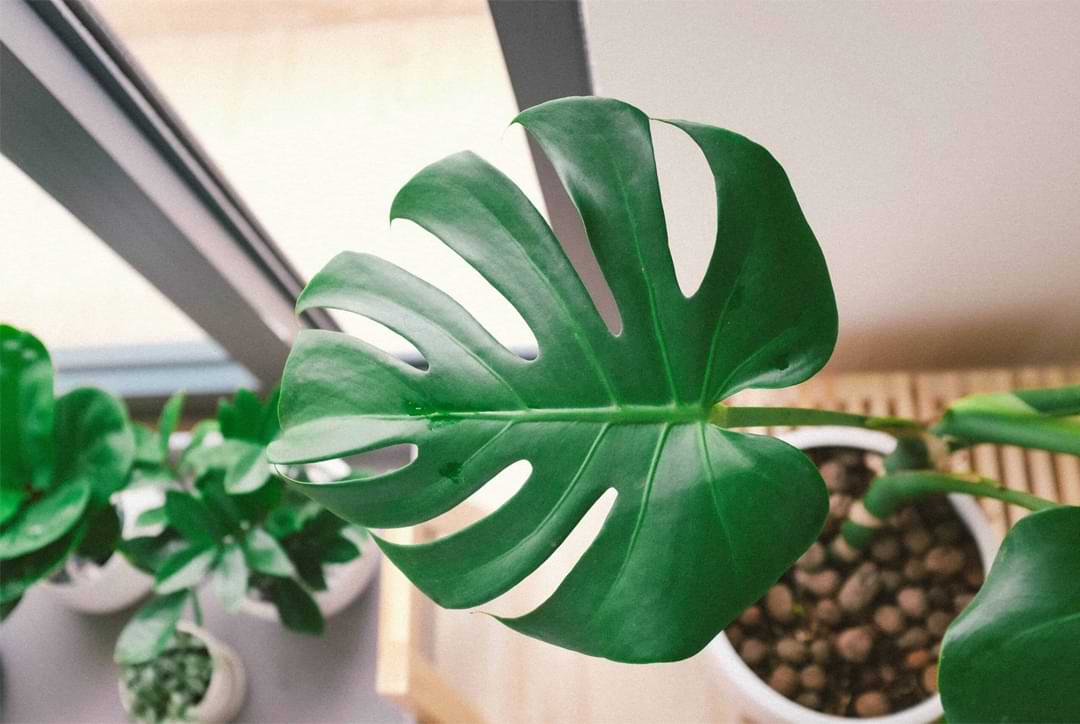
Monstera leaves have unique characteristics. One of the most notable is their splits and holes. These features develop as the plant matures.
The splits help the plant adapt to its natural environment. They allow light to reach lower leaves. The holes help the plant withstand strong winds.
But not all Monstera leaves split. This can happen for several reasons. Understanding these reasons can help you care for your plant better.
Natural Habitat Of Monstera
The natural habitat of Monstera plays a vital role in the plant’s growth and leaf structure. Understanding where Monstera originates can help explain why its leaves might not split.
Native Environment
Monstera plants are native to the tropical rainforests of Central America. These lush environments provide the perfect conditions for Monstera to thrive. High humidity, indirect light, and warm temperatures are key factors. The jungle canopy offers filtered sunlight, which helps in leaf development.
Role In Ecosystem
In their native habitat, Monstera plants climb trees. They use aerial roots to cling to tree trunks. This climbing behavior allows them to reach for light. The leaves split as they grow larger, helping the plant to manage sunlight and rainwater better.
Understanding the role of Monstera in its ecosystem can explain why leaves may not split indoors. Without the right humidity, light, and support, the plant might struggle.
Importance Of Leaf Splitting
The Monstera plant, known for its stunning leaves, often features beautiful splits. These splits are not just for show. They serve essential purposes for the plant’s health and survival. Understanding why Monstera leaves split can help you care for your plant better.
Adaptation To Environment
Monstera plants originate from tropical rainforests. In their natural habitat, dense tree canopies block most sunlight. The splits in Monstera leaves help the plant adapt to this environment. By having splits, the leaves can capture more sunlight. This design lets light reach the lower parts of the plant. It ensures every part gets enough light to thrive.
Benefits For The Plant
The splits in Monstera leaves also help with airflow. Better airflow reduces the risk of fungal infections. It keeps the leaves dry and healthy. Splits also make the leaves more flexible. This flexibility helps the plant withstand strong winds. It reduces the chances of the leaves tearing. Additionally, the splits help the plant grow larger leaves. Larger leaves mean better photosynthesis. This leads to a healthier and more robust Monstera plant.
Common Reasons For Lack Of Splitting
Monstera plants are known for their unique, split leaves. But sometimes, these leaves don’t split. Why? Let’s explore the common reasons for lack of splitting.
Insufficient Light
Light is crucial for the growth of Monstera plants. Without enough light, the leaves won’t split. Monstera plants need bright, indirect light. Direct sunlight can burn the leaves. Low light can hinder their growth.
Ensure your Monstera gets the right amount of light. Place it near a window. Use sheer curtains to filter the sunlight. Consider using a grow light if natural light is insufficient. Here’s a quick guide:
- Bright, indirect light: Ideal for growth
- Direct sunlight: Can cause burns
- Low light: Leads to poor growth and no splits
Improper Watering
Watering is another key factor. Both overwatering and underwatering can affect leaf splitting. Overwatering can lead to root rot. Underwatering can cause stress to the plant.
Here’s how to water your Monstera properly:
- Check the soil moisture before watering.
- Water when the top inch of soil is dry.
- Use well-draining soil to prevent waterlogging.
Improper watering can prevent leaves from splitting. Find a balance. Use the right soil. Monitor the soil moisture.
Role Of Light In Leaf Development
Monstera plants, known for their unique split leaves, require specific conditions to thrive. One crucial factor in leaf development is light. The right amount of sunlight can influence whether Monstera leaves split or not.
Sunlight Requirements
Monstera plants need bright, indirect sunlight. Direct sunlight can scorch their leaves. Place the plant near a window with filtered light. An east-facing window is often ideal. This positioning provides morning sunlight, which is gentle and beneficial.
Impact Of Low Light
Low light can hinder the plant’s growth. Monstera leaves might not split if the plant lacks sufficient light. In dark conditions, new leaves may remain smaller and less divided. Ensure your plant receives enough light to encourage healthy development.
Influence Of Watering Practices
Understanding the influence of watering practices can help maintain healthy Monstera leaves. Proper watering ensures the leaves split correctly. Incorrect watering can lead to unhealthy leaves. Both overwatering and underwatering can impact leaf development.
Overwatering Issues
Overwatering often leads to waterlogged soil. This condition prevents oxygen from reaching the roots. Without oxygen, roots cannot function properly. This stresses the plant. Stressed plants struggle to develop split leaves. Overwatering also promotes root rot. Root rot damages the root system. Damaged roots cannot support healthy leaf growth. Hence, overwatered Monsteras may have unsplit leaves.
Underwatering Effects
Underwatering causes the soil to dry out. Dry soil leads to dehydrated roots. Dehydrated roots cannot absorb nutrients efficiently. Nutrient deficiency hinders leaf development. Underwatered Monsteras may have smaller, unsplit leaves. Inadequate water supply stresses the plant. Stressed plants focus on survival, not leaf splitting. Thus, correct watering is crucial for Monstera leaves to split.
Nutrient Deficiency Factors
Monstera plants are known for their striking, split leaves. But sometimes, these splits don’t appear. One primary reason is nutrient deficiency. Plants need a range of nutrients to grow properly. Without them, you may notice changes in their appearance and health.
Essential Nutrients
Monstera plants need several key nutrients to thrive:
- Nitrogen (N): Promotes leaf growth.
- Phosphorus (P): Supports root development and flowering.
- Potassium (K): Enhances overall plant health.
- Calcium (Ca): Aids in cell structure and growth.
- Magnesium (Mg): Important for photosynthesis.
Signs Of Deficiency
Recognizing nutrient deficiency in Monstera plants is crucial. Some common signs include:
- Yellowing Leaves: Often a sign of nitrogen deficiency.
- Slow Growth: Indicates lack of phosphorus.
- Brown Leaf Edges: Suggests potassium deficiency.
- Weak Stems: Points to calcium shortage.
- Pale Leaves: May be due to magnesium deficiency.
| Symptom | Possible Deficiency |
|---|---|
| Yellowing Leaves | Nitrogen |
| Slow Growth | Phosphorus |
| Brown Leaf Edges | Potassium |
| Weak Stems | Calcium |
| Pale Leaves | Magnesium |
By identifying these signs, you can address the nutrient deficiencies. This will help your Monstera leaves to split and thrive.
Impact Of Plant Age And Size
The age and size of your Monstera plant can greatly affect leaf splitting. Younger plants often have solid leaves. As they mature and grow, they develop the iconic splits and holes. Understanding the relationship between plant age, size, and leaf splitting helps in better plant care.
Maturity Stage
Monstera leaves begin to split as the plant matures. Young Monsteras typically have heart-shaped, solid leaves. As they grow older, they start to develop fenestrations, or splits. This process usually starts when the plant reaches a certain height and size.
Important: Patience is key. It might take a few years for your Monstera to develop splits. The exact age can vary based on growing conditions.
Growth Patterns
Monstera plants grow in stages. In the early stages, they focus on root and stem development. Only after establishing a strong foundation do they start producing split leaves. Understanding these growth patterns can help manage expectations and provide better care.
Here is a simple table to illustrate the stages:
| Stage | Description |
|---|---|
| Young Plant | Solid, heart-shaped leaves |
| Early Maturity | Begin to develop small splits |
| Mature Plant | Fully split and fenestrated leaves |
Keep an eye on the size of your Monstera. As it grows taller and wider, the leaves will start to split more. A larger, well-established plant has a higher chance of developing those beautiful, split leaves.
Here are some tips to encourage growth:
- Ensure adequate light
- Regular watering, but avoid overwatering
- Use well-draining soil
- Fertilize during the growing season
By understanding and supporting your Monstera’s growth patterns, you can enjoy its full beauty with stunning split leaves.
Improving Monstera Leaf Splitting
Monstera plants are known for their unique leaf patterns. These patterns often include splits and holes. If your Monstera leaves aren’t splitting, it might need some care adjustments. Let’s explore ways to improve Monstera leaf splitting.
Optimizing Light Conditions
Light is crucial for Monstera plants. They thrive in bright, indirect light. Direct sunlight can scorch the leaves. Low light can prevent the leaves from splitting.
Place your Monstera near a window with filtered light. You can use sheer curtains to diffuse the sunlight. A north or east-facing window is usually ideal.
| Light Condition | Effect on Monstera |
|---|---|
| Bright, Indirect Light | Healthy, Split Leaves |
| Direct Sunlight | Scorched Leaves |
| Low Light | No Splits |
Proper Watering Techniques
Watering is another key factor. Overwatering or underwatering can harm your Monstera. Ensure the soil stays moist but not soggy.
Water your Monstera when the top inch of soil feels dry. Use room temperature water. Cold water can shock the plant. Ensure the pot has drainage holes to prevent waterlogging.
- Check soil moisture regularly
- Water when the top inch is dry
- Use room temperature water
- Ensure proper drainage
By optimizing light conditions and following proper watering techniques, you can help your Monstera leaves to split.

Frequently Asked Questions
Why Don’t Monstera Leaves Split?
Monstera leaves might not split due to insufficient light. Ensure your plant gets bright, indirect sunlight for optimal growth.
How Can I Make Monstera Leaves Split?
To encourage Monstera leaf splitting, provide bright, indirect light, regular watering, and proper humidity. Fertilize monthly.
When Do Monstera Leaves Start Splitting?
Monstera leaves usually start splitting when the plant matures. This typically happens after the plant is 2-3 years old.
Does Humidity Affect Monstera Leaf Splitting?
Yes, humidity affects Monstera leaf splitting. Maintain high humidity levels to encourage healthy leaf growth and splitting.
Conclusion
Understanding why Monstera leaves don’t split can help you care for your plant better. Proper light, water, and humidity are key. Keep an eye on new growth and adjust care as needed. Healthy Monstera plants will eventually show their signature splits.
Patience and the right environment are crucial. Happy growing!
Leave a Reply