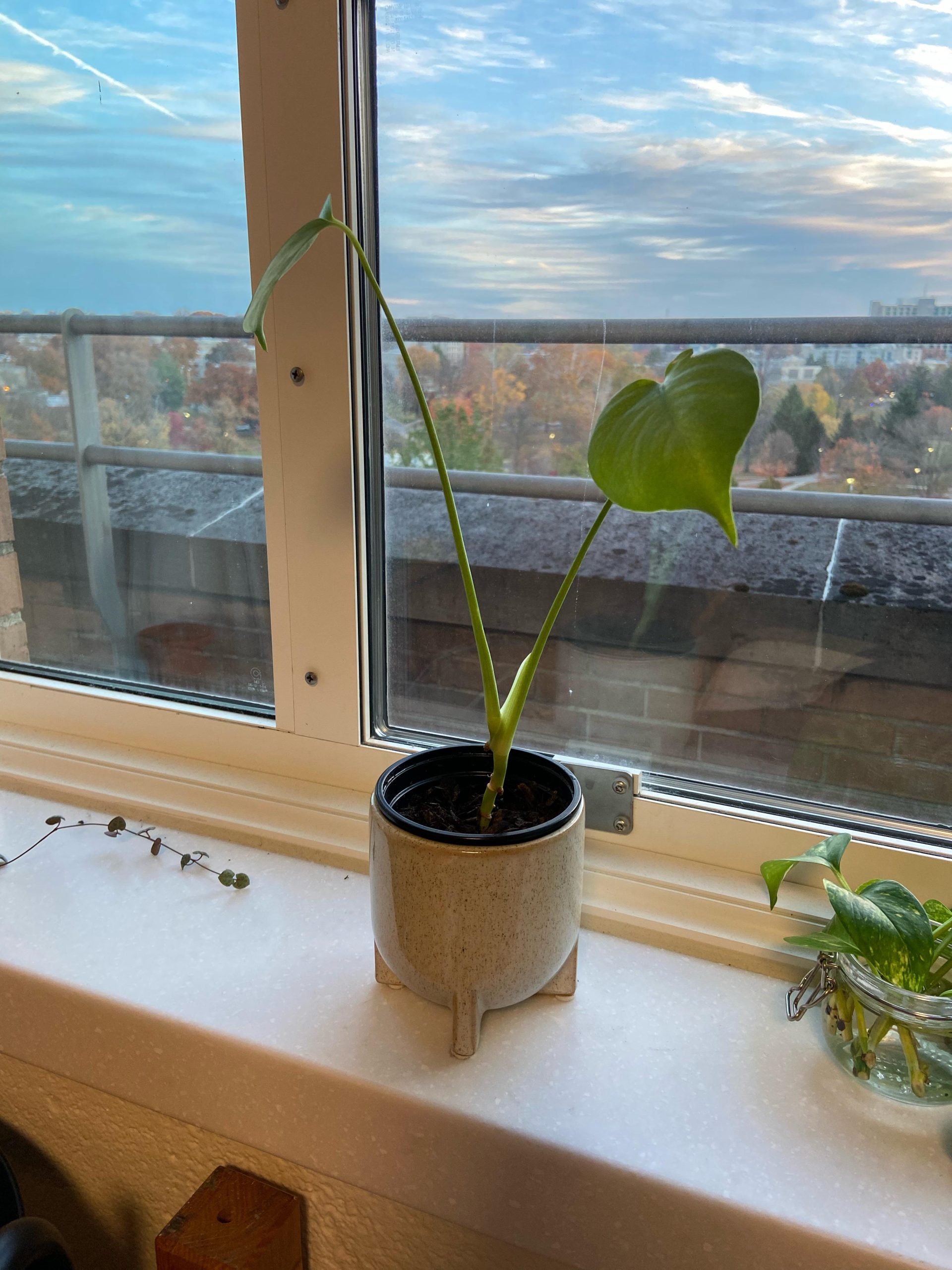
A Monstera plant not growing can be frustrating. The reasons can be varied.
Monstera plants, known for their unique leaves, are popular houseplants. But sometimes, they don’t grow as expected. This can be due to several factors. Light, water, and soil all play roles in their growth. Understanding these elements can help your Monstera thrive.
In this blog, we’ll explore common reasons behind stunted growth. We’ll also offer tips to help your plant flourish. So, let’s dive into the world of Monstera care and find out why your plant isn’t growing.

Lack Of Proper Lighting
Many plant enthusiasts find themselves wondering why their Monstera isn’t growing. One common reason is a lack of proper lighting. Monstera plants need the right amount of light to thrive. Without it, growth can be stunted. Let’s explore the two main lighting issues.
Insufficient Sunlight
If your Monstera gets too little sunlight, it may struggle to grow. Monsteras need bright, indirect light. A dimly lit room can leave your plant looking weak. The leaves may turn yellow. It may also stop growing new leaves. Ensure your Monstera is near a window. This helps it get enough light.
Too Much Direct Sunlight
On the other hand, too much direct sunlight can harm your Monstera. Direct sunlight can scorch the leaves. Brown spots may appear. The leaves can get crispy. Find a spot with filtered light. Sheer curtains can help diffuse the sunlight. This gives your Monstera the light it needs without the damage.
Incorrect Watering
Watering plays a crucial role in your Monstera’s health. Incorrect watering can stunt its growth. Let’s explore the issues related to overwatering and underwatering.
Overwatering Issues
Overwatering is a common mistake. It can lead to root rot, which can seriously harm your Monstera. When the roots are always wet, they can’t get the oxygen they need. This suffocates the plant.
Signs of overwatering:
- Yellowing leaves
- Soft, mushy stems
- Foul smell from the soil
To prevent overwatering, follow these tips:
- Water only when the top inch of soil is dry.
- Ensure the pot has drainage holes.
- Use well-draining soil.
Underwatering Concerns
On the other hand, underwatering can also cause growth issues. Your Monstera needs enough water to thrive. Without it, the plant becomes stressed.
Signs of underwatering:
- Drooping leaves
- Crispy leaf edges
- Slow growth
To avoid underwatering, consider these steps:
- Check soil moisture regularly.
- Water the plant thoroughly until water drains out.
- Keep a consistent watering schedule.
By understanding the correct watering techniques, you can help your Monstera grow healthy and strong.
Poor Soil Quality
One of the common reasons why your Monstera might not be growing is poor soil quality. The soil in which your Monstera is planted plays a crucial role in its health and growth. Let’s delve into the specifics of what makes soil quality poor and how it affects your Monstera.
Lack Of Nutrients
Monsteras need a variety of nutrients to thrive. If the soil lacks essential nutrients, your plant may struggle to grow. These nutrients include nitrogen, phosphorus, and potassium. Without them, your Monstera might show signs of stunted growth, yellowing leaves, or poor overall health.
Here are some signs of nutrient deficiency:
- Yellowing leaves: Indicates a lack of nitrogen.
- Poor leaf development: Could be due to a lack of phosphorus.
- Weak stems: Often a sign of potassium deficiency.
To ensure your Monstera gets the nutrients it needs, consider using a balanced fertilizer. Look for one that provides a mix of nitrogen, phosphorus, and potassium.
Inadequate Drainage
Proper drainage is essential for healthy Monstera growth. If the soil retains too much water, it can lead to root rot. This condition occurs when the roots are waterlogged for too long, leading to poor oxygenation and decay.
Signs of inadequate drainage include:
- Soggy soil: Soil that remains wet for days.
- Yellowing leaves: Often a sign of root rot.
- Mushy roots: Indicate root decay.
To improve drainage, ensure your pot has drainage holes. You can also add materials like perlite or sand to the soil mix. These materials help improve soil structure and water flow.
Maintaining good soil quality is key to your Monstera’s growth. By addressing the lack of nutrients and ensuring adequate drainage, you can provide a healthier environment for your plant.

Inconsistent Humidity
Humidity plays a crucial role in the growth of your Monstera. Inconsistent humidity levels can cause your Monstera to struggle and not grow as expected. The plant needs a stable environment to thrive. Let’s dive into the effects of too low and too high humidity on your Monstera’s growth.
Too Low Humidity
Monstera plants prefer higher humidity levels. When the air is too dry, they may show signs of stress. Low humidity can cause brown leaf edges and slow growth. You can use a humidifier to maintain optimal humidity levels.
Aim for a humidity range of 60-70%. If your indoor environment is dry, misting the leaves can help. Another option is to place a tray of water near the plant. Using a humidity gauge can help you monitor the levels accurately.
Too High Humidity
While high humidity is beneficial, too much can cause issues. Excess moisture can lead to mold growth and root rot. Ensure proper air circulation to prevent these problems.
Consider using a dehumidifier if your indoor humidity exceeds 80%. Regularly check the soil moisture to avoid overwatering. Healthy roots are essential for your Monstera’s growth.
By maintaining consistent humidity levels, you can ensure your Monstera thrives. Both too low and too high humidity can hinder its growth. Keep a close eye on your indoor environment and make adjustments as needed.
Improper Temperature
Improper temperature can hinder your Monstera’s growth. These tropical plants thrive in specific conditions. If the temperature is not right, your Monstera may struggle. Let’s explore how cold drafts and excessive heat can affect your plant.
Cold Drafts
Cold drafts can stress your Monstera. This plant loves warmth and dislikes sudden temperature drops. If placed near a window or door, it might catch a cold breeze. This can cause the leaves to turn yellow or brown. Ensure the Monstera is away from cold drafts. Keep it in a stable, warm spot.
Excessive Heat
Excessive heat can also harm your Monstera. While it enjoys warmth, too much heat can be damaging. If placed near a heater or in direct sunlight, the leaves may scorch. This can slow down its growth. To avoid this, place your Monstera in bright, indirect light. Ensure it stays in a room with moderate temperature.
Lack Of Fertilization
One common reason your Monstera may not be growing is lack of fertilization. Proper fertilization is crucial for the health and growth of Monstera plants. Without it, plants may become weak and stunted. Let’s explore the common issues related to fertilization.
Skipping Fertilizer
Many plant owners forget to fertilize their Monsteras. This can lead to poor growth. Plants need nutrients to thrive. Fertilizers provide these essential elements. If you skip fertilizing, your Monstera may not get the nutrients it needs.
Regular fertilization is key. Follow a schedule. Fertilize your Monstera every 4-6 weeks during the growing season. Use a balanced fertilizer. This ensures your plant gets a mix of nitrogen, phosphorus, and potassium.
Using Wrong Fertilizer
Using the wrong fertilizer can harm your Monstera. Not all fertilizers are the same. Some are too strong. Others may lack essential nutrients. Choose a fertilizer designed for houseplants. A balanced 20-20-20 fertilizer works well.
Check the label before buying. Ensure it contains the right nutrients. Too much nitrogen can lead to excessive leaf growth. Too little can result in weak stems. Balance is key.
Here is a simple table to guide you on fertilizer selection:
| Fertilizer Type | Usage |
|---|---|
| Balanced 20-20-20 | General use, good for overall growth |
| High Nitrogen | Promotes leaf growth, use sparingly |
| Low Nitrogen | Use if plant has weak stems |
Remember, proper fertilization is essential for a healthy Monstera. Avoid skipping fertilization and choose the right product. Your plant will thank you with lush, vibrant growth.
Pot Size Issues
One common reason for a slow-growing Monstera is pot size issues. Choosing the right pot size is crucial for your plant’s health. An incorrect pot size can restrict growth and impact overall vitality. Let’s explore the problems with both too small and too large pots.
Too Small Pot
A too small pot can stunt your Monstera’s growth. Roots need space to expand. Without enough room, they become root-bound. This means they tangle and circle around the pot. It limits their ability to absorb water and nutrients. Symptoms include:
- Yellowing leaves
- Slow growth
- Wilting despite regular watering
To solve this, repot your Monstera in a larger container. Make sure it’s only one size up. A pot too large can also cause issues.<h3Too Large Pot
A too large pot can also harm your Monstera. Excess soil retains more water than needed. This leads to waterlogged roots and potential root rot. Signs of a too large pot include:
- Consistently wet soil
- Mushy or dark roots
- Unexplained leaf drop
To fix this, choose a pot that’s just a bit larger than the current one. Ensure it has proper drainage holes. This helps prevent waterlogging and keeps roots healthy.
Understanding pot size issues helps you provide the best care for your Monstera. Monitor your plant’s growth and adjust the pot size as needed. This ensures optimal health and growth for your beloved Monstera.
“`Pest Infestation
Pest infestations can be a major reason why your Monstera is not growing well. Tiny insects can cause significant damage to your plant. They feed on the plant’s leaves, stems, and roots. This weakens your Monstera, making it hard for it to thrive.
Common Pests
Several pests can infest your Monstera. Here are some common ones:
- Spider Mites: These tiny bugs suck sap from the leaves.
- Mealybugs: They look like small cotton balls and feed on plant juices.
- Scale Insects: These pests attach themselves to the stems and leaves.
- Thrips: Small, slender insects that feed on the plant’s sap.
Natural Remedies
Using natural remedies can help to control pest infestations effectively. Here are some methods:
- Neem Oil: Spray neem oil on the leaves and stems. This oil is a natural pesticide.
- Soap Solution: Mix a few drops of dish soap with water. Spray this solution on the affected areas.
- Alcohol Wipes: Dab a cotton ball in rubbing alcohol. Wipe down the leaves and stems to kill the pests.
- Beneficial Insects: Introduce ladybugs or predatory mites. They eat the harmful pests.
Regular checks and treatments are crucial. Inspect your Monstera weekly. Early detection and action can save your plant from severe damage.
Lack Of Pruning
One common reason your Monstera might not be growing is the lack of pruning. Pruning is vital for the health and growth of your Monstera. It encourages new growth and prevents the plant from becoming too crowded.
Benefits Of Pruning
Pruning your Monstera offers several benefits:
- Promotes new growth: Cutting back old leaves stimulates new leaf production.
- Prevents overcrowding: Removes extra leaves, letting the plant breathe.
- Improves plant shape: Helps maintain an attractive and balanced form.
- Prevents disease: Eliminates dead or diseased parts, keeping the plant healthy.
Pruning Techniques
To ensure effective pruning, follow these techniques:
- Use clean, sharp tools: Sterilize scissors or pruners to prevent infections.
- Cut above nodes: Snip above a node to encourage new growth.
- Remove yellow or dead leaves: Focus on unhealthy parts first.
- Prune in spring or summer: Best seasons for Monstera growth.
Here’s a simple table to summarize the pruning steps:
| Step | Action |
|---|---|
| 1 | Clean your tools |
| 2 | Locate a node |
| 3 | Cut above the node |
| 4 | Remove dead leaves |
Regular pruning keeps your Monstera healthy and thriving. Implement these techniques to see noticeable growth.

Improper Repotting
One common reason why your Monstera might not be growing is improper repotting. Repotting can stress the plant if done incorrectly. Stress affects growth and health.
When To Repot
Knowing when to repot your Monstera is crucial. Typically, a Monstera needs repotting every 1-2 years. Look for these signs:
- Roots growing out of the drainage holes
- Soil dries out quickly after watering
- Plant looks top-heavy or unbalanced
Repotting during the growing season, spring or early summer, is ideal. The plant can recover faster and continue growing.
How To Repot
Follow these steps to ensure proper repotting:
- Choose the right pot: Select a pot 2 inches larger in diameter than the current one. Ensure it has drainage holes.
- Prepare the new pot: Fill the bottom with a layer of fresh potting mix.
- Remove the plant: Gently remove the Monstera from its old pot. Loosen the roots carefully.
- Trim the roots: Cut away any dead or rotting roots using clean scissors.
- Position the plant: Place the Monstera in the new pot. Fill around the roots with fresh potting mix.
- Water thoroughly: Water the plant until water drains from the bottom. This helps the soil settle.
- Place in the right spot: Keep the Monstera in a bright, indirect light location.
Improper repotting can stunt growth. Ensure the new pot has proper drainage and use high-quality soil. This will help your Monstera thrive.
Frequently Asked Questions
Why Isn’t My Monstera Growing?
Your Monstera might not be growing due to inadequate light, improper watering, or lack of nutrients. Ensure it gets bright, indirect light, water it when the topsoil is dry, and feed it with a balanced fertilizer every month.
How Often Should I Water My Monstera?
Water your Monstera when the top inch of soil feels dry. Overwatering can cause root rot. Ensure the pot has good drainage to prevent waterlogging.
What Kind Of Light Does Monstera Need?
Monstera thrives in bright, indirect light. Direct sunlight can scorch its leaves. Place it near a window with filtered light for optimal growth.
Why Are My Monstera’s Leaves Turning Yellow?
Yellow leaves can indicate overwatering, underwatering, or nutrient deficiencies. Check the soil moisture and adjust your watering schedule. Fertilize monthly with a balanced plant food.
Conclusion
A healthy Monstera requires proper care and attention. Ensure it gets enough light. Water it regularly but avoid overwatering. Check the soil quality and consider repotting if needed. Monitor humidity levels, as dry air can hinder growth. Address any pests promptly.
With patience and care, your Monstera will thrive. Happy gardening!
Leave a Reply