Why Does Monstera Weep: Unveiling the Mystery of Dripping Leaves
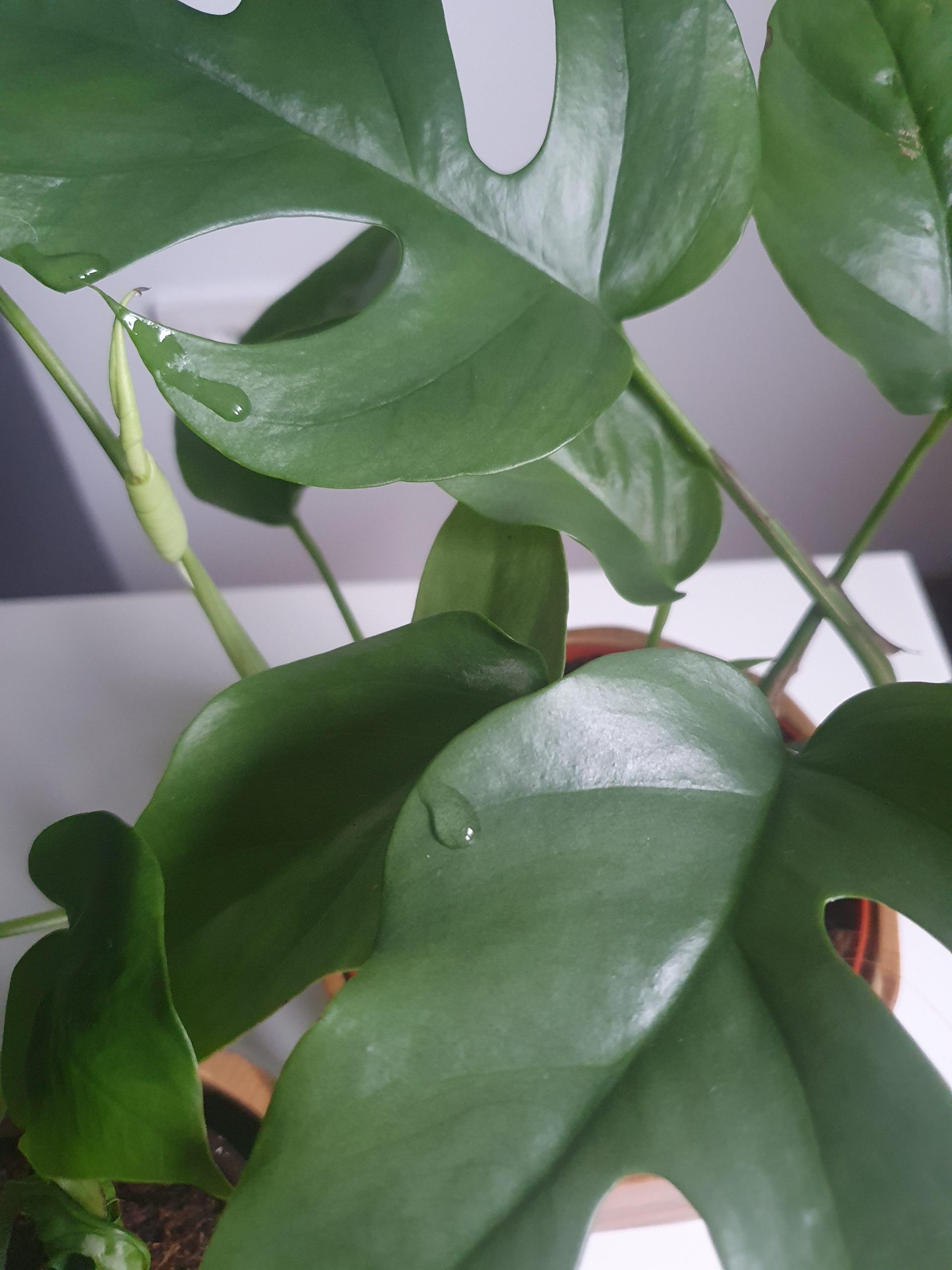
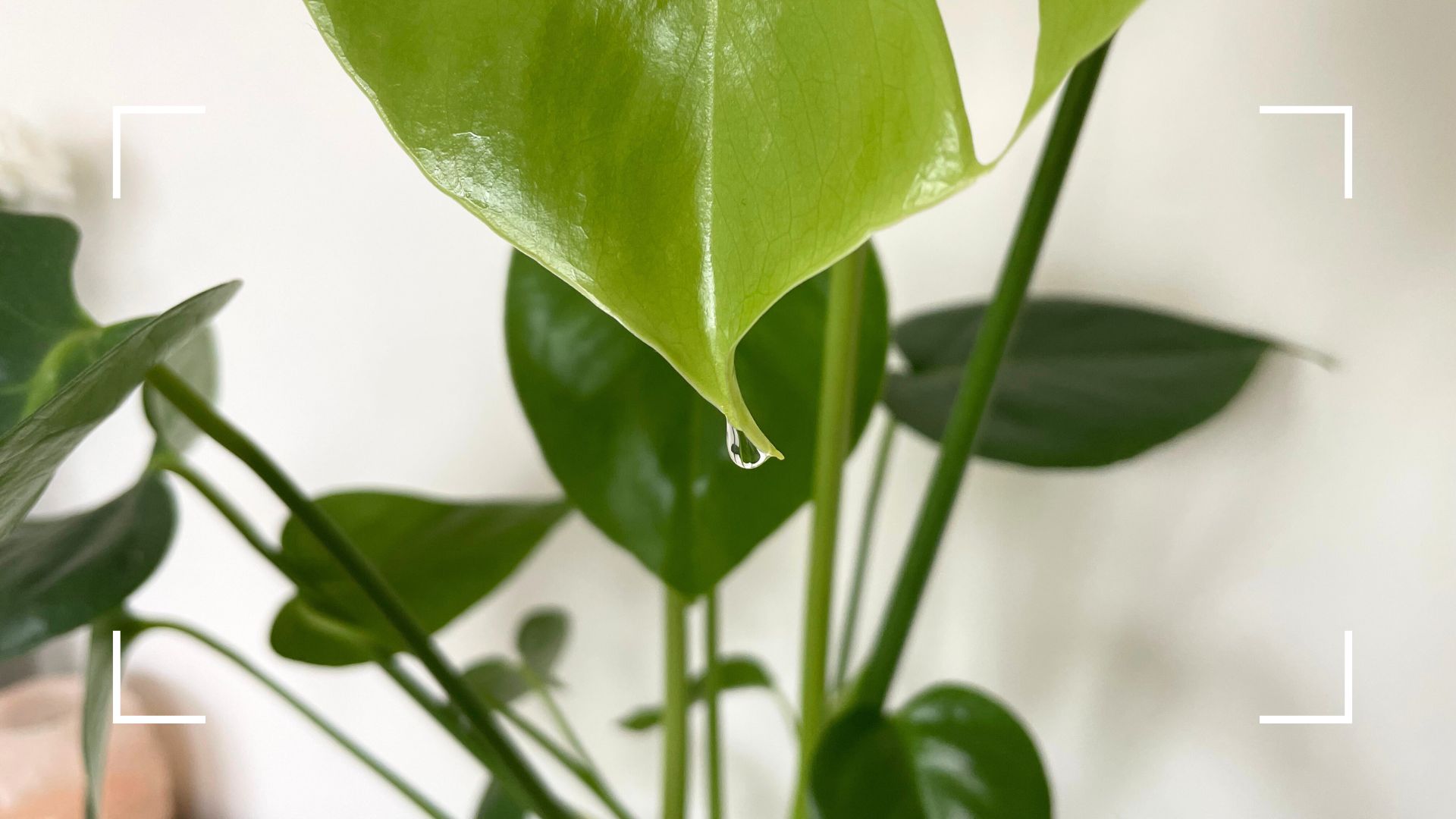
Monstera plants are popular for their large, beautiful leaves. But, sometimes, they appear to cry, with water droplets on their edges.
Why does this happen? Monstera plants weep due to a natural process called guttation. This occurs when the plant releases excess water from its leaves. It’s a sign the plant is healthy and well-hydrated. Understanding why your Monstera weeps can help you care for it better.
This phenomenon often confuses plant owners. Knowing the reasons behind it can ease your worries and improve your plant care routine. Let’s explore why your Monstera weeps and what it means for its health.
Monstera Plant Basics
Monstera plants, often called the Swiss cheese plant, are popular houseplants. Known for their unique, hole-filled leaves, they add a touch of the tropics to any home. Understanding the basics of Monstera care helps keep your plant healthy and vibrant. Let’s explore more about these fascinating plants.
Introduction To Monstera
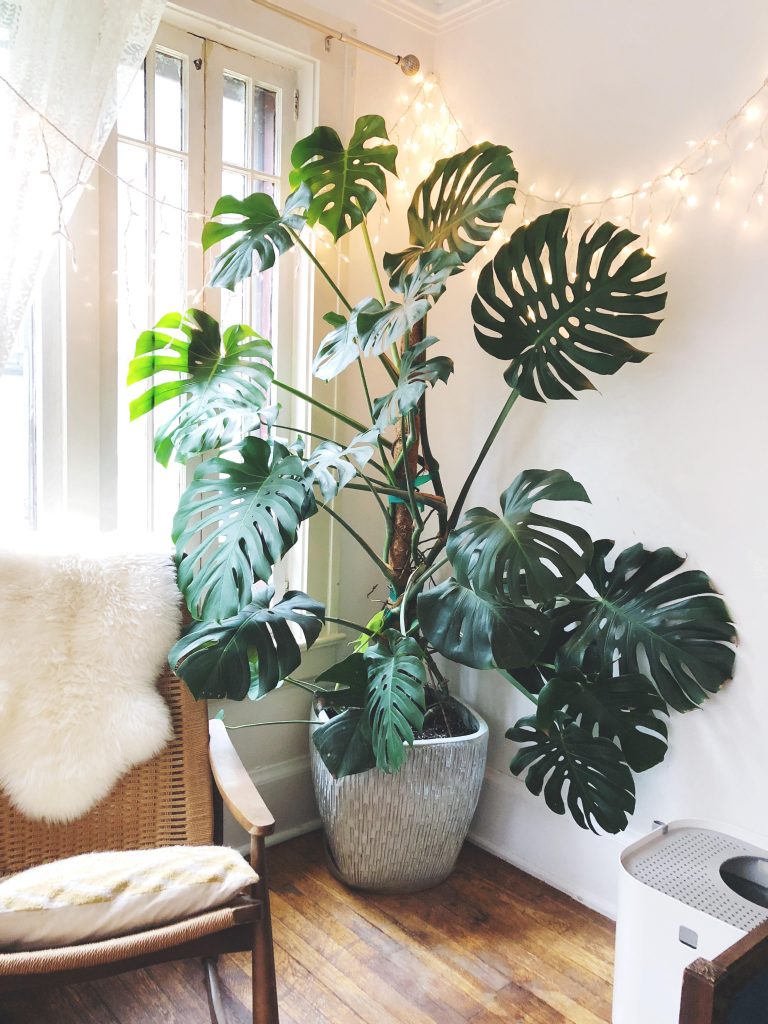
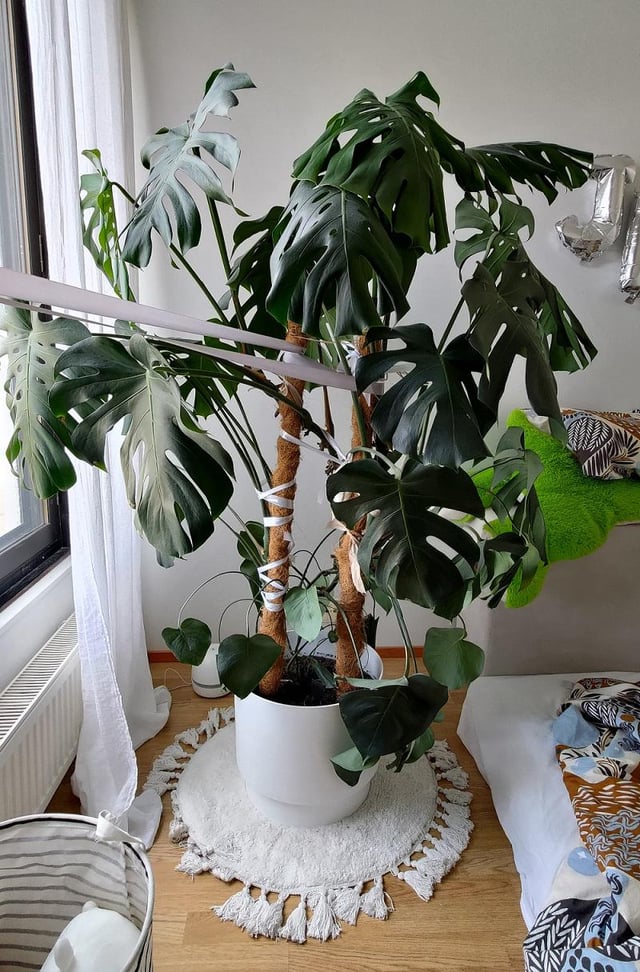
The Monstera plant originates from the tropical forests of Central America. They thrive in humid, warm environments. These plants are climbers and use aerial roots to support their growth. In their natural habitat, they can grow up to 70 feet tall. Indoors, they usually reach a height of 6 to 8 feet.
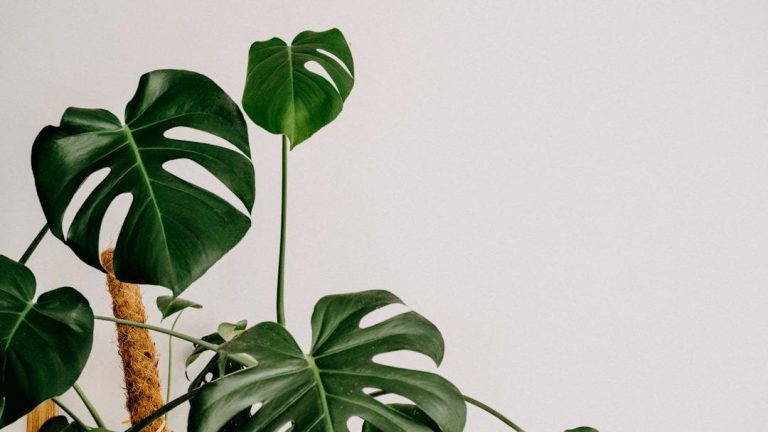
Monstera leaves are large, glossy, and heart-shaped. The holes in the leaves are called fenestrations. These holes help the plant withstand heavy rainfall and strong winds. Monstera plants are not only beautiful but also easy to care for, making them a favorite among plant enthusiasts.
Popular Varieties
Several Monstera varieties are popular among plant lovers. Each variety has its own unique characteristics. Below is a table highlighting some of the most well-loved types:
| Variety | Leaf Appearance | Special Features |
|---|---|---|
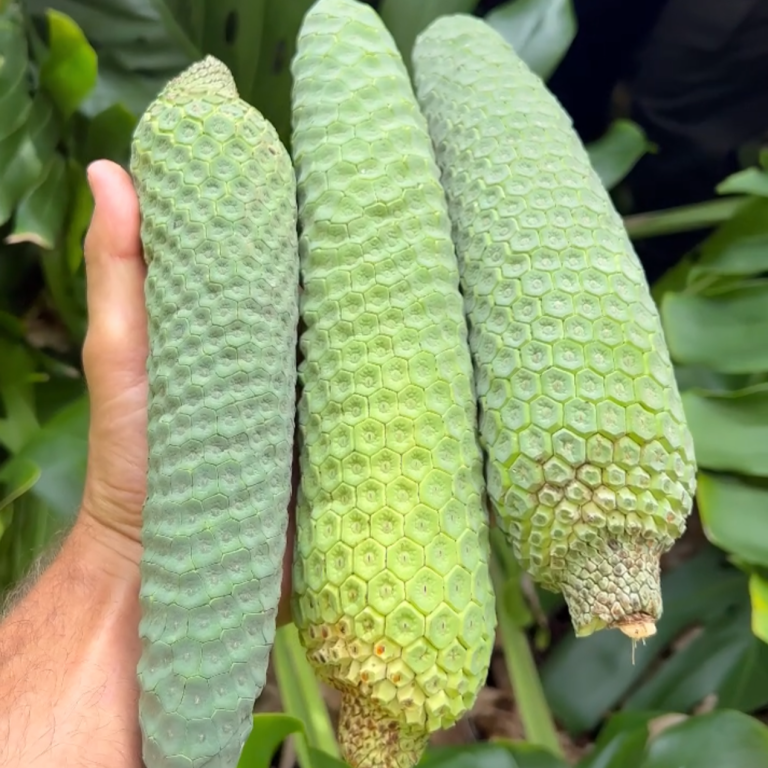
| Monstera Deliciosa | Large, heart-shaped leaves with deep splits and holes | Most common variety, known for its delicious fruit |
| Monstera Adansonii | Smaller leaves with oval holes | Compact size, ideal for smaller spaces |
| Monstera Obliqua | Thin leaves with large, irregular holes | Rare variety, often confused with Adansonii |
| Monstera Borsigiana | Similar to Deliciosa but smaller and faster-growing | Better suited for indoor environments |
Monstera Deliciosa is the most well-known variety. Its large leaves and delicious fruit make it a standout. Monstera Adansonii, with its smaller size, fits well in apartments. Monstera Obliqua is rare and often sought after by collectors. Monstera Borsigiana grows quickly and is great for indoor spaces.
Each variety has its own charm. Whether you prefer the classic Deliciosa or the rare Obliqua, Monstera plants bring a touch of the tropics to your home.

Understanding Leaf Dripping
Monstera plants weep due to a process called guttation. Excess water in the soil forces out moisture through leaf tips. This natural phenomenon helps balance the plant’s internal water levels.
The sight of water droplets on Monstera leaves can be puzzling. Many plant owners wonder why their Monstera appears to weep. This phenomenon is known as leaf dripping. It is natural and fascinating. Let’s dive deeper into why this occurs.What Is Guttation?
Guttation is the process where plants excrete water droplets. These droplets come from the edges of leaves. This happens due to root pressure. Roots absorb water from the soil, creating pressure. This pressure pushes water out through special leaf pores called hydathodes. Guttation is common in many houseplants, not just Monstera. It usually occurs at night or early morning. This is when the air is humid, and transpiration is low. Understanding guttation helps in caring for your Monstera better.Common Misconceptions
Many people confuse guttation with dew. Dew forms from condensation, while guttation comes from within the plant. Some also think that leaf dripping means overwatering. This is not always true. Guttation can occur even with proper watering. Another myth is that guttation indicates a sick plant. Healthy plants often show guttation. It is a sign that the plant’s roots are actively absorbing water. Recognizing these misconceptions helps in better plant care. In summary, leaf dripping is a natural process. Knowing about guttation and its common misconceptions enhances your plant care knowledge. Embrace the beauty of your weeping Monstera. “`Causes Of Guttation
Monstera plants are known for their striking appearance and ease of care. Sometimes, they release water droplets from their leaves, a phenomenon called guttation. Understanding the causes of guttation can help you care for your Monstera better.
Excess Watering
One primary cause of guttation is excess watering. Monstera plants absorb more water than they need. The extra water builds up pressure inside the plant. This pressure forces water out through the leaf edges. Always check the soil before watering your Monstera. Ensure the top inch of soil is dry.
High Humidity Levels
High humidity levels can also lead to guttation. Monstera plants thrive in humid environments. But too much humidity can cause them to release water. This is their way of balancing internal moisture levels. Use a humidity meter to monitor your plant’s environment. Aim for moderate humidity levels to prevent guttation.
Environmental Factors
Monstera plants, known for their striking leaves, sometimes weep. This phenomenon can concern plant owners. Environmental factors play a significant role in this behavior. Understanding these factors can help maintain a healthy Monstera.
Temperature Fluctuations
Temperature changes can cause a Monstera to weep. These plants thrive in stable conditions. Sudden shifts in temperature stress the plant. This stress can lead to excessive water release. Keep the room temperature consistent. Avoid placing the plant near drafts or heating vents.
Light Conditions
Light conditions also affect Monstera plants. They prefer bright, indirect light. Direct sunlight can harm their leaves. Insufficient light can cause the plant to weep. Find a spot with filtered light. Rotate the plant periodically for even growth.
Health Implications
Monstera plants, often known as Swiss cheese plants, are popular houseplants. They are known for their unique leaves and easy care. But sometimes, you might notice them weeping. This can be a sign of underlying health issues. Understanding these health implications can help keep your Monstera thriving.
Signs Of Overwatering
Overwatering is a common issue with Monsteras. When overwatered, their leaves can become yellow. You might also notice the soil is always wet. This can lead to root rot. Root rot is harmful and can kill your plant. Check the roots if you suspect overwatering. Healthy roots are white and firm. Rotting roots are dark and mushy. Reduce watering and ensure good drainage to prevent this.
Potential Diseases
Monsteras can also suffer from diseases. Fungal infections are a common problem. These can cause spots on the leaves. You might see black or brown patches. Leaf blight and powdery mildew are examples. To treat these, remove affected leaves. Use a fungicide if necessary. Keep the plant in a well-ventilated area. This helps prevent the spread of disease.
Bacterial infections can also affect Monsteras. These often show as yellow or brown spots. The spots may have a halo of yellow around them. To manage bacterial infections, remove infected leaves. Ensure the plant is not too crowded. This helps air circulate better.
Preventing Guttation
Monstera plants weep due to excess water intake, leading to guttation. Prevent this by regulating watering and ensuring proper soil drainage.
Guttation occurs when water droplets form on the edges of Monstera leaves. This happens due to excess water in the plant’s system. Preventing guttation can help keep your Monstera healthy and your home clean. Here are some effective methods to prevent guttation.Adjusting Watering Schedule
Water your Monstera less frequently. Allow the top inch of soil to dry out before watering again. Overwatering causes excess moisture, leading to guttation. Consistent watering helps balance the plant’s hydration needs. During colder months, water even less. Monstera needs less water during winter.Improving Drainage
Ensure your Monstera’s pot has drainage holes. Good drainage prevents water from sitting at the roots. Use a well-draining soil mix. Add materials like perlite or sand to improve soil drainage. Avoid pots without drainage holes. Poor drainage leads to excess water, causing guttation. Elevate the pot with a saucer to catch excess water. This prevents water from reabsorbing into the soil. “`Caring For Monstera
Monstera plants are popular for their unique leaves and easy care. To keep your Monstera healthy, you need to follow some simple steps. Proper watering and the right soil mix are key.
Proper Watering Techniques
Monstera plants thrive with the right amount of water. Overwatering can cause root rot, while underwatering can stress the plant. Here’s how to water your Monstera correctly:
- Water your Monstera once a week.
- Check the soil before watering. It should be dry an inch below the surface.
- Use a pot with drainage holes. This helps excess water escape.
- Water the plant until water flows out of the drainage holes.
Consistency is key. Too much or too little water can harm your Monstera.
Optimal Soil Mix
The right soil mix helps your Monstera grow strong. A well-draining soil mix prevents water from sitting in the pot. Here is a simple soil mix for Monstera plants:
| Ingredient | Percentage |
|---|---|
| Peat moss | 40% |
| Perlite | 30% |
| Pine bark | 20% |
| Compost | 10% |
Mix these ingredients well. This soil mix provides good drainage and nutrients.
Remember, caring for your Monstera means paying attention to its needs. Proper watering and the right soil mix will keep your plant happy and healthy.

Frequently Asked Questions
Why Does My Monstera Plant Drip Water?
Monstera plants drip water due to a process called guttation. Excess moisture from watering leads to water droplets on the leaf edges.
Is Guttation Harmful To Monstera Plants?
No, guttation is not harmful. It’s a natural process that helps the plant release excess water.
How Can I Stop My Monstera From Weeping?
To reduce weeping, adjust watering habits. Ensure proper drainage and avoid overwatering your Monstera plant.
When Does Monstera Typically Weep?
Monstera plants usually weep during the night or early morning when humidity levels are higher.
Conclusion
Understanding why your Monstera weeps can improve plant care. It often signals overwatering, humidity issues, or temperature changes. Adjust your watering schedule and monitor the plant’s environment. Healthy Monsteras bring beauty and joy to any space. Regular checks and adjustments can keep them thriving.
Remember, a happy plant means a happy home. Your Monstera will thank you with lush, vibrant leaves. Happy growing!