Why Does Monstera Leaves Curl? Unveiling the Hidden Causes
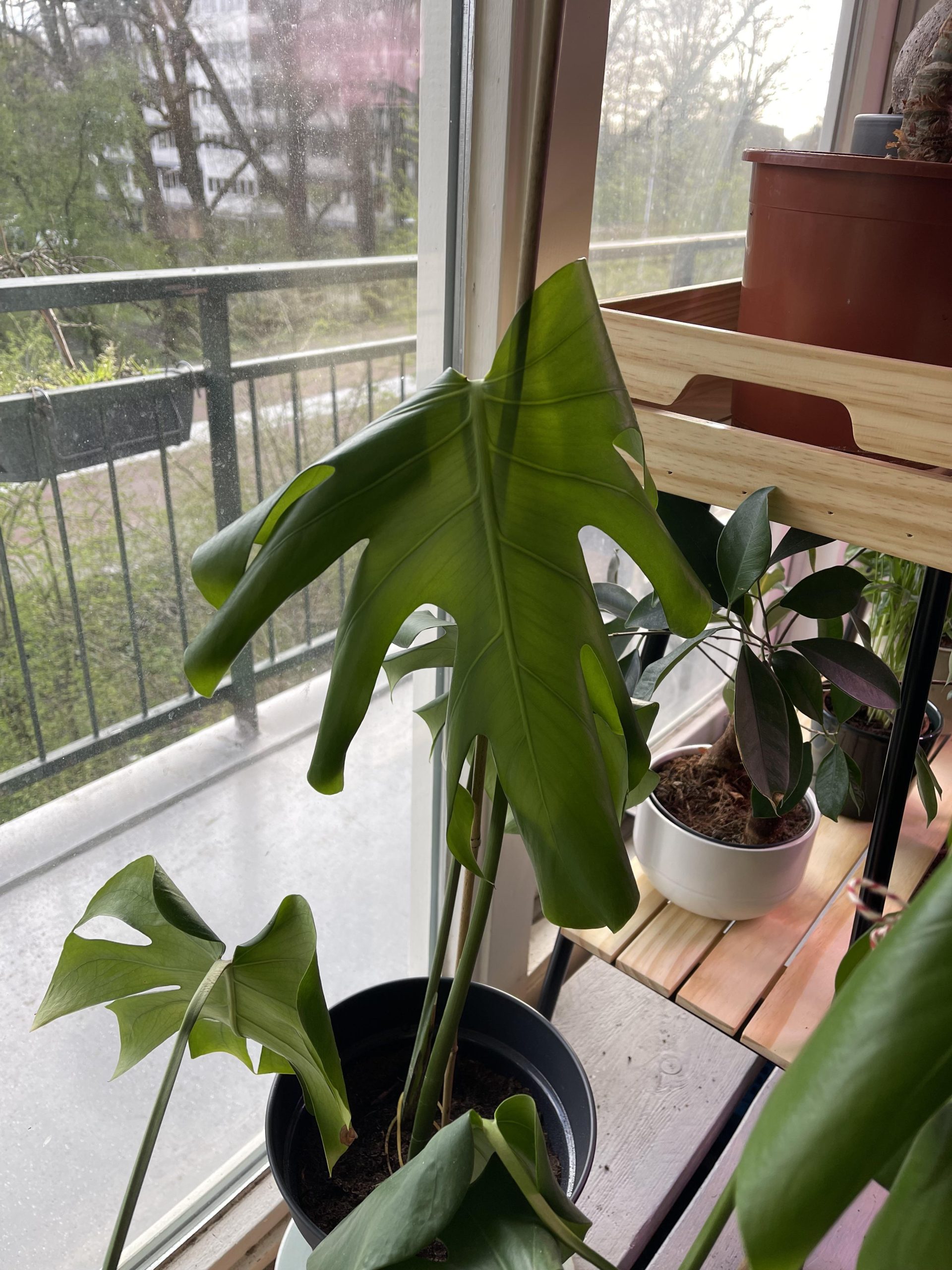
Monstera leaves curl due to various reasons. It can be a sign of stress, improper care, or environmental issues.
Understanding why Monstera leaves curl is crucial for plant lovers. Monstera plants, known for their stunning foliage, can sometimes show signs of distress. Curled leaves are often a clear indicator that something is wrong. From watering habits to light exposure, many factors influence leaf health.
This guide will help you identify the causes and offer solutions to keep your Monstera thriving. By recognizing these signs early, you can ensure your plant remains vibrant and healthy. Let’s explore the common reasons behind this issue and how to address them effectively. Your Monstera deserves the best care, and this knowledge will help you provide it.
Common Reasons For Curling Leaves
Monstera plants are popular for their unique and beautiful leaves. But sometimes, these leaves can curl. Understanding why this happens is key to keeping your plant healthy. Below are some common reasons for curling leaves.
Watering Issues
Improper watering is a primary reason for curling leaves. Both overwatering and underwatering can stress the plant. Too much water can lead to root rot. This prevents the plant from absorbing nutrients. On the other hand, too little water causes the soil to dry out. This makes it hard for the plant to stay hydrated.
Temperature Fluctuations
Temperature changes can also cause leaves to curl. Monstera plants thrive in stable conditions. Sudden drops or rises in temperature can stress the plant. This often leads to curling leaves. Keep your plant away from drafts and direct heat sources. Consistent temperatures help maintain healthy leaves.
Impact Of Light Conditions
Understanding the impact of light conditions on your Monstera is crucial. Light affects how well your Monstera thrives. The right amount of light ensures healthy growth. Improper light conditions cause leaf curling. Let’s explore how insufficient light and excessive direct sunlight impact Monstera leaves.
Insufficient Light
Monstera plants need bright, indirect light. Insufficient light causes the leaves to curl. In low light, the plant struggles to perform photosynthesis. This leads to weak growth and curling leaves.
Signs of insufficient light include:
- Slow growth
- Pale or yellowing leaves
- Leggy stems
Place your Monstera near a north or east-facing window. Ensure it gets enough light without direct sun exposure.
Excessive Direct Sunlight
While Monstera loves light, too much direct sunlight is harmful. Excessive sunlight causes the leaves to curl and scorch. The leaves may develop brown or crispy edges.
Signs of excessive direct sunlight include:
- Brown, crispy leaf edges
- Curled leaves
- Sunburn spots
Use sheer curtains to filter the light. Place the plant where it gets bright, indirect light for most of the day.
Soil And Nutrient Factors
Monstera leaves curling can be a sign of various problems. One key factor is soil and nutrient issues. These factors can greatly affect the health of your Monstera plant.
Soil Quality
Healthy soil is essential for Monstera plants. Poor soil quality can cause leaves to curl. Monstera plants need well-draining soil. If the soil is too compact, roots can’t breathe. This can lead to stress and curling leaves. Ensure your soil mix has peat, bark, and perlite. This combination promotes proper drainage and aeration. Check the soil regularly to keep it in good condition.
Fertilizer Imbalance
Fertilizers provide nutrients for Monstera growth. Too much or too little fertilizer can be harmful. Over-fertilizing can burn the roots. This often results in curled leaves. Under-fertilizing can lead to nutrient deficiencies. This also causes leaves to curl. Use a balanced, slow-release fertilizer. Follow the recommended dosage to avoid imbalances. Regularly check for signs of nutrient issues. Adjust your fertilizing routine as needed for healthy leaves.
Pest And Disease Influence
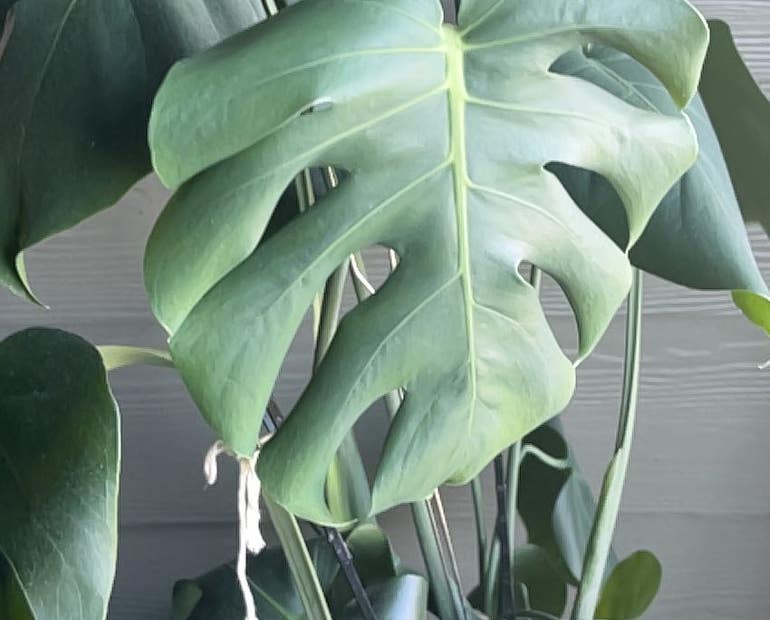
Monstera leaves curling can often be attributed to pest and disease influence. Pests and diseases can stress the plant, leading to curling leaves. Identifying and addressing these issues promptly is crucial for maintaining healthy foliage.
Common Pests
Pests are a major cause of Monstera leaf curling. Common pests include:
- Spider Mites: Tiny, red or black mites that suck sap from the leaves.
- Aphids: Small, green insects that feed on plant sap, causing leaf deformation.
- Mealybugs: White, cottony insects that weaken the plant by sucking its juices.
- Scale Insects: Small, brown or black insects that attach to stems and leaves, draining sap.
These pests can be controlled with insecticidal soap or neem oil. Regularly inspecting your Monstera for signs of pests will help prevent severe infestations.
Fungal Infections
Fungal infections can also cause Monstera leaves to curl. Common fungal issues include:
- Powdery Mildew: White, powdery spots on leaves that cause curling and distortion.
- Root Rot: Caused by overwatering, it leads to yellowing and curling leaves.
- Leaf Spot: Brown or black spots on leaves that cause them to curl and wilt.
Fungal infections can be managed by ensuring proper air circulation and avoiding overhead watering. Fungicides can also be used to treat infected plants.
Understanding the impact of pests and diseases on Monstera plants is vital. Regular monitoring and proper care can prevent leaf curling and promote healthy growth.
Humidity Levels
Humidity plays a crucial role in the health of your Monstera plant. Incorrect humidity levels can cause the leaves to curl. Understanding how humidity affects your Monstera can help you maintain its lush appearance.
Low Humidity
Low humidity is a common cause of Monstera leaves curling. Monsteras thrive in environments with high humidity. When the air is too dry, the leaves lose moisture quickly. This causes the edges to curl inward.
To combat low humidity, consider the following:
- Use a humidifier near your plant.
- Mist the leaves daily.
- Group your plants together to create a micro-environment.
- Place a water tray with pebbles beneath the plant.
High Humidity
High humidity can also affect Monstera leaves, though it is less common. Extremely high humidity levels can lead to fungal issues and mold. These problems cause the leaves to curl and develop spots.
To manage high humidity:
- Ensure proper air circulation around the plant.
- Avoid over-watering.
- Use a dehumidifier if necessary.
- Keep the plant in a well-ventilated area.
Maintaining the right humidity levels is key to preventing Monstera leaves from curling. By monitoring and adjusting your indoor environment, you can keep your Monstera healthy and beautiful.
Pot Size And Root Bound Issues
Monstera leaves curling can be a sign of various issues. One common reason is related to pot size and root bound problems. The pot size directly impacts the plant’s health. If the plant is root-bound, it can lead to curling leaves. Let’s dive into these aspects to understand better.
Choosing The Right Pot
Choosing the right pot for your Monstera is crucial. The pot should be neither too big nor too small. An oversized pot holds excess water, causing root rot. A small pot restricts root growth, leading to stress. Select a pot with good drainage to prevent water logging.
Signs Of Root Bound
A root-bound Monstera shows several signs. The roots may start circling the pot. They can also emerge from drainage holes. Leaves may curl and turn yellow. The plant’s growth slows down. Repotting can help resolve these issues.
Improper Pruning Techniques
Improper pruning techniques can cause monstera leaves to curl. Pruning is essential for healthy growth. Yet, mistakes can lead to stress in plants. Stress results in curled leaves. Understanding proper pruning methods is crucial.
Correct Pruning Methods
Use sharp, clean scissors for pruning. Cut just above a node or leaf. Avoid cutting too close to the stem. This prevents damage to the plant. Remove any dead or yellow leaves. This promotes healthy growth.
Always prune in the growing season. This is typically spring and summer. Plants recover better during these times. Make sure to disinfect tools. This helps prevent the spread of disease.
Pruning Frequency
Prune monstera plants every few months. Check for dead or damaged leaves regularly. Don’t over-prune. This can stress the plant. A few cuts each time are sufficient.
Observe your plant’s growth pattern. Adjust pruning frequency as needed. Too much pruning can lead to curled leaves. Aim for balanced, healthy growth.
Stress Factors
If you notice your Monstera leaves curling, stress factors might be the cause. Plants, like humans, can experience stress. This stress can show in various ways, with leaf curling being a common sign. Understanding these stress factors can help you care better for your Monstera.
Environmental Stress
Environmental stressors include changes in temperature, humidity, and light. Monstera plants thrive in stable environments. Sudden changes can cause leaf curling.
Temperature: Monstera prefers temperatures between 65-85°F (18-29°C). Extreme cold or heat can stress the plant.
Humidity: Low humidity levels can cause the leaves to curl. Monstera plants love high humidity, ideally around 60%.
Light: Too much direct sunlight can scorch the leaves. Too little light can make the leaves curl as well. Place your plant in bright, indirect light.
| Factor | Ideal Condition |
|---|---|
| Temperature | 65-85°F (18-29°C) |
| Humidity | Around 60% |
| Light | Bright, indirect light |
Physical Damage
Physical damage can also cause leaf curling. This damage might come from mishandling the plant or pests.
Mishandling: Rough handling or frequent moving of the plant can damage the leaves. Handle your Monstera gently.
Pests: Pests like spider mites and aphids can harm your plant. They suck the sap from leaves, causing them to curl and wilt. Regularly check your plant for signs of pests.
- Inspect leaves weekly.
- Remove pests with a gentle spray of water or insecticidal soap.
Frequently Asked Questions
Why Are My Monstera Leaves Curling?
Monstera leaves curl due to improper watering, low humidity, or temperature stress. Ensure consistent watering and maintain humidity levels.
How Do You Fix Curled Monstera Leaves?
Fix curled Monstera leaves by adjusting watering habits, increasing humidity, and ensuring stable temperatures. Check for pests.
Can Overwatering Cause Monstera Leaves To Curl?
Yes, overwatering can cause Monstera leaves to curl. Ensure proper drainage and let the soil dry between waterings.
Does Low Humidity Affect Monstera Leaves?
Low humidity can cause Monstera leaves to curl. Increase humidity with a humidifier or misting the leaves.
Conclusion
Keep Monstera leaves healthy by addressing their curling issues. Ensure proper watering and maintain humidity levels. Check for pests and provide adequate light. Regularly inspect your plant for signs of stress. Healthy Monstera leaves indicate a thriving plant. Taking these steps helps your Monstera grow lush and vibrant.
Happy plant parenting!