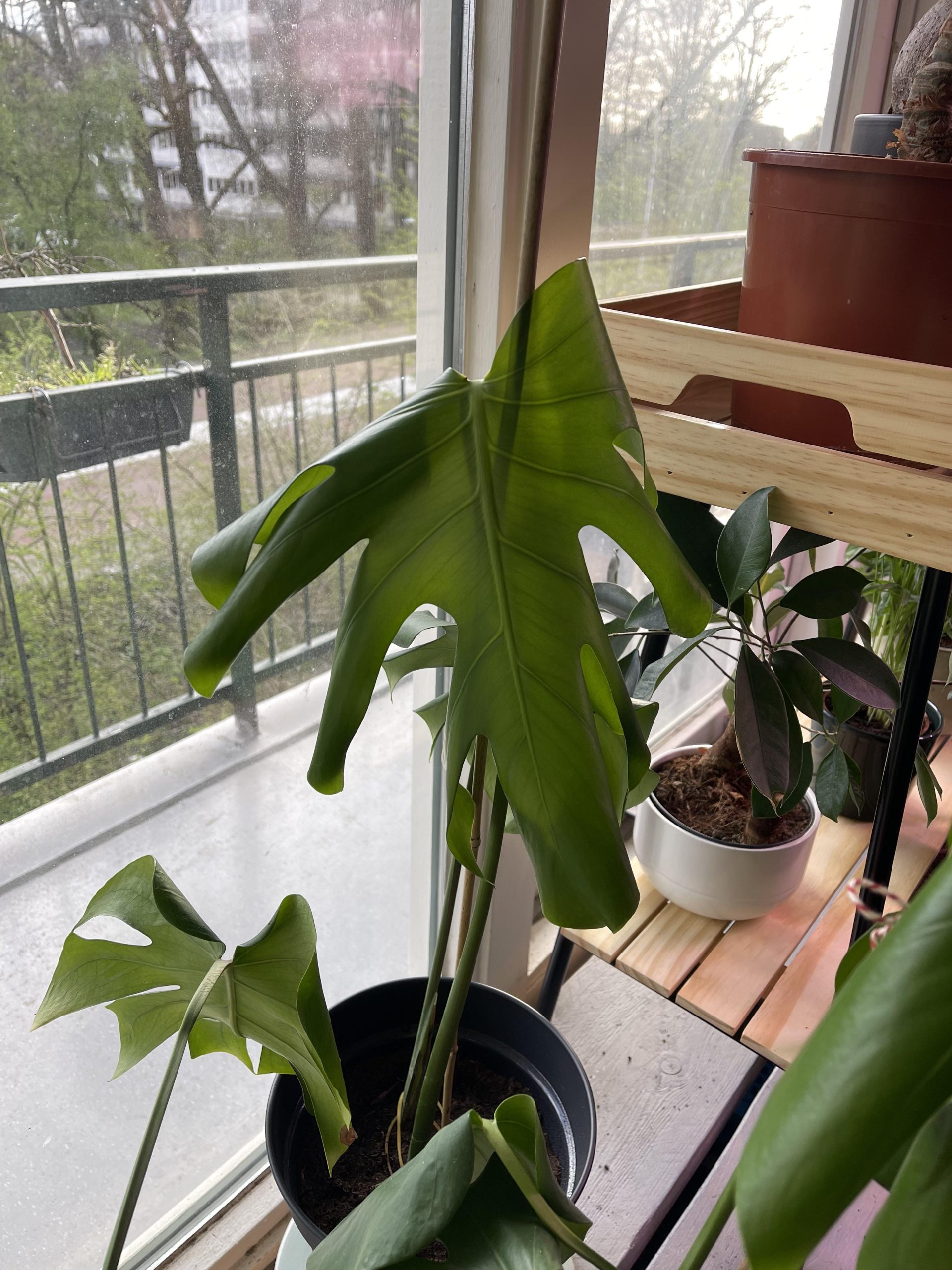
Monstera leaves curling can be a sign of distress. This issue can puzzle plant lovers.
Have you ever noticed your Monstera leaves curling? This can be worrying for any plant parent. Monstera, known for its lush and striking leaves, can display curling as a symptom of various problems. It could be due to water, light, or even pests.
Understanding the reasons behind this can help you keep your plant healthy. In this blog post, we will explore the common causes of Monstera leaf curl and how to fix them. By knowing these reasons, you can ensure your Monstera remains vibrant and thriving.
Introduction To Monstera Leaf Curl
The Monstera plant is a favorite among indoor plant enthusiasts. Its large, split leaves add a tropical feel to any space. But sometimes, these beautiful leaves begin to curl. This can be alarming for plant owners. Understanding why Monstera leaves curl is crucial for plant health.
Common Symptoms
Curling leaves are a sign of distress in Monsteras. They may curl inward or outward. Brown edges or spots often accompany the curling. The leaves might also feel dry or brittle. These symptoms indicate that something is wrong with the plant’s environment or care.
Importance Of Healthy Leaves
Healthy leaves are vital for a Monstera plant. They perform photosynthesis, which provides energy for growth. Healthy leaves are also more resistant to pests and diseases. Keeping the leaves healthy ensures the plant thrives.
Environmental Factors
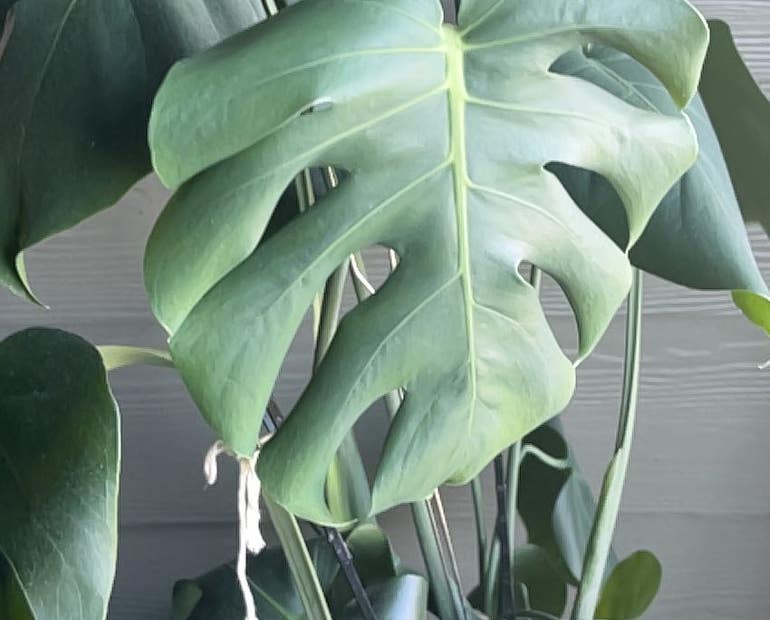
Monstera leaves curling can be a sign of stress. Environmental factors often contribute to this issue. Understanding these factors helps in maintaining healthy Monstera plants.
Temperature Fluctuations
Monstera plants prefer stable temperatures. Sudden changes can cause leaf curling. Avoid placing your plant near drafts or heaters. Consistent room temperature promotes healthy growth.
Humidity Levels
Monstera plants thrive in high humidity. Low humidity leads to dry, curling leaves. Use a humidifier to maintain optimal levels. Mist the leaves regularly for extra moisture.
Watering Issues
Monstera plants are loved for their lush, green leaves. But sometimes, the leaves start to curl. One common reason is watering issues. Both overwatering and underwatering can cause leaf curl. Let’s dive deeper into these two problems.
Overwatering Effects
Overwatering can harm your Monstera. Too much water leads to root rot. This prevents roots from getting enough oxygen. As a result, the leaves start to curl.
Signs of overwatering include:
- Yellowing leaves
- Mushy stems
- Foul smell from the soil
To avoid this, ensure proper drainage. Use a pot with drainage holes. Check the soil before watering. If the top inch is dry, it’s time to water.
Underwatering Consequences
Underwatering is another reason for leaf curl. When a Monstera doesn’t get enough water, its leaves dry out. This causes them to curl to conserve moisture.
Signs of underwatering include:
- Brittle, crispy leaves
- Brown leaf edges
- Soil pulling away from the pot’s edges
To prevent underwatering, keep a regular watering schedule. Water the plant when the top inch of soil is dry. Use a moisture meter for accuracy.
Here is a quick comparison of the symptoms:
| Overwatering | Underwatering |
|---|---|
| Yellowing leaves | Brittle, crispy leaves |
| Mushy stems | Brown leaf edges |
| Foul smell from the soil | Soil pulling away from the pot’s edges |
Soil And Nutrient Deficiencies
Monstera plants are popular for their stunning, large leaves. But sometimes, you might notice their leaves curling. One common reason is soil and nutrient deficiencies. These issues can make it hard for the plant to absorb water and nutrients. This leads to unhealthy, curling leaves.
Poor Soil Quality
Poor soil quality can cause Monstera leaves to curl. If the soil is compacted, it restricts root growth. This prevents the plant from taking up enough water and nutrients. It may also lead to poor drainage, which can cause root rot. Always use well-draining soil to keep your Monstera healthy.
Lack Of Essential Nutrients
A lack of essential nutrients can also cause leaf curling. Monstera plants need a balanced supply of nutrients like nitrogen, phosphorus, and potassium. If the soil lacks these nutrients, the leaves may curl. Regularly feeding your plant with a balanced fertilizer can help prevent this issue.
Pest Infestations
Pest infestations are a common cause of Monstera leaf curl. Small insects attack the plant, causing damage. Let’s dive into the details.
Common Pests
Several pests can infest Monstera plants. These include:
- Aphids: Small, soft-bodied insects that suck plant sap.
- Spider Mites: Tiny arachnids that create webbing on leaves.
- Mealybugs: White, cotton-like insects found on stems and leaves.
- Scale Insects: Hard-shelled pests that attach to plant surfaces.
Damage Caused
Pests cause various types of damage to Monstera leaves:
- Leaf Curling: Pests suck sap, leading to leaf deformation.
- Yellowing: Leaves turn yellow due to nutrient loss.
- Stunted Growth: Infested plants grow slower and become weak.
- Sticky Residue: Some pests leave behind a sticky substance.
To combat these pests, inspect your Monstera regularly. Remove any visible pests by hand. Use insecticidal soap or neem oil for severe infestations.
Disease And Fungal Infections
Monstera plants are adored for their lush, unique leaves. Yet, they can be prone to leaf curling. One of the primary causes of this issue is disease and fungal infections. Understanding these problems and how to address them is crucial for the health of your Monstera.
Identifying Diseases
Diseases often manifest through leaf curling, yellowing, or brown spots. Fungal infections such as leaf spot disease are common culprits. These infections usually start as small spots that grow over time. Pay close attention to any unusual changes in the leaves’ appearance.
Another sign of disease could be a powdery residue on the leaves. This may indicate a fungal problem. Regularly inspect your Monstera for these symptoms to catch diseases early.
Preventive Measures
Proper care can prevent most fungal infections. Ensure your Monstera is in a well-ventilated area. Avoid overwatering, as excess moisture encourages fungi. Use a well-draining soil mix to help manage water levels.
Clean your plant’s leaves regularly. This removes dust and potential fungal spores. Quarantine new plants before introducing them to your collection. This step can prevent the spread of disease.
If you notice any signs of disease, act quickly. Remove affected leaves and treat the plant with a fungicide. Following these steps helps keep your Monstera healthy and vibrant.
Improper Light Conditions
Monstera plants are popular for their unique leaves. But sometimes, their leaves start to curl. One common reason for this is improper light conditions. Proper light is essential for a Monstera’s health. Let’s explore the effects of both excessive and insufficient light on your Monstera plant.
Excessive Light
Too much light can cause Monstera leaves to curl. Monsteras prefer indirect sunlight. Direct sunlight can scorch their leaves. Sunburned leaves turn yellow or brown. They also lose moisture quickly. This leads to curling. Protect your Monstera by placing it in a bright, but indirect light spot.
| Signs of Excessive Light | Solutions |
|---|---|
| Yellow or brown leaf edges | Move to a spot with indirect light |
| Leaves curling upwards | Use sheer curtains to filter light |
| Dry, brittle leaves | Avoid placing near windows with direct sun |
Insufficient Light
Monsteras also suffer from too little light. Low light causes their leaves to curl down. They grow slower and their leaves become smaller. In low light, leaves may turn dark green. They might even develop brown spots. Make sure your Monstera gets enough light. Use grow lights if needed.
- Place the plant near a north or east-facing window.
- Rotate the plant every few weeks.
- Use artificial light during darker months.
Understanding these light requirements helps keep your Monstera healthy. Adjust the light conditions as needed. Your Monstera will thrive with proper care.
Solutions And Preventive Tips
Leaf curl in Monstera plants can be alarming for plant owners. Identifying the causes and implementing the right solutions is key to ensuring your plant’s health. Here are some solutions and preventive tips to help you maintain your Monstera’s vibrant appearance.
Proper Care Techniques
Proper care is essential for preventing leaf curl. Follow these tips:
- Watering: Water your Monstera when the top inch of soil is dry. Overwatering can cause root rot.
- Humidity: Maintain a humidity level between 60-80%. Use a humidifier if necessary.
- Light: Provide bright, indirect sunlight. Avoid direct sunlight, which can scorch leaves.
- Temperature: Keep the room temperature between 65-75°F. Avoid cold drafts and sudden temperature changes.
- Soil: Use well-draining soil. A mix with peat moss, perlite, and pine bark works well.
Long-term Maintenance
Long-term maintenance ensures your Monstera remains healthy:
- Regular Feeding: Fertilize your Monstera every 4-6 weeks during the growing season. Use a balanced, water-soluble fertilizer.
- Pruning: Trim damaged or yellowing leaves to encourage new growth. Use clean, sharp scissors.
- Pest Control: Check for pests regularly. Use insecticidal soap if you find any pests.
- Repotting: Repot your Monstera every 2-3 years. Choose a pot that is 1-2 inches larger in diameter.
By following these care techniques and maintenance tips, your Monstera will thrive and remain free from leaf curl.
Frequently Asked Questions
What Causes Monstera Leaves To Curl?
Monstera leaves curl due to underwatering, overwatering, or low humidity. Improper lighting and pest infestations can also cause curling.
How Can I Fix Curling Monstera Leaves?
To fix curling leaves, check watering habits, adjust humidity levels, and ensure proper lighting. Inspect for pests and treat if necessary.
Is Low Humidity Bad For Monstera Plants?
Yes, low humidity can cause Monstera leaves to curl. Increase humidity by misting or using a humidifier.
Can Overwatering Cause Monstera Leaf Curl?
Yes, overwatering can lead to root rot, causing Monstera leaves to curl. Ensure soil drains well and water properly.
Conclusion
Caring for a Monstera plant takes some attention. Leaf curl often means something is wrong. Check for overwatering, underwatering, or pests. Adjust light and humidity levels. Ensure proper soil drainage. Healthy leaves will thrive with the right care. Keep observing your plant regularly.
Quick action prevents serious problems. Happy gardening and enjoy your Monstera!
Leave a Reply