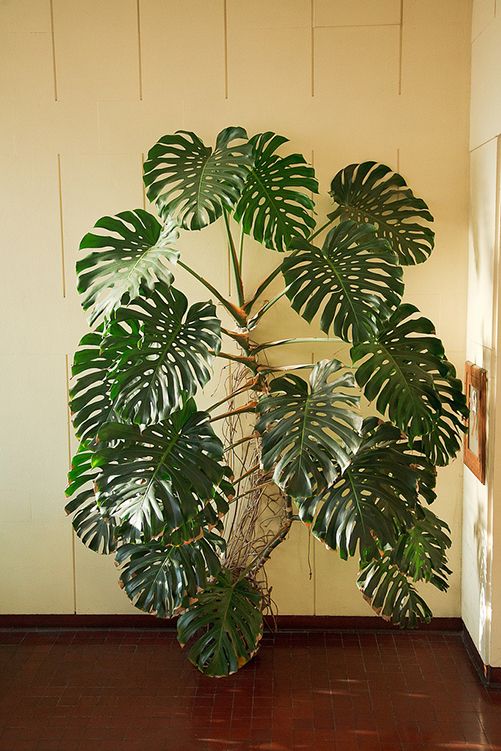
Why does Monstera have holes? The answer lies in its natural habitat.
These distinctive features help the plant thrive in its environment. Monstera, also known as the Swiss cheese plant, is famous for its unique leaves. The holes in its leaves are not just for show. They serve a practical purpose. In the wild, Monsteras grow in tropical rainforests.
The holes allow sunlight to filter through to lower leaves. This helps the plant catch more light in its shady home. Additionally, the holes help the plant withstand strong winds. By having holes, the leaves are less likely to tear. Understanding this natural adaptation makes us appreciate Monstera even more. It’s a beautiful and clever plant.
:max_bytes(150000):strip_icc()/GettyImages-1356462970-d882fc11ee0e4d2c92bfce2f27d933a4.jpg)
Introduction To Monstera
The Monstera plant, also called the Swiss Cheese Plant, is a favorite among plant enthusiasts. Its large, unique leaves with natural holes make it stand out. These holes give the plant a distinctive look and charm.
Monstera plants originate from tropical rainforests. They are known for their lush, green leaves and rapid growth. These plants thrive in warm, humid environments. They are relatively easy to care for, making them perfect for beginners.
Unique Features
Monstera plants are famous for their large, fenestrated leaves. These leaves develop holes as they mature. The holes help the plant survive in its natural habitat. They allow light and water to pass through to the lower leaves.
Another unique feature is their aerial roots. These roots grow above the soil and help the plant climb. In the wild, Monstera plants use these roots to attach to trees. This allows them to reach sunlight in dense forests.
Popularity In Houseplants
The Monstera plant is popular in homes worldwide. Its striking appearance makes it a favorite choice for indoor décor. Many people love its exotic look and easy maintenance.
Monstera plants are also known for their air-purifying qualities. They help improve indoor air quality by removing toxins. This adds to their appeal as houseplants.
Additionally, Monstera plants can grow in various indoor conditions. They can adapt to low light and still thrive. This versatility makes them ideal for different living spaces.
Natural Habitat
The Monstera plant, known for its striking leaves with holes, thrives in specific environments. Understanding its natural habitat can help you provide the best care for this exotic plant.
Tropical Origins
Monstera originates from the tropical rainforests of Central and South America. These plants grow under the canopy of tall trees. The dense foliage above provides a natural shade. This environment simulates a perfect balance of light and moisture.
Environmental Conditions
Monstera plants flourish in warm, humid conditions. The rainforest’s high humidity levels mimic the ideal surroundings for these plants. Consistent rainfall keeps the soil moist, but not waterlogged.
The temperature in these regions typically ranges between 20 to 30 degrees Celsius (68 to 86 degrees Fahrenheit). This warmth encourages healthy growth and development.
Monstera plants use their aerial roots to climb trees. This helps them reach for light in the dense forest. The holes in their leaves, known as fenestrations, allow light to filter through to the lower leaves.
Understanding these natural conditions provides insight into why Monstera plants have holes in their leaves. It is an adaptation for surviving and thriving in their native rainforest habitat.
Leaf Structure
Monstera plants are famous for their unique leaves. These leaves have natural holes. This feature makes them stand out. But why do these holes exist? Understanding the leaf structure helps answer this question.
Shape And Size
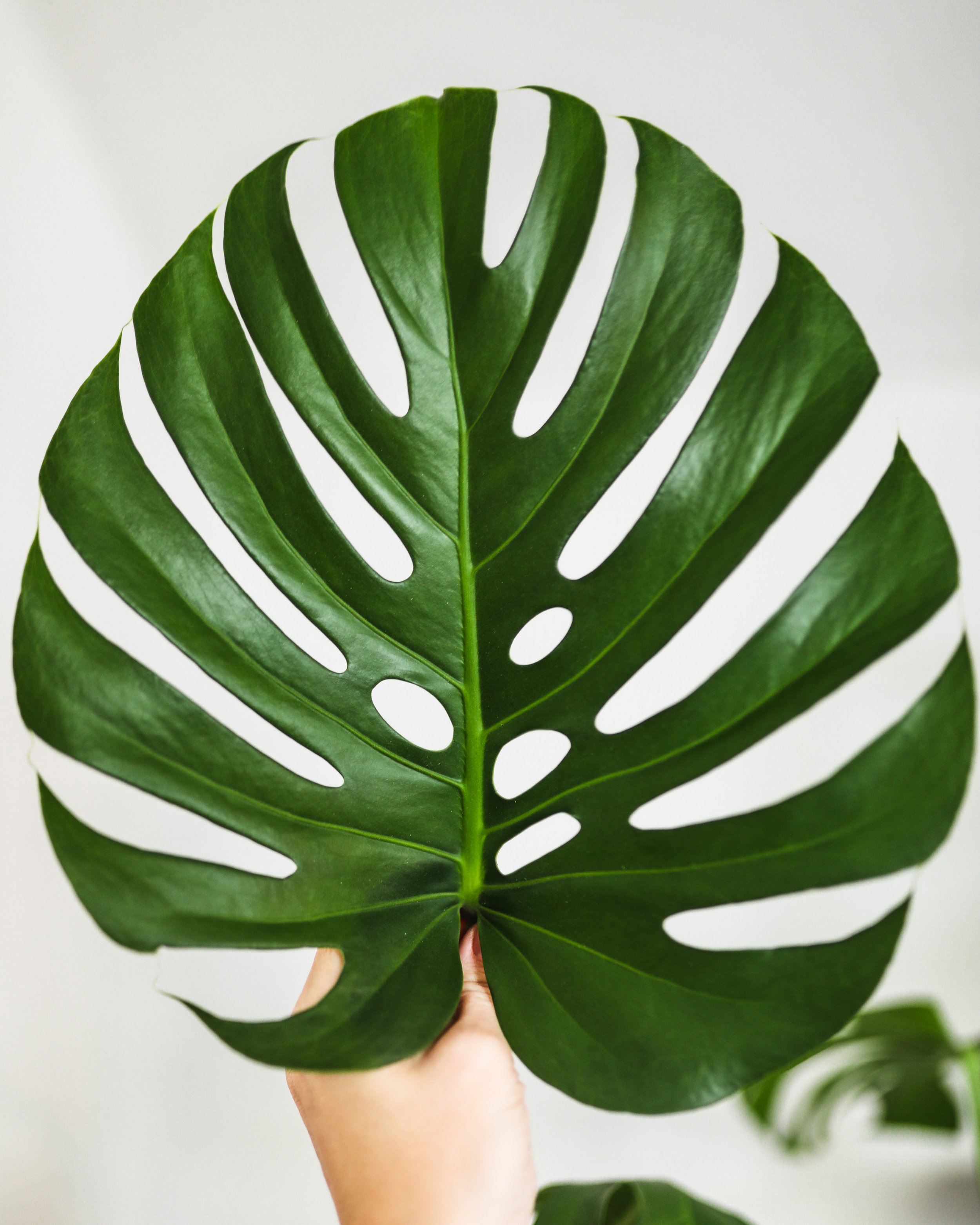
Monstera leaves come in various shapes and sizes. Young leaves are often smaller and heart-shaped. As the plant matures, the leaves grow larger. They can reach up to 3 feet wide. The holes also change with growth. Small leaves have fewer or no holes. Larger leaves have more holes and splits. This makes each leaf unique.
Development Stages
Monstera leaves go through stages of development. The first stage is the juvenile phase. Leaves in this phase are small and solid. No holes are present. The next stage is the mature phase. In this phase, leaves grow larger and develop holes. The holes start small and grow bigger over time. These holes help the plant adapt to its environment.
Purpose Of Holes
The Monstera plant, commonly known as the Swiss cheese plant, is famous for its unique leaves. These leaves have natural holes. But why does Monstera have holes? Understanding the purpose of these holes can help you better care for your plant.
Light Penetration
One primary reason for the holes is light penetration. In their natural habitat, Monsteras grow under the canopy of larger trees. The holes allow light to pass through the leaves. This enables the lower leaves to receive sunlight too.
Without these holes, the leaves below would struggle to get enough light. The plant’s growth might be stunted. By having holes, the plant ensures every part gets some light. This unique adaptation helps the Monstera thrive in low-light conditions.
Water Drainage
Another important reason for the holes is water drainage. In the wild, Monsteras experience heavy rainfall. The holes allow rainwater to pass through. This prevents water from collecting on the leaves.
Stagnant water can lead to leaf rot. The holes help in quick drainage, keeping the leaves healthy. This feature is especially useful in tropical climates where heavy rains are common.
Proper water drainage also reduces the risk of fungal infections. By having holes, the Monstera plant can maintain its health in wet conditions.
| Purpose | Benefit |
|---|---|
| Light Penetration | Allows lower leaves to get light |
| Water Drainage | Prevents water accumulation and leaf rot |
Understanding these functions of the holes can help you keep your Monstera healthy. Whether it’s ensuring proper light or preventing water buildup, these holes are essential. They are not just for looks but serve vital purposes for the plant’s survival.
Adaptation Strategies
Monstera plants, also known as Swiss cheese plants, are famous for their unique holes. These holes, also called fenestrations, are not just for looks. They are adaptation strategies that help the plant survive and thrive in its natural habitat.
Survival Mechanisms
Monstera plants grow in tropical rainforests. The holes in their leaves allow rain to pass through. This prevents the leaves from breaking under the weight of heavy rain. It also helps the plant get more sunlight. The holes let light reach the lower leaves. This helps the entire plant stay healthy and grow well.
Competition For Resources
Monstera plants compete for sunlight and nutrients in dense forests. The holes in their leaves help them grow larger. Larger leaves can capture more light. This gives the Monstera an edge over other plants. The holes also help the plant spread out. This allows it to cover more ground and gather more resources.
Scientific Studies
Have you ever wondered why Monsteras have holes in their leaves? Scientists have studied this fascinating phenomenon. Let’s dive into the research findings and ongoing investigations.
Research Findings
Research shows that Monstera leaves develop holes for several reasons. The main reason is to adapt to their natural environment. These plants often grow in dense forests.
In these forests, light is limited. The holes help the plant catch more light. They allow light to pass through the leaves. This benefits the leaves below.
Scientists have also found that holes help with water drainage. In the wild, rainwater can be heavy. Holes allow rain to pass through the leaves. This prevents damage to the plant.
| Reason | Benefit |
|---|---|
| Light Capture | Allows more light to reach lower leaves |
| Water Drainage | Prevents leaf damage from heavy rain |
Ongoing Investigations
Scientists continue to study Monsteras. They want to understand more about their unique leaves. New tools help researchers explore this mystery.
Some current studies focus on genetics. Researchers are looking at the plant’s DNA. They want to find the genes responsible for the holes. This could explain how the trait evolved.
Other studies look at the ecological impact. Scientists examine how the holes affect the plant’s survival. They study how Monsteras interact with their environment. This includes how they compete for light and water.
- Genetic studies on leaf development
- Ecological studies on plant survival
- Interaction with the environment
These ongoing investigations aim to provide a deeper understanding. As research continues, we learn more about the unique adaptations of Monsteras.
Care Tips For Monstera
Monstera plants, known for their unique leaf holes, require specific care to thrive. These tropical plants add a touch of nature to any home. To keep your Monstera healthy, follow these essential care tips.
Optimal Conditions
Monstera plants need bright, indirect light. Direct sunlight can scorch their leaves. Place them near a window with filtered light. They prefer temperatures between 65-85°F. Avoid cold drafts and sudden temperature changes. Humidity is also crucial. Aim for 60% humidity or higher. Use a humidifier if needed. Water your Monstera when the top inch of soil is dry. Overwatering can lead to root rot. Use well-draining soil and a pot with drainage holes.
Common Issues
Yellow leaves often indicate overwatering. Adjust your watering schedule accordingly. Brown leaf tips can signal low humidity. Increase humidity levels around your plant. Pests like spider mites and scale can also be a problem. Regularly check the leaves for signs of pests. Treat infestations with insecticidal soap or neem oil.
Leaf holes not forming properly? This may be due to inadequate light. Ensure your Monstera gets enough indirect sunlight. Slow growth can result from poor soil nutrition. Fertilize your plant during the growing season. Use a balanced, water-soluble fertilizer every month.

Cultural Significance
Monstera plants, with their distinctive holes, hold deep cultural significance. These plants are not just decorative; they represent various cultural values. Across different societies, Monstera plants symbolize beauty, strength, and growth. Let’s explore their symbolism in art and their role in interior design.
Symbolism In Art
Monstera plants often appear in art. They symbolize the natural world and its mysteries. Artists use Monstera leaves to represent growth and renewal. The unique holes in the leaves add an element of intrigue. This symbolism resonates with viewers, making Monstera a popular subject.
Role In Interior Design
Monstera plants are popular in interior design. They add a touch of nature to homes. Their large, striking leaves create a focal point in any room. The holes in the leaves add texture and interest. Designers use Monstera plants to create a sense of calm and relaxation. They are versatile and fit into various decor styles. From modern to bohemian, Monstera plants enhance any space.
Frequently Asked Questions
Why Do Monstera Leaves Have Holes?
Monstera leaves have holes to allow light to pass through. This helps lower leaves receive sunlight. The holes also reduce wind resistance, preventing damage.
How Do Monstera Holes Form?
Monstera holes form as the leaves mature. The plant naturally creates these splits and holes to optimize growth and survival.
Are Monstera Holes A Sign Of Disease?
No, Monstera holes are not a sign of disease. They are a natural characteristic of the plant’s growth.
Can I Encourage More Holes In Monstera Leaves?
Yes, provide bright, indirect light and proper humidity. Good care encourages more holes in Monstera leaves.
Conclusion
Holes in Monstera leaves serve important purposes. They help the plant adapt. Better airflow and light penetration are key benefits. These holes also reduce damage from strong winds. Understanding this can enhance your plant care. Healthy Monsteras have well-formed holes.
Keep an eye on your plant’s environment. Proper care leads to vibrant, holey leaves. Happy gardening!
Leave a Reply