
Monstera plants are known for their unique aerial roots. But why do they grow these roots?
Aerial roots serve several important functions for the Monstera. Monstera plants, native to tropical forests, have adapted to their environment. These roots help the plant climb and find sunlight. They also absorb moisture and nutrients from the air. Understanding why Monstera grows aerial roots can help you care for your plant better.
In this post, we will explore the reasons behind these fascinating roots. Learn how they benefit your Monstera and how to manage them. Whether you’re a new plant parent or an experienced gardener, this information will enhance your plant care knowledge. Dive in to discover more about the wonderful world of Monstera aerial roots.
Monstera Plant Basics
The Monstera plant, often called the Swiss Cheese Plant, is popular among indoor plant enthusiasts. Its large, glossy leaves with unique holes make it a favorite for adding a tropical touch to any space. But why does Monstera grow aerial roots? Let’s explore the basics of this fascinating plant to understand more.
Origins And Habitat
Monstera plants originate from the tropical forests of Central and South America. These plants thrive in warm, humid environments with filtered sunlight. In their natural habitat, Monsteras grow as climbers. They use other trees for support to reach sunlight. The aerial roots play a crucial role in this climbing process.
Unique Features
Monstera plants have several unique features that make them stand out:
- Aerial Roots: These roots grow above the soil and help the plant climb.
- Fenestrations: The leaves develop holes, which are called fenestrations. This feature helps the plant withstand strong winds and allows light to pass through.
- Large Leaves: The broad leaves help in photosynthesis, providing energy for growth.
Understanding these basics helps explain why Monstera grows aerial roots. They support the plant’s growth and survival in its natural habitat. These roots anchor the plant to trees and absorb moisture and nutrients from the air.
Here is a quick summary of Monstera’s unique features in a table:
| Feature | Description |
|---|---|
| Aerial Roots | Help the plant climb and absorb moisture |
| Fenestrations | Holes in leaves that reduce wind damage |
| Large Leaves | Broad leaves for efficient photosynthesis |
Knowing these aspects of the Monstera plant can help in providing better care and understanding its growth behavior.
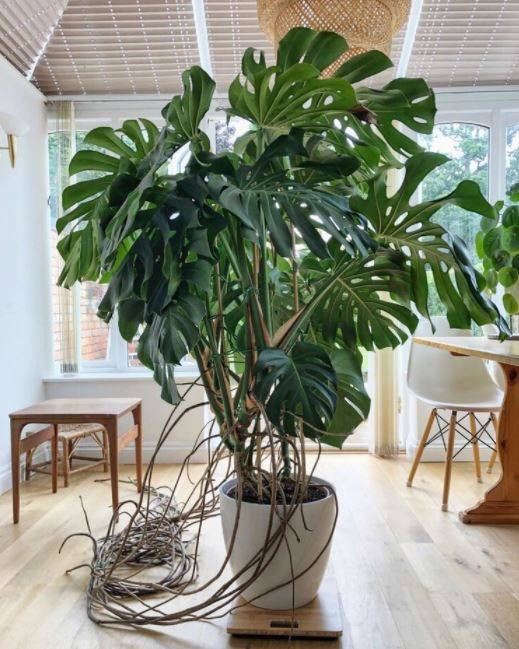
Aerial Roots Explained
Monstera plants are fascinating with their unique aerial roots. These roots grow above the ground and serve special purposes. Understanding these roots helps in proper plant care.
Definition And Characteristics
Aerial roots are roots that grow above the soil. Unlike regular roots, they do not need to be buried in the ground. They can grow from the plant’s stem or branches. These roots are usually thick and have a rough texture. They can be green or brown, depending on the plant’s age and health.
Aerial roots help the plant in several ways. They can absorb moisture from the air. They also help the plant climb and anchor itself to structures. This makes them different from regular roots, which mainly absorb nutrients and water from the soil.
Types Of Aerial Roots
Monstera plants have two main types of aerial roots. The first type is support roots. These roots help the plant climb and attach to surfaces like trees or walls. They provide stability and support for the plant as it grows taller.
The second type is absorbing roots. These roots take in moisture and nutrients from the air. They help the plant survive in its natural habitat, which is often humid and rainy. Both types of roots are important for the plant’s growth and health.
Understanding the types of aerial roots helps in taking better care of your Monstera. You can support its natural growth pattern and ensure it stays healthy and vibrant.
Natural Functions
Monstera plants are known for their unique aerial roots. These roots serve several natural functions that are crucial for the plant’s survival. They do more than just add to the plant’s exotic appearance. They play vital roles in support, stability, and nutrient absorption. Understanding these functions can help you care for your Monstera better.
Support And Stability
Aerial roots help Monstera plants anchor themselves. In their natural habitat, they grow in tropical forests. They use these roots to climb trees. This climbing ability allows them to reach sunlight. Without aerial roots, they would struggle to support their weight. These roots act like natural ropes. They hold the plant steady in windy conditions. They prevent the plant from falling over.
Nutrient Absorption
Aerial roots also aid in nutrient absorption. They can absorb moisture and nutrients from the air. This is vital in humid tropical environments. These roots can reach out to nearby sources of water. They help the plant sustain itself during dry periods. The roots can also absorb nutrients from organic matter on the forest floor. This helps the Monstera grow strong and healthy. Understanding this function can help you mimic these conditions at home. Mist the aerial roots regularly. This can improve your plant’s overall health.
Environmental Adaptations
Monstera plants are well-known for their unique aerial roots. These roots help the plant adapt to its environment. Understanding these adaptations can help you care for your Monstera better.
Tropical Rainforest Survival
Monsteras originate from tropical rainforests. These environments are humid and dense. Plants face challenges like low light and competition for space. Aerial roots help Monsteras thrive in these conditions.
Aerial roots absorb moisture from the air. This is essential in a humid climate. The roots also help the plant anchor itself. This is vital in the dense, competitive rainforest.
Climbing Mechanisms
Monsteras are natural climbers. In the wild, they climb trees to reach sunlight. Aerial roots play a key role in this process.
The roots attach to trees and other structures. This gives the plant support as it climbs. Climbing helps the Monstera access more light. It also keeps the plant stable as it grows taller.
Here are some benefits of climbing:
- Access to sunlight
- Better air circulation
- Increased stability
These adaptations make the Monstera a resilient plant. Understanding these can improve your plant care skills.
Benefits To The Plant
Monstera plants are known for their unique aerial roots. These roots are not only fascinating but also serve critical functions for the plant’s health and growth. Understanding the benefits to the plant of having aerial roots can help you care for your Monstera more effectively.
Enhanced Growth
Aerial roots help Monstera plants grow faster and stronger. They absorb moisture and nutrients from the air, supplementing what the plant gets from the soil. This additional nutrition aids in more robust growth.
These roots also provide physical support. They anchor the plant to various surfaces, allowing it to climb and spread. This support helps the Monstera grow taller and cover more space.
Better Access To Light
Aerial roots help Monstera plants reach better light sources. By climbing trees or other structures, the plant can move towards sunlight. This light-seeking behavior is essential for photosynthesis.
The higher the plant grows, the more light it can access. More light means more energy for the plant. This energy boosts overall health and growth.
| Benefit | Description |
|---|---|
| Enhanced Growth | Absorbs moisture and nutrients, provides physical support |
| Better Access to Light | Helps the plant reach sunlight for photosynthesis |
- Additional nutrition from aerial roots aids in robust growth.
- Physical support from aerial roots helps the plant climb and spread.
- Light-seeking behavior of aerial roots boosts overall health.
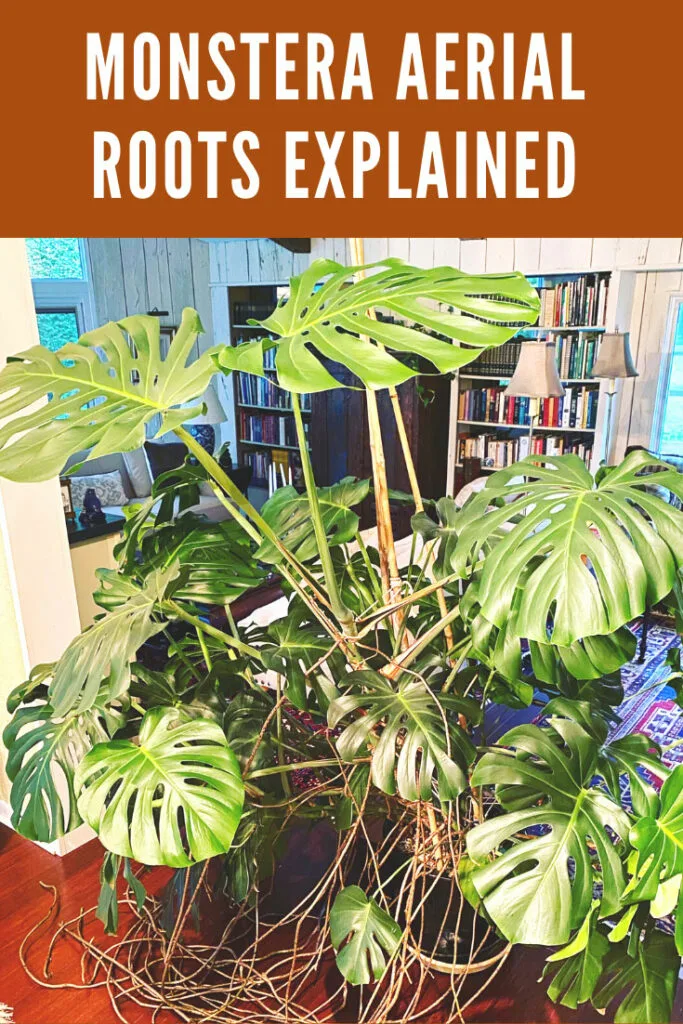
Care Tips For Aerial Roots
Understanding how to care for the aerial roots of your Monstera is crucial. These roots help the plant climb and absorb moisture from the air. Proper care ensures your plant remains healthy and vibrant.
Pruning Guidelines
Pruning aerial roots is not always necessary, but it helps manage their growth. Use sharp, clean scissors to avoid damaging the plant. Cut the roots close to the base but leave a small portion attached. This prevents harm to the main stem.
Always prune during the growing season. This is typically spring and summer. Avoid pruning in fall or winter. The plant needs all its energy during these dormant months.
Proper Moisture And Humidity
Aerial roots thrive in high humidity. Aim for humidity levels between 60-80%. Use a humidifier or place a tray of water near the plant. Misting the leaves also helps, but avoid overdoing it.
Moisture is key, but too much water leads to root rot. Ensure the soil remains moist but not soggy. Allow the top inch of soil to dry out before watering again. This balance is essential for healthy aerial roots.
Common Misconceptions
Aerial roots on Monstera plants often puzzle many plant owners. They spark curiosity and lead to various misconceptions. Let’s clear up these misunderstandings with some clarity.
Myths About Aerial Roots
Many people think aerial roots harm the plant. Some believe they steal nutrients from the soil. Others think these roots indicate poor plant health.
Some even assume aerial roots need to be cut off. These beliefs are not accurate. They can lead to improper plant care.
Correcting False Beliefs
Aerial roots do not harm the Monstera. They help the plant climb and find support. These roots also absorb moisture from the air.
They do not steal nutrients. Instead, they help the plant grow strong. Cutting them off is not necessary.
Proper understanding ensures your Monstera thrives. Appreciate the role of aerial roots in its growth.

Encouraging Healthy Roots
Monstera plants are well-known for their unique, lush foliage and aerial roots. These roots help the plant absorb moisture and nutrients from the air. To ensure your Monstera develops healthy aerial roots, focus on creating the right environment. This includes optimal soil conditions and proper fertilization practices.
Optimal Soil Conditions
Monstera plants thrive in soil that provides good drainage and aeration. Use a well-draining potting mix. A blend of peat moss, perlite, and pine bark works well. This mix helps retain moisture without causing root rot.
Here’s a simple soil mix recipe for Monstera:
| Ingredient | Proportion |
|---|---|
| Peat Moss | 50% |
| Perlite | 30% |
| Pine Bark | 20% |
Ensure your pot has drainage holes. This prevents water from sitting at the bottom. Place a layer of gravel at the bottom of the pot. This further improves drainage.
Fertilization Practices
Monstera plants benefit from regular fertilization. Use a balanced liquid fertilizer every 4-6 weeks during the growing season. Dilute the fertilizer to half-strength to avoid over-fertilizing.
- Spring and Summer: Fertilize every 4 weeks.
- Fall and Winter: Fertilize every 6 weeks.
Avoid fertilizers high in nitrogen. High nitrogen levels can cause excessive leaf growth but weak roots. Look for a balanced fertilizer with equal parts nitrogen, phosphorus, and potassium (N-P-K).
Here’s an example of a balanced fertilizer ratio:
N-P-K: 10-10-10 or 20-20-20
Water your Monstera thoroughly after fertilizing. This helps distribute nutrients evenly. Consistent fertilization ensures your Monstera develops strong and healthy aerial roots.
Frequently Asked Questions
What Are Aerial Roots On Monstera?
Aerial roots are roots that grow above ground. They help Monstera cling to surfaces and absorb moisture from the air.
Why Does Monstera Develop Aerial Roots?
Monstera develops aerial roots to support itself. These roots help the plant climb and absorb nutrients from the air.
Are Aerial Roots On Monstera Normal?
Yes, aerial roots on Monstera are normal. They are a natural part of the plant’s growth and development.
Can I Trim Monstera’s Aerial Roots?
Yes, you can trim Monstera’s aerial roots. However, trimming should be done carefully to avoid harming the plant.
Conclusion
Monstera plants grow aerial roots for several reasons. They help the plant climb. They absorb extra nutrients and moisture. They also offer stability. These roots are natural and beneficial. They are a sign of a healthy plant. Proper care ensures they thrive well.
So, enjoy your Monstera’s unique features. Give it space and watch it grow.