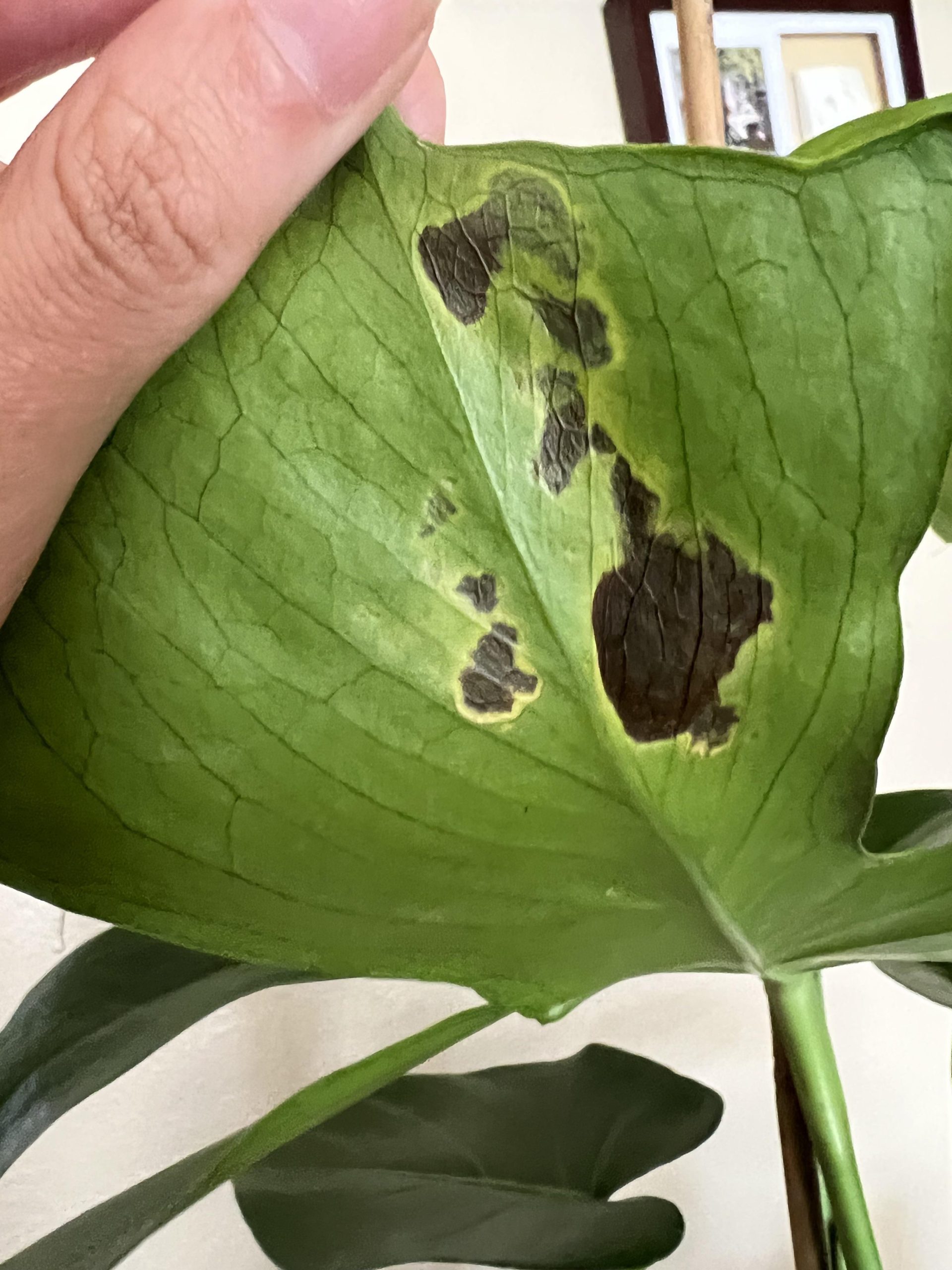
Monstera plants are loved for their lush, green leaves. But brown spots can be a worry.
Why does this happen? Brown spots on Monstera leaves can be alarming. They often indicate a problem with care or environment. Understanding the causes can help you keep your plant healthy. Overwatering, pests, or too much sunlight are common culprits.
Each issue requires a different solution. By identifying the specific cause, you can take steps to remedy it. This will ensure your Monstera thrives and remains beautiful. In this blog, we’ll explore the reasons behind those troubling brown spots and how to address them effectively. Stay tuned to learn more about keeping your Monstera in perfect condition.
Common Causes
Understanding the common causes of brown spots on your Monstera is essential. Proper care can prevent these spots and keep your plant healthy. Let’s explore some key factors that might be affecting your Monstera.
Watering Issues
Improper watering is a common cause of brown spots on Monstera leaves. Both overwatering and underwatering can stress the plant.
- Overwatering: Leads to root rot, causing brown spots on leaves.
- Underwatering: Results in dry, crispy brown spots.
Ensure your Monstera’s soil is moist but not soggy. Check the soil before watering to avoid these issues.
Sunlight Exposure
Monstera plants need the right amount of light. Too much or too little can cause problems.
- Too much sunlight: Causes sunburn, leading to brown spots.
- Too little sunlight: Results in weak growth and brown spots.
Place your Monstera in bright, indirect light for optimal health.
Humidity Levels
Monstera plants thrive in high humidity environments. Low humidity can cause brown spots.
- Low humidity: Leads to dry leaves and brown edges.
Maintain humidity levels around 60% for your Monstera. Use a humidifier or mist the leaves regularly.
Pest Infestations
Pest infestations are a common reason for brown spots on Monstera leaves. These pests can stress the plant, leading to unsightly damage. Understanding the pests, their signs, and how to prevent them is crucial for keeping your Monstera healthy.
Common Pests
Several pests commonly infest Monstera plants. Spider mites are tiny and hard to see. They weave webs on leaves and stems. Aphids are small, pear-shaped insects. They cluster on new growth and leaf undersides. Mealybugs look like small, white cotton balls. They often hide in leaf joints. Scale insects are small, round, and brown. They attach to stems and leaves.
Signs Of Infestation
Different pests leave different signs. Spider mites cause tiny, yellow speckles on leaves. Heavy infestations lead to webbing. Aphids leave a sticky residue called honeydew. This can attract ants. Mealybugs cause leaves to yellow and drop. You might see their white, cottony masses. Scale insects cause yellow spots and a sticky substance.
Preventive Measures
Keeping your Monstera healthy is key to preventing pests. Regularly inspect your plant. Look for signs of pests. Clean leaves with a damp cloth to remove dust and pests. Isolate new plants for a few weeks before adding them to your collection. This helps prevent introducing pests. Use neem oil or insecticidal soap as a preventive treatment. Follow the instructions on the label for best results.
Fungal Infections
Fungal infections can affect the health of your Monstera plant. These infections often cause brown spots on the leaves. Understanding the types of fungi and their symptoms is key. This knowledge helps in effective treatment.
Types Of Fungi
Fungi that affect Monstera plants can vary. Common types include Anthracnose, Botrytis, and Fusarium. Each type has unique characteristics. Identifying the type can help in choosing the right treatment.
Symptoms To Watch For
Brown spots on Monstera leaves are a major sign. These spots may have a yellow halo. You might also see wilting or a powdery substance. Sometimes, the spots can spread quickly. Early detection is crucial.
Treatment Options
Isolate the infected plant first. Remove affected leaves with sterilized tools. Use fungicides designed for houseplants. Follow the instructions on the product label. Ensure proper air circulation around the plant. This helps prevent future infections.
Bacterial Diseases
Bacterial diseases can cause brown spots on Monstera leaves. These spots often appear suddenly. Identifying and treating these infections is crucial.
Identifying Bacterial Spots
Bacterial spots are small and water-soaked. They often have yellow halos. Over time, the spots may turn brown or black. Leaves may also appear wilted or discolored.
Causes Of Bacterial Infections
Overwatering is a common cause. Bacteria thrive in wet, humid conditions. Poor air circulation can also contribute. Contaminated tools or soil may spread bacteria. Always use clean, sterile equipment.
Effective Treatments
Start by removing affected leaves. Use sterilized scissors to prevent spreading. Improve air circulation around your plant. Reduce watering to keep the soil dry. Apply a copper-based fungicide. Follow the instructions carefully.
Nutrient Deficiencies
Monstera plants are a favorite among indoor plant enthusiasts. But they can sometimes develop brown spots on their leaves. One common reason for these spots is nutrient deficiencies. Plants need various nutrients to grow healthy and vibrant. When they lack these nutrients, it shows in their leaves.
Key Nutrients For Monstera
Monstera plants need several key nutrients to thrive. The most important ones include:
- Nitrogen (N): Essential for leaf growth and overall health.
- Phosphorus (P): Important for root development and flowering.
- Potassium (K): Helps in water regulation and disease resistance.
- Calcium (Ca): Strengthens cell walls and supports growth.
- Magnesium (Mg): Vital for photosynthesis and enzyme function.
Signs Of Deficiency
Identifying nutrient deficiencies early can save your Monstera plant. Here are some signs to watch for:
| Nutrient | Deficiency Signs |
|---|---|
| Nitrogen | Yellowing leaves, poor growth. |
| Phosphorus | Dark green leaves, brown spots. |
| Potassium | Yellow edges, brown leaf tips. |
| Calcium | Stunted growth, curled leaves. |
| Magnesium | Yellowing between veins, brown spots. |
Corrective Actions
Taking corrective actions can help restore your Monstera’s health. Here are some steps you can take:
- Check Soil pH: Ensure the soil pH is between 5.5 and 7.0.
- Use Balanced Fertilizer: Apply a balanced fertilizer with equal parts NPK.
- Supplement Specific Nutrients: If you identify a specific deficiency, use targeted supplements.
- Water Properly: Ensure the soil is moist but not waterlogged.
- Monitor Light: Provide bright, indirect light.
By addressing these nutrient deficiencies, your Monstera can recover and thrive. Healthy leaves, vibrant growth, and no more brown spots.
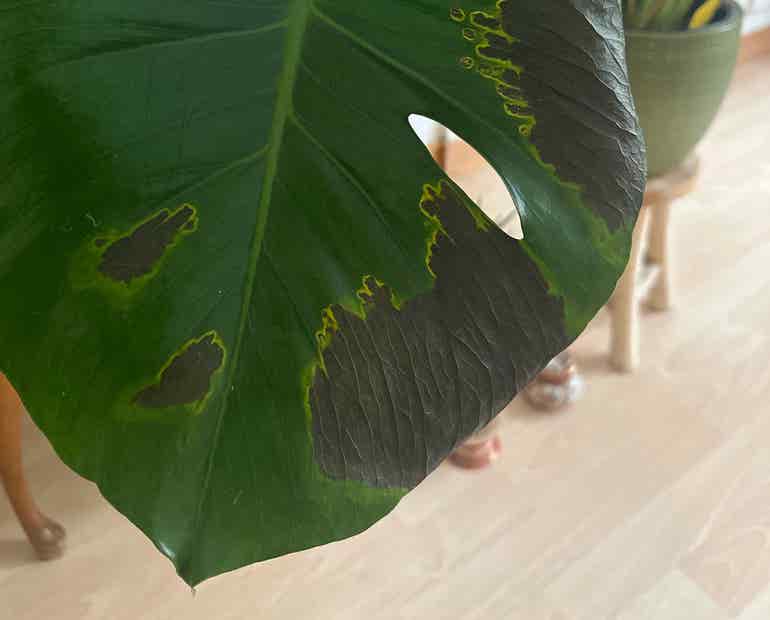
Water Quality
Water quality plays a crucial role in the health of your Monstera. Poor water quality can cause brown spots on the leaves. Understanding the impact of water on your Monstera can help you keep it healthy and vibrant.
Impact Of Hard Water
Hard water contains high levels of minerals like calcium and magnesium. These minerals can build up in the soil over time. This buildup can lead to brown spots on Monstera leaves. The spots are often the result of mineral deposits blocking the plant’s ability to absorb nutrients.
Chlorine And Fluoride Effects
Tap water often contains chlorine and fluoride. These chemicals can harm your Monstera. Chlorine and fluoride can cause leaf burn, leading to brown spots. They interfere with the plant’s natural processes, making it difficult for the Monstera to thrive.
Using Filtered Water
Using filtered water can help prevent brown spots. Filtered water removes harmful chemicals and excess minerals. This ensures your Monstera gets clean and safe water. Consider using a water filter or collecting rainwater for the best results.
Environmental Factors
Environmental Factors play a crucial role in the health of your Monstera. Brown spots can be a signal that your plant is stressed. Understanding these factors can help you ensure your plant thrives.
Temperature Fluctuations
Monstera plants prefer a stable temperature. Rapid changes can cause stress. This can lead to brown spots on the leaves. Maintain a consistent indoor temperature.
Avoid placing your Monstera near drafty windows or heating vents. These areas can create sudden temperature shifts. Try to keep the room temperature between 65°F and 85°F.
Air Quality
Poor air quality can harm your Monstera. Pollutants and dust can settle on leaves. This can block light and affect photosynthesis.
Keep your plant in a clean environment. Regularly wipe the leaves with a damp cloth. This removes dust and allows the plant to breathe.
Proper Ventilation
Good airflow is essential for a healthy Monstera. Stagnant air can lead to mold and mildew. This can cause brown spots on the leaves.
Place your plant in a well-ventilated area. Avoid cramped corners or enclosed spaces. You can use a fan to improve air circulation if needed.
| Factor | Impact on Monstera |
|---|---|
| Temperature Fluctuations | Leads to stress, causing brown spots |
| Air Quality | Dust and pollutants block light |
| Proper Ventilation | Prevents mold and mildew |
Preventive Care
Preventive care is essential to keep your Monstera plant healthy and free of brown spots. Consistent care helps prevent common issues that lead to these unsightly blemishes. By following a few key practices, you can ensure your Monstera thrives and maintains its lush, green appearance.
Regular Monitoring
Check your Monstera regularly for signs of stress or disease. Look at the leaves closely. Spotting problems early can prevent them from worsening. Pay attention to changes in color, texture, or shape. These can be early indicators of issues. Consistent monitoring helps you catch problems before they spread.
Proper Pruning
Pruning helps remove dead or damaged leaves. This prevents the spread of disease. Use clean, sharp scissors or pruning shears. Trim away any brown or yellow leaves. This encourages new growth. Proper pruning also improves air circulation around the plant. This reduces the risk of fungal infections.
Healthy Soil Practices
Ensure your Monstera is planted in well-draining soil. Poor drainage can lead to root rot. This causes brown spots on the leaves. Use a soil mix designed for tropical plants. This provides the right balance of nutrients. Avoid overwatering. Let the soil dry out slightly between waterings. This prevents waterlogged roots and keeps your Monstera healthy.
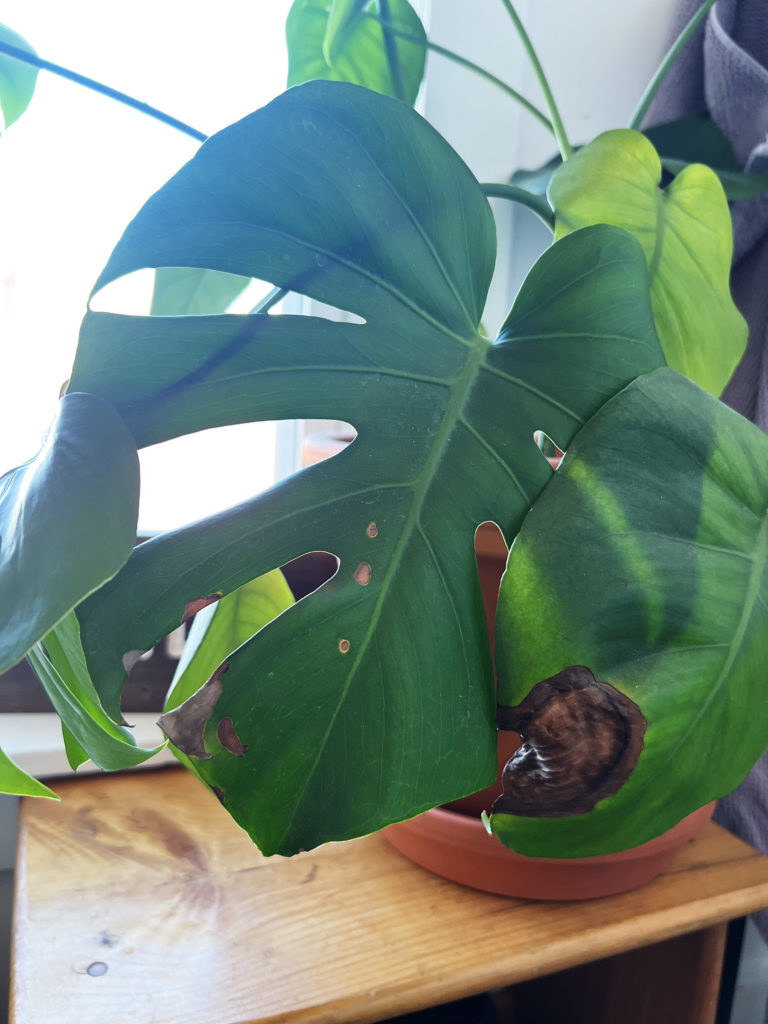
Frequently Asked Questions
Why Do Monstera Leaves Get Brown Spots?
Monstera leaves get brown spots due to overwatering, underwatering, or poor humidity levels. Fungal or bacterial infections can also cause this issue.
How Can I Prevent Brown Spots On Monstera?
To prevent brown spots, maintain proper watering habits. Ensure your Monstera gets adequate humidity and indirect sunlight. Check for pests regularly.
Are Brown Spots On Monstera Harmful?
Brown spots can be harmful if caused by infections or pests. Address the issue promptly to prevent further damage to your plant.
Can Overwatering Cause Brown Spots On Monstera?
Yes, overwatering can cause brown spots on Monstera leaves. It leads to root rot and poor plant health.
Conclusion
Brown spots on Monstera can signal various issues. Poor watering habits or too much sunlight often cause these spots. Pests and fungal infections are also common culprits. Regularly check your plant’s environment. Adjust care routines as needed. Healthy, vibrant leaves will follow.
Understanding your Monstera’s needs can prevent future problems. Enjoy your thriving, beautiful plant.
Leave a Reply