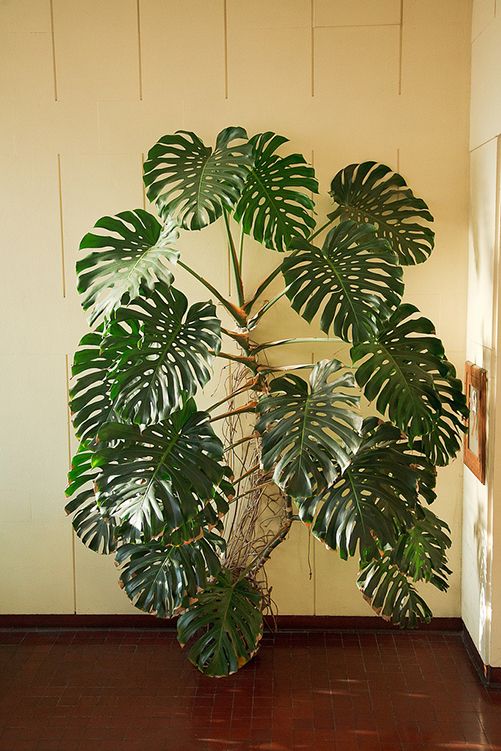
Monstera Deliciosa, also known as the Swiss cheese plant, is famous for its unique leaves. These leaves have natural holes, making them a favorite among plant lovers.
But why does Monstera Deliciosa have holes? This question often puzzles many plant enthusiasts. The answer lies in its natural habitat and evolution. Native to tropical rainforests, Monstera Deliciosa has adapted to its environment in remarkable ways. The holes in its leaves help the plant survive and thrive.
They allow light to reach lower leaves and let rainwater pass through, reducing damage during storms. Understanding this fascinating feature not only enhances our appreciation of this plant but also helps us care for it better. Let’s dive deeper into the reasons behind these intriguing leaf holes.

Introduction To Monstera Deliciosa
The Monstera Deliciosa, also known as the Swiss Cheese Plant, is a popular houseplant. It is famous for its large, shiny leaves that have unique holes. This tropical plant brings a touch of the jungle to any indoor space. Its interesting appearance and easy care make it a favorite among plant lovers.
Brief History
Monstera Deliciosa originates from the tropical forests of Central America. It was first discovered by European botanists in the 18th century. Due to its beauty and unique features, it quickly became popular in Europe. Today, it is found in homes worldwide.
Unique Features
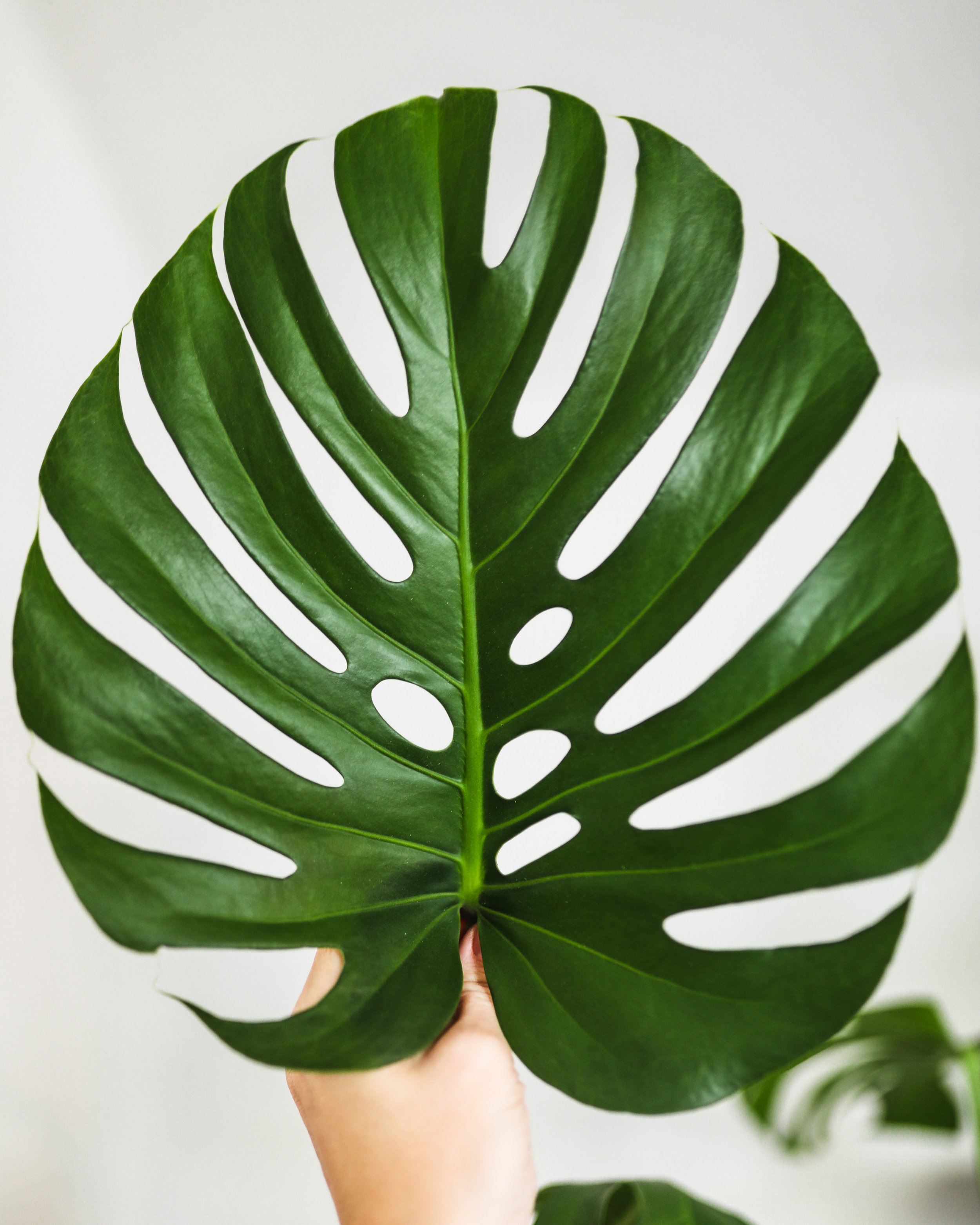
One of the most striking features of Monstera Deliciosa is its leaves. These leaves have natural holes and splits, giving them a distinct look. This feature is called “fenestration.”
| Feature | Description |
|---|---|
| Fenestration | Natural holes in leaves |
| Size | Large, can grow up to 3 feet wide |
| Growth Habit | Climbing or trailing |
Fenestration is believed to help the plant in several ways:
- Light: Allows light to reach lower leaves
- Water: Helps rain pass through
- Wind: Reduces wind damage
Monstera Deliciosa also produces a fruit known as the “Swiss Cheese Fruit.” It is edible and tastes like a mix of pineapple and banana.
Natural Habitat
The Monstera Deliciosa, known for its unique, hole-filled leaves, thrives in specific environments. Understanding its natural habitat helps explain why these plants develop such distinctive features.
Tropical Rainforests
The Monstera Deliciosa originates from the dense, lush tropical rainforests of Central and South America. These regions are known for their high humidity and consistent temperatures. Rainforests provide the perfect conditions for these plants to flourish.
In tropical rainforests, light filters through the dense canopy. This creates a unique environment of dappled sunlight and deep shade. Monstera plants have adapted to these conditions, developing leaves with holes to maximize their light exposure.
Environmental Adaptations
Monstera leaves have holes, or fenestrations, which are vital adaptations to their environment. These holes allow light to reach the lower leaves, ensuring the plant receives adequate sunlight. This adaptation is crucial for survival in the crowded rainforest understory.
Another benefit of fenestrated leaves is airflow. The holes help reduce wind resistance, preventing damage during storms. This feature is particularly important in the windy, storm-prone rainforest environment.
| Adaptation | Benefit |
|---|---|
| Fenestrations | Maximize light exposure |
| Increased airflow | Reduce wind resistance |
These environmental adaptations make the Monstera Deliciosa well-suited to thrive in its natural habitat. Understanding these adaptations helps us appreciate the beauty and resilience of this remarkable plant.
Structure Of Monstera Leaves
The Monstera Deliciosa, often called the Swiss Cheese Plant, is famous for its unique leaves. These leaves feature distinctive holes and splits. This not only makes them visually intriguing but also functional.
Leaf Anatomy
Monstera leaves are large and heart-shaped. They have a glossy, green surface. The edges are smooth and wavy. The most striking feature is the holes. These holes are called fenestrations.
Fenestrations develop as the leaf matures. They vary in size and shape. Some holes are small and round, others are large and irregular. The main leaf vein is thick and supports the structure. Smaller veins branch out from the main vein.
Development Stages
Monstera leaves change as they grow. Young leaves are solid and have no holes. They are smaller and simpler in shape. As the plant ages, the leaves grow larger and start to develop fenestrations.
Each new leaf has more holes than the previous one. This process continues as the plant matures. The holes help the plant adapt to its environment. They allow light to pass through to lower leaves and reduce wind resistance.
Understanding the structure of Monstera leaves helps in caring for the plant. It also explains why these plants are so popular among indoor gardeners.
Purpose Of Leaf Holes
The Monstera Deliciosa, also known as the Swiss Cheese Plant, is famous for its unique leaves with holes. But why does this plant have holes in its leaves? The holes serve important purposes for the plant’s survival and growth. Let’s explore the reasons behind this fascinating feature under the subheading “Purpose of Leaf Holes”.
Light Penetration
The holes in Monstera Deliciosa leaves help in allowing more light to reach the lower leaves. In its natural habitat, the rainforest, light is scarce. The plant grows in the shade of taller trees. The holes let light filter through to the leaves below. This way, every part of the plant gets enough light to photosynthesize and thrive.
Wind Resistance
Wind resistance is another critical reason for the leaf holes. Large, solid leaves can act like sails in strong winds, causing damage to the plant. The holes reduce the surface area of the leaves. This allows wind to pass through easily, reducing the risk of damage. This adaptation helps the plant survive in stormy conditions.
Scientific Theories
Have you ever wondered why Monstera Deliciosa has holes in its leaves? Scientists have a few interesting theories about this. Let’s dive into the scientific explanations behind these unique holes.
Evolutionary Perspective
Some scientists believe the holes in Monstera leaves are an evolutionary trait. These holes help the plant survive in the wild. In dense forests, light is limited. The holes allow light to reach lower leaves. This means the plant can grow larger and capture more sunlight.
Another theory suggests the holes help the plant withstand strong winds. The holes reduce wind resistance. This makes it less likely for the leaves to tear. This trait would be very useful in the wild. The plant can grow taller and survive harsh weather.
Resource Allocation
Resource allocation is another theory. Producing leaves with holes uses fewer resources. The plant needs less energy and nutrients. This is beneficial in nutrient-poor environments. The plant can spread its leaves wider. It can capture more sunlight without using extra resources.
This strategy helps the plant grow efficiently. It maximizes the use of available resources. It ensures survival in challenging conditions. The holes are not just for show. They serve important functions for the plant.

Impact On Photosynthesis
The Monstera Deliciosa plant is famous for its unique leaves with holes. These holes, called fenestrations, have a significant impact on the plant’s photosynthesis process. Understanding this impact can help us appreciate the plant’s unique adaptations.
Light Absorption
One of the primary benefits of fenestrations is improved light absorption. The holes allow light to pass through different layers of the leaf. This enables the plant to capture more sunlight, even in dense forests where light is limited.
In a natural habitat, Monstera Deliciosa grows under the canopy of taller trees. The holes in the leaves help in maximizing light capture. This adaptation ensures that the plant gets enough light for photosynthesis.
Efficiency
The holes also help in enhancing the plant’s efficiency. By allowing light to pass through, the plant can photosynthesize more effectively. This means that even the lower leaves get enough light, reducing competition for resources.
Additionally, the holes reduce wind resistance, which can be beneficial in harsh environments. This structural adaptation allows the plant to survive and thrive in different conditions.
| Benefit | Description |
|---|---|
| Light Absorption | Maximizes light capture through multiple leaf layers |
| Efficiency | Reduces competition for light among leaves |
| Wind Resistance | Minimizes damage in harsh environments |
Understanding these adaptations can help us better care for our Monstera Deliciosa plants. With proper care, these plants can thrive and add a touch of the exotic to our homes.
Adaptation Benefits
The Monstera Deliciosa, commonly known as the Swiss Cheese Plant, has distinctive holes in its leaves. These holes are not just for aesthetics. They offer several adaptation benefits that help the plant thrive in its natural habitat. This section explores the reasons behind these unique leaf patterns.
Survival Mechanisms
One of the main survival mechanisms of Monstera Deliciosa is its perforated leaves. These holes allow the plant to endure strong winds and heavy rain. In tropical rainforests, where Monstera Deliciosa originates, weather can be unpredictable. The holes reduce the force of the wind on the leaves, preventing them from tearing.
Moreover, the holes let rainwater pass through, preventing water from accumulating on the leaves. This reduces the risk of fungal infections and other diseases. By allowing rain to flow through, the leaves stay healthy and clean.
Growth Optimization
Another key benefit is growth optimization. The holes in the leaves help the plant capture more light. In dense forests, sunlight is limited. The holes allow sunlight to reach lower parts of the plant, aiding in photosynthesis.
Additionally, the perforated leaves help the plant cover more ground. The leaves can spread out without blocking each other. This maximizes the plant’s exposure to sunlight and enhances its overall growth.
Let’s summarize these benefits in a table for clarity:
| Benefit | Description |
|---|---|
| Wind Resistance | Holes reduce wind force, preventing leaf damage. |
| Water Drainage | Holes let rainwater pass, reducing fungal risks. |
| Light Penetration | Holes allow light to reach lower leaves. |
| Space Efficiency | Leaves spread without blocking each other. |
Understanding these adaptation benefits can help you better care for your Monstera Deliciosa. Appreciate the unique design of its leaves and their functional beauty.
Care Tips For Monstera
Monstera Deliciosa develops holes in its leaves to allow light to reach lower leaves. This helps the plant grow better indoors. The unique leaf design also protects it from wind damage.
Caring for a Monstera Deliciosa ensures it thrives and maintains its beautiful, unique leaves. This section offers essential tips for creating the perfect environment for your plant. It also addresses common issues you might encounter.Optimal Environment
A Monstera thrives in bright, indirect light. Direct sunlight can scorch its leaves. Place your plant near a window with filtered light. This mimics its natural habitat under a forest canopy. Monstera prefers warm temperatures. Keep the room between 65-85°F. Avoid placing it near drafts or heaters. These can cause stress to the plant. Humidity is important. Monsteras love moisture. Use a humidifier or mist the leaves regularly. This keeps the foliage lush and healthy.Common Issues
Yellow leaves often indicate overwatering. Allow the top inch of soil to dry before watering again. Ensure your pot has drainage holes to prevent root rot. Brown leaf edges can mean low humidity. Increase humidity around your Monstera. Regular misting helps. Pests like spider mites and aphids can attack Monsteras. Check the leaves regularly. Use a gentle insecticidal soap to treat infestations. By following these tips, your Monstera Deliciosa will flourish. Enjoy its unique beauty and vibrant growth in your home. “`Frequently Asked Questions
Why Does Monstera Deliciosa Have Holes?
Monstera Deliciosa has holes to allow light to reach lower leaves. This adaptation helps the plant thrive in dense forests. The holes also reduce the risk of damage from heavy rain or strong winds.
How Do The Holes Help Monstera Deliciosa?
The holes help Monstera Deliciosa by allowing light to penetrate through to lower leaves. They also reduce the plant’s susceptibility to damage from heavy rain and strong winds.
What Causes Holes In Monstera Deliciosa Leaves?
Holes in Monstera Deliciosa leaves are caused by the plant’s natural growth pattern. This adaptation helps it survive in its native rainforest environment by maximizing light exposure and minimizing damage.
Are Holes In Monstera Deliciosa Normal?
Yes, holes in Monstera Deliciosa leaves are normal. They are a natural adaptation that helps the plant thrive in its native rainforest habitat. Holes allow light to reach lower leaves and reduce damage from environmental factors.
Conclusion
Monstera Deliciosa’s holes serve important purposes. They help the plant thrive. Better light and air flow aid its growth. This unique feature makes it distinctive. Understanding these benefits helps care for it. Your Monstera will flourish with proper attention. Enjoy its beauty and unique foliage!
Leave a Reply