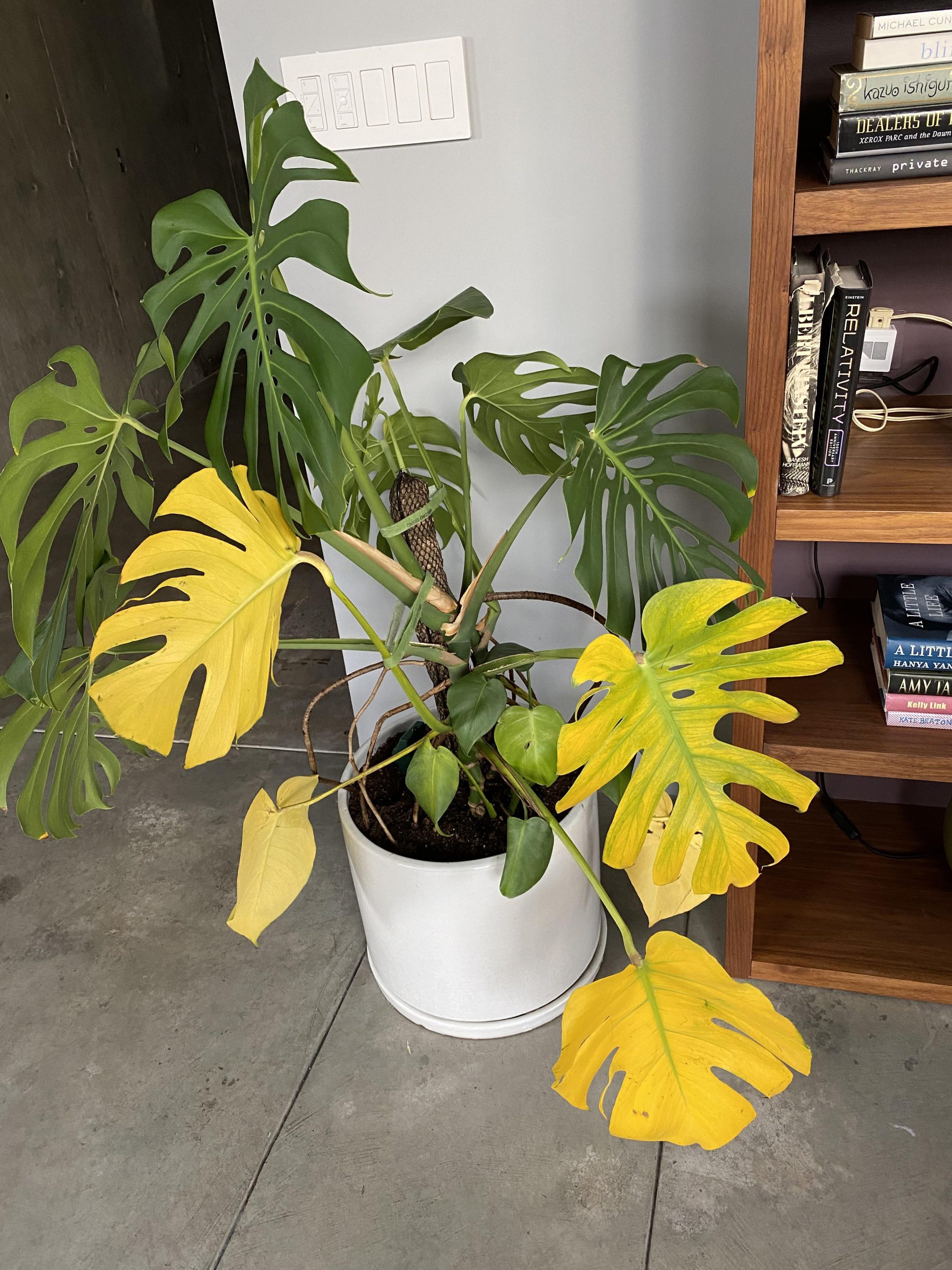
Monstera leaves can turn yellow for several reasons. Common causes include overwatering, underwatering, or nutrient deficiencies.
Understanding the exact reason is crucial to revive your plant. Monstera plants, with their lush green leaves, are a favorite among indoor gardeners. But when those vibrant leaves start to yellow, it’s a clear sign something is wrong. Knowing why this happens can help you take the right steps to fix it.
Yellowing leaves can stem from various issues such as inconsistent watering, poor light conditions, or lack of essential nutrients. Identifying the root cause early can save your plant from further stress. In this blog, we will explore the common reasons behind yellowing leaves and provide tips to keep your Monstera healthy and green.
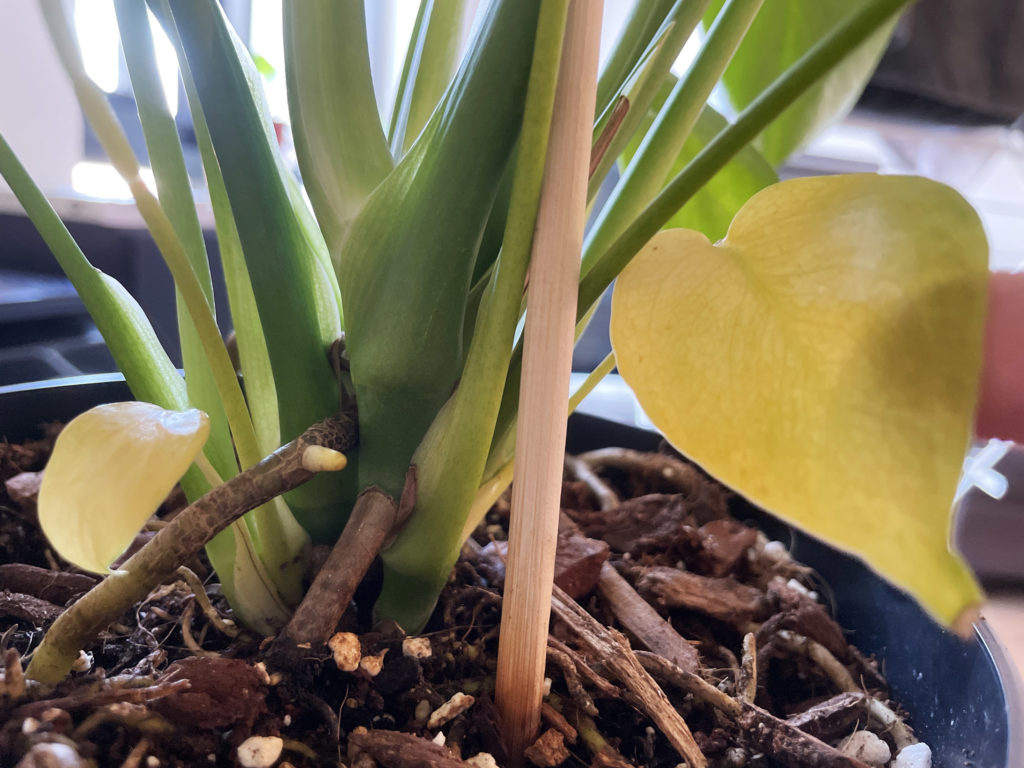
Common Causes Of Yellow Leaves
Monstera plants are popular for their striking leaves. But those beautiful leaves can sometimes turn yellow. This can be worrying for any plant owner. Understanding the causes can help keep your Monstera healthy.
Overwatering
Overwatering is a common issue. Too much water can suffocate the roots. This causes the leaves to turn yellow. Always check the soil before watering. If the soil feels wet, wait a few days. The top inch of soil should be dry before you water again.
Underwatering
Underwatering can also cause yellow leaves. Plants need water to transport nutrients. Without enough water, the leaves can turn yellow. Feel the soil to check moisture levels. Water your Monstera when the soil feels dry.
Poor Drainage
Poor drainage can harm your plant. Waterlogged soil prevents roots from getting oxygen. This leads to yellow leaves. Ensure your pot has drainage holes. Use well-draining soil to help prevent water from sitting at the bottom.
Nutrient Deficiencies
Monstera leaves turning yellow can be a sign of nutrient deficiencies. Plants need specific nutrients to grow and stay healthy. If they lack these nutrients, their leaves can show signs of distress. Let’s explore some common nutrient deficiencies that cause yellowing leaves.
Lack Of Nitrogen
Nitrogen is essential for plant growth. It helps in the production of chlorophyll. When Monstera lacks nitrogen, the leaves turn yellow. The yellowing starts from the older leaves at the bottom. This is because the plant moves nitrogen to the new leaves, leaving the older ones deprived.
Magnesium Deficiency
Magnesium is crucial for photosynthesis. It is part of the chlorophyll molecule. When a Monstera lacks magnesium, the leaves turn yellow between the veins. This creates a distinct yellow pattern on the leaf. The veins remain green while the rest turns yellow.
Iron Deficiency
Iron is vital for enzyme function and chlorophyll production. If a Monstera lacks iron, the young leaves turn yellow. The veins stay green, but the rest of the leaf turns yellow. This condition is known as chlorosis. It affects the newer leaves first.
Pest Infestations
Pest infestations can cause Monstera leaves to turn yellow. Pests feed on the plant’s sap, leading to nutrient deficiencies. This weakens the plant and causes yellowing leaves. Regular monitoring is crucial to keep pests away and ensure your Monstera stays healthy.
Common Pests
Several pests target Monstera plants. Spider mites, scale insects, and mealybugs are common threats. Spider mites are tiny, barely visible to the naked eye. They spin fine webs on the plant. Scale insects look like small, brown bumps on the stems and leaves. Mealybugs are white, cotton-like pests. All these pests can cause significant damage.
Identifying Pest Damage
Yellowing leaves are a clear sign of pest infestation. Look for fine webs, brown bumps, or white cottony spots. Other signs include stunted growth and sticky residue on the leaves. Early detection is key to preventing extensive damage.
Preventing Infestations
Keep your Monstera clean and dust-free. Regularly wipe the leaves with a damp cloth. Inspect your plant thoroughly every week. Isolate new plants for a few weeks before placing them with others. Use insecticidal soap or neem oil for early infestations. Ensure proper air circulation around your plant. Healthy plants are less prone to pests.
Improper Light Conditions
Monstera leaves turning yellow can be due to improper light conditions. Light plays a key role in plant health. Both too much and too little light can cause problems. Let’s explore the effects of light on Monstera leaves.
Too Much Sunlight
Excessive sunlight can harm your Monstera. Direct sunlight can scorch the leaves. This leads to yellowing and brown spots. Monsteras prefer bright but indirect light. Direct sun is too intense for their delicate leaves.
Consider placing your Monstera near a window with sheer curtains. This filters the light. It provides the right intensity for healthy leaves. Avoid placing Monsteras in direct sunlight for long periods.
Not Enough Light
Insufficient light can also cause yellow leaves. Monsteras need enough light to photosynthesize. Low light levels slow down this process. This results in yellow and droopy leaves.
A dim room or a corner with little natural light is not ideal. Monsteras thrive in well-lit environments. They need at least a few hours of indirect light each day.
Finding The Right Spot
Finding the right spot for your Monstera is key. Observe the light conditions in your home. Place your Monstera where it gets bright, indirect light. Avoid direct sun and dark corners.
East-facing windows are great for Monsteras. They get morning sun, which is less intense. West-facing windows can also work if you use a sheer curtain.
| Light Condition | Effect on Monstera |
|---|---|
| Direct Sunlight | Scorched, yellow leaves |
| Low Light | Yellow, droopy leaves |
| Bright Indirect Light | Healthy, vibrant leaves |
By understanding these light conditions, you can keep your Monstera healthy. Monitor the light and adjust as needed. Your Monstera will thank you with lush, green leaves.
Temperature Stress
Temperature stress is a common reason for yellowing Monstera leaves. Your plant’s environment can be too cold or too hot. Both extremes can damage the leaves. Let’s explore how cold drafts, heat stress, and the ideal temperature range affect Monstera plants.
Cold Drafts
Monstera plants are sensitive to cold drafts. This can happen near windows or doors. The sudden change in temperature shocks the plant. This often leads to yellow leaves.
To protect your Monstera, keep it away from drafty areas. Ensure the room temperature stays stable. A thermometer can help monitor the environment. If you notice yellow leaves, check for any cold drafts immediately.
Heat Stress
High temperatures can also cause heat stress in Monstera plants. Heat stress can cause the leaves to turn yellow and crispy. This happens when the plant loses moisture faster than it can absorb.
To prevent heat stress, avoid placing your Monstera near heat sources. These include radiators, heaters, and direct sunlight. Use a fan to circulate air during hot days. This helps keep the temperature stable and reduces leaf yellowing.
Ideal Temperature Range
The ideal temperature range for Monstera plants is between 65°F and 75°F (18°C and 24°C). This range ensures healthy growth and vibrant green leaves.
Use a thermostat to maintain this range. Avoid sudden temperature changes. Consistency is key for a happy Monstera. If the temperature falls outside this range, adjust your plant’s environment accordingly.
| Temperature | Effect on Monstera |
|---|---|
| Below 65°F (18°C) | Cold stress, yellow leaves |
| Above 75°F (24°C) | Heat stress, yellow leaves |
| 65°F – 75°F (18°C – 24°C) | Ideal, healthy growth |
Understanding and managing temperature stress is essential for Monstera care. Keep an eye on your plant’s environment to ensure its well-being.
:max_bytes(150000):strip_icc()/Why-Are-My-Monstera-Leaves-Turning-Yellow-b2cd94a10c184ae6a214790c893344f7.jpg)
Soil Issues
Soil issues often cause yellowing in Monstera leaves. Poor soil conditions can stress the plant, leading to discoloration and other problems. Let’s explore how compact soil, incorrect pH levels, and choosing the right soil impact Monstera health.
Compact Soil
Monstera roots need space to breathe and grow. Compact soil restricts this. When soil is dense, it holds too much water. This can lead to root rot. Roots suffocate and the plant struggles to absorb nutrients. As a result, leaves turn yellow. Ensure your soil is well-aerated.
Incorrect Ph Levels
Soil pH levels play a crucial role in plant health. Monstera plants prefer slightly acidic to neutral pH levels. If the pH is too high or too low, nutrient absorption is hindered. This can cause leaves to yellow. Regularly test soil pH. Adjust as needed using appropriate amendments.
Choosing The Right Soil
Selecting the right soil mix is essential for a healthy Monstera. Use a mix that provides good drainage and aeration. A blend of peat, perlite, and orchid bark works well. This mix ensures roots have the right environment to thrive. Keep your Monstera happy and green with the correct soil.
Water Quality
Water quality plays a crucial role in the health of your Monstera plant. The type of water you use can significantly affect the color of its leaves. Poor water quality can lead to yellowing leaves, a common issue many plant owners face.
Chlorine In Tap Water
Tap water often contains chlorine, which is added to kill bacteria. While it’s safe for humans, it can harm Monstera plants. Chlorine can damage the plant’s roots and cause the leaves to turn yellow. To avoid this, let the tap water sit out for 24 hours before using it. This allows the chlorine to evaporate.
Hard Water
Hard water contains high levels of minerals like calcium and magnesium. These minerals can build up in the soil over time. This buildup can lead to yellow leaves on your Monstera. You may notice white residue on the soil or plant pot. This is a sign of hard water use.
Using Filtered Or Rainwater
Filtered water is a great alternative to tap water. It removes harmful chemicals like chlorine and reduces mineral content. Another excellent option is rainwater. It’s natural and free of chemicals. Collect rainwater in a clean container and use it to water your Monstera. Both options can help keep your plant healthy and green.
Preventative Measures
Preventative measures can help keep your Monstera leaves green and healthy. Understanding these measures can prevent yellowing leaves and ensure your plant thrives. Below, we explore some key strategies to maintain vibrant foliage.
Regular Monitoring
Consistent monitoring is crucial for the health of your Monstera plant. Check the leaves and soil frequently. Look for signs of yellowing, pests, or disease. Early detection allows for quick intervention, preventing further damage.
Make it a habit to inspect your plant weekly. Use this time to prune any dead or yellowing leaves. This promotes new growth and keeps your Monstera looking its best.
Proper Watering Schedule
Watering your Monstera correctly is essential. Too much water can cause root rot, leading to yellow leaves. Too little water can dehydrate the plant, also causing yellowing.
Follow a consistent watering schedule. Water the plant when the top inch of soil feels dry. Ensure good drainage to prevent waterlogging. Using a moisture meter can help you determine the right time to water.
During winter, reduce watering frequency. Monstera plants need less water in cooler months. Overwatering during this period can be harmful.
Healthy Feeding Practices
Feeding your Monstera the right nutrients is vital. Use a balanced, all-purpose fertilizer during the growing season. Over-fertilizing can burn the roots and cause yellow leaves.
Fertilize once a month in spring and summer. In fall and winter, reduce feeding to every two months. Always follow the instructions on the fertilizer package.
Consider using organic fertilizers. They release nutrients slowly, reducing the risk of over-fertilization.
Here is a simple feeding schedule:
| Season | Frequency |
|---|---|
| Spring | Once a month |
| Summer | Once a month |
| Fall | Every two months |
| Winter | Every two months |
Frequently Asked Questions
Why Are My Monstera Leaves Yellow?
Monstera leaves turn yellow due to overwatering, underwatering, or inadequate light. Check soil moisture and light conditions. Adjust watering and move the plant to a brighter spot if needed.
How Do I Fix Yellow Monstera Leaves?
To fix yellow Monstera leaves, identify the cause. Adjust watering habits, ensure proper drainage, and provide adequate light. Prune damaged leaves to encourage healthy growth.
Can Yellow Monstera Leaves Turn Green Again?
Once Monstera leaves turn yellow, they typically do not revert to green. Focus on preventing further yellowing by maintaining proper care. Remove yellow leaves to promote new growth.
Is Yellowing A Sign Of Monstera Disease?
Yellowing can be a sign of disease or pest infestation. Inspect the plant for pests and treat accordingly. If disease is suspected, isolate the plant and apply appropriate treatment.
Conclusion
Yellow Monstera leaves can be a sign of stress. Ensure proper watering. Check for pests. Maintain the right light conditions. Over-fertilizing can harm the plant. Address root issues promptly. Healthy care helps Monstera thrive. Watch for signs and act fast.
Your Monstera will reward you. Happy gardening!
Leave a Reply