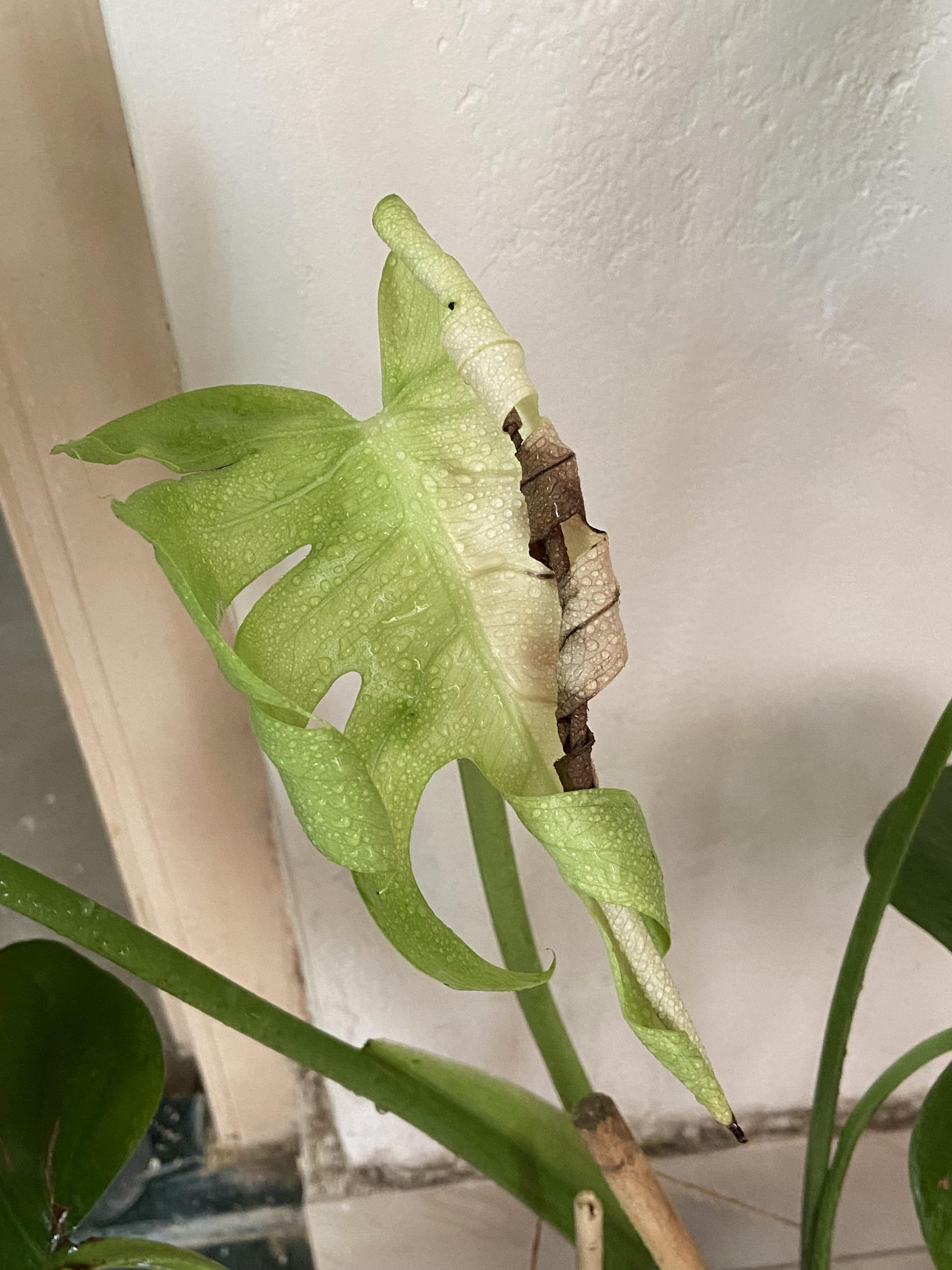
Monstera plants are popular for their striking leaves. Yet, those beautiful leaves sometimes turn brown.
Why does this happen? Understanding why Monstera leaves turn brown is key to keeping your plant healthy. There are several reasons behind this issue. It could be due to improper watering, poor lighting, or pest infestations. Sometimes, it’s just a sign that your plant needs a little extra care.
By identifying the cause, you can take the necessary steps to restore your Monstera’s vibrant green leaves. In this blog post, we’ll explore the common reasons behind browning leaves and offer tips to prevent and treat this problem. So, let’s dive into the world of Monstera care and keep your plant looking its best.
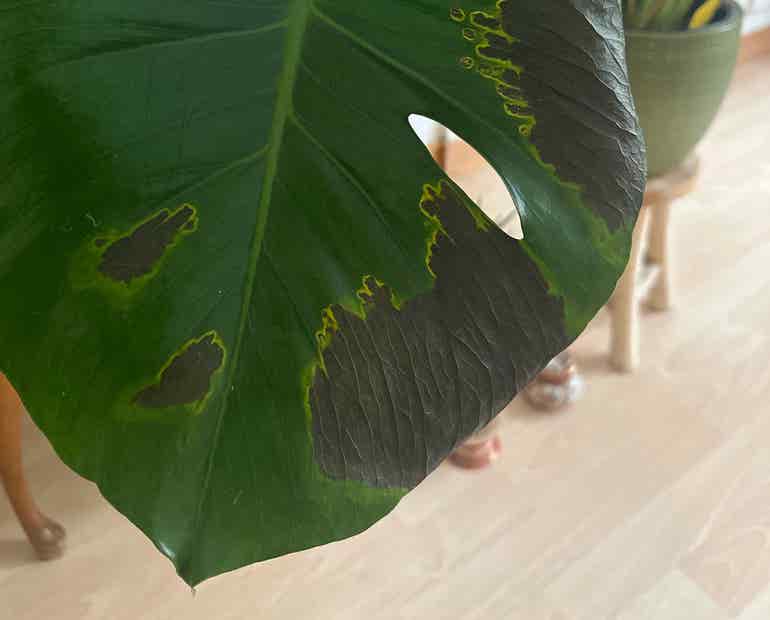
Common Causes Of Brown Monstera Leaves
Monstera plants are popular for their lush, green leaves. Seeing brown spots can be worrying. Understanding the common causes can help keep your Monstera healthy.
Overwatering is a common cause of brown leaves. When the soil is too wet, roots can’t breathe. They start to rot, causing leaf damage. Underwatering can also be a problem. Dry soil means the plant isn’t getting enough moisture. This stress can turn leaves brown.
To avoid this, check the soil before watering. If the top inch is dry, it’s time to water.
Monstera plants need bright, indirect light. Too much direct sunlight can burn the leaves. This leads to brown, crispy edges. On the other hand, too little light can cause slow growth. Leaves may turn brown and fall off.
Place your Monstera near a window with filtered light. Avoid direct sun exposure.
Monstera plants thrive in high humidity. Low humidity can cause leaf tips to turn brown. Indoor air, especially during winter, can be very dry.
Use a humidifier to maintain proper humidity levels. Misting the leaves can help, too. Grouping plants together can also increase humidity.
Watering Issues
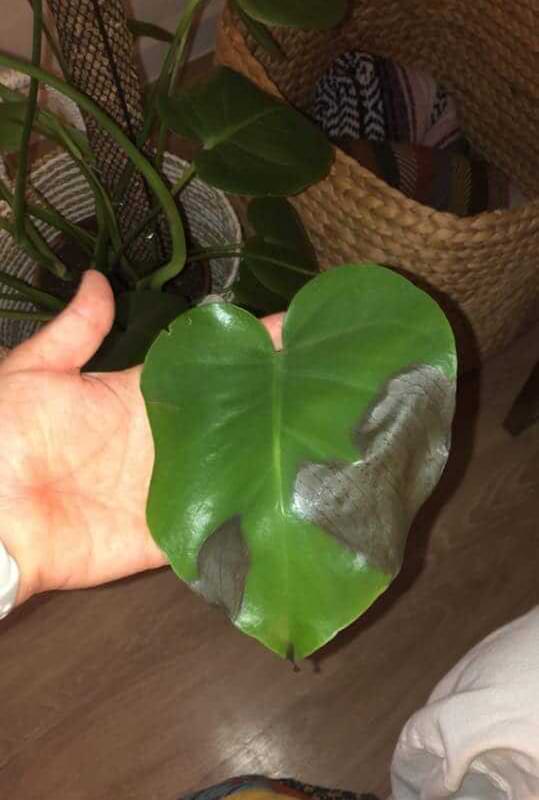
Watering issues are a common cause of brown spots on Monstera leaves. Both overwatering and underwatering can harm your plant. Let’s dive into the effects of each on your Monstera.
Overwatering Effects
Overwatering can suffocate the roots. This prevents them from getting oxygen. As a result, the roots begin to rot. Rotting roots lead to brown, mushy leaves. The soil stays wet for too long. This invites pests and mold. These also harm the plant, making leaves turn brown.
Underwatering Signs
Underwatering dehydrates the plant. Dry soil cannot support healthy growth. Leaves will start to brown and curl at the edges. The plant looks droopy and weak. The soil pulls away from the pot’s edges. The leaves may also become crispy. Ensure you water your Monstera regularly.
Light Exposure
Light exposure plays a crucial role in the health of Monstera leaves. Incorrect light levels can cause the leaves to turn brown. Understanding the effects of light exposure on Monstera plants can help keep them healthy and vibrant.
Direct Sunlight Damage
Monstera plants thrive in bright, indirect light. Direct sunlight can be harmful. It can scorch their delicate leaves.
Signs of sunburn on Monstera leaves include:
- Brown edges
- Crispy texture
- Yellow patches
If your Monstera is near a window, use sheer curtains. This will filter the light and protect the leaves.
Insufficient Light
Too little light can also harm Monstera leaves. Leaves may turn brown and become droopy.
Signs of insufficient light include:
- Pale or yellow leaves
- Slow growth
- Smaller leaves
Place your Monstera in a spot with bright, indirect light. Avoid dark corners and low-light rooms.
| Light Condition | Effect on Monstera |
|---|---|
| Direct Sunlight | Scorched, brown, crispy leaves |
| Insufficient Light | Pale, yellow, droopy leaves |
Regularly rotate your Monstera. This ensures even light exposure and prevents one-sided growth.
Humidity Levels
Monstera plants love humid environments. They thrive in such conditions. When the air is too dry, their leaves may turn brown. Understanding the right humidity levels can help keep your plant healthy and green.
Dry Air Problems
Dry air is common in many homes. Especially during winter. Heating systems can make the air even drier. When the air lacks moisture, your Monstera plant suffers. The leaves lose water quickly. This leads to brown edges and tips. The plant becomes stressed. It can’t absorb enough water through its roots. This makes the problem worse.
Ideal Humidity Range
Monstera plants need a specific humidity range. The ideal range is between 60% and 80%. This range keeps the leaves healthy and green. You can measure humidity with a hygrometer. If the humidity is too low, take action.
| Humidity Level | Action Needed |
|---|---|
| Below 50% | Increase humidity |
| 50% – 60% | Watch closely |
| 60% – 80% | Ideal |
| Above 80% | Decrease humidity |
There are several ways to increase humidity:
- Use a humidifier.
- Place a water tray near the plant.
- Mist the leaves regularly.
- Group plants together.
Maintaining the right humidity level ensures healthy Monstera leaves. If you notice brown tips, check the air moisture. Adjust as needed to keep your plant thriving.
Nutrient Deficiencies
Monstera plants are known for their beautiful, lush leaves. But sometimes, these leaves can turn brown. One of the main reasons for this issue is nutrient deficiencies. Understanding and addressing these deficiencies can help keep your Monstera healthy and vibrant.
Lack Of Essential Nutrients
Monstera plants need various nutrients to thrive. Nitrogen, phosphorus, and potassium are the primary nutrients they require. If your Monstera lacks any of these, the leaves may turn brown.
- Nitrogen: Promotes leaf growth and vibrant color.
- Phosphorus: Helps with root development and overall plant health.
- Potassium: Aids in water regulation and disease resistance.
Other essential nutrients include calcium, magnesium, and iron. A deficiency in any of these can also cause browning leaves.
Fertilizer Tips
Regular fertilization is key to preventing nutrient deficiencies. Here are some tips:
- Use a balanced fertilizer: Choose one with equal parts nitrogen, phosphorus, and potassium.
- Fertilize during the growing season: Feed your Monstera every 4-6 weeks in spring and summer.
- Adjust based on plant needs: If you notice browning leaves, consider increasing the frequency.
- Avoid over-fertilizing: Too much fertilizer can harm your plant. Follow the recommended dosage.
By ensuring your Monstera gets the nutrients it needs, you can prevent brown leaves and maintain a healthy, beautiful plant.
Pest Infestations
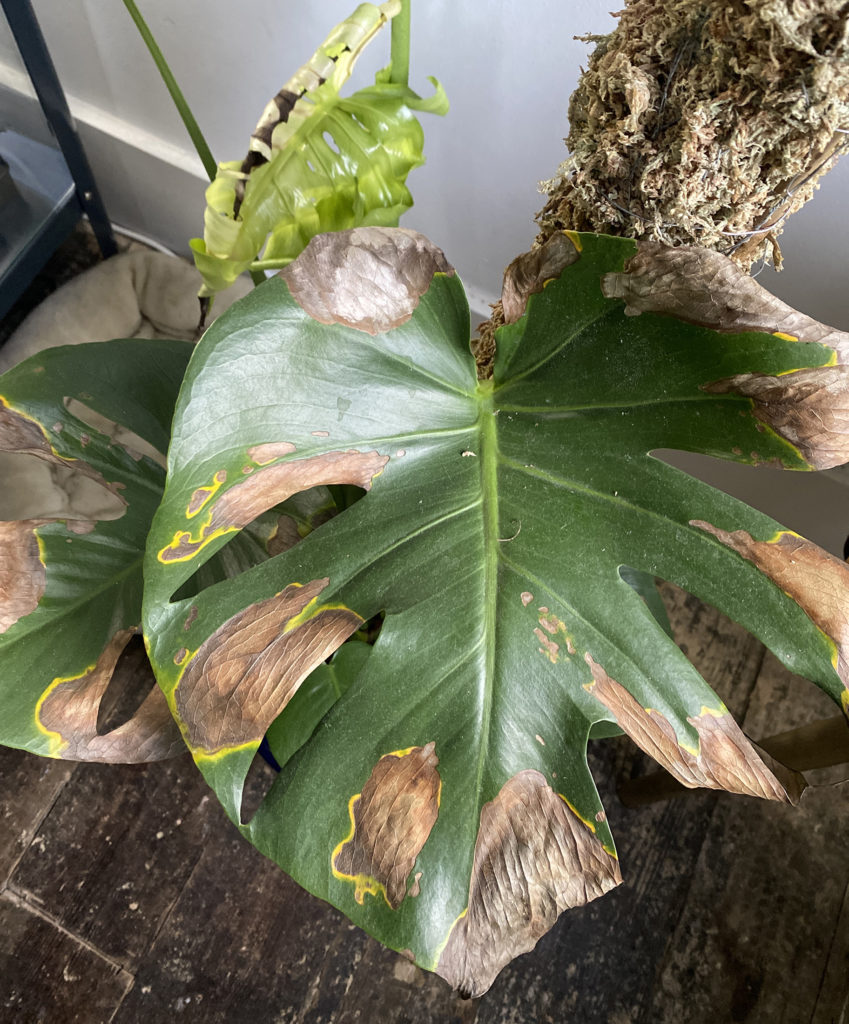
Monstera leaves turning brown can be a distressing sight for plant lovers. One common culprit is pest infestations. Tiny invaders can wreak havoc on your Monstera, causing leaves to turn brown and deteriorate. Understanding which pests are likely to invade your plant and how to treat them can help you restore your Monstera to its former glory.
Common Pests
Several pests target Monstera plants. Spider mites are tiny but can cause significant damage. They suck the sap from the leaves, causing them to turn brown. Mealybugs are another common pest. They appear as small white clumps on the leaves and stems. These pests also feed on the plant sap, leading to browning leaves.
Scale insects are small and often go unnoticed. They have hard shells and attach themselves to the plant. They also suck the sap, weakening the plant over time. Aphids are tiny green or black insects. They cluster on the undersides of leaves and stems. Their feeding habits cause leaves to curl and turn brown.
Treatment Options
Several methods can help you manage pests. First, isolate the affected plant to prevent the pests from spreading. Washing the leaves with a mild soap solution can remove some pests. Use a soft cloth or sponge for this task. For spider mites, consider using neem oil. It is a natural pesticide and safe for indoor use.
Insecticidal soap can help with mealybugs and aphids. Spray the solution on the affected areas, making sure to cover both sides of the leaves. For scale insects, use rubbing alcohol. Dip a cotton swab in the alcohol and apply it directly to the insects. This method kills them on contact.
Regularly inspect your plants for early signs of pests. Keeping your Monstera healthy and clean can prevent infestations. A healthy plant is less likely to suffer from pests.
Soil Conditions
Soil conditions play a crucial role in the health of your Monstera plant. Poor soil can lead to brown leaves, indicating an unhealthy plant. It’s essential to understand the importance of soil quality and proper drainage to keep your Monstera thriving.
Soil Quality
The quality of the soil directly affects the health of your Monstera. It needs rich, well-aerated soil to grow properly. Using the right soil mix can prevent browning of the leaves.
Consider a mix that includes:
- Peat moss
- Perlite
- Bark
This combination ensures the soil retains moisture without becoming waterlogged.
Avoid heavy soils like clay. They can suffocate the roots and lead to brown leaves.
Proper Drainage
Proper drainage is vital for Monstera plants. Without it, the roots can rot, causing brown leaves.
Ensure your pot has drainage holes. This allows excess water to escape, preventing root rot.
Here are steps to ensure proper drainage:
- Use a pot with drainage holes.
- Add a layer of gravel at the bottom.
- Use a well-draining soil mix.
Following these steps helps maintain the right moisture balance in the soil.
Remember, too much water is as harmful as too little. Keep the soil moist but not soggy.
Environmental Stress
Environmental stress often causes Monstera leaves to turn brown. These plants are sensitive to changes in their surroundings. Let’s explore two common factors: temperature fluctuations and relocation shock.
Temperature Fluctuations
Monstera plants thrive in stable temperatures. Sudden changes can cause stress. Cold drafts or hot air vents harm the leaves. Keep the plant away from windows and doors. Aim for a consistent temperature range. This helps prevent brown spots on the leaves.
Relocation Shock
Moving a Monstera plant can cause shock. This stress often turns leaves brown. Monstera plants need time to adjust to new environments. Avoid moving them frequently. Find a suitable spot and let them settle. This reduces the risk of brown leaves.
Preventative Measures
Monstera plants are a favorite among many plant enthusiasts. Their striking leaves add a tropical touch to any space. But nothing is more disheartening than seeing those beautiful leaves turn brown. Preventing this requires a solid care routine and keen observation. Below, you’ll find some effective preventative measures to keep your Monstera healthy.
Regular Care Routine
Consistent care is key to a healthy Monstera. Water your plant when the top inch of soil feels dry. Over-watering can cause root rot and brown leaves. Ensure your plant has proper drainage. Use a well-draining soil mix for best results. Keep the humidity levels high. Monsteras thrive in humid environments. Misting the leaves can help maintain humidity.
Place your plant in indirect sunlight. Too much direct sunlight can scorch the leaves. Fertilize your Monstera every month during the growing season. Use a balanced, water-soluble fertilizer. Trim dead or damaged leaves. This encourages new growth and prevents disease. Regularly dust the leaves to keep them clean and healthy.
Early Detection Tips
Spotting issues early can save your Monstera. Check the leaves regularly for any changes. Brown spots can indicate watering problems or pests. Yellowing leaves may signal over-watering or poor drainage. Inspect the soil. If it smells bad, it might be too wet.
Look for pests like spider mites or aphids. They can cause leaves to turn brown. Use a magnifying glass to spot tiny pests. Act quickly if you see any. Isolate the plant and treat it immediately. Check for signs of root rot. Soft, mushy roots are a bad sign. Repot your plant if needed to save it.
Monitor the environment. Sudden changes in temperature or humidity can stress your plant. Keeping a consistent environment helps prevent browning leaves.
Frequently Asked Questions
Why Do Monstera Leaves Develop Brown Tips?
Brown tips on Monstera leaves often indicate underwatering or low humidity. Ensure consistent watering and consider increasing humidity levels.
How Can I Prevent Brown Spots On Monstera Leaves?
To prevent brown spots, avoid overwatering and ensure proper drainage. Additionally, keep your plant away from direct sunlight.
Is It Normal For Monstera Leaves To Turn Brown?
While occasional browning is normal, consistent browning may indicate underlying issues like pests, improper watering, or low humidity.
Can Over-fertilizing Cause Monstera Leaves To Turn Brown?
Yes, over-fertilizing can lead to nutrient burn, causing the leaves to turn brown. Follow the recommended fertilizing schedule.
Conclusion
Caring for Monstera plants can be rewarding. Brown leaves signal problems. Check light, water, and humidity levels. Fixing these issues helps keep your Monstera healthy. Happy plants enhance your home’s beauty. Pay attention to their needs. Enjoy the lush, green foliage.
Your Monstera will thrive with proper care.
Leave a Reply