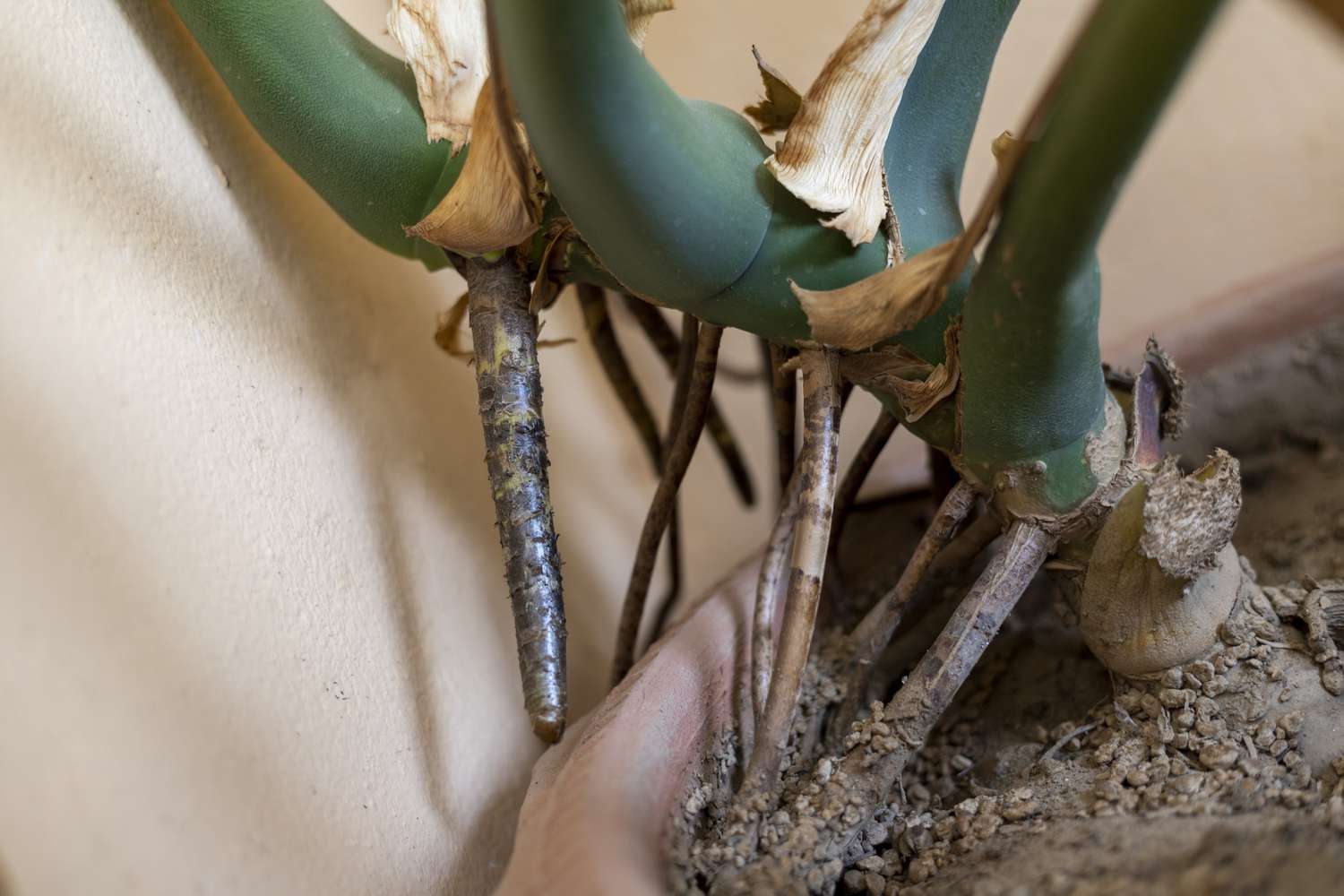
Monstera plants have aerial roots for support and nutrient absorption. These roots are key to the plant’s survival and growth in their native environment.
Monstera, also known as the Swiss Cheese Plant, is famous for its unique leaves and aerial roots. These roots grow above the soil, helping the plant climb trees in rainforests. They also absorb moisture and nutrients from the air. Aerial roots provide stability and allow the plant to reach sunlight.
Understanding why Monstera have these roots can help you care for them better. This knowledge improves plant health and ensures they thrive in your home. Let’s explore the fascinating world of Monstera aerial roots.
Introduction To Monstera Plants
Monstera plants, with their striking leaves and unique growth habits, have captivated plant enthusiasts worldwide. These tropical beauties are not just pleasing to the eye but also intriguing due to their distinctive features.
Origin And Natural Habitat
Monstera plants originate from the tropical rainforests of Central and South America. They thrive in warm, humid environments where they can climb trees and spread out. In their natural habitat, they receive filtered sunlight through the forest canopy.
These plants grow under tall trees and often attach themselves to tree trunks. This allows them to reach the light they need for photosynthesis. The tropical climate provides them with the perfect conditions to flourish.
Unique Features
One of the most notable features of Monstera plants is their aerial roots. These roots grow above the ground and serve several purposes. They help the plant climb and anchor to trees, ensuring stability. Aerial roots also absorb moisture and nutrients from the air.
Monstera leaves are another unique characteristic. Their large, glossy leaves often have natural holes, which help the plant survive strong winds in the wild. These holes also allow light to pass through to lower leaves, aiding in photosynthesis.
The combination of aerial roots and holey leaves makes Monstera plants both beautiful and practical. Their unique features help them adapt to their environment and thrive indoors as popular houseplants.
What Are Aerial Roots?
Aerial roots are a fascinating feature of many plants, including the popular Monstera. These roots grow above the ground and serve various purposes. They are especially common in tropical plants.
Definition And Characteristics
Aerial roots are roots that grow from the stem or branches of a plant. They do not grow underground. They have unique features that set them apart from traditional roots.
These roots can absorb moisture from the air. They can also help the plant climb surfaces. Aerial roots often have a tough, woody texture. This makes them sturdy and durable.
Key characteristics of aerial roots include:
- Growth above the ground
- Ability to absorb moisture from the air
- Support for climbing
- Tough and woody texture
Types Of Aerial Roots
There are different types of aerial roots, each with its own function. Here are some common types:
| Type | Function |
|---|---|
| Climbing Roots | Help plants attach to surfaces |
| Prop Roots | Provide extra support |
| Strangling Roots | Wrap around other plants or objects |
| Haustorial Roots | Parasitic roots that absorb nutrients |
Climbing roots help the plant attach to trees or walls. They are common in plants like ivy and Monstera. Prop roots provide extra support, especially in tall plants. They can be seen in mangroves and corn plants.
Strangling roots wrap around other plants or objects. They are often seen in fig trees. Haustorial roots are parasitic. They absorb nutrients from other plants.
Understanding these types helps in caring for plants with aerial roots. It also adds to the appreciation of their unique growth patterns.
Growth And Development
Monstera plants are famous for their unique leaves and aerial roots. Understanding the growth and development of these aerial roots helps in better plant care.
How Aerial Roots Form
Monstera plants grow aerial roots from their stems. These roots start as small bumps. They slowly extend outwards, searching for support.
Aerial roots help the plant climb and anchor itself to structures. They can attach to trees, walls, and other surfaces. These roots absorb moisture from the air.
Stages Of Growth
Aerial roots grow in stages. Here is a simple table that shows the growth stages:
| Stage | Description |
|---|---|
| Initial Bumps | Small bumps appear on the stem. |
| Extension | Roots extend outwards, searching for support. |
| Attachment | Roots attach to surfaces, anchoring the plant. |
| Mature Roots | Roots thicken and absorb moisture from the air. |
Knowing these stages helps in understanding plant needs. Supporting the plant during these stages ensures healthy growth.
Purpose Of Aerial Roots
The purpose of aerial roots in Monstera plants is both fascinating and functional. These roots are not just for show. They play a vital role in the plant’s growth and survival. By understanding their purpose, you can better care for your Monstera.
Support And Stability
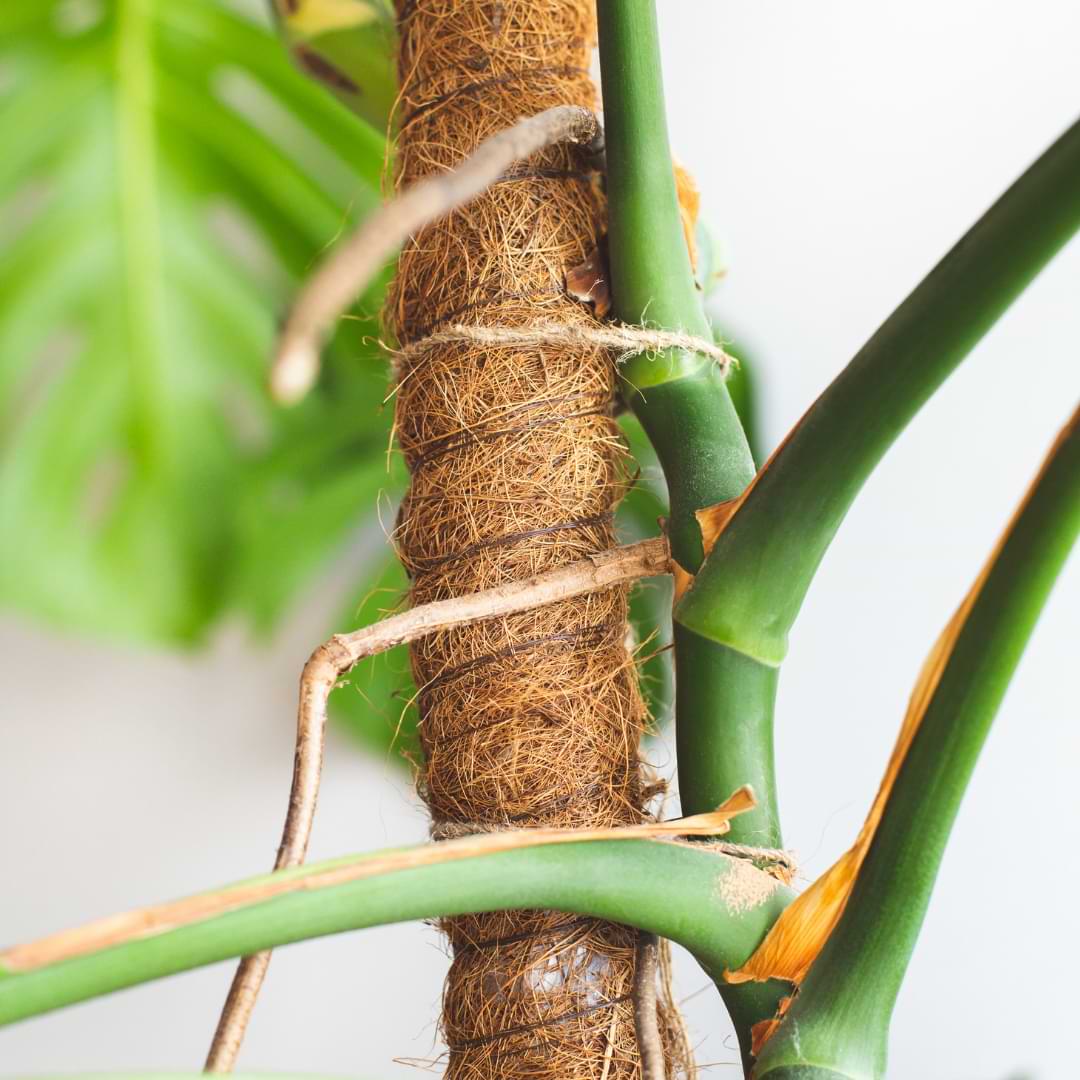
Aerial roots help Monstera plants cling to surfaces. In the wild, they use these roots to climb trees. This gives them access to more sunlight. At home, these roots can attach to stakes or trellises. This makes the plant more stable as it grows taller.
Nutrient And Water Absorption
Aerial roots also absorb nutrients and water from the air. This is vital in their natural habitat. In your home, you can mist these roots. This helps the plant stay hydrated. It also ensures they get enough nutrients.
Role In Climbing
The aerial roots of Monstera are fascinating. They serve several purposes. One of the most critical roles is aiding in climbing. Monstera plants are native to tropical forests. In these habitats, climbing helps them reach sunlight. Let’s explore how Monstera uses its aerial roots for climbing.
Mechanism Of Climbing
Monstera’s aerial roots are strong and flexible. They grow out from the plant’s stem. These roots attach themselves to surfaces. This can be trees, walls, or other structures. The roots grip tightly. This allows the plant to climb upwards.
As Monstera climbs, it secures itself. The aerial roots wrap around objects. This provides stability. The plant can then focus on growing towards the light. Climbing also helps the plant avoid shade. This is crucial for photosynthesis.
Survival In Natural Habitat
In its natural habitat, Monstera faces competition. Other plants also seek sunlight. Climbing gives Monstera an advantage. By growing upwards, it can access more light. This is essential for its growth and survival.
Monstera’s aerial roots also absorb moisture. This is vital in tropical environments. The roots can gather water from the air. This helps the plant stay hydrated. Climbing and absorbing moisture are key survival strategies.
Furthermore, these roots help the plant anchor itself. This is especially important during strong winds. The aerial roots keep Monstera stable. This reduces the risk of damage. These roots are a lifeline for the Monstera plant.
Aerial Roots In Indoor Plants
Monstera plants are famous for their aerial roots. These roots grow above the soil. They help the plant in many ways. Let’s look at the benefits and care of these roots.
Benefits For Indoor Growth
Aerial roots have many benefits for indoor plants:
- Support: Aerial roots help the plant stand tall. They attach to walls or other objects. This gives the plant a strong base.
- Nutrient Absorption: These roots can absorb moisture from the air. This helps the plant stay healthy. They also collect nutrients from the air.
- Climbing: Monstera plants are natural climbers. Aerial roots help them climb. This makes them look beautiful in your home.
Care And Maintenance
Taking care of aerial roots is important. Follow these simple steps:
- Humidity: Keep the air moist. Use a humidifier or mist the roots. This keeps them healthy.
- Support: Provide a pole or trellis. This helps the plant climb. It also keeps the roots in place.
- Pruning: Trim the roots if they grow too long. Use clean, sharp scissors. This prevents damage to the plant.
- Soil: Use well-draining soil. This prevents the roots from rotting. Good soil keeps the plant healthy.
With these tips, your Monstera will thrive indoors. Enjoy the beauty of its aerial roots!
Common Issues
Monstera plants, known for their striking leaves, can face several issues. These issues often relate to their aerial roots. Understanding these common problems can help you care for your plant better. Let’s explore some typical challenges and solutions.
Overgrowth Problems
Aerial roots can grow excessively, causing issues. They might become tangled or spread too far. This overgrowth can make your Monstera look messy. It can also limit the plant’s access to essential nutrients.
To manage overgrowth, prune the aerial roots. Use sharp, clean scissors. This keeps the roots from overwhelming the plant. Regular pruning helps maintain a neat appearance.
Handling Damaged Roots
Damaged aerial roots can harm your Monstera’s health. Roots may break or get injured during handling. This damage can invite infections or pests. It can also stress the plant, affecting its growth.
To handle damaged roots, trim the injured parts carefully. Clean the cuts with a mild disinfectant. Ensure the plant has proper support to avoid future damage. This approach promotes healing and prevents further issues.
Frequently Asked Questions
What Are Aerial Roots On Monstera?
Aerial roots on Monstera are roots that grow above the ground. They help the plant climb and absorb moisture.
Why Does My Monstera Have Aerial Roots?
Monstera plants have aerial roots to support their climbing habit. These roots also help in absorbing moisture from the air.
Should I Trim Monstera Aerial Roots?
Trimming Monstera aerial roots is not necessary but can be done for aesthetic reasons. Trimming won’t harm the plant.
Can I Plant Monstera Aerial Roots?
Yes, you can plant Monstera aerial roots in soil. They can help the plant anchor better and grow stronger.
Conclusion
Monstera plants have aerial roots for support and nutrient absorption. These roots help the plant climb and reach sunlight. They also collect moisture from the air, aiding growth. Understanding aerial roots can improve your plant care. So, embrace these unique features.
Your Monstera will thrive with proper attention to its roots. Happy gardening!
Leave a Reply