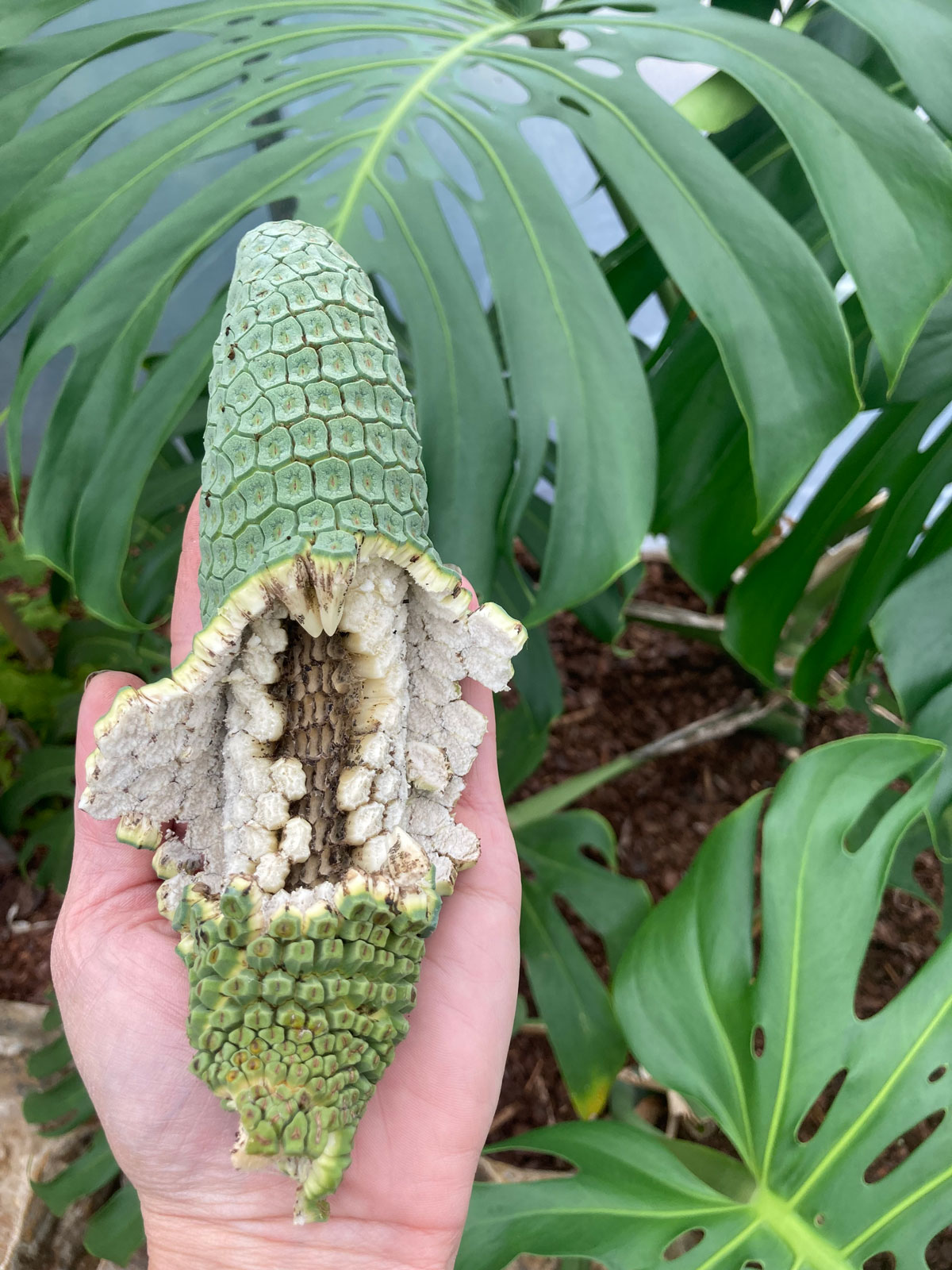
Not all Monstera plants produce fruit. The Monstera deliciosa is the most well-known for its fruit.
Monstera plants are popular for their unique, beautiful leaves. They bring a touch of the tropics to any space. But did you know some can also produce fruit? The Monstera deliciosa, often called the Swiss Cheese Plant, is famous for its edible fruit.
This fruit is not only unique but also tasty. It looks like a green ear of corn and tastes like a mix of pineapple and banana. Curious about other Monsteras that might produce fruit? Let’s explore which of these fascinating plants can offer you more than just eye-catching foliage.
Introduction To Monstera Plants
Monstera plants are beloved for their large, unique leaves. They are popular houseplants that bring a touch of the tropics to any home. Beyond their beauty, some Monstera plants also produce fruit. This fruit is not only edible but also delicious.
Popular Types
- Monstera deliciosa: Known as the Swiss cheese plant. It produces the most popular fruit.
- Monstera adansonii: Smaller leaves with holes. It rarely produces fruit indoors.
- Monstera obliqua: Known for its delicate, hole-filled leaves. It is rare and rarely fruits.
Unique Characteristics
Monstera plants are unique in many ways. Their leaves can grow very large. They develop natural holes as they mature. This gives them a distinctive look.
Monstera deliciosa is famous for its fruit. The fruit tastes like a mix of banana and pineapple. It is covered in hexagonal scales that fall off when ripe.
Other types like Monstera adansonii have smaller, holey leaves. These plants are more often grown for their foliage. They may produce fruit, but it is less common indoors.
Monstera Deliciosa
Monstera Deliciosa, often called the “Swiss Cheese Plant,” is famous for its stunning leaves. But did you know it can also produce fruit? This tropical plant is native to the rainforests of Central America. It is not just a pretty plant; it also offers delicious fruit.
Fruit Appearance
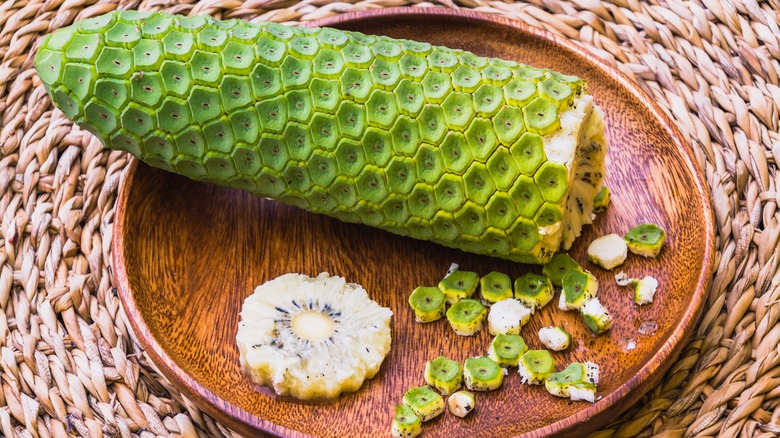
The fruit of Monstera Deliciosa is unique in appearance. It looks like a green corn cob, covered with hexagonal scales. As it ripens, the scales fall off, revealing a white, juicy flesh underneath. The fruit can grow up to 12 inches long.
Taste And Nutritional Value
The taste of Monstera Deliciosa fruit is a delightful mix of pineapple, banana, and mango. It is sweet and tangy, making it a tropical treat. The fruit is rich in Vitamin C, which boosts the immune system. It also contains potassium, which is good for heart health. Eating the fruit can be a delicious way to get essential nutrients.
Monstera Borsigiana
Monstera Borsigiana is a popular plant among indoor gardeners. Its large, fenestrated leaves make it a stunning addition to any home. But, did you know this plant can also produce fruit? Let’s explore more about Monstera Borsigiana and its fruiting potential.
Growth Conditions
Monstera Borsigiana thrives in bright, indirect light. Avoid direct sunlight, as it can scorch the leaves. This plant prefers a humid environment. Regular misting can help maintain the humidity levels.
Well-draining soil is essential for healthy growth. Water the plant when the top inch of soil feels dry. Overwatering can lead to root rot. Maintain a warm temperature, ideally between 65-85°F (18-29°C). Fertilize monthly during the growing season for best results.
Fruit Edibility
The fruit of Monstera Borsigiana is edible. It resembles a green ear of corn. The fruit is ready to eat when the scales start to lift. The taste is a mix of pineapple and banana flavors. Only consume fully ripened fruit. Unripe fruit contains calcium oxalate crystals, which can irritate the mouth and throat.
Monstera Borsigiana fruit can be a unique addition to your diet. Enjoy it fresh or add it to your favorite dishes. Remember to handle the fruit with care to avoid any irritation from unripe parts.

Monstera Adansonii
The Monstera Adansonii, commonly known as the Swiss cheese plant, is a popular houseplant. It’s adored for its unique, perforated leaves. Many plant enthusiasts wonder if this plant produces fruit. This intriguing aspect adds to its charm and appeal.
Fruit Production
The Monstera Adansonii can produce fruit, but it’s quite rare. This usually happens in its natural habitat. The plant needs specific conditions to fruit, like high humidity and the right temperature. Indoor plants rarely reach this stage. If it does produce fruit, the fruit is edible. It’s similar to the Monstera Deliciosa’s fruit.
Culinary Uses
The fruit of the Monstera Adansonii is not commonly used in the kitchen. Its rarity makes it a delicacy. If you’re lucky to have a fruit-bearing plant, you can enjoy its unique taste. The fruit is juicy with a tropical flavor. It can be eaten fresh or added to fruit salads. Always ensure the fruit is ripe. Unripe fruit can cause irritation.
Lesser-known Edible Monsteras
The Monstera plant, adored for its striking foliage, also bears delicious fruit. While many people are familiar with the common Monstera deliciosa, there are lesser-known varieties that also produce edible fruit. These rare types offer unique flavors and growing experiences. Discovering these varieties can add a delightful twist to your gardening adventure.
Rare Varieties
Some lesser-known Monstera varieties also bear edible fruits. Here’s a list of these rare gems:
- Monstera adansonii: Known for its smaller leaves, this variety produces tasty fruit similar to the Monstera deliciosa.
- Monstera obliqua: A rare plant with delicate leaves, offering a unique fruit experience.
- Monstera dubia: This climbing Monstera variety produces small, yet edible fruits.
Harvesting Tips
Proper harvesting ensures you enjoy the best flavor and texture. Follow these tips for a successful harvest:
- Monitor fruit ripeness: Wait until the fruit starts to emit a sweet aroma.
- Check the skin: The fruit should have a yellowish hue and slightly soft skin.
- Use clean tools: Always use clean, sharp tools to cut the fruit.
- Handle with care: The fruit is delicate, so handle it gently to avoid bruising.
Following these tips will help you enjoy the full flavor of these rare Monstera fruits.
Growing Conditions For Fruit Production
Monstera plants, known for their large, perforated leaves, can also produce fruit. To achieve this, specific growing conditions must be met. Proper climate, soil, and water play crucial roles in fruit production. Let’s explore these factors in detail.
Optimal Climate
Monstera plants thrive in tropical climates. They need warm temperatures and high humidity. Temperatures should remain between 65-85°F (18-29°C). Cold weather can stunt growth and prevent fruiting. Ensure the plant gets indirect sunlight. Direct sunlight can scorch the leaves. The plant should be shielded from strong winds. Wind can damage the delicate structure of the plant.
Soil And Water Requirements
Monstera plants prefer well-draining soil. The soil should be rich in organic matter. A mix of peat, perlite, and pine bark works well. Ensure the pH level is between 5.5 and 7.0. This range supports nutrient absorption.
Watering should be consistent but not excessive. The soil should stay moist, not soggy. Overwatering can lead to root rot. Underwatering can cause stress and inhibit fruiting.
| Soil Type | Watering Frequency | pH Level |
|---|---|---|
| Well-draining, rich in organic matter | Moist, not soggy | 5.5 – 7.0 |
Regularly check the soil moisture. The top inch should dry out before the next watering. Use a moisture meter for accuracy. Mulching can help retain soil moisture. A layer of mulch also prevents weeds from competing for nutrients.
Harvesting And Preparing Monstera Fruit
Monstera fruit is not only unique but also delicious. If you have a Monstera plant, you might be curious about how to harvest and prepare its fruit. Here’s a guide to help you with the process.
When To Harvest
Monstera fruit is ready to harvest when the scales start to separate. The fruit’s color changes from green to a yellowish hue. This usually takes about a year from the time the flower blooms.
Be patient. Rushing the process can lead to unripe, inedible fruit. Look for a sweet, pineapple-like smell. This is a good sign that the fruit is ready.
Preparation Techniques
Once harvested, you need to prepare the fruit properly. Here are the steps:
- Peeling: Gently peel off the scales. Use a knife if needed.
- Washing: Rinse the fruit under running water to remove any debris.
- Ripening: Allow the fruit to ripen further if it’s not fully ripe. Place it in a warm area for a few days.
When the fruit is ripe, it will be soft and fragrant. Cut it into slices and enjoy. Be mindful of any inedible parts. The core can sometimes be too tough to eat.
To sum up, harvesting and preparing Monstera fruit involves patience and care. Follow these steps to enjoy this exotic fruit at its best.
Health Benefits Of Monstera Fruit
The Monstera fruit, also known as the Mexican breadfruit or ceriman, is not just a tropical delight. It is packed with nutrients and offers several health benefits. This exotic fruit can be a great addition to your diet. Here, we explore its nutritional profile and potential health advantages.
Nutritional Profile
Monstera fruit is rich in essential nutrients. Here’s a breakdown:
| Nutrient | Amount per 100g |
|---|---|
| Calories | 95 |
| Vitamin C | 23 mg |
| Potassium | 350 mg |
| Dietary Fiber | 2.5 g |
Monstera fruit also contains small amounts of calcium, magnesium, and iron. These nutrients contribute to the fruit’s health benefits. Next, let’s look at how these nutrients can benefit you.
Potential Health Advantages
Consuming Monstera fruit can offer several health advantages:
- Boosts Immunity: The high vitamin C content helps boost the immune system.
- Improves Digestion: Dietary fiber aids in digestion and promotes a healthy gut.
- Supports Heart Health: Potassium helps maintain healthy blood pressure levels.
- Provides Antioxidants: Antioxidants help fight free radicals and reduce inflammation.
These benefits make Monstera fruit a nutritious and healthy choice for your diet. Including it in your meals can help improve overall well-being.
Cautions And Considerations
Monstera plants, also known as Swiss cheese plants, are popular for their unique leaves. Some Monstera varieties produce fruit. While these fruits can be tasty and nutritious, there are important cautions and considerations to keep in mind. Understanding these can help ensure safe consumption and avoid potential health issues.
Possible Allergies
Eating Monstera fruit might cause allergic reactions in some individuals. Symptoms can include itching, swelling, and skin rashes. If you experience any of these, stop eating the fruit immediately.
People with known allergies to similar fruits should be extra careful. Always consult a healthcare provider before trying new foods.
Safe Consumption Practices
Monstera fruit must be fully ripe before eating. Unripe fruit can cause mouth and throat irritation. Ensure the fruit is soft and has a sweet aroma before consuming.
Wash the fruit thoroughly to remove any dirt or pesticides. Slice the fruit carefully to avoid any hard, inedible parts. Eat in moderation to avoid digestive issues.

Frequently Asked Questions
Do All Monstera Plants Produce Fruit?
Not all Monstera plants produce fruit. Only certain species, like Monstera deliciosa, are known for their edible fruit.
How Can I Make My Monstera Produce Fruit?
To make a Monstera produce fruit, provide optimal light, humidity, and nutrients. Patience is key, as it can take years.
What Does Monstera Fruit Taste Like?
Monstera fruit tastes similar to a blend of pineapple and banana. It’s sweet and tropical, but ensure it’s fully ripe.
When Is Monstera Fruit Ready To Eat?
Monstera fruit is ready to eat when its scales start to peel away. This indicates ripeness and ensures it’s safe to consume.
Conclusion
Many Monstera plants produce fruit, but Monstera deliciosa is the most common. The fruit is unique and has a sweet taste. It also contains vitamins and minerals. Knowing which Monstera can bear fruit adds excitement to your plant care journey.
Enjoy the beauty and benefits of your Monstera plants. Happy gardening!
Leave a Reply