Rare Monstera plants can be difficult to find. They are unique and highly sought after.
Monstera plants are beloved for their beautiful, split leaves. Some varieties stand out due to their rarity. Collectors and plant enthusiasts often search for these unique types. Rare Monsteras can be expensive and tricky to care for. Their unique appearances make them prized possessions.
We’ll explore which Monstera types are rare. You’ll learn what makes them special and why they’re hard to find. Whether you’re a seasoned plant collector or just curious, this guide will help you understand rare Monsteras better. Get ready to dive into the world of these unique and beautiful plants.
Introduction To Rare Monstera Varieties
Monstera plants have captivated plant enthusiasts with their beautiful leaves. Some Monstera varieties are rarer and more sought after than others. These rare types add a unique touch to any plant collection.
Defining Rare Monstera
Rare Monstera plants have unique features. These may include unusual leaf patterns or colors. They are not commonly found in most nurseries. Their rarity makes them highly desirable. Collectors often seek them out for their beauty.
Popularity And Rarity
The popularity of a Monstera can drive its rarity. As demand increases, the supply may not keep up. This makes the plant harder to find. Rare Monsteras often become collector’s items. Enthusiasts are willing to pay a premium for them.
Monstera Albo Borsigiana
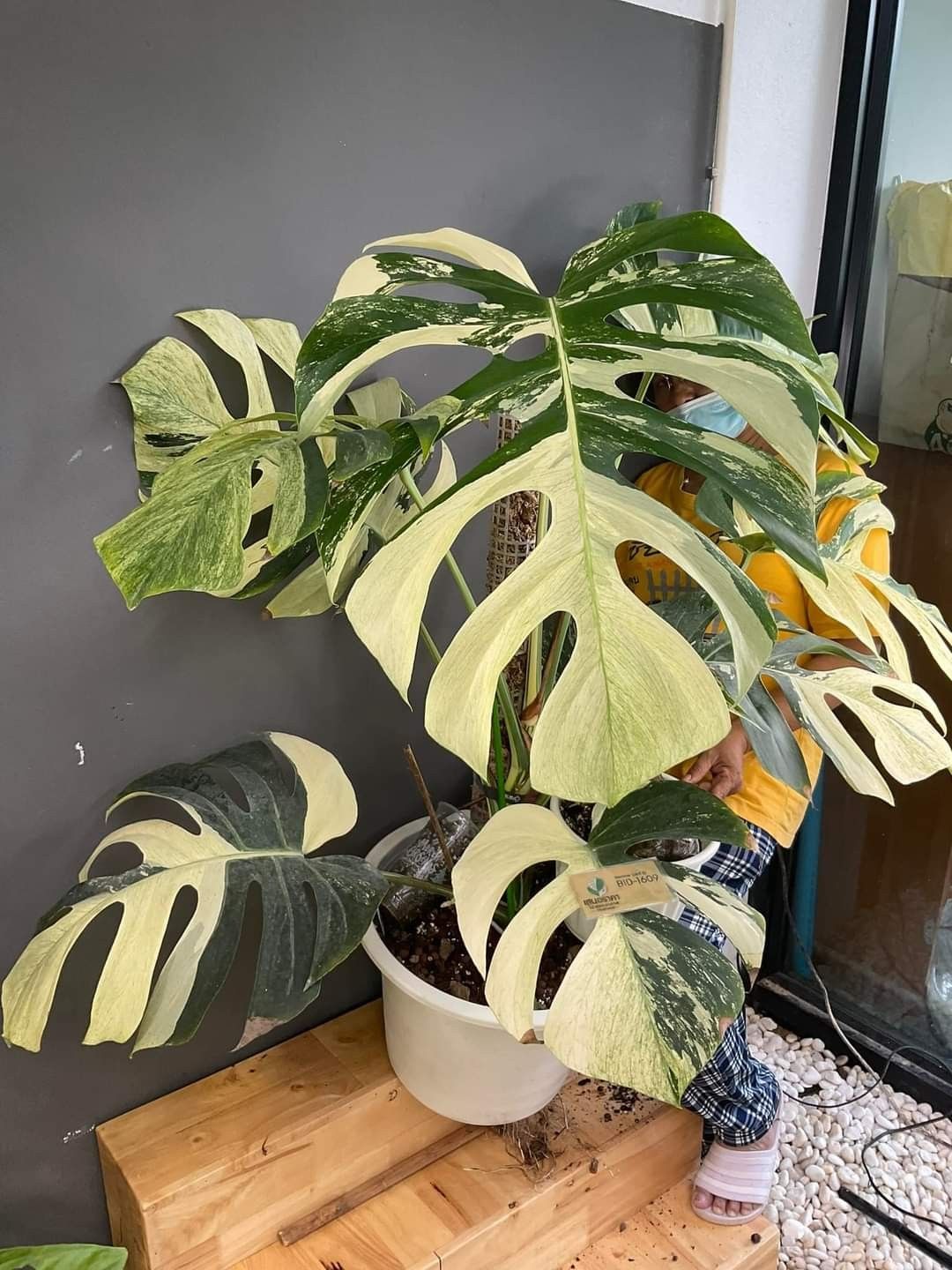
The Monstera Albo Borsigiana is a highly sought-after plant. Its unique variegation makes it stand out. The white splashes on green leaves are breathtaking. This rarity attracts plant enthusiasts worldwide. Discover its unique features and care requirements below.
Unique Features
The Monstera Albo Borsigiana boasts distinct characteristics. Its leaves have striking white variegation. These splashes and marbling patterns are unique to each leaf. The plant’s growth pattern is also notable. It’s a climbing plant and can reach impressive heights with support.
Here are some key features:
- White Variegation: Each leaf has unique white patterns.
- Climbing Nature: Needs support to grow tall.
- Large Leaves: Mature leaves can grow quite large.
- Fenestrations: Leaves develop holes as they mature.
Care Requirements
Caring for the Monstera Albo Borsigiana is essential for its health. This plant needs specific conditions to thrive. Below are the basic care requirements.
| Aspect | Requirement |
|---|---|
| Light | Bright, indirect sunlight |
| Water | Water when top 2 inches of soil are dry |
| Humidity | High humidity levels |
| Temperature | 65-80°F (18-27°C) |
| Soil | Well-draining potting mix |
| Fertilizer | Balanced, liquid fertilizer during growing season |
These care tips will help your Monstera Albo Borsigiana thrive:
- Ensure it gets bright, indirect light.
- Water only when the top soil is dry.
- Maintain high humidity around the plant.
- Keep it in a warm environment.
- Use a well-draining potting mix.
- Fertilize during the growing season.
Proper care will keep your plant healthy and beautiful.
Monstera Obliqua
The Monstera Obliqua is one of the rarest houseplants. Known for its delicate and unique appearance, it captures the hearts of plant enthusiasts worldwide. This elusive beauty is a treasure for any plant collector.
Distinct Characteristics
One of the most striking features of the Monstera Obliqua is its leaves. They are incredibly thin and delicate, almost paper-like. The leaves are filled with large holes, making them look almost like lace. This plant’s leaves are so fragile that they can tear easily. Its uniqueness is not just in appearance but also in its rarity.
| Characteristic | Description |
|---|---|
| Leaf Texture | Thin, delicate, almost paper-like |
| Leaf Holes | Large, lace-like holes |
| Rarity | Extremely rare |
Growth Habits
The Monstera Obliqua has unique growth habits. It grows very slowly compared to other Monsteras. This plant prefers high humidity and indirect light. It thrives in tropical environments. Regular watering is essential, but the soil must drain well.
- Slow growth rate
- Prefers high humidity
- Needs indirect light
- Requires well-draining soil
Despite its delicate nature, the Monstera Obliqua can be a rewarding plant to grow. Its rare beauty and unique characteristics make it a prized possession for any plant lover.

Monstera Thai Constellation
The Monstera Thai Constellation is a rare and stunning variety of the Monstera plant. Its unique variegation patterns make it a favorite among plant enthusiasts. This plant is not only beautiful but also a bit elusive, adding to its charm and desirability.
Appearance And Pattern
The Monstera Thai Constellation boasts large, heart-shaped leaves with distinctive splits and holes. The most striking feature is its unique variegation. The leaves display a constellation-like pattern with creamy white and green patches. Each leaf is different, making every plant unique.
Here is a comparison table of Monstera Thai Constellation’s appearance:
| Feature | Description |
|---|---|
| Leaf Shape | Heart-shaped with splits and holes |
| Variegation | Creamy white and green patches |
| Leaf Size | Large and broad |
Care Tips
- Light: Bright, indirect light is ideal. Avoid direct sun.
- Watering: Water when the top inch of soil is dry.
- Humidity: High humidity levels are best. Use a humidifier if needed.
- Soil: Use well-draining, airy soil to prevent root rot.
- Temperature: Keep in a warm environment, between 65-80°F (18-27°C).
- Fertilizing: Feed monthly during the growing season with a balanced fertilizer.
Follow these tips to keep your Monstera Thai Constellation healthy and vibrant. Its rare beauty will reward your efforts.
Monstera Deliciosa Variegata
The Monstera Deliciosa Variegata is a stunning and rare plant. Its unique leaves with white or cream patterns make it highly sought after. This plant adds a touch of elegance to any room. Now, let’s dive into the details of its leaf variegation and maintenance needs.
Leaf Variegation
The leaf variegation of Monstera Deliciosa Variegata is its most striking feature. Each leaf showcases a mix of green and white or cream. Some leaves may be almost entirely white, while others have splashes or streaks. This variegation occurs due to a genetic mutation. It gives the plant its rare and unique appearance.
Variegation patterns can vary from leaf to leaf. New leaves may surprise you with their unique designs. This unpredictability adds to the plant’s charm. It makes each plant truly one of a kind.
Maintenance Needs
Monstera Deliciosa Variegata requires specific care to thrive. It needs bright, indirect light. Direct sunlight can burn its delicate leaves. A well-draining soil mix is essential. Overwatering can lead to root rot, so let the soil dry out between waterings.
This plant also benefits from regular humidity. You can mist the leaves or use a humidifier. Fertilize it every month during the growing season. Use a balanced, water-soluble fertilizer. Pruning is necessary to remove any damaged or fully white leaves. This helps the plant stay healthy and vibrant.
:max_bytes(150000):strip_icc()/Monstera-types-GettyImages-1915403998-53b67c4518884efa87a0dd963ed3b6d3.jpg)
Monstera Adansonii Variegata
The Monstera Adansonii Variegata is a rare and stunning plant. Its unique variegated leaves make it a prized possession for plant enthusiasts. This rare Monstera variety stands out with its beautiful white and green patterns. Each leaf is a piece of living art, contributing to the plant’s high demand.
Rare Attributes
The Monstera Adansonii Variegata has several rare attributes. Its leaves showcase a mix of white and green colors. The variegation pattern is unique to each leaf. This makes every plant one-of-a-kind. The white sections lack chlorophyll, adding to its rarity. These plants are harder to propagate, increasing their value.
Environmental Preferences
The Monstera Adansonii Variegata has specific environmental preferences. It thrives in bright, indirect light. Direct sunlight can burn its delicate leaves. It prefers a humid environment to mimic its tropical origins. Regular misting helps maintain this humidity. Well-draining soil is crucial to prevent root rot. Water the plant when the top inch of soil feels dry. Keep it in a warm spot, away from cold drafts. These conditions help the plant grow healthy and strong.
Monstera Pinnatipartita
The Monstera Pinnatipartita is a rare and unique plant. This Monstera species is known for its stunning leaves and exotic appearance. Many plant enthusiasts seek this plant for their collection. Let’s dive into what makes this plant so special.
Leaf Shape And Size
The leaves of the Monstera Pinnatipartita are a sight to behold. They have a distinct shape that sets them apart from other Monstera species.
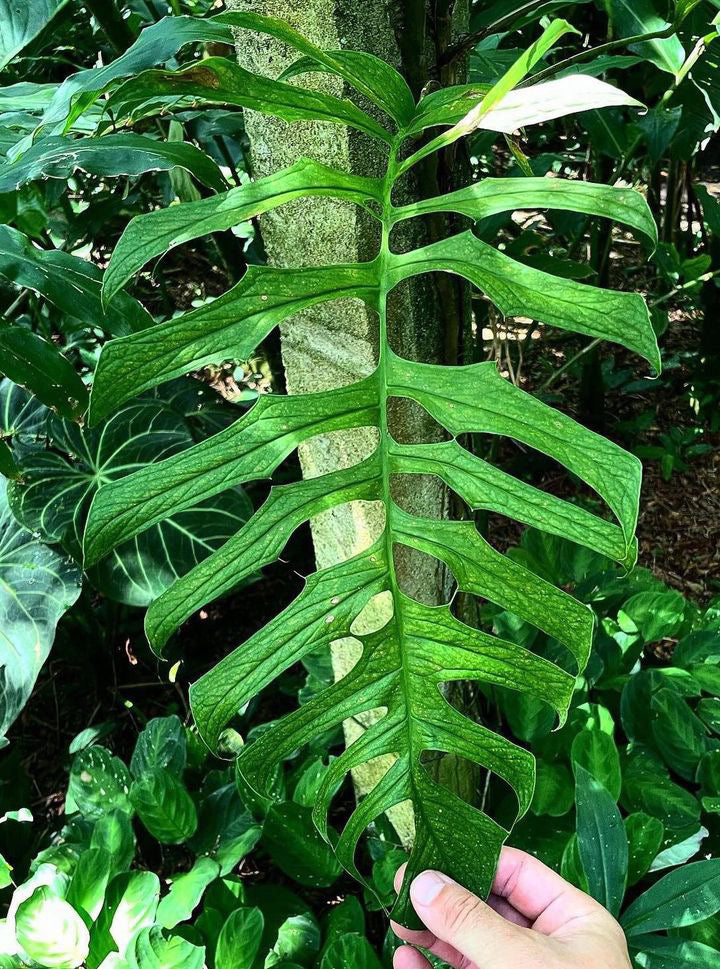
- Shape: The leaves are deeply split and have a feathery look. This gives the plant a delicate and intricate appearance.
- Size: Mature leaves can grow quite large, often reaching up to 3 feet in length. This makes the plant a striking addition to any space.
These features make the Monstera Pinnatipartita a true standout among its peers.
Propagation Methods
Propagating the Monstera Pinnatipartita can be a rewarding experience. Here are a few methods to consider:
- Stem Cuttings:
- Take a cutting with at least one node and a few leaves.
- Place the cutting in water or soil to root.
- Air Layering:
- Choose a healthy stem and make a small cut.
- Wrap the cut area with moist sphagnum moss and cover with plastic wrap.
- Once roots develop, cut below the rooted area and plant.
Each method has its own benefits, and choosing the right one depends on your preferences and experience.
Challenges Of Growing Rare Monstera
Rare Monsteras like Monstera obliqua or Monstera adansonii variegata are challenging to grow. Their unique needs require specific care, making them difficult for beginners.
Growing rare Monstera can be rewarding, yet it comes with its own set of challenges. The allure of unique patterns and exotic leaves makes them a prized possession. But with their beauty comes the need for special care. Below, we explore some common issues and pest and disease management for these rare beauties.Common Issues
Rare Monstera plants often face unique challenges. Here are some common issues:- Light Requirements: These plants need the right balance of light. Too much light can burn their leaves. Too little light can stunt their growth.
- Humidity Levels: Rare Monstera thrive in high humidity. Low humidity can lead to browning edges on their leaves.
- Soil Quality: They need well-draining soil. Poor soil can cause root rot.
- Watering Needs: Overwatering or underwatering can harm the plant. Finding the right balance is crucial.
Pest And Disease Management
Managing pests and diseases is crucial for keeping rare Monstera healthy. Here are some tips:- Aphids: These small insects can damage leaves. Use insecticidal soap to treat.
- Spider Mites: These pests can cause yellowing leaves. Increase humidity and use miticides.
- Root Rot: This is caused by overwatering. Ensure proper drainage and reduce watering frequency.
- Powdery Mildew: This fungal disease appears as a white powder. Improve air circulation and use fungicides.
| Issue | Cause | Solution |
|---|---|---|
| Leaf Burn | Too much light | Move to a shadier spot |
| Browning Edges | Low humidity | Increase humidity with a humidifier |
| Root Rot | Overwatering | Improve drainage, reduce watering |
Finding And Acquiring Rare Monstera
Finding and acquiring rare Monstera plants can be an exciting journey for plant enthusiasts. These unique plants are not only beautiful but also add a touch of the exotic to your home. Rare Monstera varieties are often sought after due to their unique features and limited availability. To successfully find and acquire these rare gems, you need to know where to look and what to expect.
Trusted Sources
Start with reputable nurseries and plant shops. These places often have knowledgeable staff who can help you find rare Monstera. Some nurseries specialize in rare and exotic plants, making them a good choice. Online plant shops are another option. Look for sellers with positive reviews and detailed plant descriptions. Social media groups and forums can also be helpful. Fellow plant enthusiasts often share tips and recommendations for finding rare Monstera.
Pricing And Availability
Rare Monstera plants can be expensive. Prices vary depending on the plant’s rarity and size. Smaller plants or cuttings may be more affordable. Keep in mind that rare plants may not always be in stock. Patience is key. Check multiple sources regularly and be ready to act quickly when a plant becomes available. Some sellers offer waiting lists or pre-orders. Joining these lists can increase your chances of acquiring a rare Monstera.
Frequently Asked Questions
What Makes A Monstera Rare?
A Monstera is rare due to its unique variegation, leaf shape, or limited availability. Rare types often have distinctive patterns or colors that are hard to find.
How Can I Identify A Rare Monstera?
Identify a rare Monstera by its unusual leaf patterns, variegation, or unique coloration. Rare varieties often have distinct and striking appearances.
Where Can I Buy Rare Monstera Plants?
You can buy rare Monstera plants from specialty plant shops, online retailers, or plant enthusiasts’ groups. Always check the plant’s authenticity.
Why Are Some Monstera Plants Expensive?
Some Monstera plants are expensive due to their rarity, unique features, and high demand. Limited availability also drives up the price.
Conclusion
Discovering rare Monstera plants can be an exciting journey. Each species has its unique charm and appeal. Collectors often seek the Monstera obliqua for its delicate, perforated leaves. The Monstera adansonii is another favorite, known for its heart-shaped leaves. Rare Monsteras can add a special touch to your plant collection.
Remember to care for them properly to see them thrive. Happy plant hunting!
Leave a Reply