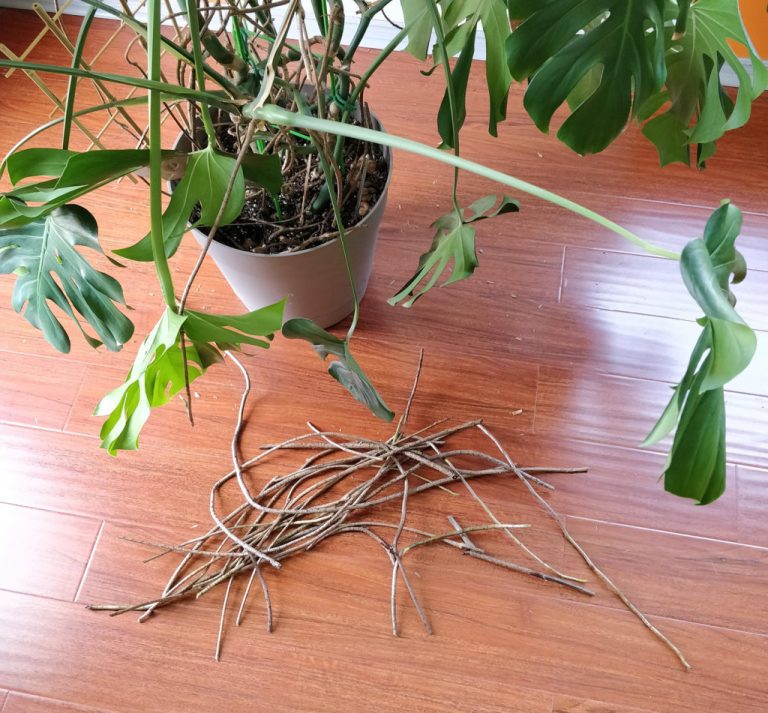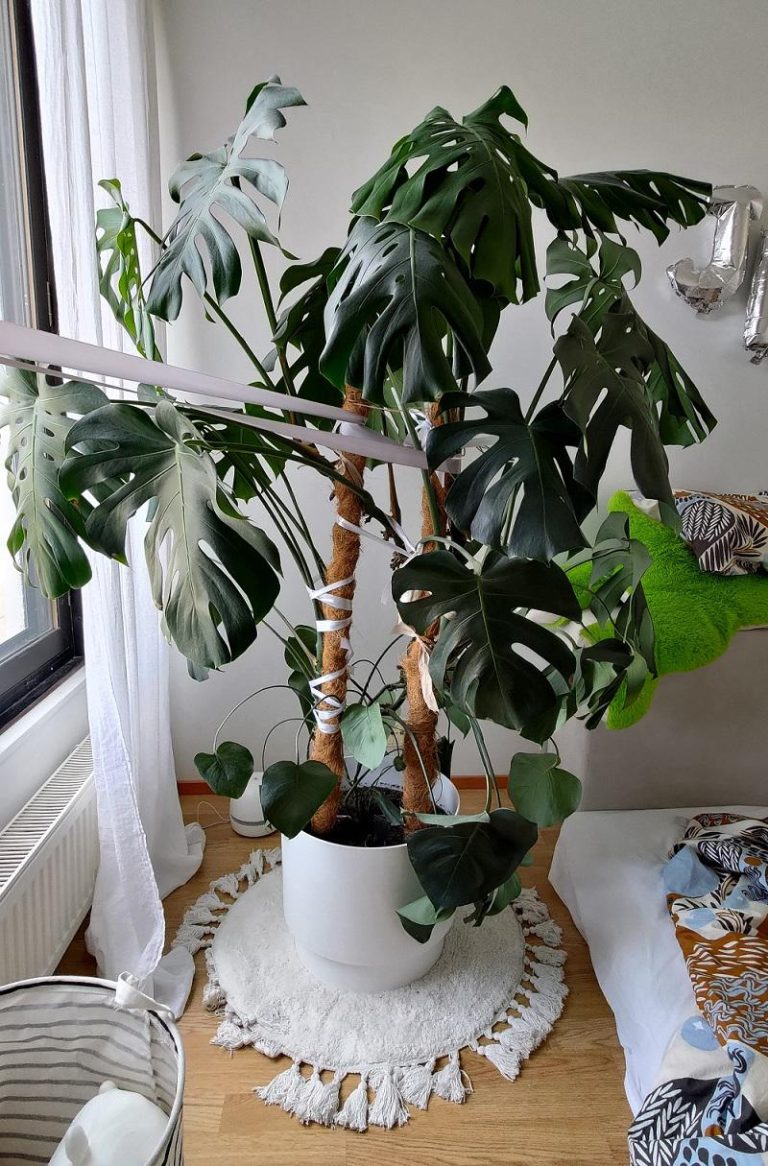

Which Monstera Has Fruit: Discover the Delicious Delights
Yes, Monstera plants can produce fruit. Among the varieties, Monstera deliciosa is known for its edible fruit.
Monstera plants are popular for their striking leaves. But did you know some also bear fruit? Monstera deliciosa, often called the Swiss Cheese Plant, is famed for its unique fruit. This fruit has a tropical flavor, blending pineapple and banana.
It’s a rare treat for plant lovers. Growing Monstera deliciosa not only adds beauty to your home but also offers the chance to taste this delicious fruit. In this blog, we will explore more about Monstera deliciosa and its fascinating fruit. Stay tuned to learn how to grow and care for this plant, and what to expect from its fruit.

Introduction To Monstera Fruit
The Monstera plant is known for its stunning leaves and edible fruit. This fruit is not only rare but also tasty. Let’s dive into what makes Monstera fruit unique.
What Is Monstera?
Monstera is a tropical plant often found in rainforests. It has large, split leaves that are eye-catching. This plant thrives in warm, humid conditions. It’s popular as a houseplant due to its beauty.
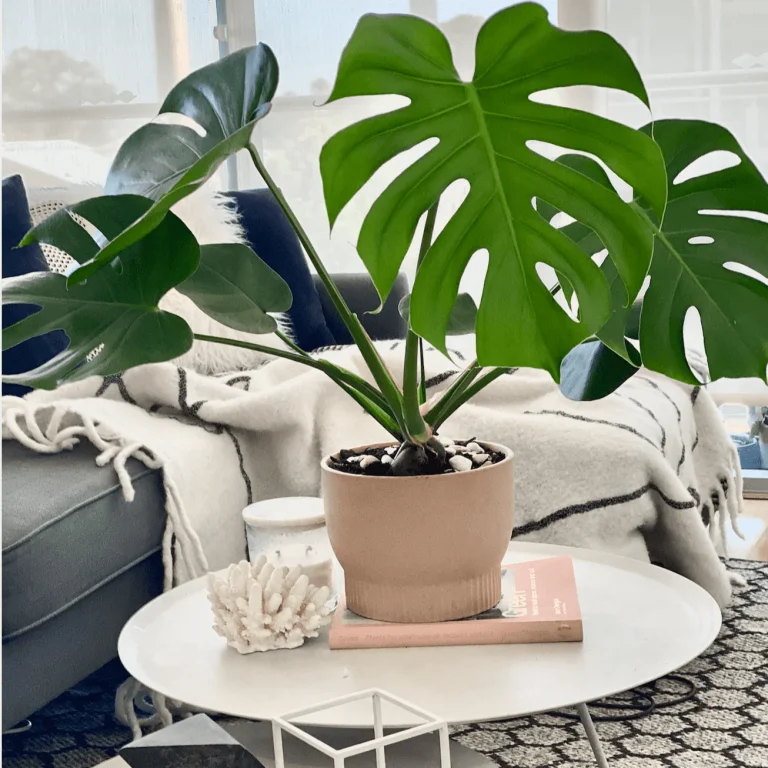
There are several species of Monstera. The most common one is Monstera deliciosa. This species is also known as the Swiss Cheese Plant. It can grow quite large and is often used in interior design.
Why Monstera Fruit Is Special
The fruit of Monstera deliciosa is unique. It is also called the “fruit salad plant” because of its mixed fruit taste. The flavor is a blend of pineapple and banana. This makes it quite delightful to eat.
Monstera fruit is not only delicious but also nutritious. It is rich in vitamins and minerals. Eating it can provide health benefits. However, it must be fully ripe before consumption. Unripe fruit can cause irritation due to the presence of calcium oxalate crystals.
| Nutrient | Benefits |
|---|---|
| Vitamin C | Boosts immunity |
| Potassium | Supports heart health |
| Fiber | Aids digestion |
Growing Monstera can be rewarding. With proper care, you can enjoy its beautiful leaves and delicious fruit.
Types Of Monstera Plants
Monstera plants are loved for their stunning foliage and easy care. Some also produce delicious fruit. Knowing the types of Monstera plants helps in understanding which ones bear fruit.
Common Monstera Varieties
The Monstera Deliciosa, also known as the Swiss Cheese Plant, is the most common. This variety produces large, edible fruit. The fruit tastes like a mix of pineapple and banana. Another popular type is Monstera Adansonii, known for its smaller, hole-filled leaves. While it’s beautiful, it rarely bears fruit indoors.
Rare Monstera Species
Monstera Obliqua is a rare species with delicate, perforated leaves. It’s challenging to grow and seldom bears fruit. Monstera Dubia is another rare plant. Its leaves start small and heart-shaped, growing larger with age. Fruit production is limited but possible under ideal conditions.
Monstera Pinnatipartita has deeply split leaves. It can produce fruit, but it’s uncommon in home settings. Monstera Acuminata is less known. It features smaller, oval leaves and occasionally bears fruit.
Monstera Deliciosa: The Fruit-bearing Species
Monstera Deliciosa is not just a popular houseplant. It is also known for its unique fruit. This tropical plant produces an edible fruit with a sweet, pineapple-like flavor. Many plant enthusiasts grow Monstera Deliciosa for its decorative leaves. But the fruit adds an exciting twist.
Characteristics Of Monstera Deliciosa
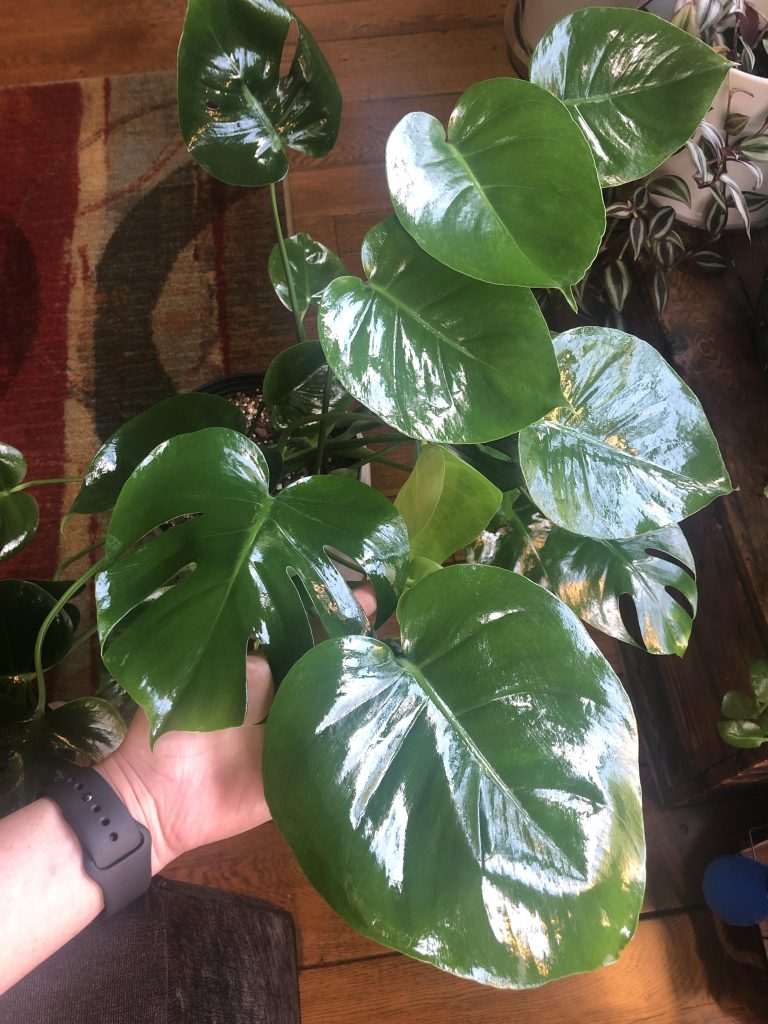
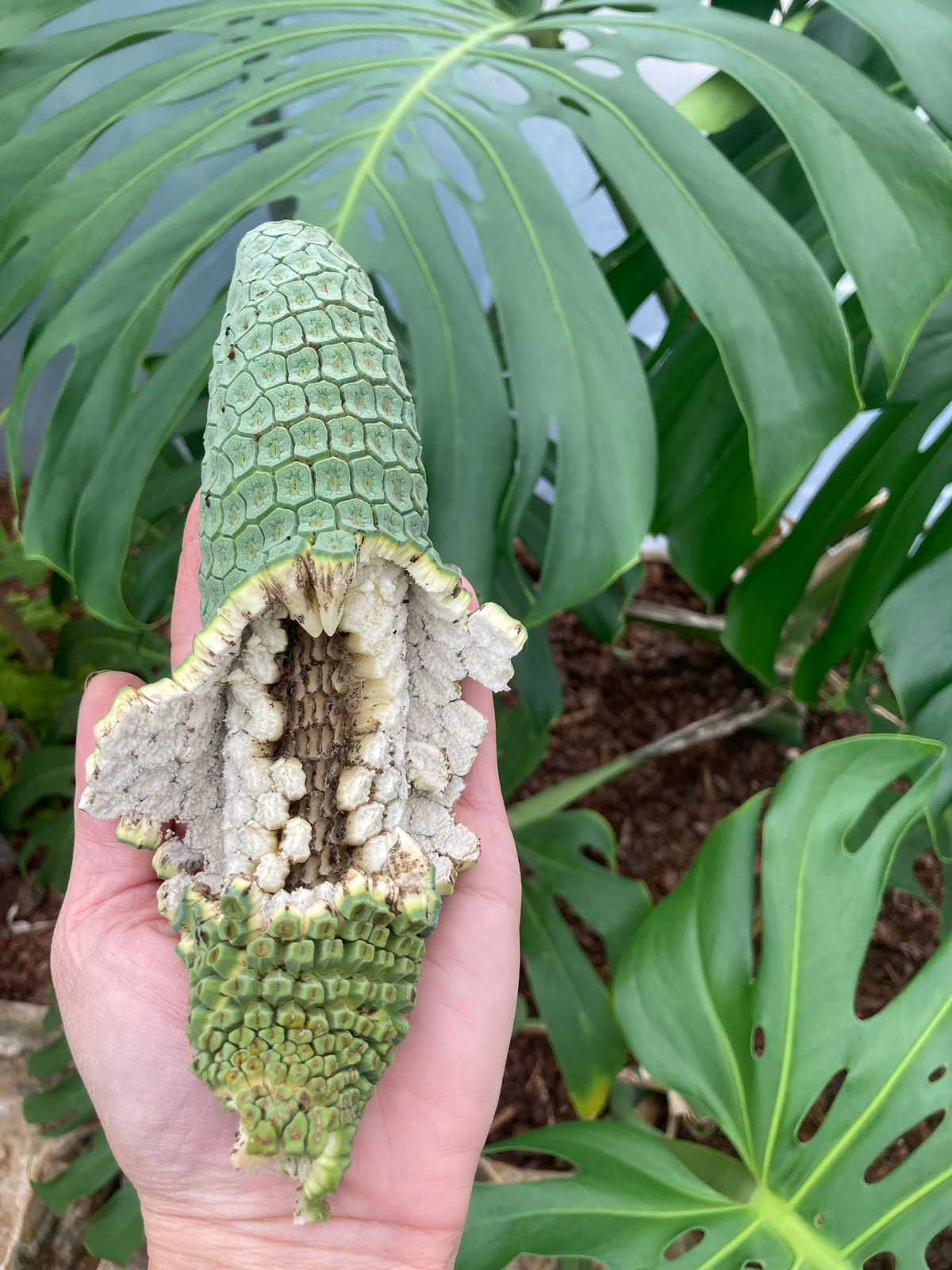
Monstera Deliciosa has large, glossy leaves. These leaves are heart-shaped with natural holes. The plant can grow up to 20 meters tall in the wild. Indoors, it usually reaches around 2 to 3 meters. The fruit is elongated and resembles a green ear of corn. It is covered in hexagonal scales. The fruit changes color as it ripens. It starts green and turns yellowish when ready to eat.
Growing Conditions For Fruit Production
Monstera Deliciosa needs specific conditions to produce fruit. It thrives in warm, humid environments. Temperatures should be between 20 to 30 degrees Celsius. The plant prefers bright, indirect light. Direct sunlight can scorch the leaves. Consistent watering is crucial. The soil should be moist but not waterlogged. Good drainage is essential.
Fertilizing helps promote fruit production. Use a balanced, water-soluble fertilizer every month. Pruning the plant encourages healthy growth. Remove yellow or damaged leaves. This allows the plant to focus energy on producing fruit. Patience is necessary. It can take a few years for Monstera Deliciosa to bear fruit.
Harvesting Monstera Fruit
Monstera plants, also known as Swiss Cheese plants, produce an exotic fruit. The fruit is not only delicious but also nutritious. Harvesting Monstera fruit at the right time is crucial. Here, we will discuss the best time and techniques for harvesting Monstera fruit.
When To Harvest
The Monstera fruit must be harvested when it is fully mature. The fruit takes about a year to ripen after flowering. Look for these signs to know if the fruit is ready for harvest:
- The fruit changes from green to a lighter green or slightly yellow.
- The outer scales start to lift and separate.
- A sweet aroma emanates from the fruit.
Harvesting too early can result in a sour taste. Waiting too long can cause the fruit to over-ripen and spoil.
Proper Harvesting Techniques
Follow these steps for proper harvesting:
- Use a clean, sharp knife to cut the fruit from the plant.
- Hold the fruit gently to avoid bruising.
- Cut at the base of the fruit stem, leaving a small portion attached.
After harvesting, let the fruit sit at room temperature. Allow the scales to fall off naturally. This ensures the best flavor and texture.
To summarize, knowing when to harvest and using the proper techniques are key. These steps ensure you enjoy the best of what Monstera fruit has to offer.
Preparing Monstera Fruit For Consumption
Monstera fruit is not only unique in appearance but also delicious. To enjoy it safely, proper preparation is crucial. This section guides you through the steps to prepare Monstera fruit for consumption, ensuring you enjoy its sweet, pineapple-like flavor without any risk.
Peeling And Cleaning
Start by selecting a ripe Monstera fruit. Ripe fruit has a strong, sweet aroma and the scales begin to lift. Gently peel off the scales using your fingers. They should come off easily. If not, the fruit may not be ripe enough.
After peeling, wash the fruit thoroughly under running water. This removes any dirt or contaminants. Pat the fruit dry with a clean towel.
Removing Toxins
Monstera fruit contains toxins that can cause irritation if not removed. To do this, cut the fruit into small pieces. Lay these pieces out on a flat surface.
Let the cut pieces sit for a few hours. This allows the remaining scales to lift and the fruit to fully ripen, reducing toxin levels. Only consume the fruit when it is fully ripe and the scales have been removed.
Follow these steps, and you will safely enjoy the exotic taste of Monstera fruit.
Culinary Uses Of Monstera Fruit
Monstera deliciosa produces edible fruit resembling a green corn cob. The ripe fruit is sweet and tropical, often used in desserts, smoothies, and salads. Careful preparation is needed to avoid irritation from unripe parts.
Monstera fruit, known for its unique flavor, offers exciting culinary possibilities. Its taste, a blend of pineapple and banana, can transform simple dishes. This fruit is not just a visual delight but also a culinary gem.Monstera In Smoothies
Adding Monstera fruit to smoothies enhances flavor and nutrition. Its sweet and tangy taste complements various fruits. Blend Monstera with bananas, strawberries, or mangoes for a refreshing drink. The fruit’s creamy texture also adds a smooth consistency. Perfect for a quick, healthy breakfast or snack.Desserts Featuring Monstera
Monstera fruit shines in desserts. Use it in fruit salads, tarts, and pies. It pairs well with vanilla, coconut, and chocolate. Create a Monstera fruit sorbet for a cool treat. Its natural sweetness reduces the need for added sugar. Experiment with Monstera in your favorite dessert recipes. “`Health Benefits Of Monstera Fruit
Monstera deliciosa, also known as the Swiss cheese plant, produces edible fruit. This fruit offers several health benefits, including essential vitamins and minerals.
Monstera fruit, also known as ceriman or Swiss cheese plant fruit, is both exotic and nutritious. This fruit not only delights the taste buds but also offers several health benefits. Consuming Monstera fruit can be a delicious way to boost your overall health.Nutritional Content
Monstera fruit is rich in essential vitamins and minerals. It contains Vitamin C, which helps strengthen the immune system. It is also a good source of dietary fiber, aiding in digestion. Additionally, the fruit provides potassium, which helps regulate blood pressure. Monstera fruit is low in calories. This makes it a healthy snack option. It also contains antioxidants, which help fight free radicals in the body. These nutrients are vital for maintaining good health.Potential Health Advantages
Eating Monstera fruit can improve digestion. The fiber content helps promote regular bowel movements. It can also help reduce constipation. This makes it beneficial for digestive health. Vitamin C in Monstera fruit boosts the immune system. It helps the body fight infections more effectively. This keeps you healthier and more energetic. Potassium in Monstera fruit helps maintain healthy blood pressure levels. It supports heart health and reduces the risk of heart disease. This makes it a heart-friendly fruit. Antioxidants in Monstera fruit protect the body from oxidative stress. They help reduce the risk of chronic diseases. This includes conditions like cancer and diabetes. Monstera fruit offers a variety of health benefits. Incorporating it into your diet can improve your overall well-being. “`Growing Your Own Monstera Deliciosa
Monstera Deliciosa, also known as the Swiss Cheese Plant, is famous for its unique leaves. But did you know it also bears delicious fruit? Growing your own Monstera Deliciosa can be a rewarding experience. With the right care, you can enjoy both its beauty and its tasty fruit.
Planting Tips
Start by choosing a healthy Monstera Deliciosa plant. Select a pot with drainage holes. This prevents water from sitting at the bottom. Use a rich, well-draining soil mix. A mix of peat, pine bark, and perlite works well. Place the plant in an area with bright, indirect light. Too much direct sunlight can burn the leaves.
Water the plant when the top inch of soil feels dry. Overwatering can lead to root rot. Keep the temperature between 65-75°F (18-24°C). Higher humidity levels help the plant thrive. Mist the leaves occasionally to increase humidity.
Caring For Your Monstera
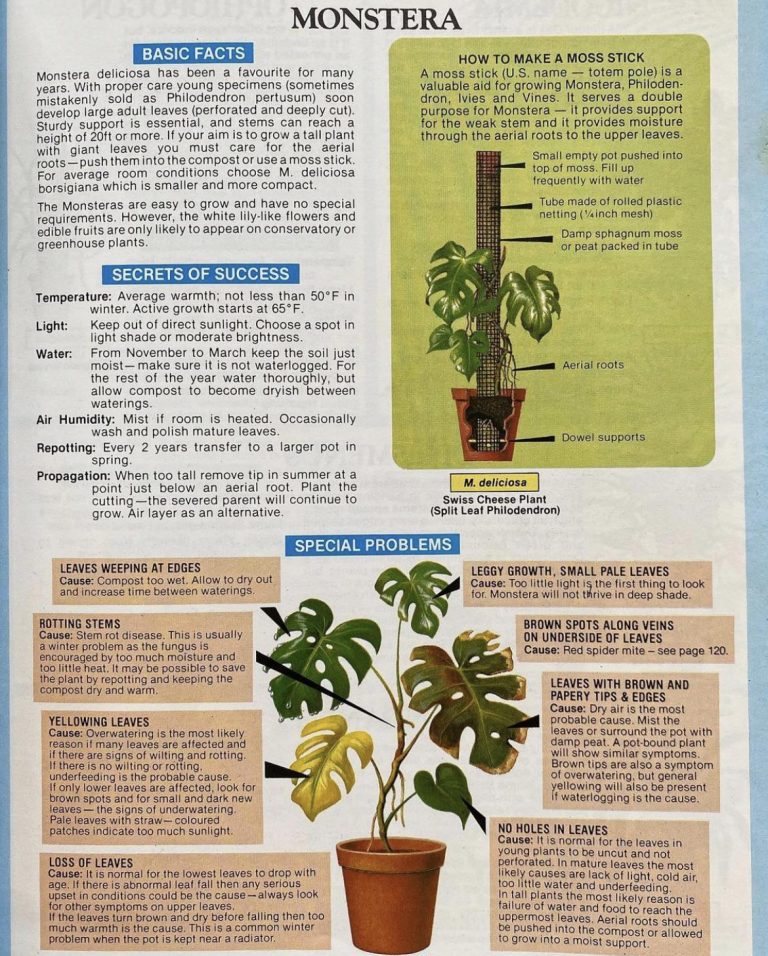
Feed your Monstera with a balanced, water-soluble fertilizer every month. Fertilizing helps the plant grow strong and healthy. Prune any yellow or damaged leaves to keep it looking its best. Support the plant with a moss pole or trellis. This encourages vertical growth and larger leaves.
Repot the plant every 2-3 years or when it outgrows its pot. Gently remove the plant from its current pot. Place it in a larger pot with fresh soil. This gives the roots more room to grow. With proper care, your Monstera Deliciosa will thrive and may even produce its delicious fruit.
Monstera Fruit Recipes
Monstera deliciosa, also known as the Swiss cheese plant, produces edible fruit. The fruit has a unique tropical flavor.
Monstera fruit, also known as the Swiss cheese plant fruit, is a hidden gem in the culinary world. Its unique flavor, a mix of pineapple and banana, makes it a delightful ingredient. Let’s explore some simple and creative ways to enjoy this tropical treat.Simple Monstera Recipes
Start with a basic approach. Peel and slice the ripe Monstera fruit. Enjoy it fresh as a snack. Add it to your morning smoothie for a tropical twist. You can also mix it into a fruit salad. It pairs well with berries and citrus fruits. Another easy recipe is Monstera fruit yogurt. Blend the fruit with plain yogurt. Add a drizzle of honey for sweetness. This makes a refreshing and healthy breakfast or dessert.Creative Culinary Ideas
For a more adventurous recipe, try Monstera fruit salsa. Combine diced Monstera fruit with tomatoes, onions, and cilantro. Add a squeeze of lime juice. Serve it with tortilla chips or grilled fish. Monstera fruit can also be used in baking. Add it to muffin or bread batter. It adds moisture and a tropical flavor. You can even make Monstera fruit jam. Cook the fruit with sugar and lemon juice. Spread it on toast or use it as a filling for pastries. Experiment with Monstera fruit in savory dishes too. Add it to a curry for a sweet and tangy note. It complements spicy flavors well. Create a Monstera fruit chutney. Serve it with cheese or roasted meats. These simple and creative recipes showcase the versatility of Monstera fruit. Enjoy experimenting with this exotic ingredient in your kitchen. “`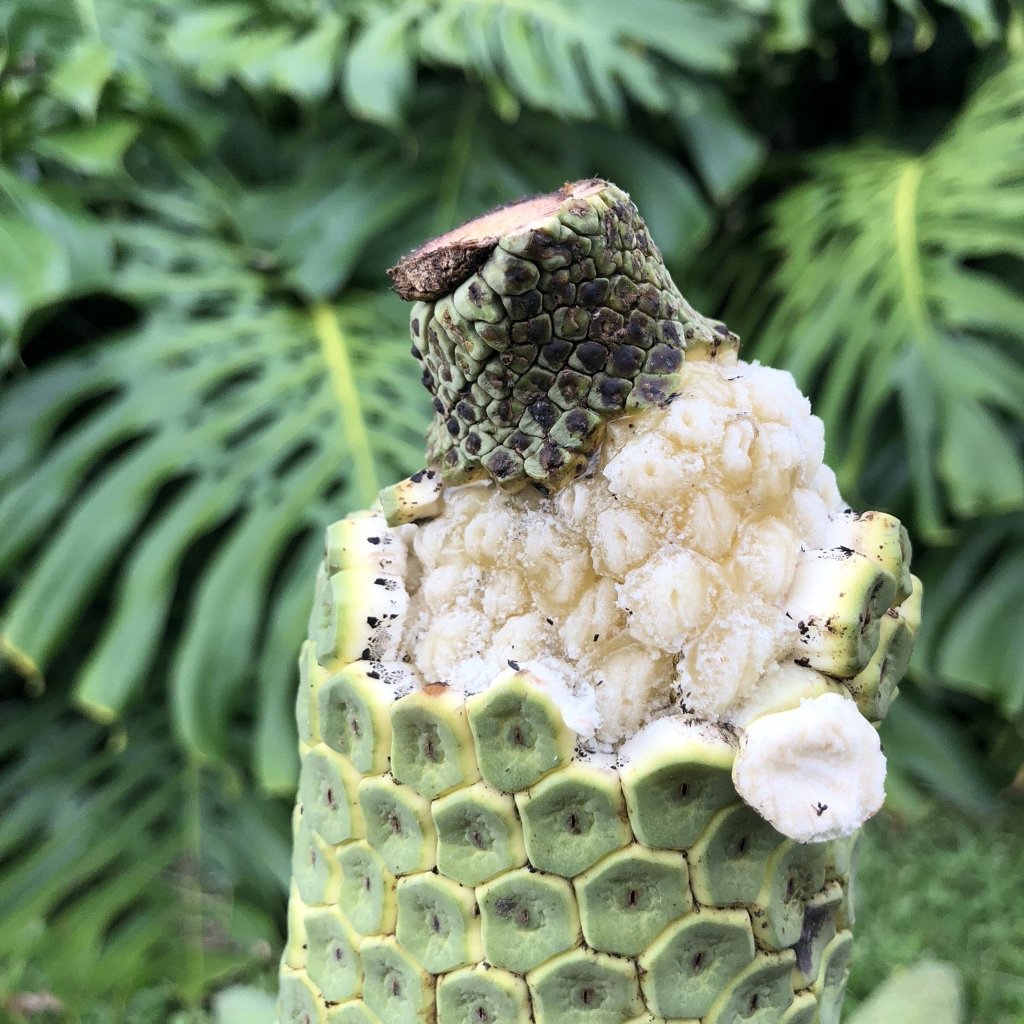
Frequently Asked Questions
What Is The Monstera Fruit Called?
The Monstera fruit is called Monstera deliciosa or Swiss cheese plant fruit. It is known for its unique texture and flavor.
Can You Eat Monstera Fruit?
Yes, Monstera fruit is edible when fully ripe. Unripe Monstera fruit can cause irritation due to oxalic acid.
How Long Does Monstera Fruit Take To Ripen?
Monstera fruit takes about 10-12 months to ripen. It should be harvested when the scales start to lift.
What Does Monstera Fruit Taste Like?
Monstera fruit tastes like a blend of pineapple and banana. Its tropical flavor is quite unique and delicious.
Conclusion
Discovering which Monstera has fruit can be fascinating. Monstera deliciosa produces edible fruit. Its unique flavor blends pineapple and banana. This tropical plant adds beauty and fruit to your space. Proper care ensures healthy growth and fruiting. Enjoy the journey of growing a Monstera with fruit.
Explore further and share your experiences. Happy gardening!