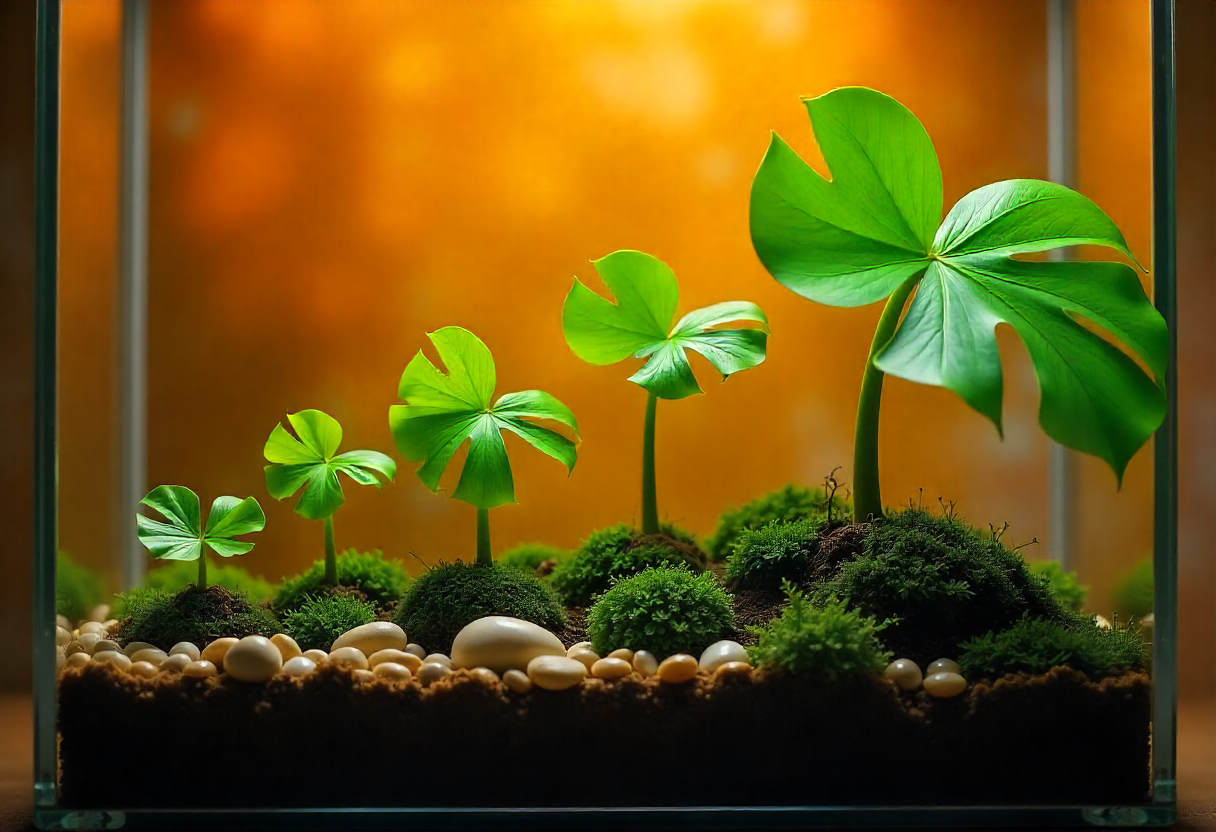
Identifying your Monstera plant can be a bit tricky. Monsteras come in various types, each with unique traits.
Monstera plants are popular houseplants known for their lush, tropical appearance. If you have one, you might wonder which specific Monstera you own. Identifying your plant correctly helps in providing the best care. Different Monstera types have unique leaf shapes, sizes, and growth patterns.
Understanding these differences can enhance your plant care routine and ensure your Monstera thrives. This guide will help you identify the common Monstera varieties and their distinct characteristics. So, let’s dive in and discover which Monstera you have at home!
Introduction To Monstera
Monstera plants are a favorite among plant enthusiasts. These plants are known for their unique leaves and easy care. If you’re new to Monstera, this guide will help you identify your plant.
Popular Houseplant
Monstera is a popular houseplant. It’s loved for its large, glossy leaves. These leaves often have natural holes or splits. This unique feature makes Monstera stand out from other houseplants.
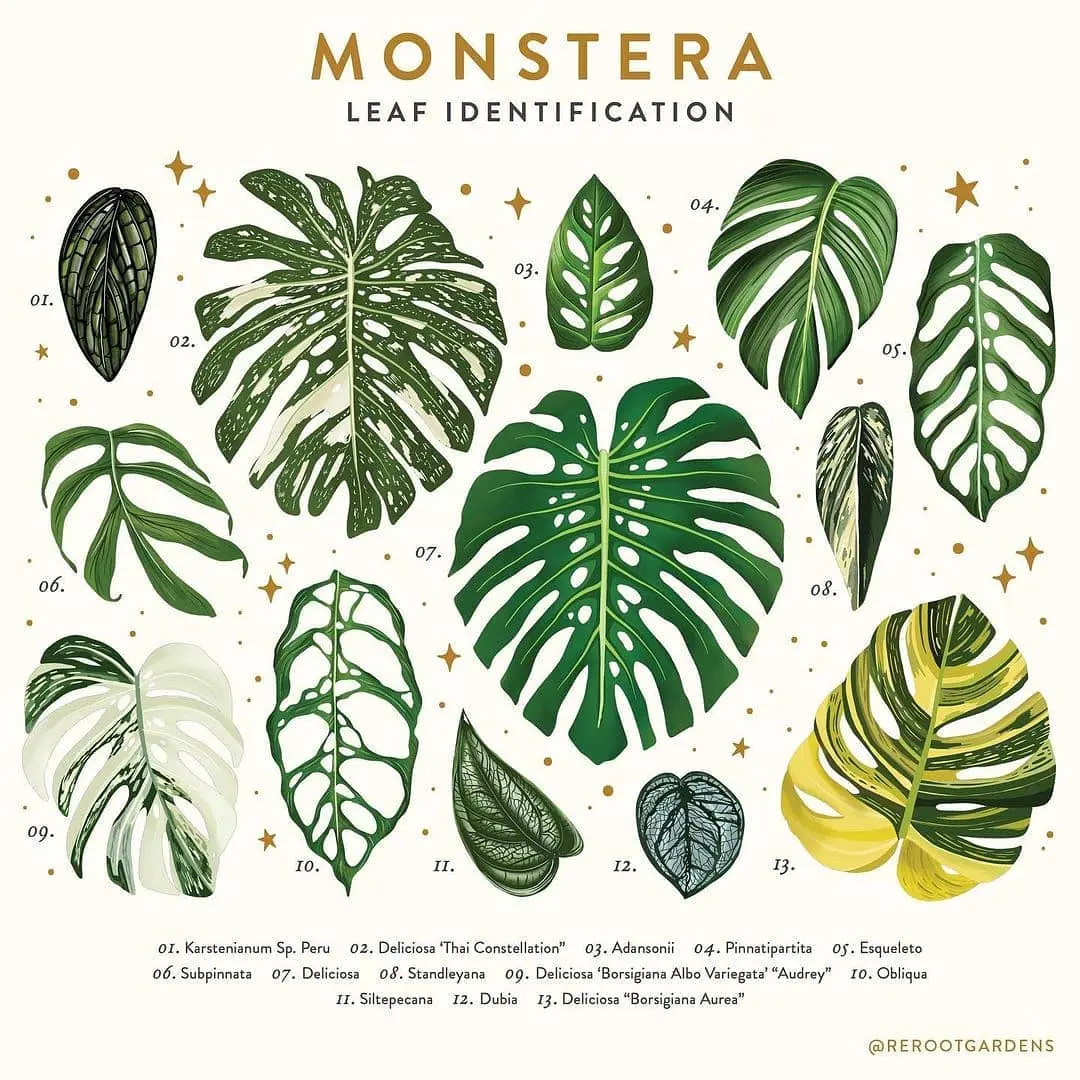
There are many types of Monstera. Some common varieties include Monstera deliciosa, Monstera adansonii, and Monstera obliqua. Each type has its own distinct characteristics.
Monstera deliciosa is the most common type. It has large, heart-shaped leaves with deep splits. Monstera adansonii, also known as the Swiss cheese plant, has smaller leaves with multiple holes. Monstera obliqua is rare and has very delicate leaves with large holes.
| Type | Leaf Shape | Special Features |
|---|---|---|
| Monstera deliciosa | Large, heart-shaped | Deep splits |
| Monstera adansonii | Smaller, oval | Multiple holes |
| Monstera obliqua | Delicate, with large holes | Rare |
Tropical Origins
Monstera plants come from tropical regions. They are native to Central and South America. In the wild, they grow under the canopy of larger trees. This environment provides them with filtered light and high humidity.
Understanding their tropical origins helps in their care. They thrive in warm, humid conditions with indirect sunlight. Mimicking their natural habitat indoors can help them flourish.
Provide your Monstera with a well-draining potting mix. Water them regularly, but do not let the soil stay soggy. Occasional misting can help maintain humidity. With the right care, your Monstera will thrive and add a touch of the tropics to your home.
Key Identification Features
Identifying your Monstera plant can be a fun and rewarding experience. Each variety has unique features that make it special. Understanding these features helps you care for your plant better. Here are the key identification features to look out for.
Leaf Shape
Monstera leaves vary in shape. Some have heart-shaped leaves. Others have round or oval leaves. Young leaves are usually smaller and less defined. As the plant matures, the leaves change shape and size. This is an important clue in identifying your Monstera.
Fenestrations
Fenestrations are the holes or splits in the leaves. Not all Monstera plants have them. Monstera deliciosa has large, dramatic splits and holes. Monstera adansonii has smaller, more numerous holes. Some varieties have no fenestrations at all. Observing these can help determine the type of Monstera.
Color And Texture
Leaf color and texture also provide important clues. Most Monstera leaves are dark green. Some varieties have variegated leaves. These have white or yellow patches. The texture of the leaves can be smooth or slightly rough. Feel the leaves to understand their texture. This helps in identifying the specific variety.
Monstera Deliciosa
Monstera Deliciosa, also known as the Swiss Cheese Plant, is a popular houseplant. Its unique leaves with natural holes make it a favorite among plant lovers.
Characteristics
The Monstera Deliciosa is known for its large, glossy leaves. These leaves can grow up to 3 feet long. They have distinctive splits and holes, which are called fenestrations.
This plant can grow quite tall, sometimes reaching up to 10 feet indoors. It has a sturdy stem and aerial roots that help it climb. The Monstera Deliciosa also produces a fruit that tastes like a mix of banana and pineapple.
Common Confusions
People often confuse Monstera Deliciosa with other Monstera varieties. Here is a table to help distinguish them:
| Feature | Monstera Deliciosa | Other Monstera Varieties |
|---|---|---|
| Leaf Size | Up to 3 feet | Usually smaller |
| Fenestrations | Large and irregular | Smaller and more uniform |
| Fruit | Edible, tastes like banana and pineapple | Non-edible or no fruit |
| Height | Up to 10 feet indoors | Generally shorter |
It is easy to mistake Monstera Adansonii for Monstera Deliciosa. The Adansonii has smaller, more symmetrical holes. Its leaves are also thinner and more delicate.
Another common confusion is with Philodendrons. While similar, Philodendrons have smoother leaves without the distinct splits.
Understanding these differences will help you correctly identify your Monstera.
Monstera Adansonii
Monstera Adansonii, also known as the Swiss Cheese Plant, is a popular houseplant. It is well-loved for its unique, holey leaves and easy care. This plant is native to Central and South America. Monstera Adansonii thrives in humid environments and indirect light. Its stunning foliage makes it a favorite among plant enthusiasts.
Small Leaf Varieties
Monstera Adansonii comes in different leaf sizes. The small leaf variety is perfect for indoor spaces. These leaves can range from 2 to 4 inches in length. They have a charming, delicate appearance. Small leaf varieties are ideal for hanging baskets or small pots.
Distinctive Holes
One of the most distinctive features of Monstera Adansonii is its holes. These holes, also called fenestrations, give the plant a unique look. The holes help the plant withstand strong winds in the wild. They also allow light to reach the lower leaves. The pattern of holes can vary from plant to plant. This makes each Monstera Adansonii unique and special.
Monstera Borsigiana
Monstera Borsigiana is a beautiful plant popular among indoor gardeners. Its striking leaves feature holes and splits, adding a tropical touch to any room. Many people confuse it with the Monstera Deliciosa due to their similar appearance. Let’s explore the differences and unique growth patterns of Monstera Borsigiana.
Differences From Deliciosa
Monstera Borsigiana has smaller leaves compared to Monstera Deliciosa. The leaves of Borsigiana are more elongated and less heart-shaped. Another key difference is the node spacing. Borsigiana has shorter internodes, which means the space between the leaves is smaller. This gives the plant a more compact look. Monstera Deliciosa, on the other hand, has larger leaves and longer internodes. These differences make Borsigiana easier to manage in smaller spaces.
Growth Patterns
Monstera Borsigiana grows faster than Monstera Deliciosa. It is a vigorous climber, reaching heights quickly when provided with support. To encourage upward growth, you can use a moss pole or trellis. This plant thrives in bright, indirect light but can adapt to lower light conditions. Regular watering and humidity help promote healthy growth. Ensure the soil is well-draining to prevent root rot. With the right care, Monstera Borsigiana will flourish and become a stunning addition to your indoor garden.
Monstera Dubia
The Monstera Dubia is a unique and fascinating plant. It captures attention with its climbing habit and interesting leaves. This plant is often sought after by houseplant enthusiasts. Let’s dive into the characteristics that make the Monstera Dubia special.
Shingling Habit
The Monstera Dubia is known for its shingling habit. This means the plant climbs and attaches itself to surfaces. It uses aerial roots to cling to trees or walls. As it climbs, the leaves lay flat against the surface. This creates a beautiful, layered look.
To help the plant climb, provide a support like a moss pole or a wooden plank. This mimics the plant’s natural environment. As the Monstera Dubia matures, its leaves will grow larger and more intricate.
Leaf Texture
The leaves of the Monstera Dubia have a distinct texture. They are heart-shaped and have a leathery feel. The leaves are usually dark green with lighter green or silver markings. These markings form a beautiful pattern, adding to the plant’s appeal.
As the plant grows, new leaves appear, showing off the plant’s stunning texture and color. The leaves’ texture and pattern make the Monstera Dubia a favorite among plant collectors.
| Feature | Description |
|---|---|
| Leaf Shape | Heart-shaped |
| Leaf Texture | Leathery with silver markings |
| Growth Habit | Climbing, shingling |
Understanding these features helps identify and care for the Monstera Dubia. Enjoy the beauty and unique characteristics of this amazing plant in your home.
Monstera Obliqua
The Monstera Obliqua is a rare and intriguing plant. Known for its unique appearance, it has captured the hearts of many plant enthusiasts. This species stands out from other Monsteras due to its distinctive features.
Rare Species
The Monstera Obliqua is one of the rarest Monstera species. It is not commonly found in nurseries or garden centers. Its rarity makes it highly sought after by collectors. You might see it in specialized plant shops or online auctions.
Unique Features
The Monstera Obliqua is famous for its delicate leaves. The leaves are thin and fragile, with large holes. These holes give it a lace-like appearance. The plant’s slender stems add to its fragile look. This Monstera’s leaves are more holes than solid leaf matter.
Another unique feature is its slow growth. The Monstera Obliqua grows much slower than other Monsteras. Its care requires patience and attention. This plant thrives in high humidity and indirect light. Proper care ensures its health and beauty.
Care Tips For Monstera
Caring for your Monstera is essential for its growth and health. This guide will provide you with simple tips to keep your plant thriving. Follow these easy steps to ensure your Monstera stays happy and healthy.
Light Requirements
Monstera plants love bright, indirect light. Place your plant near a window that gets plenty of natural light. Avoid direct sunlight. It can burn the leaves. If natural light is limited, you can use a grow light.
Watering Needs
Water your Monstera when the top inch of soil feels dry. Overwatering can lead to root rot. Make sure the pot has drainage holes. This helps excess water to escape. Use room temperature water to avoid shocking the plant.
Soil And Fertilizer
Monstera plants prefer well-draining soil. A mix of potting soil, peat moss, and perlite works well. This helps with aeration and prevents waterlogging. Fertilize your Monstera once a month during the growing season. Use a balanced, water-soluble fertilizer. Reduce feeding in winter months.

Frequently Asked Questions
How Do I Identify My Monstera?
To identify your Monstera, check the leaf shape, size, and fenestrations. Each Monstera species has unique leaf characteristics.
What Are Common Monstera Types?
Common Monstera types include Monstera deliciosa, Monstera adansonii, and Monstera obliqua. Each has distinct leaf patterns.
Why Are My Monstera Leaves Splitting?
Monstera leaves split due to natural growth patterns. Adequate light and proper watering encourage healthy leaf development.
How Often Should I Water My Monstera?
Water your Monstera when the top inch of soil feels dry. Avoid overwatering to prevent root rot.
Conclusion
Identifying your Monstera can be fun and rewarding. Pay close attention to leaf shape and size. Check for unique patterns and colors. These clues help you determine the type. Enjoy caring for your Monstera and watching it thrive. With patience, you’ll become more familiar with its needs.
Happy plant parenting!
Leave a Reply