Monstera plants are loved for their beautiful, unique leaves. But where do Monstera seeds come from?
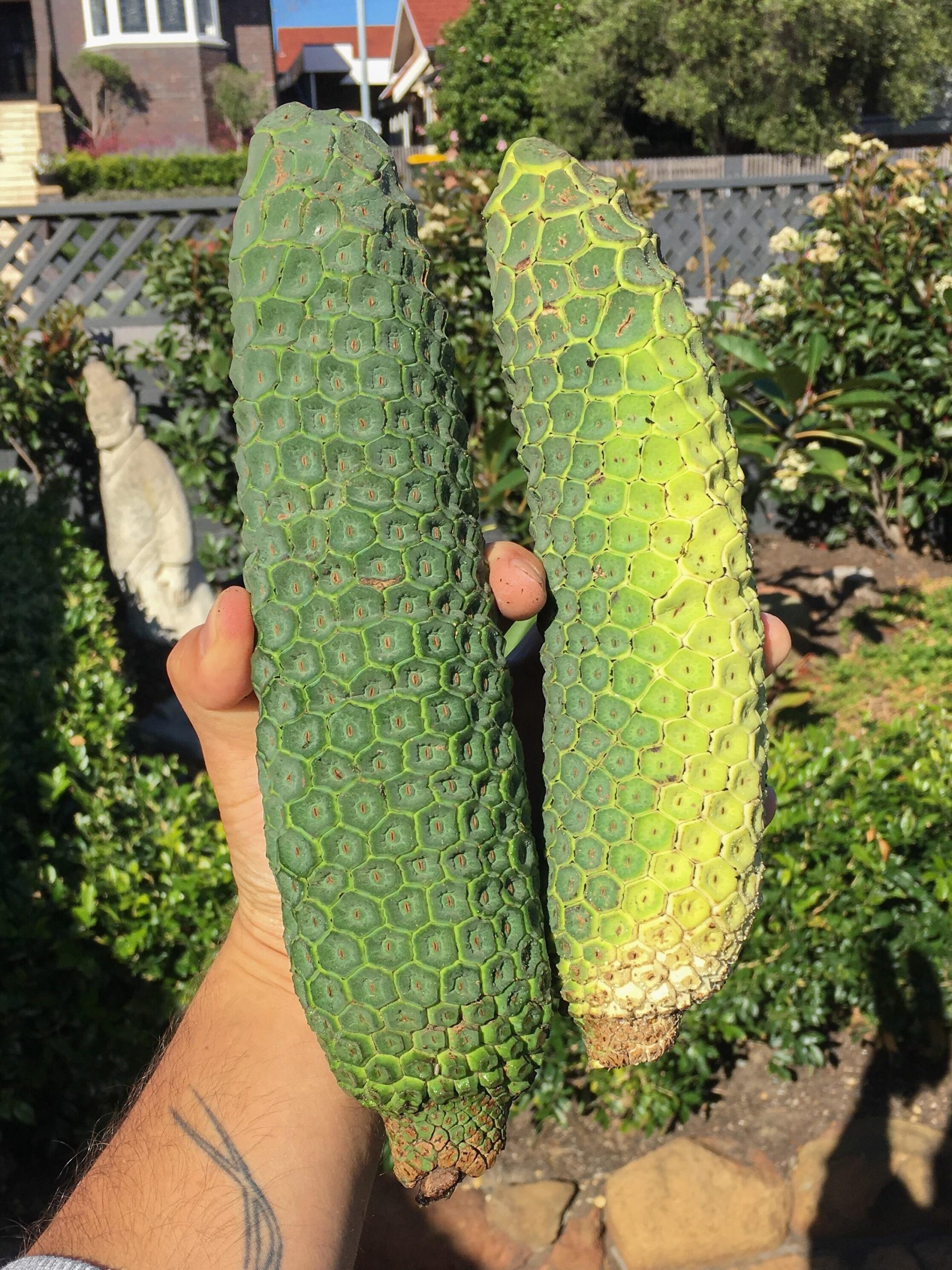
Monstera seeds come from the fruit of the Monstera plant. This plant, also known as the Swiss Cheese Plant, is native to tropical regions. The fruit looks like a green ear of corn and contains small seeds. In their natural habitat, animals eat the fruit, spreading the seeds.
For home growers, obtaining these seeds can be a bit tricky. The fruit must ripen fully to harvest viable seeds. In this blog post, we will explore the journey of Monstera seeds from their origin in the wild to your garden. Understanding this process can help you grow your own stunning Monstera plant.
Monstera Plant Origins
The Monstera plant, often called the Swiss Cheese Plant, is admired for its large, unique leaves. But where do these intriguing plants come from? Understanding the origins of the Monstera plant provides insights into its needs and growth patterns.
Tropical Roots
The Monstera plant has its roots in the tropical regions of Central and South America. These areas provide the perfect environment for the plant’s growth. Warm temperatures and high humidity levels are crucial.
In these regions, the Monstera thrives under the dense forest canopy. It benefits from the filtered sunlight and rich soil. This natural setup allows the Monstera to develop its distinctive leaves.
Natural Habitat
The Monstera plant’s natural habitat plays a key role in its development. The tropical rainforests offer an ideal setting. Here, the plant climbs trees, using its aerial roots for support.
These roots help the Monstera reach sunlight. The dense foliage of the rainforest protects it from harsh direct sunlight. This environment is vital for its unique leaf development.
Understanding the Monstera’s habitat helps in replicating these conditions at home. Providing similar warmth, humidity, and light can ensure healthy growth.
Monstera Flowering Process
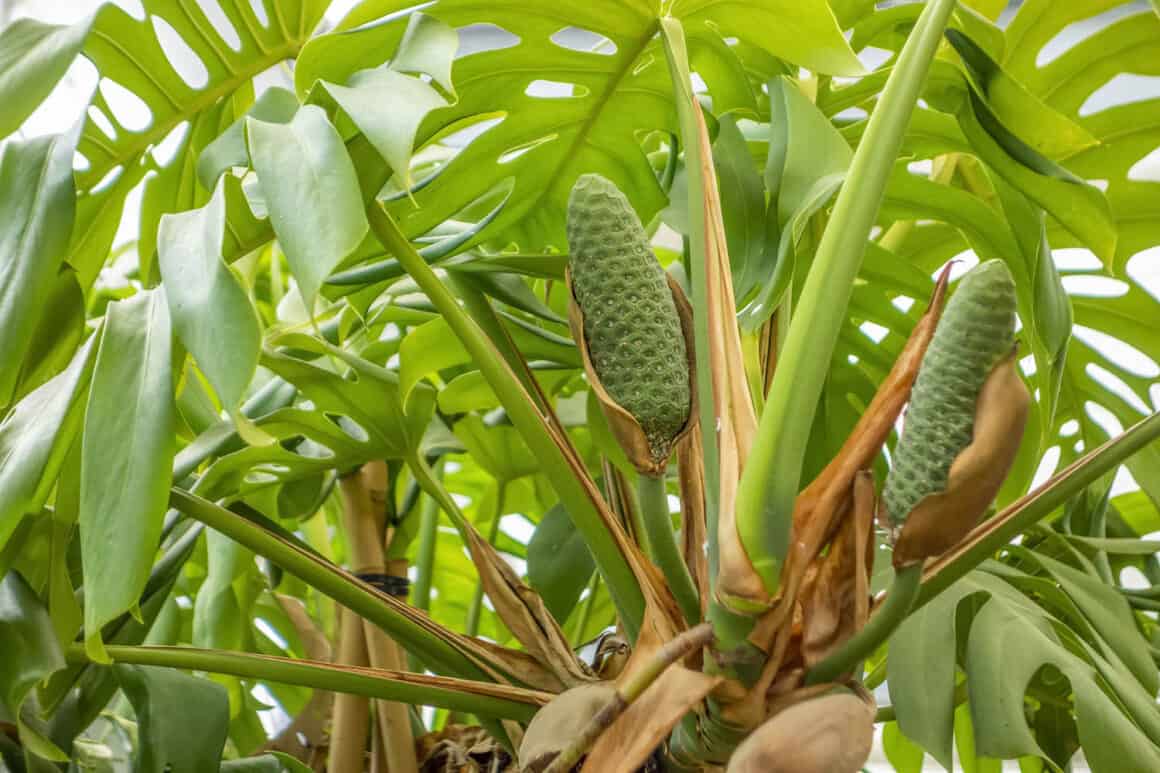
Monstera seeds come from the flower of the Monstera plant. These flowers produce seeds after pollination. The seeds develop within the plant’s unique fruit.
Monstera plants are famous for their striking leaves. But they also produce flowers. Understanding the Monstera flowering process can help in growing these unique plants. The flowers are the starting point for Monstera seeds.Blooming Season
Monstera plants bloom during warmer months. This typically happens in spring or summer. The temperature and light conditions play a big role. Warm temperatures and bright, indirect light encourage blooming. Pay attention to the plant’s environment for best results.Pollination Methods
Pollination is key for seed production. Monstera plants can be pollinated naturally or by hand. In nature, insects like bees help with pollination. Indoors, you can use a small brush to transfer pollen. This increases the chance of seed formation. Proper pollination leads to healthy seeds and more Monstera plants. “`Seed Development
Seed Development is a fascinating aspect of the Monstera plant’s life cycle. Understanding how these seeds develop helps in appreciating the entire growth process of this popular houseplant.
Formation Process
The formation process of Monstera seeds begins with pollination. In their natural habitat, insects and wind help in transferring pollen. This process fertilizes the flowers, leading to seed formation.
After pollination, the flower’s ovules start to develop into seeds. This stage is crucial as it determines the quality and viability of the seeds. The plant requires optimal conditions like proper light, temperature, and humidity for successful seed development.
Seed Characteristics
Monstera seeds are small and usually brown or tan. They have a hard outer shell that protects the embryo inside. These seeds are rich in nutrients, providing the necessary energy for the young plant to sprout.
When you look closely, you might notice a slight variation in size and color. This variation can be due to the specific Monstera species or environmental factors during seed development.
Here is a table summarizing the key characteristics of Monstera seeds:
| Characteristic | Details |
|---|---|
| Color | Brown or tan |
| Size | Small |
| Shell | Hard outer shell |
| Nutrient Content | Rich in nutrients |
Understanding these seed characteristics can help in identifying healthy Monstera seeds, ensuring successful germination and growth of new plants.

Harvesting Monstera Seeds
Monstera plants are popular for their unique, split leaves. But did you know they also produce seeds? Harvesting these seeds can be a rewarding experience for plant enthusiasts. This section will guide you through the optimal timing and techniques for collecting Monstera seeds.
Optimal Timing
Monstera plants produce seeds within their fruits. These fruits mature over several months. To harvest seeds, wait until the fruit is fully ripe. A ripe Monstera fruit will have a strong, pleasant aroma. It will also be soft to the touch. Timing is crucial to ensure viable seeds.
Collection Techniques
Once the fruit is ripe, carefully cut it open. Inside, you will find seeds embedded in a sticky pulp. Separate the seeds from the pulp gently. Rinse the seeds with clean water to remove any remaining pulp. After rinsing, spread the seeds out to dry. Use a paper towel or a clean cloth for drying. Place the seeds in a cool, dry area. Proper drying prevents mold growth and ensures seed viability.
Germination Requirements
Germinating Monstera seeds can be a rewarding experience. Understanding the requirements for successful germination ensures healthy plant growth. This section focuses on key factors for Monstera seed germination.
Soil Preferences
Monstera seeds need well-draining soil. Use a mix of peat moss and perlite. This combination keeps the soil light and airy. Avoid heavy soils which retain too much water. Waterlogged soil can cause seeds to rot.
Temperature Needs
Monstera seeds thrive in warm temperatures. Ideal temperature range is between 70°F and 85°F. Consistent warmth helps seeds sprout faster. Avoid cold environments which can slow down germination. Use a heat mat if needed to maintain warmth.

Seedling Care
Taking care of your Monstera seedlings is crucial for their growth. Proper care will help these plants thrive. This involves paying attention to watering and light conditions. Let’s dive into the details of each aspect.
Watering Guidelines
Watering your Monstera seedlings requires a delicate balance. Too much water can lead to root rot. Too little water can cause the seedlings to wither. Follow these simple guidelines:
- Check the soil moisture: Use your finger to feel the top inch of soil. Water when it feels dry.
- Water thoroughly: Ensure water reaches the root zone. Let excess water drain out.
- Avoid waterlogging: Ensure the pot has drainage holes. This prevents standing water.
Regularly monitor soil moisture. Adjust watering frequency based on your plant’s needs.
Light Conditions
Monstera seedlings need the right light conditions to grow strong. They thrive in bright, indirect light. Direct sunlight can scorch their leaves. Here’s how to provide the best light:
- Place near a window: A north or east-facing window works well.
- Use sheer curtains: Filter direct sunlight to protect delicate leaves.
- Rotate your plant: Ensure even light exposure by turning the pot regularly.
If natural light is insufficient, consider using grow lights. This ensures your Monstera gets the light it needs to flourish.
Challenges In Propagation
Propagation of Monstera seeds can be tricky. Many plant lovers face challenges. These issues can lead to frustration. But don’t worry. There are solutions. Let’s explore the common issues and how to tackle them.
Common Issues
One common issue is seed viability. Fresh seeds are hard to find. Many seeds sold online are old. Old seeds have a lower chance of germination. Another problem is the environment. Monstera seeds need a warm and humid place. Without this, seeds may not sprout.
Solutions And Tips
Buy seeds from a trusted source. Ask about the seed’s age. Fresh seeds have a higher success rate. Create a warm and humid environment. Use a seed tray with a cover. Place it in a warm spot. Keep the soil moist but not wet.
Patience is key. Monstera seeds can take weeks to sprout. Check on them regularly. Remove any moldy seeds. With care, you can grow healthy Monstera plants from seeds.
Ecological Significance
The ecological significance of Monstera seeds lies in their role within their native habitats. These seeds contribute to various ecological processes, promoting ecosystem health and biodiversity. Below, we explore their specific roles in the ecosystem and their contributions to biodiversity.
Role In Ecosystem
Monstera seeds play a vital role in their ecosystems. They help maintain the balance of plant species. By spreading through natural processes, these seeds ensure the growth of new Monstera plants. This growth provides shelter and food for numerous animals. Additionally, Monstera plants help in soil stabilization. Their roots prevent soil erosion by holding the soil together. This process is crucial for maintaining healthy soil and overall ecosystem stability.
Biodiversity Contributions
Monstera seeds contribute significantly to biodiversity. These plants offer various benefits to the ecosystem. Here are some key points:
- Food Source: Monstera plants produce fruits that many animals eat.
- Habitat: The large leaves provide shelter to small animals and insects.
- Pollinators: Flowers attract pollinators like bees and butterflies.
- Genetic Diversity: Seed dispersal leads to diverse plant populations.
The presence of Monstera plants enhances the habitat’s overall health. They support various life forms and promote a rich, diverse environment.
Frequently Asked Questions
What Are Monstera Seeds?
Monstera seeds are the reproductive units of the Monstera plant. These seeds are small, round, and originate from the fruit of the Monstera plant. They are essential for growing new Monstera plants.
How Are Monstera Seeds Harvested?
Monstera seeds are harvested from the ripe fruit of the Monstera plant. The fruit is carefully opened, and the seeds are extracted. They must be cleaned and dried before planting.
Where Are Monstera Plants Native?
Monstera plants are native to the tropical rainforests of Central and South America. They thrive in warm, humid environments with indirect sunlight.
Can You Grow Monstera From Seeds?
Yes, you can grow Monstera from seeds. Plant the seeds in moist soil, keep them warm, and provide indirect sunlight. Germination usually takes a few weeks.
Conclusion
Monstera seeds come from the plant’s ripe fruit. These seeds hold life. They bring beauty to your home. Growing Monstera from seeds is rewarding. It requires patience and care. Understanding the process helps in successful growth. Explore these steps and start your journey.
Enjoy the lush, green leaves. Nurture your Monstera with love. Watch it thrive and enhance your space. Happy planting!
Leave a Reply