
Monstera plants thrive naturally in tropical rainforests. They are native to Central America.
Monstera, known for their unique, split leaves, are popular indoor plants. But have you ever wondered where they grow in the wild? These stunning plants originate from the dense, humid jungles of Central America. Their natural habitat spans countries like Mexico, Panama, and Guatemala.
In these lush environments, Monsteras climb trees and spread their large leaves to capture sunlight. Understanding their natural growth conditions can help you better care for your Monstera at home. Let’s explore more about their native habitat and how it influences their care needs.
Introduction To Monstera
The Monstera plant, often known as the Swiss Cheese Plant, has become a staple in many homes. Its large, glossy leaves with unique holes make it a favorite among plant enthusiasts. But where does this striking plant originate? Let’s explore the natural habitat of Monstera.
Brief History
Monstera plants are native to tropical forests in Central and South America. These areas provide the ideal conditions for Monstera to thrive. The plant’s name, Monstera, comes from the Latin word for “monstrous” due to its unusual and large leaves.
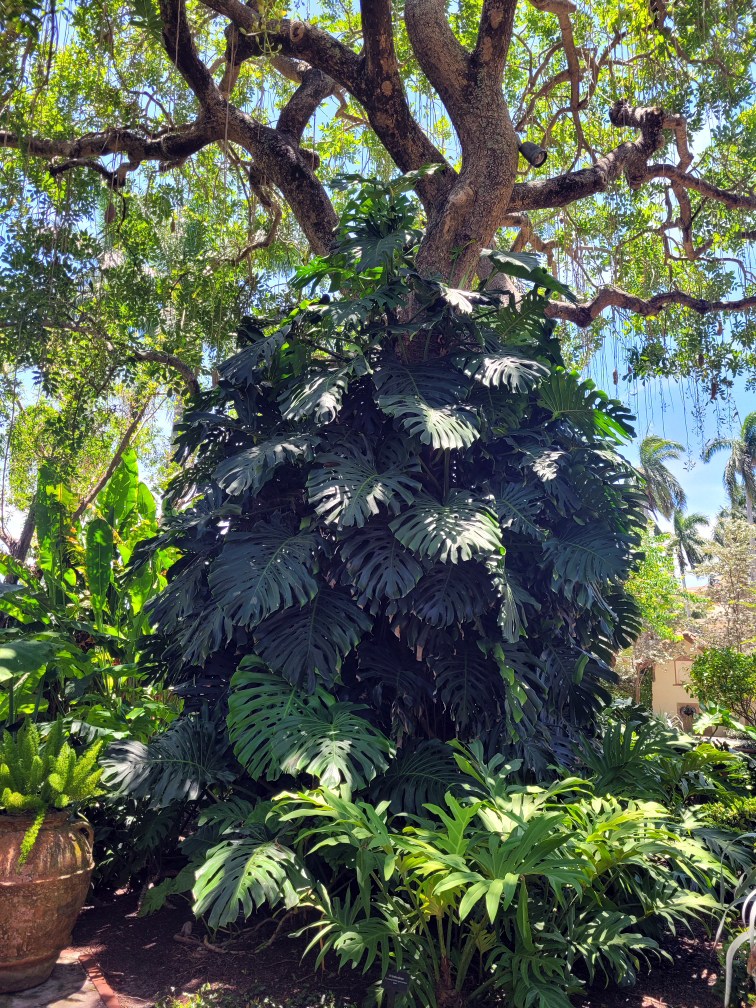
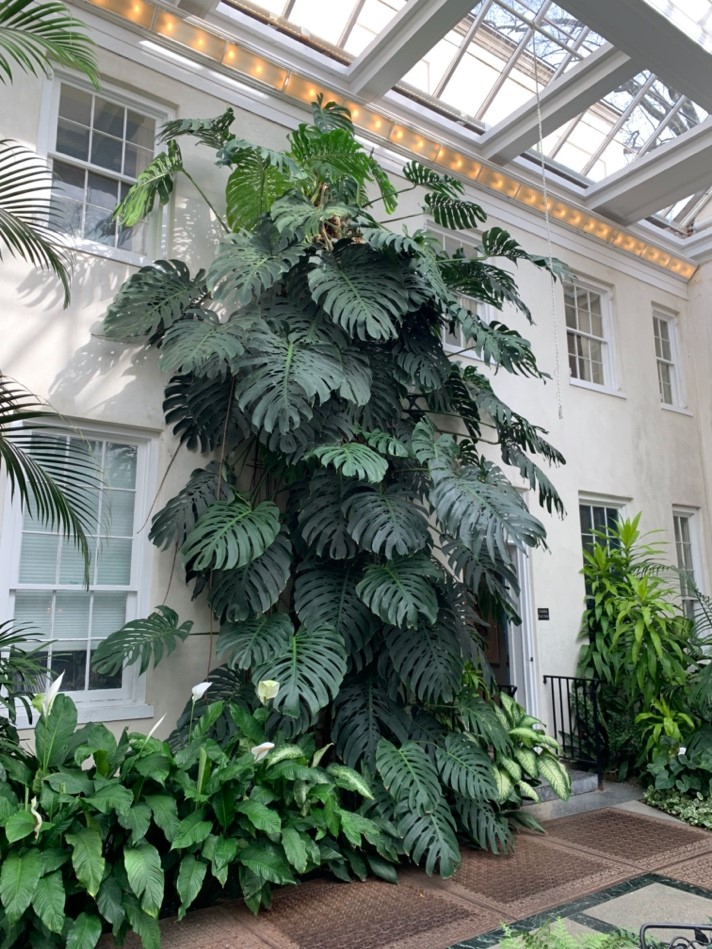
In their natural habitat, Monstera plants grow as climbers. They use their aerial roots to attach to trees and climb upwards. This adaptation helps them reach sunlight in dense forests.
| Region | Condition |
|---|---|
| Central America | Humid, tropical forests |
| South America | Dense, shaded areas |
Popularity In Modern Times
Today, Monstera plants are popular worldwide. They are often seen in homes, offices, and public spaces. The plant’s aesthetic appeal and low maintenance make it a top choice for many.
Monstera’s popularity surged in the mid-20th century. Its unique appearance made it a favorite in interior design. This trend continues today, with many people choosing Monstera for their homes.
- Easy to care for
- Unique, attractive leaves
- Adaptable to indoor environments
Modern plant enthusiasts appreciate Monstera for its beauty and resilience. Its ability to thrive indoors makes it a versatile plant. Whether you’re a seasoned plant parent or a beginner, Monstera is a great choice.

Native Regions
Monstera plants are popular for their unique leaves and tropical appeal. Understanding their natural habitats can help in better care and placement in your home. Monstera naturally grows in regions with warm temperatures and high humidity.
Central America
Monstera plants are native to the tropical forests of Central America. Countries like Mexico, Guatemala, and Panama host these lush plants. In these areas, Monstera thrives under the canopy of large trees. They use their aerial roots to climb and find sunlight.
The climate in Central America is perfect for Monstera. It provides the right mix of warm temperatures and high humidity. This region has consistent rainfall, which keeps the soil moist. This environment helps Monstera grow large and healthy.
South America
In South America, Monstera can be found in countries like Colombia, Ecuador, and Brazil. These regions offer similar conditions to Central America. Dense forests with high trees create an ideal habitat. The plants climb trees, reaching for light while being shaded from direct sun.
South America’s tropical climate supports Monstera’s growth. The regions have heavy rainfall and consistent humidity. These conditions are crucial for Monstera’s development. The plants flourish in the rich, well-drained soils found here.
| Region | Countries | Climate | Soil |
|---|---|---|---|
| Central America | Mexico, Guatemala, Panama | Warm, Humid | Moist, Well-drained |
| South America | Colombia, Ecuador, Brazil | Warm, Humid | Rich, Well-drained |
Climate Requirements
Monstera plants are native to tropical regions. They thrive in environments that mimic their natural habitat. Understanding their climate needs is key to their growth.
Temperature
Monstera plants prefer warm temperatures. They grow best in a range of 65°F to 85°F (18°C to 29°C). Consistent temperatures are essential. Sudden drops can harm the plant. Avoid placing them near cold drafts or heating vents. These conditions can cause stress and damage.
Humidity Levels
High humidity is crucial for Monstera plants. Ideally, they flourish in 60% to 80% humidity. If your home is dry, consider using a humidifier. Grouping plants together can also increase humidity. Regular misting helps too. Ensure the leaves are damp but not soaking.
| Climate Factor | Optimal Range |
|---|---|
| Temperature | 65°F to 85°F (18°C to 29°C) |
| Humidity | 60% to 80% |
Rainforest Ecosystems
Monstera plants are native to the tropical rainforests of Central and South America. These lush environments provide the perfect conditions for their growth. The rainforest ecosystem is diverse, with distinct layers that support various plant species.
Tree Canopies
The uppermost layer of the rainforest is the tree canopy. Monstera plants often grow high in the tree canopies. They cling to tree trunks with their aerial roots. These roots help the plant absorb moisture and nutrients from the air. The leaves reach towards the sunlight filtering through the dense foliage.
Understory Growth
Beneath the canopy is the understory layer. Monstera plants also thrive here. The understory is shaded and humid, ideal for Monstera’s growth. Their large leaves capture the limited light that penetrates the canopy. This layer offers protection from strong winds and heavy rainfall.
Soil Preferences
Monstera plants thrive in specific soil conditions. Understanding their soil preferences is crucial for their growth. They need soil that supports their roots and provides essential nutrients. Let’s explore the ideal soil characteristics for Monstera plants.
Nutrient-rich Soil
Monstera plants prefer nutrient-rich soil. This type of soil provides the essential nutrients they need. A mix of organic matter, such as compost or leaf mold, works best. The organic matter enriches the soil and helps retain moisture.
Here is a simple table to illustrate the essential components of nutrient-rich soil:
| Component | Benefit |
|---|---|
| Compost | Provides nutrients |
| Leaf Mold | Improves soil structure |
| Perlite | Enhances aeration |
Using a balanced mix ensures that Monstera plants get the nutrients they require. Regularly replenishing the soil with organic matter keeps it fertile.
Drainage Needs
Proper drainage is vital for Monstera plants. They dislike waterlogged soil. Good drainage prevents root rot and promotes healthy growth.
Here are some tips to ensure proper drainage:
- Use a pot with drainage holes.
- Place a layer of gravel at the bottom of the pot.
- Mix perlite or sand into the soil.
These steps help excess water escape, keeping the roots healthy. Ensuring good drainage mimics their natural habitat, where water drains quickly.
Altitude Range
Monstera is a popular plant for its unique leaves and ability to thrive indoors. But where do these plants grow naturally? Understanding their altitude range helps us know more about their natural habitats and growing conditions.
Lowland Habitats
Monstera plants are often found in lowland tropical forests. These areas are typically at altitudes less than 1,000 meters. Lowland habitats provide the warmth and humidity that Monstera needs.
The soil in these regions is rich and fertile. It supports the plant’s growth. In lowland habitats, Monstera can climb trees to reach sunlight. They thrive under the dense forest canopy.
Mountain Slopes
Monstera can also grow on mountain slopes. These areas have altitudes ranging from 1,000 to 2,000 meters. While they are higher than lowland forests, they still offer suitable conditions for Monstera.
The slopes provide good drainage, preventing waterlogging. Monstera benefits from the cooler temperatures at these altitudes. The plant still gets plenty of humidity and filtered sunlight.
In mountain regions, Monstera often grow in the understory. They climb trees to get more light. This adaptability allows them to thrive in different environments.
| Habitat Type | Altitude Range (meters) | Key Characteristics |
|---|---|---|
| Lowland Habitats | Less than 1,000 | Warm, humid, rich soil, dense canopy |
| Mountain Slopes | 1,000 – 2,000 | Cooler, good drainage, understory growth |
Biodiversity And Coexistence
Monstera plants, known for their iconic split leaves, thrive in tropical forests. These plants coexist with diverse flora and fauna, creating a rich ecosystem. The interplay between different species showcases nature’s intricate balance.
Flora Neighbors
Monstera plants grow alongside other tropical plants. Ferns, orchids, and philodendrons are common neighbors. These plants share the same humid and shaded environment. This dense foliage provides the perfect cover for Monstera to climb and spread.
Monstera also finds company in various tree species. Trees offer support for Monstera’s aerial roots. This symbiotic relationship benefits both plants. The tree gets additional moisture from the Monstera, while Monstera gets a sturdy structure to grow on.
Fauna Interactions
Monstera plants interact with various animals in their natural habitat. Birds, insects, and small mammals play significant roles. Birds often use Monstera leaves for nesting. This provides shelter for their young.
Insects, like beetles and ants, help in pollinating Monstera flowers. These insects move from plant to plant, spreading pollen. This ensures the reproduction of Monstera plants.
Small mammals, such as rodents, may feed on Monstera fruits. This aids in seed dispersal. The seeds get spread across the forest floor, promoting new growth. This interaction sustains the forest’s biodiversity.
Conservation Status
The conservation status of Monstera plants is a topic of growing concern. These plants, known for their unique leaf patterns, face several challenges in their natural habitats. Understanding the threats and the efforts to preserve them is crucial for their survival.
Threats To Habitat
Monstera plants grow in tropical rainforests. These rainforests are increasingly under threat. Deforestation is a major issue. Logging and agricultural expansion lead to habitat loss. These activities reduce the areas where Monstera can thrive. Climate change also impacts their natural environment. Changes in temperature and rainfall patterns affect their growth. Pollution from industrial activities further degrades their habitats.
Preservation Efforts
Efforts to preserve Monstera plants are underway. Conservation groups work to protect rainforests. They promote sustainable logging practices. Reforestation projects help restore lost habitats. Educating communities about the importance of these plants is key. Local involvement in conservation efforts is crucial. Research on Monstera species supports their preservation. Scientists study their ecological role and how to protect them. Protected areas and national parks offer safe havens. These efforts aim to ensure the survival of Monstera in the wild.
Monstera In Cultivation
The enchanting Monstera plant, often called the Swiss Cheese Plant, has captured the hearts of many plant enthusiasts. Originally from the tropical rainforests of Central and South America, Monsteras have found their way into homes around the world. This section explores the cultivation of Monstera plants, focusing on their adaptation to indoor environments and popular varieties available.
Adaptation To Indoor Growing
Monsteras are known for their ability to thrive indoors. They adapt well to low-light conditions, making them perfect for apartments and offices. These plants prefer bright, indirect light but can tolerate medium light. Direct sunlight can scorch their leaves, so it’s best to place them a few feet away from windows.
Watering Monsteras is simple. They prefer their soil to dry out between waterings. Overwatering can lead to root rot, so it’s important to let the top inch of soil dry out before watering again. Use well-draining soil to ensure the roots have proper airflow.
Humidity is another factor that Monsteras appreciate. They thrive in humid environments, similar to their natural habitat. Misting the leaves or using a humidifier can help mimic these conditions.
Popular Varieties
Several Monstera varieties have gained popularity among plant lovers:
- Monstera Deliciosa: The most common variety, known for its large, split leaves.
- Monstera Adansonii: Also called the Swiss Cheese Vine, it has smaller, more perforated leaves.
- Monstera Obliqua: A rare variety with delicate, highly perforated leaves.
- Monstera Siltepecana: Known for its silver-green leaves with a unique pattern.
Each variety offers a unique look, making them a versatile choice for indoor gardening. Whether you prefer the large, dramatic leaves of the Monstera Deliciosa or the intricate patterns of the Monstera Siltepecana, there’s a Monstera for every plant enthusiast.
By understanding their needs and varieties, you can successfully grow Monsteras indoors. They are a beautiful addition to any home, bringing a touch of the tropics to your living space.
Frequently Asked Questions
Where Do Monstera Plants Grow In The Wild?
Monstera plants grow naturally in tropical rainforests of Central and South America. They thrive in humid, warm environments with filtered sunlight.
What Is The Native Habitat Of Monstera?
The native habitat of Monstera is the tropical rainforests. They are commonly found in countries like Mexico, Panama, and Colombia.
Can Monstera Grow Outdoors Naturally?
Yes, Monstera can grow outdoors naturally in tropical climates. They prefer shaded areas with high humidity and consistent warmth.
How Does Monstera Grow In The Wild?
In the wild, Monstera grows as a climbing vine. It uses aerial roots to attach to trees and climb towards the light.
Conclusion
Monstera plants thrive in tropical rainforests. They love warm, humid conditions. These plants grow under large trees, getting dappled sunlight. Their natural habitat ensures they stay lush and green. Understanding where they grow helps in caring for them better. So, mimic their natural environment for a healthy Monstera.
Happy planting!