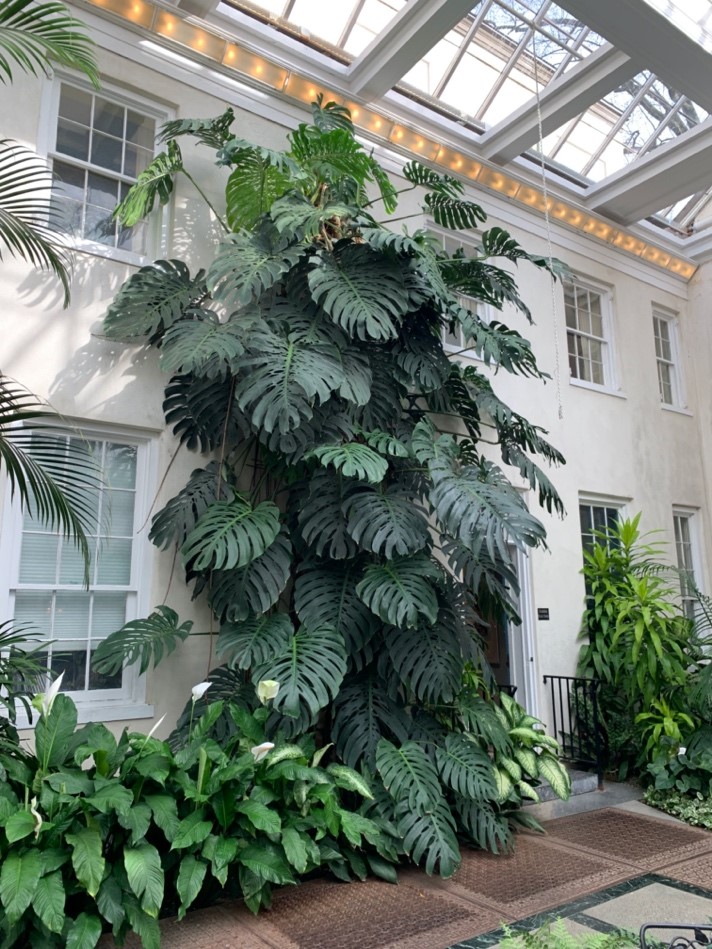
Monstera Deliciosa, often called the Swiss Cheese Plant, is a tropical plant. It thrives in specific regions.
Monstera Deliciosa grows naturally in the tropical rainforests of Central and South America. These lush, humid environments provide the perfect conditions for this plant to flourish. In the wild, you will often find Monstera climbing up trees, reaching for sunlight through the dense forest canopy.
The plant’s large, perforated leaves are designed to capture light efficiently while allowing rain to pass through. Understanding its natural habitat can help you replicate these conditions at home. This will ensure your Monstera Deliciosa thrives indoors. Ready to learn more about where this unique plant grows and how to care for it? Let’s dive deeper into its natural and cultivated environments.
Natural Habitat
The Monstera Deliciosa, also known as the Swiss Cheese Plant, thrives in its natural habitat. Understanding where this plant grows naturally helps in caring for it properly at home. This section explores its natural habitat in detail.
Tropical Rainforests
The Monstera Deliciosa grows naturally in tropical rainforests. These environments provide the perfect conditions for their growth. The rainforests offer high humidity, warm temperatures, and ample shade.
The plant climbs trees using its aerial roots. This climbing habit helps the plant reach light in dense forests. The canopy of the rainforest filters sunlight, giving the plant the dappled light it prefers.
Native Regions
Monstera Deliciosa is native to parts of Central America. Specifically, it originates from southern Mexico to Panama. These regions are known for their lush vegetation and humid climate.
In these native regions, the plant is part of the understory vegetation. The warm and humid environment supports its lush growth. Knowing its native regions helps in mimicking similar conditions at home.

Climate Requirements
Monstera Deliciosa, often called the Swiss cheese plant, thrives in specific climate conditions. Understanding these requirements is vital for its healthy growth. This section will detail the essential climate needs for your Monstera Deliciosa.
Temperature Preferences
Monstera Deliciosa prefers warm temperatures. Ideally, keep them between 65°F and 85°F. These plants do not tolerate cold well. Avoid temperatures below 50°F to prevent damage. Sudden temperature changes can also stress the plant. Always maintain a stable environment.
Humidity Levels
High humidity is essential for Monstera Deliciosa. Aim for humidity levels around 60% to 80%. Dry air can cause the leaves to brown. Misting the plant or using a humidifier can help. Placing the plant in a bathroom or kitchen can also increase humidity levels. Ensure good air circulation to prevent mold.
Soil Conditions
Monstera Deliciosa, also known as the Swiss Cheese Plant, thrives in specific soil conditions. Proper soil ensures healthy growth and vibrant leaves. Understanding soil requirements is crucial for those who want to grow this beautiful plant.
Soil Type
The right soil type is essential for Monstera Deliciosa. They prefer well-draining soil. This prevents water from sitting and causing root rot. A mix of potting soil, peat moss, and perlite works best. This combination provides good aeration and drainage. Avoid heavy clay soils. They retain too much water and can harm the plant.
Nutrient Needs
Monstera Deliciosa needs nutrient-rich soil. This helps them grow strong and healthy. Use a balanced fertilizer every few months. It should contain nitrogen, phosphorus, and potassium. These nutrients support leaf growth, root development, and overall health. Organic matter like compost can also enrich the soil. It provides essential nutrients and improves soil structure.

Light Exposure
Understanding light exposure is crucial for the healthy growth of Monstera Deliciosa. The right balance of sunlight ensures that your plant thrives and develops beautiful, iconic leaves.
Optimal Sunlight
Monstera Deliciosa thrives in bright, indirect sunlight. Place your plant near a window where it can receive filtered light. This mimics the dappled sunlight it gets in its natural habitat.
A north or east-facing window works best. These windows provide gentle morning light. Avoid placing your Monstera too far from the window. It needs ample light to grow well.
Avoiding Direct Sun
Direct sunlight can scorch Monstera leaves. The bright rays can cause brown spots. To prevent this, use sheer curtains. This will diffuse the light and protect the plant.
Rotate your Monstera regularly. This ensures even light exposure. All parts of the plant will get light, promoting balanced growth.
Watering Needs
Monstera Deliciosa, also known as the Swiss Cheese Plant, thrives with proper watering. Understanding the plant’s watering needs is key to its healthy growth. The right balance ensures lush, vibrant foliage. Too much or too little water can harm the plant. Let’s explore its watering needs in detail.
Watering Frequency
Water Monstera Deliciosa every one to two weeks. Check the soil before watering. The top inch of soil should feel dry to the touch. Over-watering can lead to root rot. Adjust the frequency based on the season. Plants need less water in winter and more during active growth periods.
Proper Drainage
Ensure proper drainage to keep your Monstera healthy. Use pots with drainage holes. This prevents water from pooling at the bottom. Excess water can cause root rot, a common problem. A well-draining soil mix helps too. Consider adding perlite or pumice to the soil. It improves aeration and drainage.
Indoor Growing Tips
Monstera Deliciosa, also known as the Swiss Cheese Plant, can thrive indoors. With the right care, they make stunning indoor plants. Let’s explore some essential tips for growing them inside your home.
Pot Selection
Choose a pot with good drainage. Monsteras dislike standing water. A pot with drainage holes prevents root rot. Use a pot that is slightly larger than the plant’s root ball. This gives the roots room to grow.
Indoor Light Conditions
Monsteras need bright, indirect light. Direct sunlight can scorch their leaves. Place your plant near a window. Sheer curtains can diffuse the light. If natural light is limited, use a grow light. Ensure the plant gets enough light to thrive.
Outdoor Growing Tips
Growing Monstera Deliciosa outdoors can be rewarding. This tropical plant thrives in the right conditions. Follow these outdoor growing tips to ensure your plant flourishes.
Garden Placement
Choose a spot with partial shade. Too much sun can burn the leaves. A location with filtered light works best. Ensure the area has good air circulation. This prevents fungal issues. Keep your Monstera away from strong winds. Wind can damage the large leaves.
Climate Considerations
Monstera Deliciosa prefers warm climates. Temperatures between 60°F and 80°F are ideal. Avoid planting in areas with frost. Cold temperatures can harm the plant. High humidity helps the plant thrive. If you live in a dry area, consider misting the leaves. This adds moisture to the air. Make sure the soil drains well. Standing water can cause root rot.

Common Problems
Monstera Deliciosa, also known as the Swiss Cheese Plant, is a popular indoor plant. Despite its popularity, it can face some common problems. Understanding these issues can help in maintaining a healthy plant. Below are some common problems encountered with Monstera Deliciosa.
Pests And Diseases
Pests can be a major issue for Monstera Deliciosa. Common pests include spider mites, mealybugs, and scale insects. These pests feed on the plant’s sap, leading to yellowing leaves and stunted growth.
- Spider Mites: Small and red, these pests create webbing on the leaves.
- Mealybugs: White and cotton-like, they cluster in leaf joints.
- Scale Insects: Brown bumps on stems and leaves.
Diseases can also affect Monstera Deliciosa. The most common diseases are root rot and leaf spot. These diseases are usually caused by poor watering practices or high humidity.
- Root Rot: Causes the roots to become mushy and black.
- Leaf Spot: Creates brown or black spots on the leaves.
Overwatering Issues
Overwatering is a common problem for Monstera Deliciosa. It can lead to several issues such as root rot and yellowing leaves. Overwatered soil stays wet for a long time, which can suffocate the roots.
Signs of overwatering include:
- Yellowing leaves
- Wilting
- Mushy stems
To avoid overwatering, ensure the soil is well-draining. Allow the top inch of soil to dry out before watering again. Also, make sure the pot has drainage holes.
Frequently Asked Questions
Where Do Monstera Deliciosa Naturally Grow?
Monstera Deliciosa naturally grow in tropical rainforests of Central and South America. They thrive in warm, humid environments.
Can Monstera Deliciosa Grow Outdoors?
Yes, Monstera Deliciosa can grow outdoors in tropical and subtropical regions. They need indirect sunlight and well-drained soil.
What Climate Is Best For Monstera Deliciosa?
Monstera Deliciosa grows best in warm, humid climates. They prefer temperatures between 60-80°F and high humidity levels.
Do Monstera Deliciosa Need Sunlight?
Monstera Deliciosa need indirect sunlight to thrive. Direct sunlight can scorch their leaves. Low light can slow growth.
Conclusion
Monstera Deliciosa thrive in tropical rainforests. They prefer bright, indirect light. These plants need humidity and well-drained soil. Regular watering keeps them happy. Avoid direct sunlight to prevent leaf burn. Monstera Deliciosa also grows well indoors. Perfect for home decor.
Easy to care for. Adds a tropical touch. Enjoy the lush green leaves. Bring a piece of the rainforest home. Perfect for plant lovers.
Leave a Reply