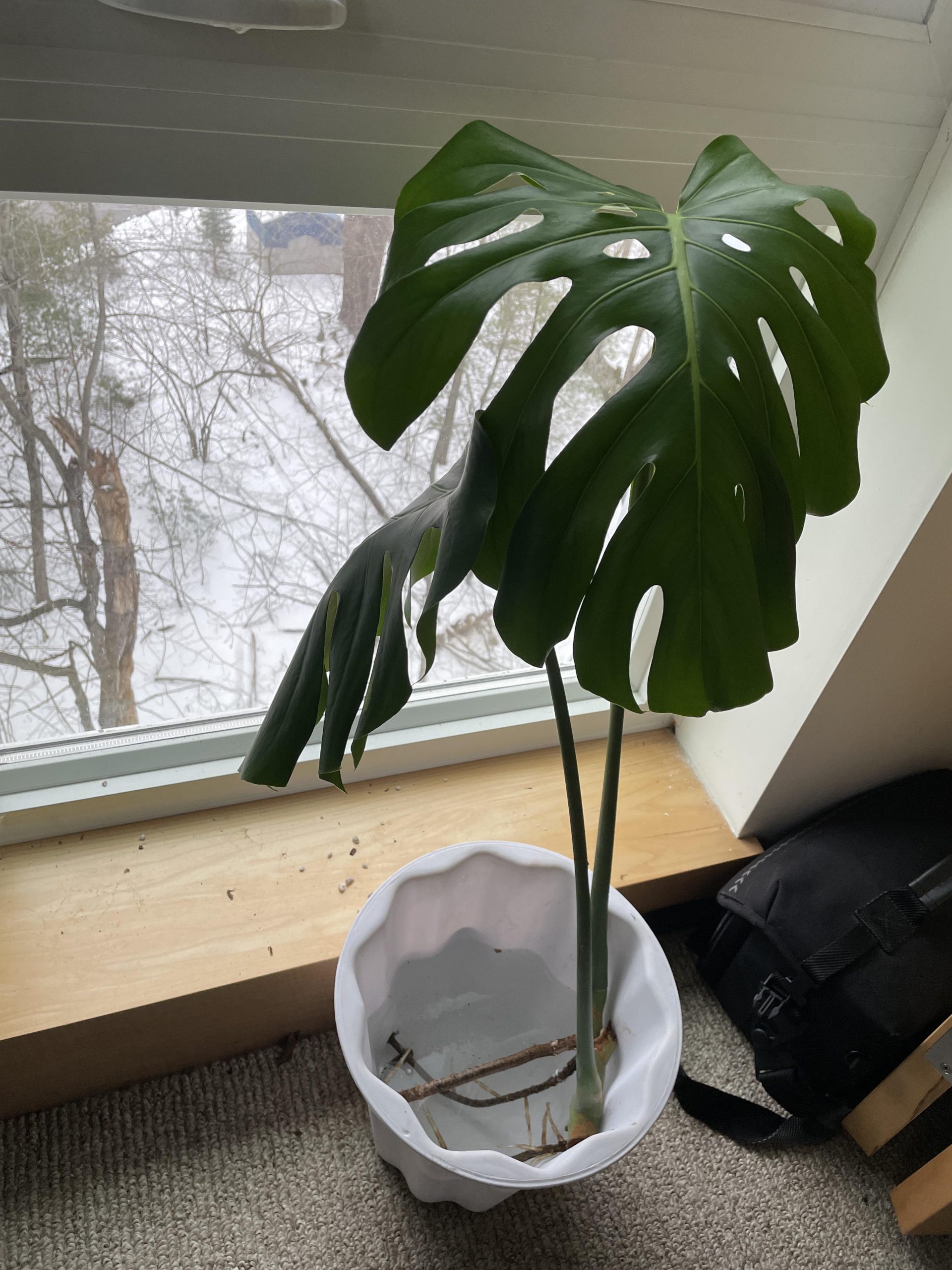
Knowing the right time to put your Monstera in soil is crucial. This ensures the plant grows healthy and strong.
Monstera plants, with their large, unique leaves, are a favorite among indoor gardeners. These plants often start in water before transitioning to soil. But when is the right moment to make this switch? Recognizing the signs that your Monstera is ready for soil can be the difference between a thriving plant and one that struggles.
In this blog post, we will explore the key indicators that signal it’s time to move your Monstera into soil. This will help you provide the best care for your plant, ensuring it continues to grow beautifully in your home.
Introduction To Monstera Plants
Monstera plants thrive when transferred to soil once roots are 2-4 inches long. Ensure well-draining soil for healthy growth. Proper timing and care lead to a flourishing Monstera.
Monstera plants, with their striking foliage, have gained significant popularity. Known for their large, split leaves, these tropical plants add a touch of nature indoors. They thrive in various environments, making them a favorite among houseplant enthusiasts.Monstera’s Popularity
Monstera plants are adored for their unique, perforated leaves. Their aesthetic appeal fits well with modern decor. Many people love their lush, green appearance. This makes them perfect for homes and offices.Basic Care Requirements
Monstera plants need bright, indirect light to grow well. Direct sunlight can scorch their leaves. They prefer well-draining soil and moderate watering. Overwatering can lead to root rot. Keep the soil slightly moist but not soggy. Monstera also benefits from high humidity and warm temperatures. Regularly misting the leaves can help maintain humidity levels. Fertilize the plant during the growing season for best results. Use a balanced, water-soluble fertilizer every month. “`
Signs Monstera Is Ready For Soil
Knowing when to transfer your Monstera from water to soil is crucial. There are clear signs that your Monstera is ready for this change. These signs ensure the plant thrives and continues growing healthily. Let’s explore some key indicators that your Monstera is ready for soil.
Root Development Indicators
Healthy root development is a primary sign. Look for white, thick roots. These roots should be at least two inches long. If the roots appear thin or brown, wait a bit longer. Healthy roots will anchor the plant well in soil.
Size And Growth
Another indicator is the size and growth of the plant. A Monstera with several leaves is often ready. New leaves forming regularly show good growth. If your plant is still small, allow more time. A thriving Monstera in water will make a smooth transition to soil.
Best Soil Types For Monstera
Finding the best soil types for Monstera is crucial for their growth. These tropical plants thrive in specific soil conditions. The right soil mix ensures healthy roots and vibrant leaves. Below are some of the top soil types for Monstera.
Well-draining Mixes
Monstera plants need soil that drains well. This prevents root rot and other issues. Here are some well-draining soil mixes:
- Cactus or Succulent Mix: These mixes contain sand and perlite. They ensure water drains quickly.
- Orchid Bark: Adding bark improves drainage. It also allows roots to breathe.
- Perlite: Mixing perlite with soil increases aeration. It helps prevent waterlogging.
Nutrient-rich Options
Monstera plants also need nutrient-rich soil. This ensures they get essential minerals and nutrients. Here are some nutrient-rich soil options:
- Compost: Adding compost enriches the soil. It provides organic matter and nutrients.
- Worm Castings: These are an excellent natural fertilizer. They boost soil fertility and plant health.
- Peat Moss: Peat moss retains moisture and nutrients. It also improves soil structure.
Using the right soil mix can make a big difference. Ensure your Monstera has the best soil to thrive.
Preparing To Transfer Monstera
Transferring your Monstera to soil is an important step. It ensures the plant’s healthy growth and development. Proper preparation is key to a successful transfer. This section guides you through the essential steps.
Choosing The Right Pot
Selecting the right pot is crucial. The pot should have drainage holes to prevent waterlogging. Waterlogging can cause root rot. The pot size matters too. It should be slightly larger than the current container. This gives the roots room to grow.
- Ensure the pot has drainage holes.
- Choose a pot that is 1-2 inches larger in diameter.
- Avoid pots that are too large to prevent excessive soil moisture.
Gathering Necessary Tools
Having the right tools makes the transfer process smoother. Gather these tools before you start:
- Garden gloves: Protects your hands from dirt and plant sap.
- Spade or small shovel: Useful for digging and transferring soil.
- Watering can: For hydrating the Monstera after the transfer.
- Potting mix: Use a well-draining mix suitable for Monstera.
- Pruning shears: Trim any damaged roots or leaves.
With these tools, you are ready to transfer your Monstera to its new home.
Steps To Plant Monstera In Soil
Monstera plants thrive best when transitioned from water to soil. Timing and proper steps are crucial for successful growth. Below are the steps to plant your Monstera in soil.
Removing From Water
First, gently remove your Monstera from the water. Be careful not to damage the roots. Examine the roots for any signs of rot or disease. Trim off any damaged or unhealthy roots with clean scissors. Rinse the roots with fresh water to remove any debris.
Planting Process
Choose a pot with drainage holes. Fill it halfway with a well-draining soil mix. Hold the Monstera plant in the center of the pot. Add more soil around the roots, covering them completely. Press the soil gently to remove air pockets. Water the plant lightly to settle the soil. Place the pot in a bright spot with indirect sunlight.

Post-transfer Care Tips
You’ve just transferred your Monstera to soil. It’s an exciting step! Now, proper care is crucial for its growth. Follow these tips to ensure your Monstera thrives.
Watering Guidelines
Water your Monstera when the top inch of soil is dry. Avoid overwatering to prevent root rot. Use room temperature water for the best results.
Check the soil moisture regularly. Adjust your watering schedule based on the season. Monstera needs less water in winter.
Light Requirements
Place your Monstera in bright, indirect light. Direct sunlight can scorch the leaves. Find a spot with filtered light or near a window with sheer curtains.
If natural light is limited, use a grow light. Ensure the light source is not too close to avoid leaf burn.
Common Mistakes To Avoid
Putting your Monstera in soil can seem simple, but there are common mistakes that can harm your plant. Avoid these errors to ensure your Monstera thrives.
Overwatering Risks
Overwatering is a common mistake when putting Monstera in soil. Too much water can cause root rot, which is harmful to the plant.
- Water the plant only when the top inch of soil is dry.
- Ensure the pot has drainage holes to prevent water from sitting at the bottom.
- Check the soil moisture regularly to avoid overwatering.
Improper Soil Use
Using the wrong soil type can also harm your Monstera. Monstera plants need well-draining soil to thrive.
- Choose a soil mix that includes peat moss, perlite, and pine bark.
- Avoid using heavy garden soil that retains too much water.
- Consider using a soil specifically designed for indoor plants.
| Soil Component | Benefit |
|---|---|
| Peat Moss | Retains moisture without becoming waterlogged |
| Perlite | Improves drainage and aeration |
| Pine Bark | Provides structure and nutrients |
Troubleshooting Plant Issues
When growing Monstera plants, you may face some challenges. Recognizing and addressing these issues early can help your plant thrive. Here are some common problems and how to fix them.
Yellowing Leaves
Yellowing leaves on a Monstera can signal several issues. Overwatering is a common cause. Ensure the soil drains well and does not stay soggy. Another reason could be underwatering. Check the soil moisture and water the plant if it feels dry.
Lack of nutrients can also cause yellow leaves. Use a balanced fertilizer to provide essential nutrients. Lastly, insufficient light might be the problem. Place your Monstera in a spot with bright, indirect light.
Stunted Growth
Stunted growth in Monstera plants often results from poor soil. Use well-draining soil to promote healthy root growth. Another factor could be inadequate light. Make sure your plant gets enough indirect sunlight.
Temperature stress can also affect growth. Keep your Monstera in a room with stable temperatures. Avoid placing it near drafts or heating vents. Finally, check for root-bound conditions. Repot your plant if roots are circling the pot.
Conclusion And Final Thoughts
Deciding when to put your Monstera in soil is crucial for its health. Understanding the right timing can help your plant thrive. In this section, we will summarize the key points and offer some encouragement for plant owners.
Summary Of Key Points
- Monstera cuttings should be placed in soil once roots are 2-3 inches long.
- Ensure the soil is well-draining and rich in organic matter.
- Transplanting during the growing season promotes faster growth.
- Monitor the plant’s water needs after placing it in soil.
Encouragement For Plant Owners
Owning a Monstera plant is rewarding. Seeing it grow and flourish brings joy. Remember, patience is key. Mistakes will happen, but plants are resilient. With care and attention, your Monstera will thrive in its new soil home. Happy planting!
Frequently Asked Questions
When To Transfer Monstera To Soil?
Transfer your Monstera to soil when it has developed strong roots. Usually, this occurs after 4-6 weeks in water.
How To Know Monstera Is Ready For Soil?
Check for roots that are at least 2-3 inches long. This indicates your Monstera is ready for soil.
What Soil Is Best For Monstera?
A well-draining potting mix with peat and perlite is best. This mix retains moisture while allowing excess water to escape.
Can I Plant Monstera In Regular Potting Soil?
Yes, but add perlite or orchid bark. This ensures better aeration and prevents root rot.
Conclusion
Putting your Monstera in soil at the right time is key. Observe the roots and plant health. Choose a well-draining soil mix. Proper care ensures a thriving plant. Make sure the pot has drainage holes. Water the plant after repotting.
Keep the Monstera in a bright spot. Avoid direct sunlight. Regular care will help it grow strong. Enjoy your beautiful Monstera!
Leave a Reply