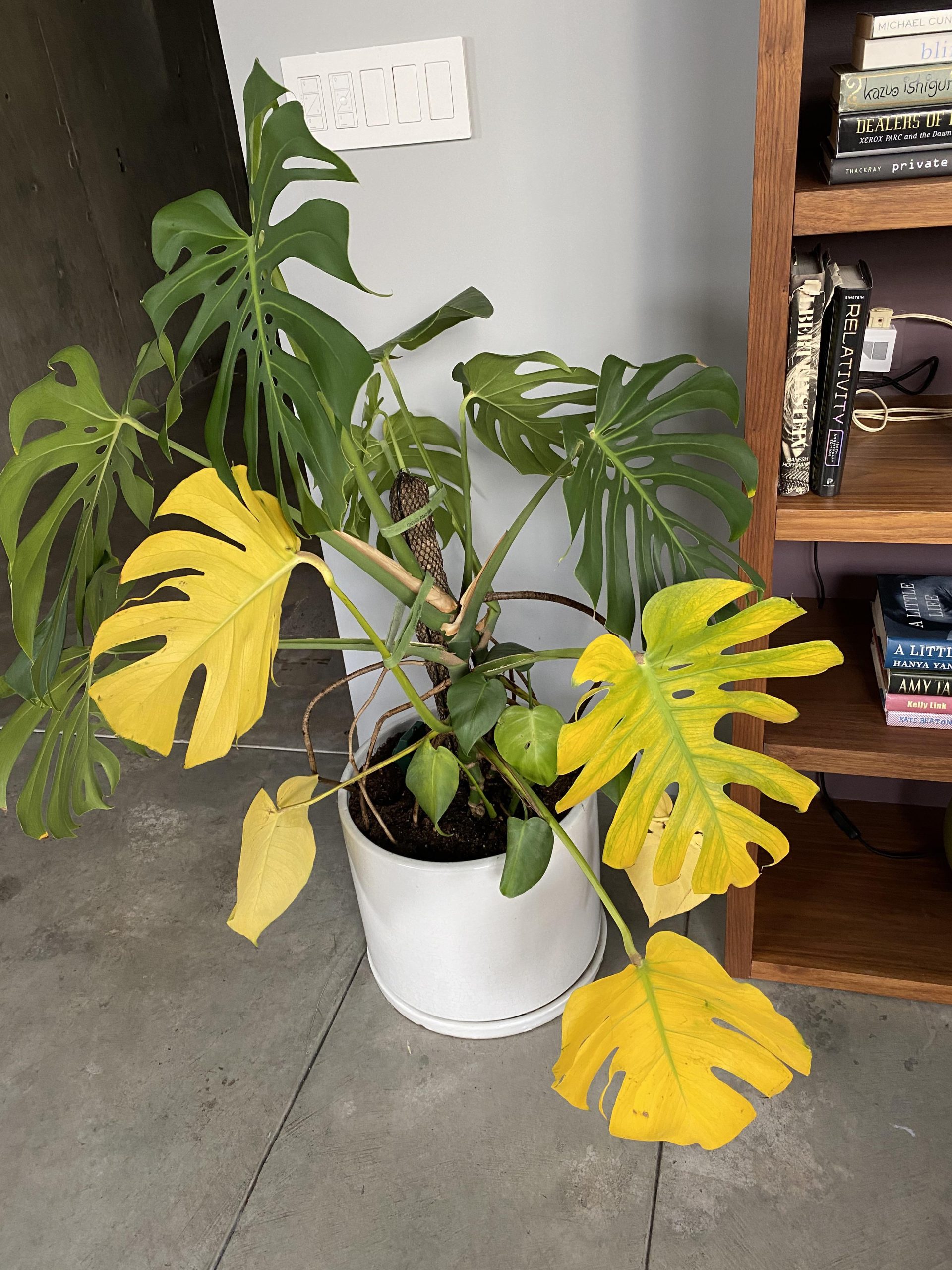
Yellow leaves on your Monstera plant can be alarming. It’s a sign something is wrong.
Don’t worry, though. There are ways to fix it. Monstera plants, known for their lush, green leaves, can sometimes develop yellow leaves. This can happen for several reasons, including overwatering, underwatering, or nutrient deficiencies. Identifying the cause is key to restoring your plant’s health.
In this blog post, we’ll explore the common reasons why Monstera leaves turn yellow and provide practical solutions to help your plant thrive again. Whether you’re a seasoned plant parent or new to indoor gardening, these tips will guide you in keeping your Monstera vibrant and healthy.

Causes Of Yellowing Leaves
Seeing your Monstera leaves turn yellow can be concerning. Knowing the causes is the first step to solving the problem. Different factors can lead to yellowing leaves. Let’s explore some common reasons and how to identify the issue.
Common Reasons
There are several common reasons why Monstera leaves turn yellow:
- Overwatering: Too much water can suffocate the roots.
- Underwatering: Not enough water can stress the plant.
- Light: Too much or too little light affects leaf color.
- Nutrient deficiency: Lack of essential nutrients leads to yellowing.
- Pests: Insects can damage leaves, causing yellow spots.
- Temperature stress: Extreme temperatures can harm the plant.
Identifying The Issue
Identifying the exact cause of yellowing leaves is crucial. Here are some steps to help you:
- Check the soil moisture: Use a moisture meter to ensure proper watering.
- Observe the light: Ensure your Monstera gets indirect but bright light.
- Inspect for pests: Look for tiny insects or webs on the leaves.
- Review your fertilization routine: Ensure you provide balanced nutrients.
- Monitor temperature: Keep your plant in a stable environment.
Creating a table can help you track these factors:
| Factor | Ideal Condition | Current Condition |
|---|---|---|
| Soil Moisture | Moist, not soggy | |
| Light | Bright, indirect light | |
| Pests | No pests present | |
| Fertilization | Balanced nutrients | |
| Temperature | 65-85°F (18-29°C) |
By following these steps, you can identify the issue causing yellow leaves. This will help you take the right actions to restore your Monstera’s health.
Watering Practices
One of the common issues with Monstera plants is yellowing leaves. Often, this is due to improper watering practices. Understanding how much water your Monstera needs is crucial. Both overwatering and underwatering can lead to yellow leaves. Let’s explore the effects of each.
Overwatering Effects
Overwatering can harm your Monstera. Too much water causes root rot. When roots rot, they can’t absorb nutrients. This leads to yellow leaves. The soil stays soggy and lacks oxygen. Fungal infections can develop in wet soil. Always check the soil before watering. Ensure it is dry an inch below the surface.
Underwatering Signs
Underwatering is also harmful. When the soil is too dry, the plant struggles. Yellow leaves are a common sign. The leaves may curl or become crispy at the edges. The plant looks weak and droopy. Check the soil moisture regularly. Water your Monstera thoroughly when the top inch of soil is dry.
Soil Requirements
Soil requirements are vital for a healthy Monstera plant. Proper soil can prevent yellowing leaves and ensure your Monstera thrives. Let’s explore the ideal soil mix and the importance of drainage.
Ideal Soil Mix
The ideal soil mix for Monstera should be light and airy. This allows roots to breathe and grow freely. A perfect mix includes:
- Peat moss
- Perlite
- Pine bark
Use equal parts of these three components. Peat moss retains moisture while providing nutrients. Perlite ensures good aeration and prevents soil compaction. Pine bark improves drainage and adds structure.
Look for a soil pH between 5.5 and 7. This range is slightly acidic to neutral, which is ideal for Monstera.
Drainage Importance
Drainage is crucial to prevent waterlogged soil. Waterlogged soil can lead to root rot, causing yellow leaves. Ensure your pot has drainage holes at the bottom.
Consider adding a layer of gravel or small stones at the bottom of the pot. This enhances drainage and prevents soil from blocking the holes.
When watering, let excess water drain completely. Never let the plant sit in standing water. Use a saucer under the pot to catch excess water, but empty it regularly.
By following these soil requirements, you can maintain a healthy Monstera with vibrant green leaves.
Light Conditions
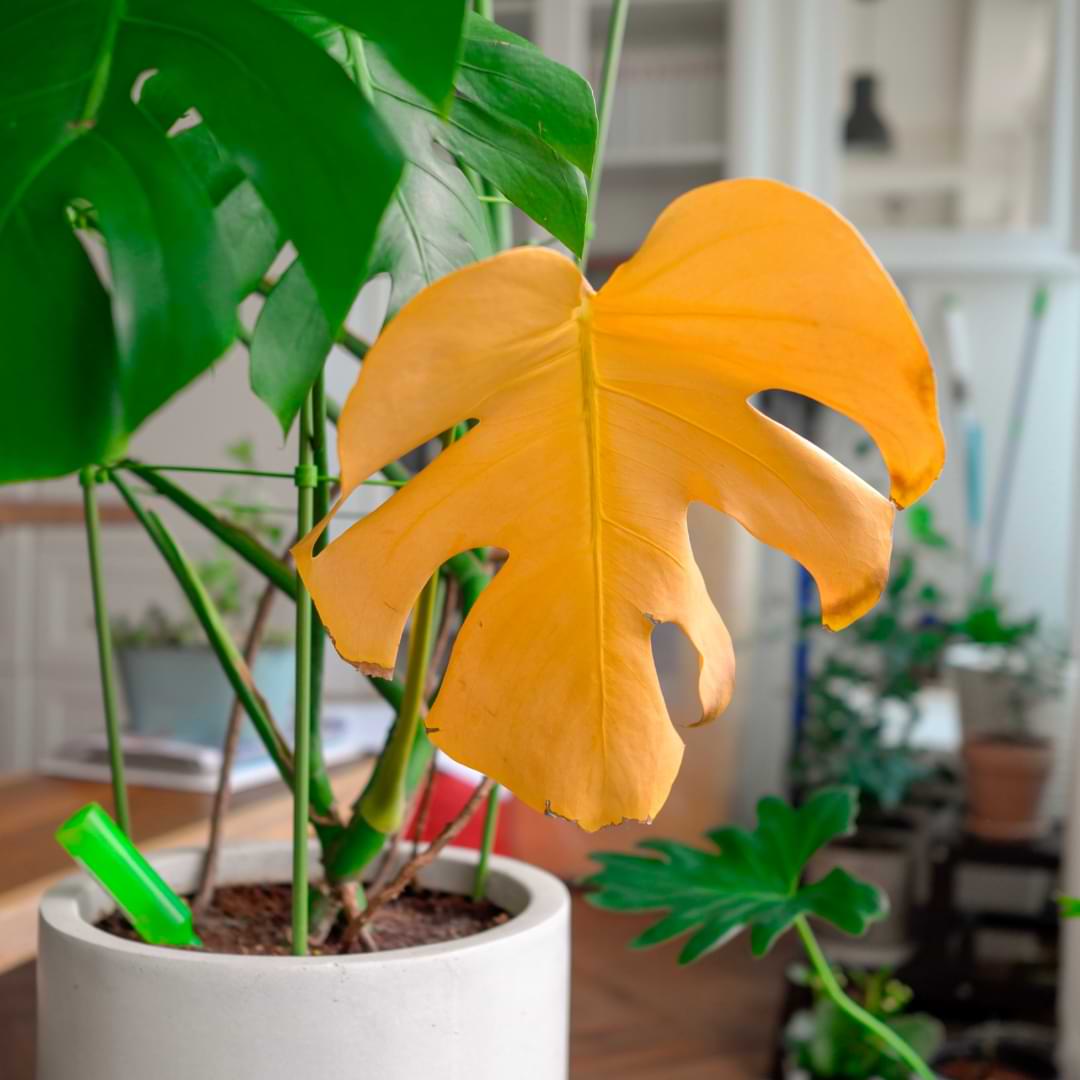
Light conditions are vital for the health of your Monstera plant. Incorrect light can cause its leaves to turn yellow. Understanding the optimal light levels and avoiding direct sunlight can help you keep your Monstera green and thriving.
Optimal Light Levels
Monsteras prefer bright, indirect light. They thrive near east-facing windows. In these spots, they receive morning sunlight which is gentle. This kind of light mimics their natural habitat under the forest canopy.
Using sheer curtains can help diffuse the light. This method prevents the leaves from burning. If your Monstera is getting too much shade, it may turn yellow. Signs of low light include slow growth and smaller leaves.
| Light Condition | Effect on Monstera |
|---|---|
| Bright, Indirect Light | Healthy, Green Leaves |
| Low Light | Yellowing Leaves, Slow Growth |
| Direct Sunlight | Burned Leaves |
Avoiding Direct Sunlight
Direct sunlight can scorch Monstera leaves. This causes yellow or brown spots. Keep your Monstera away from south or west-facing windows without protection. These windows receive harsh afternoon sunlight.
If your Monstera is near such windows, use blinds or move it a few feet away. This way, it gets light without the direct sun. If moving the plant is not an option, consider placing it behind larger plants. These plants can offer shade.
You can also rotate your Monstera every few weeks. This ensures even light distribution. Keeping these light conditions in mind can prevent yellowing leaves and keep your Monstera healthy.
Nutrient Deficiencies
Yellow leaves on your Monstera can be a sign of nutrient deficiencies. If your plant isn’t getting the right nutrients, it can’t thrive. Let’s explore how to keep your Monstera healthy with the right nutrients.
Essential Nutrients
Your Monstera needs a balance of essential nutrients to stay green and lush. The key nutrients include:
- Nitrogen (N): Promotes leaf growth and a vibrant green color.
- Phosphorus (P): Supports root development and flower production.
- Potassium (K): Strengthens overall plant health and resistance to diseases.
Other important nutrients include calcium, magnesium, and iron. A deficiency in any of these can cause yellowing leaves.
Fertilizing Tips
To ensure your Monstera gets the nutrients it needs, follow these fertilizing tips:
- Choose a balanced fertilizer: Look for a fertilizer with a balanced N-P-K ratio, such as 20-20-20.
- Apply fertilizer during the growing season: Feed your Monstera every 4-6 weeks from spring to early fall.
- Use the right amount: Over-fertilizing can burn the roots and cause more damage. Follow the instructions on the fertilizer package.
- Water thoroughly after fertilizing: This helps distribute the nutrients evenly and prevents root burn.
By providing the right nutrients, your Monstera will stay healthy and vibrant.
Pest And Disease Control
When your Monstera turns yellow, pests or diseases might be the cause. Controlling these issues is key to restoring your plant’s health. Below, we will discuss common pests and effective treatments to help your Monstera thrive.
Common Pests
Spider mites, aphids, and mealybugs are the usual suspects when it comes to Monstera plants. These pests can cause yellowing leaves and stunt growth. Spotting them early is critical.
- Spider mites: Tiny and often found under the leaves.
- Aphids: Small, green or black insects that cluster on new growth.
- Mealybugs: White, cotton-like pests that hide in leaf joints.
Effective Treatments
Treating pest infestations early can prevent further damage. Here are some effective treatments for common pests on Monstera plants.
- Neem oil: Spray a neem oil solution to kill pests. Repeat weekly.
- Insecticidal soap: Use a mild insecticidal soap. It’s safe and effective.
- Rubbing alcohol: Dab a cotton swab in alcohol and touch the pests.
For severe infestations, consider using a systemic insecticide. Always follow the instructions on the label.
Maintaining plant hygiene is crucial. Regularly inspect your Monstera for pests. Keeping it clean and isolated from other infested plants will help prevent future issues.
Repotting Guidelines
Monstera plants often turn yellow due to root issues. Repotting can help address these problems. Follow these guidelines to ensure your Monstera thrives again.
When To Repot
Knowing when to repot your Monstera is crucial. Look for these signs:
- Roots are growing out of the drainage holes.
- The soil dries out quickly after watering.
- The plant has become top-heavy or unstable.
Repotting during spring or summer is ideal. Plants are actively growing during these seasons.
Step-by-step Process
Follow this step-by-step process to repot your Monstera:
- Choose the right pot: Select a pot 2 inches larger in diameter than the current one. Make sure it has drainage holes.
- Prepare the soil: Use a well-draining potting mix. A mix of peat, perlite, and orchid bark works well.
- Remove the plant: Gently remove the Monstera from its current pot. Loosen the roots with your fingers.
- Trim the roots: Cut away any dead or rotting roots. Use sterilized scissors to prevent infection.
- Place the plant in the new pot: Position the Monstera in the center of the new pot. Fill around the roots with fresh soil.
- Water thoroughly: Water the plant well to help it settle in. Ensure excess water drains out.
- Care after repotting: Keep the plant in a shaded area for a few days. Gradually move it back to its original spot.
Repotting your Monstera can rejuvenate it. Follow these steps for a healthier, greener plant.
Preventive Measures
Preventing yellow leaves on your Monstera plant involves consistent care and attention. Here are some key steps to ensure your plant remains healthy and vibrant. By following these measures, you can avoid the common issue of yellowing leaves.
Routine Care Tips
Ensuring your Monstera receives proper care is essential. Follow these simple tips:
- Watering: Water the plant when the top inch of soil is dry. Avoid overwatering.
- Lighting: Place your Monstera in bright, indirect light. Direct sunlight can scorch the leaves.
- Humidity: Monstera prefers high humidity. Use a humidifier or mist the leaves regularly.
- Fertilizing: Feed the plant with a balanced fertilizer every month during the growing season.
Monitoring Plant Health
Regularly checking your Monstera’s health can prevent yellowing leaves. Here is what to look for:
- Leaf Inspection: Check leaves for discoloration, spots, or pests. Healthy leaves should be green and firm.
- Soil Check: Ensure the soil is not too wet or too dry. Proper drainage is crucial.
- Root Health: Occasionally check the roots for rot or overcrowding. Healthy roots should be white and firm.
By following these preventive measures, you can maintain a healthy, thriving Monstera plant. Pay attention to routine care and monitor your plant’s health to enjoy vibrant green leaves all year round.
Frequently Asked Questions
Why Are My Monstera Leaves Turning Yellow?
Monstera leaves turn yellow due to overwatering, underwatering, or poor drainage. Ensure the soil is well-draining and water only when the top inch is dry.
How Can I Prevent Yellow Leaves On Monstera?
To prevent yellow leaves, water your Monstera properly, provide adequate light, and maintain good humidity. Avoid overwatering and ensure the plant has proper drainage.
Is Yellowing Of Monstera Leaves Normal?
Occasional yellowing of older Monstera leaves is normal. However, if many leaves turn yellow simultaneously, it indicates an issue that needs addressing.
Does Monstera Need More Light If Leaves Are Yellow?
Yes, insufficient light can cause yellow leaves. Ensure your Monstera receives bright, indirect light. Avoid direct sunlight as it can scorch the leaves.
Conclusion
Yellowing leaves on your Monstera can be concerning. Don’t panic. Follow the steps shared. Check for overwatering. Adjust light levels. Ensure your plant gets proper nutrients. Prune damaged leaves carefully. Monitor for pests regularly. With consistent care, your Monstera will thrive again.
Happy gardening!
Leave a Reply