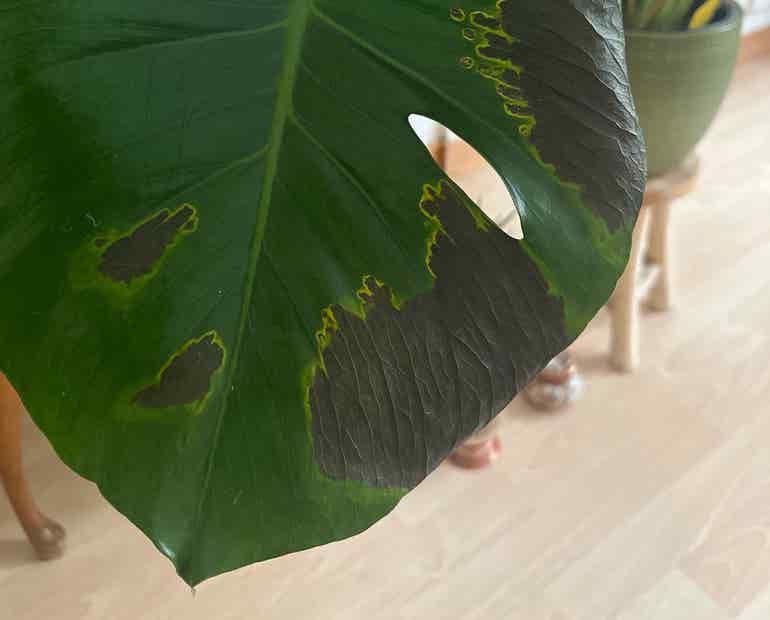
Seeing your Monstera leaves turn brown can be concerning. This common issue has several causes and solutions.
Monstera plants are popular for their beautiful, large leaves. When these leaves turn brown, it’s a sign that something is wrong. Brown leaves can result from various factors such as watering issues, sunlight exposure, or even pests. Understanding the root cause is essential to restoring your plant’s health.
In this guide, we will explore the reasons behind browning leaves and provide simple solutions to help your Monstera thrive once again. By the end, you will know exactly what steps to take to keep your plant happy and green.
Identifying Brown Leaves
Identifying brown leaves on your Monstera plant can be quite concerning. But, knowing what causes these brown leaves is the first step in helping your plant recover. This guide will help you understand the common reasons and symptoms to watch out for.
Common Causes
Brown leaves can result from various factors. One common cause is improper watering. Both overwatering and underwatering can lead to browning. Another factor is low humidity, which Monsteras dislike. Additionally, direct sunlight might scorch the leaves, causing brown spots. Lastly, pests and diseases can also be responsible for this issue.
Symptoms To Watch
Look for dry, crispy edges on the leaves. This often indicates underwatering or low humidity. If the brown spots are soft and mushy, overwatering might be the problem. Also, check for signs of pests like small insects or white webbing. Yellowing along with brown spots could signal a disease.
Watering Issues
Monstera plants are loved for their stunning, fenestrated leaves. But browning leaves can be a sign of trouble. One common cause is watering issues. Understanding the effects of both overwatering and underwatering can help you address these problems effectively.
Overwatering Effects
Overwatering can be detrimental to your Monstera. Excess water suffocates the roots, preventing them from getting oxygen. This leads to root rot, a condition where roots decay and die.
Signs of overwatering include:
- Soft, mushy leaves
- Yellowing before browning
- A foul smell from the soil
To prevent overwatering, ensure the pot has drainage holes. Allow the top inch of soil to dry out before watering again. Consistently check the soil moisture.
Underwatering Signs
Underwatering is another issue that can cause brown leaves. When a Monstera doesn’t get enough water, it can’t perform essential functions. This leads to dehydration.
Signs of underwatering include:
- Crispy, dry leaves
- Leaf edges turning brown
- Soil pulling away from the pot edges
To address underwatering, water your Monstera thoroughly. Ensure the water reaches the roots. Check the soil regularly and water when the top inch is dry.
Light Requirements
Monstera plants, like most houseplants, have specific light requirements. Providing the right amount of light is key. If your Monstera leaves are turning brown, light could be the issue. Let’s explore the potential light problems.
Too Much Sun
Monstera plants thrive in bright, indirect light. Direct sunlight can cause their leaves to burn. If your Monstera is in direct sunlight, you might notice brown, crispy spots on the leaves. Move your plant to a spot with filtered light. Use sheer curtains to diffuse the sunlight.
A great spot is near a window that gets bright, but indirect light. You can also rotate the plant regularly. This ensures all sides get equal light exposure. Too much direct sun can be harmful.
Insufficient Light
On the other hand, insufficient light can also cause problems. If a Monstera doesn’t get enough light, its leaves might turn yellow and then brown. The plant may also grow leggy, reaching for light. Place your Monstera in a brighter spot.
Use a grow light if natural light is limited. Aim for 10-12 hours of light daily. This mimics the plant’s natural environment. Remember, balance is essential. Not too much, not too little.
| Light Issue | Signs | Solution |
|---|---|---|
| Too Much Sun | Brown, crispy spots | Move to filtered light |
| Insufficient Light | Yellow to brown leaves | Move to a brighter spot |
Humidity Levels
Humidity levels play a crucial role in the health of your Monstera plant. Brown leaves often indicate improper humidity. Maintaining the right humidity ensures your Monstera thrives and looks its best.
Ideal Humidity
Monsteras prefer a humidity level between 60-80%. Lower levels can cause brown edges on the leaves. Higher humidity mimics their natural tropical habitat. This keeps the leaves healthy and vibrant.
Increasing Humidity
Several methods can help increase humidity around your Monstera. Placing a humidifier near the plant is an effective solution. Grouping plants together also raises humidity levels naturally. Another option is placing a tray of water and pebbles under the plant pot.
Mist the leaves with water regularly to boost humidity. Ensure good air circulation to prevent fungal issues. These simple steps help maintain the ideal humidity for your Monstera.
Soil Quality
Soil quality plays a crucial role in the health of your Monstera plant. Poor soil can lead to brown leaves, signaling stress or damage to the plant. Ensuring the right soil mix and proper care can help your Monstera thrive.
Proper Soil Mix
Monstera plants need well-draining soil. A proper soil mix is essential to prevent root rot. Here’s a simple and effective soil mix for Monsteras:
- 1 part potting soil
- 1 part perlite or pumice
- 1 part orchid bark
This mix ensures good drainage and aeration. It helps maintain the right balance of moisture and air in the soil. Avoid using heavy or clay-based soils. They retain too much water and can suffocate the roots.
Repotting Tips
Repotting your Monstera can refresh the soil and provide more space for growth. Follow these simple steps for repotting:
- Choose a pot: Pick a pot slightly larger than the current one. Ensure it has drainage holes.
- Prepare the soil: Use the proper soil mix mentioned above.
- Remove the plant: Gently take the Monstera out of its current pot. Be careful not to damage the roots.
- Check the roots: Trim any dead or damaged roots. This encourages healthy new growth.
- Place in the new pot: Position the plant in the new pot and fill with the prepared soil mix.
- Water thoroughly: Water the plant well to help it settle. Ensure excess water drains out.
Repotting every 1-2 years keeps the soil fresh and helps your Monstera grow strong and healthy.
Pest Control
Monstera leaves turning brown can be alarming. Often, pests are the culprits. Knowing how to control these pests is crucial for keeping your plant healthy.
Common Pests
Several pests target Monstera plants. The most common ones include:
- Spider mites
- Mealybugs
- Scale insects
These pests suck the sap from the leaves. This weakens the plant and causes brown spots.
| Pest | Signs |
|---|---|
| Spider mites | Fine webbing on leaves |
| Mealybugs | White, cotton-like clusters |
| Scale insects | Small brown or black bumps |
Natural Remedies
Natural remedies are effective against pests. They are safe for your Monstera plant too.
- Neem Oil: Mix water and neem oil. Spray the solution on the leaves.
- Insecticidal Soap: Buy or make insecticidal soap. Spray it on the affected areas.
- Rubbing Alcohol: Dip a cotton swab in rubbing alcohol. Dab the pests directly.
Repeat these treatments weekly. Monitor the plant for improvements.
Keeping your Monstera healthy involves vigilance. Regularly check for pests and act quickly.
Nutrient Deficiencies
Monstera plants, with their vibrant green leaves, can sometimes show signs of distress. One common issue is browning leaves. This can often be due to nutrient deficiencies. Understanding these deficiencies is crucial for the health of your Monstera. Let’s explore how to identify and address these nutrient issues.
Identifying Deficiencies
Brown leaves can signal several nutrient deficiencies. Yellowing leaves with brown tips may suggest a lack of nitrogen. Pale, yellow leaves with brown edges might indicate a potassium deficiency. Iron deficiency often shows as yellow leaves with green veins. Each deficiency presents unique symptoms.
Fertilizing Tips
Regular fertilizing helps prevent nutrient deficiencies. Use a balanced, water-soluble fertilizer every few weeks during growing seasons. Ensure the fertilizer contains essential nutrients like nitrogen, potassium, and iron. Avoid over-fertilizing, as this can harm your Monstera. Always follow the recommended dosage on the fertilizer package.

Pruning Techniques
Monstera plants, known for their striking foliage, can sometimes develop brown leaves. Pruning is an essential technique to maintain the plant’s health. Proper pruning can help remove damaged leaves, promote new growth, and keep your Monstera looking its best. Here, we will discuss the best pruning techniques to ensure your plant thrives.
When To Prune
Prune your Monstera when you notice brown or damaged leaves. Remove these leaves to prevent the spread of disease. Pruning is also beneficial during the growing season, typically spring and summer. This encourages the plant to produce new, healthy leaves.
Pruning Tools
Use clean, sharp tools for pruning. Dirty tools can spread disease. Gardening shears or scissors work well. Sterilize your tools with rubbing alcohol before and after use. This ensures your Monstera stays healthy.
Always cut at a slight angle. This helps water run off and prevents rot. Make sure your cuts are clean and precise. Jagged cuts can harm the plant and slow healing.
By following these pruning techniques, you can keep your Monstera healthy and vibrant. Happy gardening!
Frequently Asked Questions
Why Are My Monstera Leaves Turning Brown?
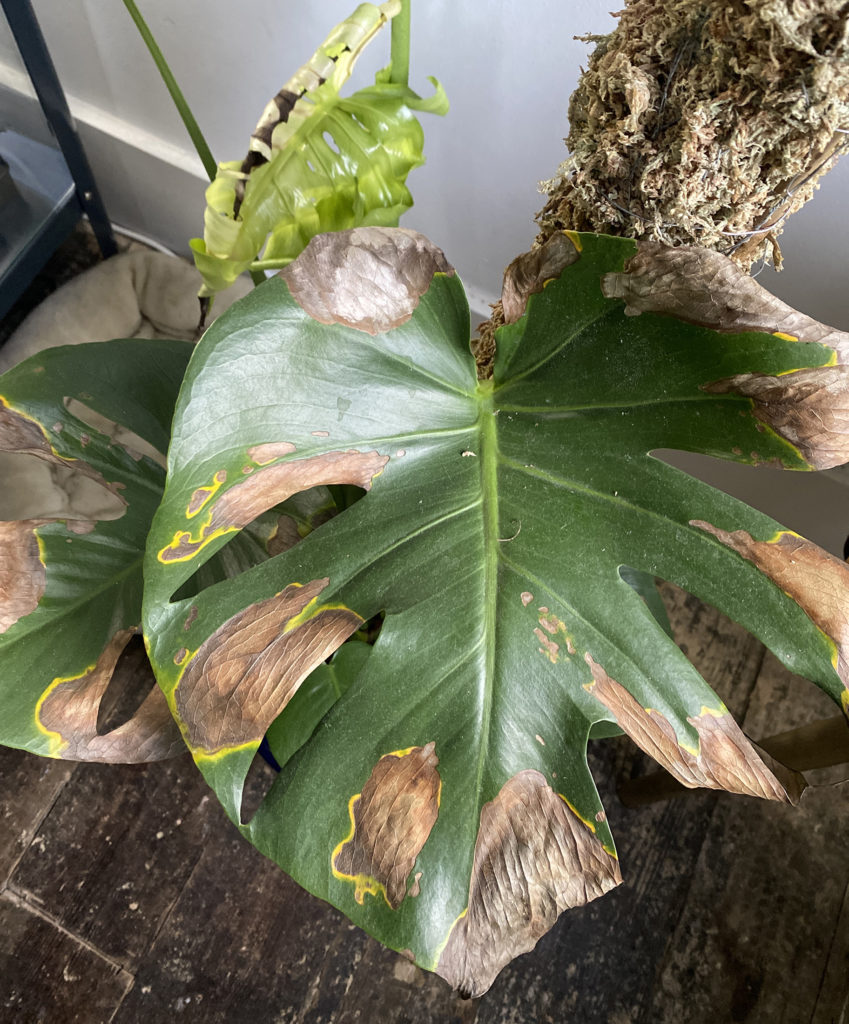
Monstera leaves can turn brown due to overwatering, underwatering, or low humidity. Check the soil moisture and adjust your watering schedule. Ensure the plant is not in direct sunlight.
How Can I Prevent Brown Spots On Monstera Leaves?
To prevent brown spots, maintain consistent watering, provide high humidity, and avoid direct sunlight. Use well-draining soil and ensure proper air circulation around the plant.
Should I Cut Off Brown Monstera Leaves?
Yes, you should cut off brown Monstera leaves. Use clean, sharp scissors to remove damaged leaves. This helps the plant focus energy on healthy growth.
Can Fertilizer Cause Monstera Leaves To Turn Brown?
Yes, over-fertilizing can cause brown leaves. Use a balanced, diluted fertilizer every 4-6 weeks during the growing season. Avoid fertilizing in winter.
Conclusion
Caring for your Monstera is simple with the right steps. Check watering habits. Ensure proper light exposure. Trim brown leaves promptly. Adjust humidity levels. Monitor for pests or diseases. Consistent care helps maintain healthy foliage. Your Monstera will thrive with attention and love.
Happy plant parenting!
Leave a Reply