
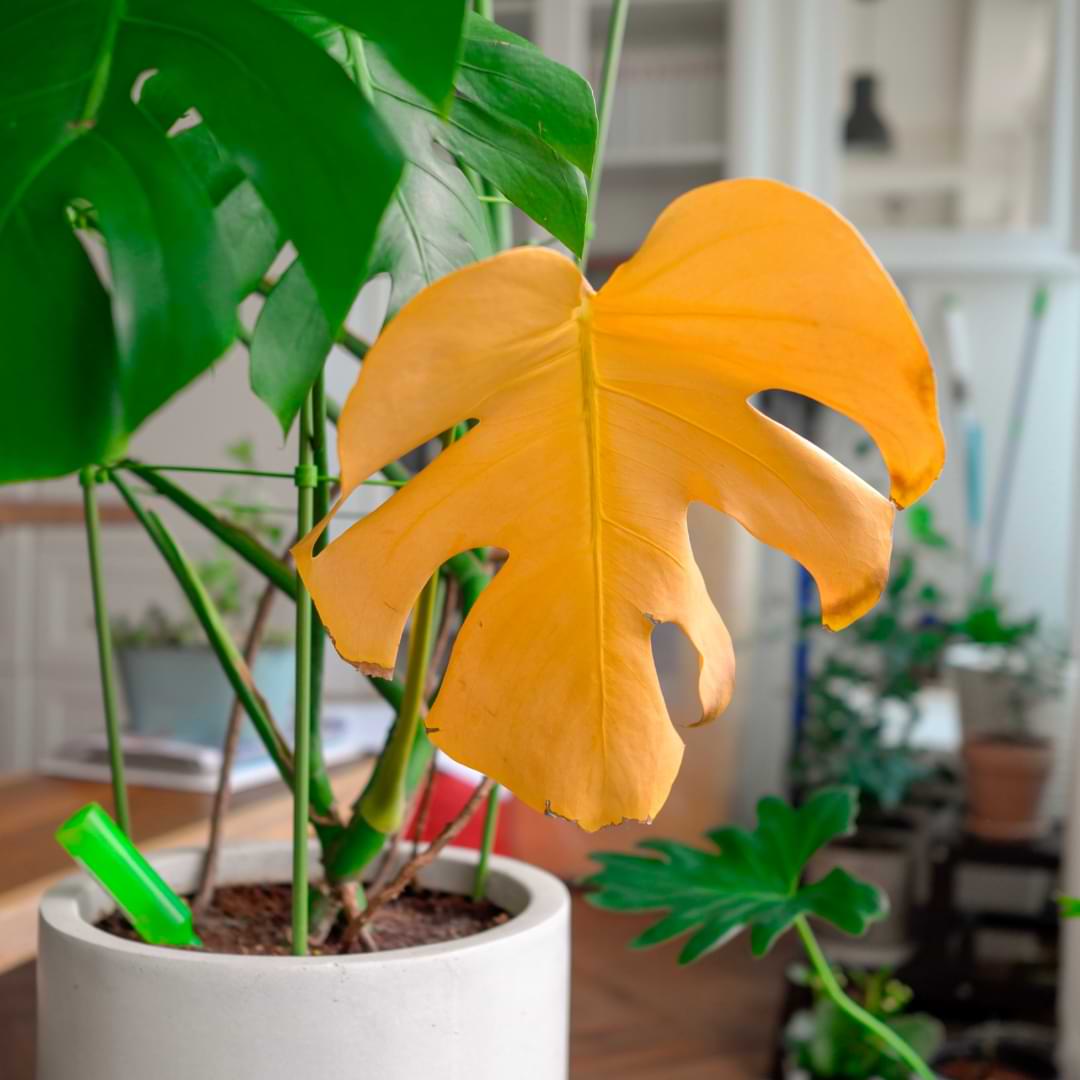
Yellow leaves on your Monstera can be concerning. What causes this?
How can you fix it? Monstera plants are popular for their large, lush leaves and easy care. But yellow leaves can signal a problem. Understanding the cause is key to solving it. Overwatering, underwatering, or lack of light might be to blame.
Sometimes, pests or nutrient deficiencies play a role. Addressing these issues early can save your plant. This guide will help you identify the problem and take the right steps to restore your Monstera’s health. Let’s explore why your Monstera leaf turns yellow and what you can do about it.
Causes Of Yellowing Monstera Leaves
Monstera plants, known for their stunning leaves, can sometimes show signs of distress. One common issue is yellowing leaves. Understanding the causes of yellowing Monstera leaves can help you take better care of your plant.
Overwatering Issues
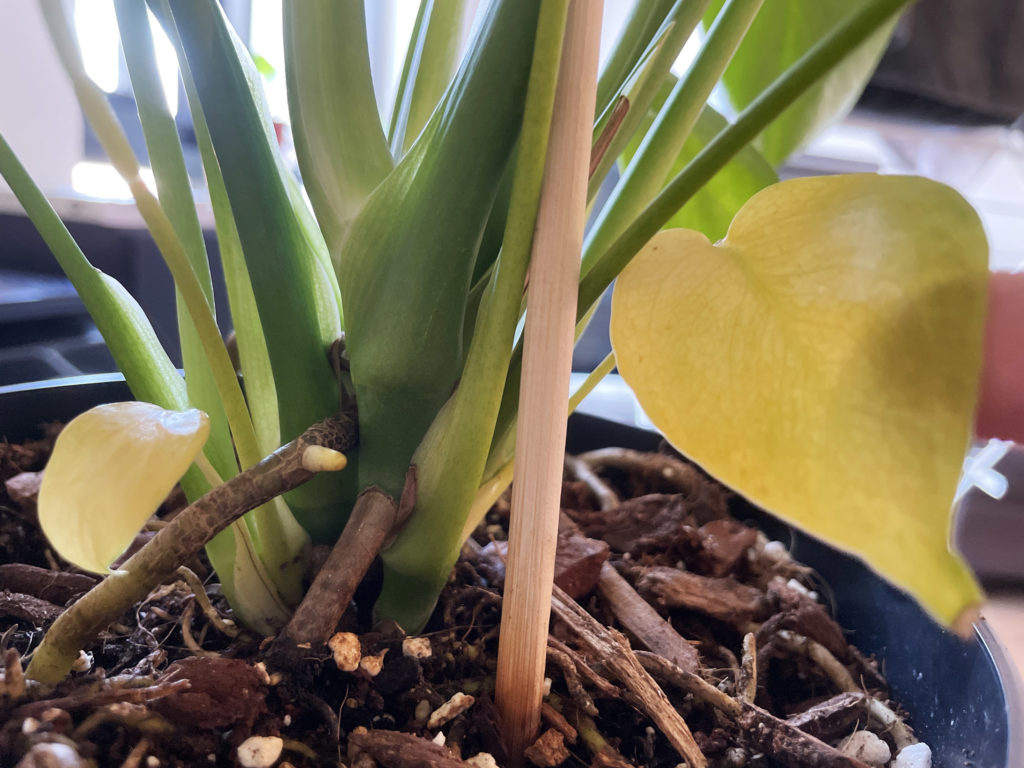
Overwatering is a frequent cause of yellowing Monstera leaves. When the soil stays too wet, the roots cannot breathe. This leads to root rot.
- The soil remains soggy and waterlogged.
- Roots start to decay, and leaves turn yellow.
To check if overwatering is the issue, feel the soil. If it is always wet, you are likely overwatering.
| Signs of Overwatering | Actions to Take |
|---|---|
| Consistently wet soil | Allow the soil to dry out between waterings. |
| Yellow leaves | Reduce the frequency of watering. |
Underwatering Effects
Underwatering can also cause yellowing leaves. When Monstera does not get enough water, it becomes stressed.
- The soil is dry and crumbly.
- Leaves turn yellow and may become crispy.
To determine if underwatering is the problem, touch the soil. If it is dry, your plant needs more water.
| Signs of Underwatering | Actions to Take |
|---|---|
| Dry, crumbly soil | Water the plant thoroughly. |
| Yellow, crispy leaves | Increase the frequency of watering. |
Nutrient Deficiencies
Yellow leaves on your Monstera plant may be a sign of nutrient deficiencies. These deficiencies can affect the plant’s health and appearance. Let’s explore two common nutrient deficiencies: lack of nitrogen and iron deficiency.
Lack Of Nitrogen
Nitrogen is vital for Monstera’s growth. When there is a lack of nitrogen, you might notice yellowing leaves starting from the bottom. This nutrient helps in producing chlorophyll, which is essential for photosynthesis.
To address this issue, consider using a balanced fertilizer rich in nitrogen. This will help your Monstera regain its green color. Regularly check the soil to ensure it has the necessary nutrients.
Iron Deficiency
Iron is another crucial nutrient for Monstera plants. An iron deficiency can cause yellowing leaves with green veins, a condition known as chlorosis. Iron helps in forming chlorophyll and is essential for the plant’s overall health.
To combat iron deficiency, use a fertilizer that contains iron. You can also check the soil pH. Monstera plants prefer slightly acidic soil, which helps in iron absorption. Ensure your plant is in the right soil to prevent future deficiencies.
Improper Light Conditions
Improper light conditions can cause Monstera leaves to turn yellow. Light is crucial for their health. Monstera plants need the right balance of light to thrive. Both too much and too little light can lead to yellowing leaves.
Too Much Direct Sunlight
Direct sunlight can damage Monstera leaves. They thrive in bright, indirect light. Direct sun can scorch leaves, causing yellow patches. If your Monstera is near a window, consider using a sheer curtain. This will filter the intense rays and protect the leaves.
Insufficient Light Exposure
Monstera plants in low light may struggle. They need enough light for photosynthesis. Without it, leaves turn yellow and growth slows. Place your Monstera in a spot with bright, indirect light. A north or east-facing window works well.
Pest Infestations
Yellowing leaves on your Monstera could mean a pest problem. Certain pests love to feast on Monstera leaves, causing discoloration and damage. Identifying and addressing these pests quickly can save your plant.
Common Pests
Several pests might be causing your Monstera leaves to turn yellow. These include:
- Spider Mites: Tiny, often red or brown, they create fine webs on leaves.
- Mealybugs: Small, white, cotton-like insects that cluster on the plant.
- Scale Insects: Hard, brown or white bumps found on stems and leaves.
- Aphids: Small, green or black insects that gather on new growth.
Pest Control Methods
Effective pest control methods can help restore your Monstera’s health. Here are a few techniques:
- Manual Removal: Use a damp cloth to wipe off pests. For larger infestations, a cotton swab dipped in alcohol can help remove them.
- Neem Oil: This natural oil can deter and kill pests. Mix with water and spray on the affected areas.
- Insecticidal Soap: Safe for most plants, this soap kills pests on contact. Spray directly on pests.
- Predatory Insects: Introducing beneficial insects like ladybugs can naturally reduce pest populations.
If these methods don’t work, consider consulting a local nursery or garden center for further advice.
Soil Problems
Monstera leaves turning yellow can be alarming. Soil problems often cause this issue. Understanding the common soil issues can help you save your plant. Let’s focus on poor drainage and compact soil.
Poor Drainage
Poor drainage is a common soil problem. It prevents water from moving freely. Waterlogged soil can suffocate plant roots. This results in yellow leaves. Use a well-draining soil mix to help your Monstera.
Ensure the pot has drainage holes. These holes allow excess water to escape. If there are no holes, water will sit at the bottom. This leads to root rot and yellow leaves.
Compact Soil
Compact soil restricts root growth. It also limits water and nutrient absorption. Monstera plants need loose, airy soil. Compact soil can cause stress. This stress shows up as yellow leaves.
To fix compact soil, add perlite or peat moss. These materials improve soil structure. They help create a more breathable environment for roots. Regularly check the soil to ensure it stays loose.
:max_bytes(150000):strip_icc()/Why-Are-My-Monstera-Leaves-Turning-Yellow-b2cd94a10c184ae6a214790c893344f7.jpg)
Temperature And Humidity Concerns
Monstera plants are tropical and need specific conditions to thrive. Temperature and humidity play a crucial role in their health. Yellowing leaves can be a sign of issues with these factors. Here’s what you need to know.
Temperature Fluctuations
Monstera plants prefer stable temperatures. Sudden changes can stress them. Keep your plant in a room with temperatures between 65°F and 85°F.
Avoid placing the plant near windows or doors. These areas often have drafts. Also, keep it away from heating vents. Both cold and hot air can harm the leaves.
If your Monstera is near a window, consider using a sheer curtain. This can help block direct sun and maintain a stable temperature.
Low Humidity Levels
Tropical plants like Monstera need high humidity. Low levels can cause leaves to turn yellow. Aim for a humidity level of 60% or higher.
You can increase humidity with these methods:
- Use a humidifier near the plant.
- Mist the leaves regularly with water.
- Place a water tray near the plant.
- Group plants together to create a micro-environment.
If you choose to mist, do it in the morning. This allows the leaves to dry before night. Wet leaves at night can lead to mold.
Check the humidity level with a hygrometer. This device helps you keep track and maintain the right environment.
Pruning And Maintenance
Pruning and maintenance are essential for keeping your Monstera plant healthy. Proper care ensures vibrant and green leaves. Let’s explore the steps to maintain your Monstera plant.
Removing Yellow Leaves
Yellow leaves on your Monstera can signal various issues. It’s important to remove them to maintain the plant’s health. Follow these steps:
- Use clean, sharp scissors or pruning shears.
- Identify the yellow leaves and cut them at the base.
- Dispose of the yellow leaves to prevent disease spread.
Removing yellow leaves helps the plant focus on new growth. It also keeps the plant looking fresh and vibrant.
Regular Plant Care
Regular care includes watering, cleaning, and monitoring your Monstera plant. Here are some key aspects:
| Care Aspect | Description |
|---|---|
| Watering | Water when the top inch of soil is dry. Avoid overwatering. |
| Cleaning | Wipe leaves with a damp cloth to remove dust. |
| Monitoring | Check for pests and signs of disease regularly. |
Consistent care keeps your Monstera thriving. Follow these steps to ensure your plant stays healthy and beautiful.
Preventive Measures
Yellowing leaves on a Monstera can be a sign of distress. To maintain a healthy plant, it’s essential to take preventive measures. Below are some effective strategies to keep your Monstera thriving.
Proper Watering Techniques
Proper watering is crucial for a healthy Monstera plant. Overwatering can lead to root rot, which causes yellow leaves. Underwatering can also cause stress and leaf yellowing.
Follow these steps for proper watering:
- Check soil moisture: Stick your finger 1-2 inches into the soil. Water if it feels dry.
- Drain excess water: Ensure the pot has drainage holes to prevent waterlogging.
- Water frequency: Generally, water once a week, but adjust based on humidity and temperature.
Balanced Fertilization
Balanced fertilization provides necessary nutrients for healthy leaves. Over-fertilization can burn roots and cause yellowing, while under-fertilization leads to nutrient deficiency.
Here are some tips for balanced fertilization:
- Choose the right fertilizer: Use a balanced, water-soluble fertilizer with equal N-P-K ratios.
- Follow recommended dosage: Always follow the instructions on the fertilizer package.
- Fertilize during growing season: Apply fertilizer every 4-6 weeks in spring and summer.
- Reduce in dormant season: Fertilize less frequently in fall and winter.
Incorporating these preventive measures ensures your Monstera stays vibrant and healthy.
Frequently Asked Questions
Why Are My Monstera Leaves Turning Yellow?
Yellow leaves can result from overwatering, underwatering, or poor lighting. Check your watering schedule and light conditions.
How Can I Fix Yellow Monstera Leaves?
Identify the cause, adjust watering, ensure proper lighting, and remove affected leaves to encourage new growth.
Is Yellowing Normal For Monstera Leaves?
Occasional yellowing is normal due to old age. However, frequent yellowing indicates a problem needing attention.
Can Fertilizer Cause Monstera Leaves To Turn Yellow?
Yes, over-fertilizing can burn roots and cause yellow leaves. Use a balanced fertilizer and follow instructions.
Conclusion
Yellowing monstera leaves can be alarming, but solutions exist. Check for overwatering first. Ensure proper drainage. Adjust lighting conditions if needed. Inspect for pests and treat promptly. Use balanced fertilizer sparingly. Monitor your plant’s environment. Consistency in care brings healthy, green leaves.
Remember, each plant is unique. Observe and adjust care practices accordingly. With patience and attention, your monstera can thrive. Happy gardening!