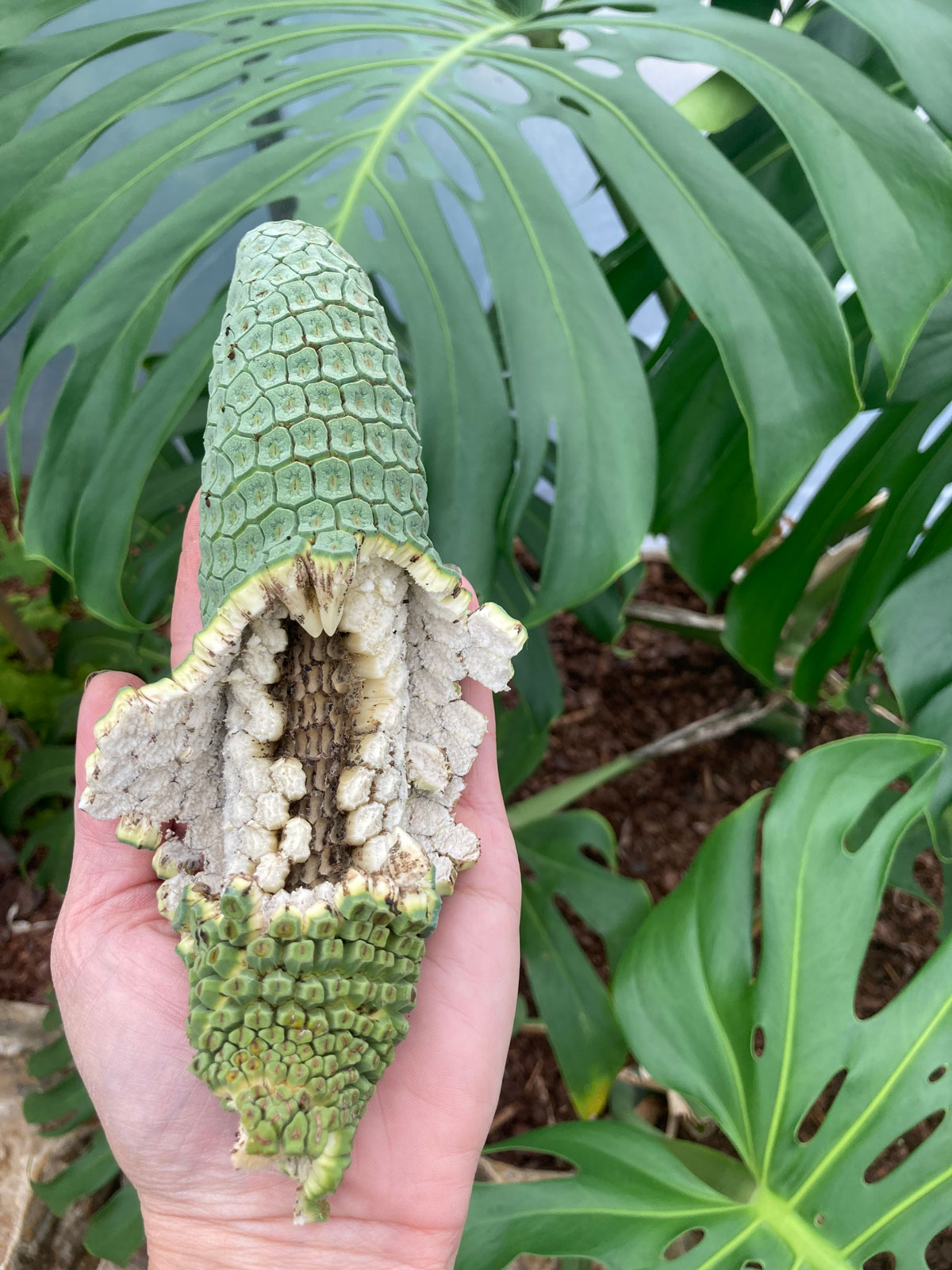
Yes, some Monstera plants produce fruit. Monstera deliciosa is the most well-known variety that bears edible fruit.
The fruit is both unique and delicious, making it a fascinating topic for plant lovers. Many people know Monstera plants for their striking, split leaves. Yet, not everyone is aware that some can produce fruit. The Monstera deliciosa, often called the “Swiss cheese plant,” not only adds beauty to your home but can also yield fruit with a flavor similar to a mix of pineapple and banana.
This intriguing aspect of the Monstera plant adds another layer of interest for gardeners and plant enthusiasts alike. Understanding which Monstera plants produce fruit and how to care for them can enhance your plant-growing experience and even your diet!
Introduction To Monstera
The Monstera plant is a popular houseplant known for its stunning foliage. This tropical plant is native to the rainforests of Central America. It thrives in warm, humid environments and can be grown indoors with proper care.
Monsteras are not just beautiful; some varieties can even produce fruit. This fruit is both unique and delicious, adding to the plant’s appeal. Let’s explore the different Monstera varieties and their unique characteristics.
Monstera Varieties
There are several varieties of Monstera, each with its own distinct features. Here are some of the most well-known types:
- Monstera Deliciosa: Known for its large, split leaves and tasty fruit.
- Monstera Adansonii: Smaller leaves with unique perforations.
- Monstera Borsigiana: A smaller variety of Monstera Deliciosa.
The most common variety, Monstera Deliciosa, is the one that produces edible fruit. This fruit is often called the “Swiss Cheese Plant” fruit due to the holes in its leaves.
Unique Characteristics
Monsteras have several unique characteristics that make them stand out. Their large, glossy leaves with natural holes or splits are eye-catching. These holes help the plant withstand heavy rainfall in its natural habitat. The leaves allow water to pass through without causing damage.
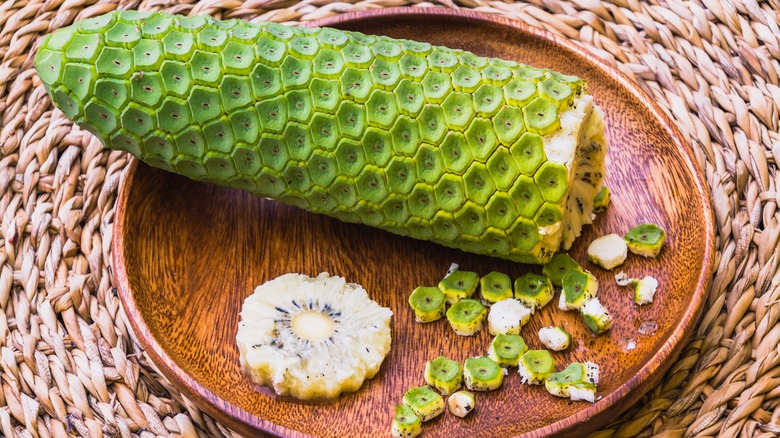
Another interesting feature is the Monstera’s ability to produce fruit. The fruit looks like a green ear of corn and is covered in hexagonal scales. When ripe, the scales fall off, revealing the sweet, edible flesh underneath.
The Monstera fruit is rich in vitamins and has a flavor described as a mix of pineapple and banana. It is a rare treat for those who grow this plant. Proper care and the right conditions are needed for the plant to produce fruit.
Overall, the Monstera is not just a decorative plant. It offers unique benefits, making it a favorite among plant enthusiasts.
Fruit-bearing Monstera Species
Monstera plants, known for their unique leaves, can also produce edible fruits. Not all Monstera species bear fruit, but a few do. These fruits are not only fascinating but also delicious. Let’s explore two of the most popular fruit-bearing Monstera species.
Monstera Deliciosa
Monstera Deliciosa, often called the Swiss Cheese Plant, is famous for its fruits. The fruit looks like a green pine cone. It has a sweet taste, similar to a mix of pineapple and banana. The fruit takes about a year to ripen. Once ripe, the fruit’s scales fall off, revealing the tasty flesh. Be cautious; unripe fruit can cause irritation.
Monstera Borsigiana
Monstera Borsigiana is another species that can produce fruit. This plant is similar to Monstera Deliciosa but smaller. The fruit of Monstera Borsigiana is also edible. It has a similar flavor profile to Monstera Deliciosa. The fruit is smaller and ripens faster. Enjoying these fruits can be a delightful experience.
Growing Conditions For Fruit
Monstera plants, known for their striking leaves, can produce fruit. But to enjoy their unique fruit, the right growing conditions are crucial. Let’s explore the optimal climate and soil and water requirements for growing Monstera fruit.
Optimal Climate
Monstera plants thrive in warm, humid climates. They prefer temperatures between 65°F and 85°F. Frost and cold temperatures can harm them. These plants need indirect sunlight. Direct sunlight can scorch their leaves. Consistent, warm conditions are essential for fruit production.
Soil And Water Requirements
Monstera plants need well-draining soil. A mix of peat, perlite, and pine bark works well. The soil should stay moist but not waterlogged. Overwatering can cause root rot. Water the plant when the top inch of soil feels dry.
Good humidity levels are also important. Aim for 60% to 80% humidity. You can use a humidifier or mist the leaves regularly. Proper drainage, consistent moisture, and high humidity support healthy growth and fruit production.

Flowering And Pollination
The Monstera plant, known for its beautiful leaves, also produces unique fruit. For this to happen, the plant must first flower and be pollinated. Understanding the flowering and pollination process is key to seeing your Monstera bear fruit.
Pollination Process
Monstera plants have a fascinating pollination process. The flowers are hidden inside a structure called a spathe. This spathe protects the flowers and helps in the pollination process.
Pollination usually occurs over a few days. The flowers inside the spathe open and release a sweet scent. This scent attracts pollinators. As the pollinators move from flower to flower, they transfer pollen. This helps fertilize the flowers and leads to fruit development.
Role Of Insects
Insects play a crucial role in Monstera pollination. Beetles are the most common pollinators for Monstera plants. They are drawn to the flowers by the scent and the promise of nectar.
As beetles move around the flowers, they collect and spread pollen. This ensures that the flowers are fertilized. Without these insects, pollination would be much harder.
Other insects, like bees, can also help in pollination. But beetles remain the primary pollinators for Monstera plants.
| Pollinator | Role |
|---|---|
| Beetles | Primary pollinators, attracted by scent and nectar |
| Bees | Secondary pollinators, help in spreading pollen |
Harvesting Monstera Fruit
Harvesting Monstera fruit can be an exciting experience for plant enthusiasts. This exotic fruit, known for its unique taste, grows on the popular Monstera Deliciosa plant. To enjoy its delicious flavor, you need to know when and how to harvest it properly.
Identifying Ripe Fruit
Look for changes in the fruit’s appearance to identify ripeness. A ripe Monstera fruit will have slightly parted green scales. The scales might start turning yellow, signaling it’s ready to harvest. Touch the fruit gently. It should feel soft but not mushy. A firm fruit indicates it is not yet ripe.
Safe Harvesting Techniques
Use clean, sharp scissors or pruning shears to cut the fruit. This ensures a clean cut and prevents damage to the plant. Hold the fruit gently and make a precise cut near the stem. This helps maintain the plant’s health. Wear gloves to protect your hands from the fruit’s sap. The sap can cause skin irritation.
After harvesting, store the fruit in a cool, dry place. Let it ripen further if it’s still firm. You can wrap it in paper to hasten the ripening process. Avoid eating the unripe fruit as it can cause throat irritation.

Nutritional Benefits Of Monstera Fruit
The Monstera fruit, also known as the Swiss cheese plant, is not only unique in appearance but also packed with nutrients. This fruit is a hidden gem in the world of tropical fruits. Let’s explore its nutritional benefits.
Vitamins And Minerals
Monstera fruit is rich in essential vitamins and minerals that support overall health. Here are some key nutrients found in Monstera fruit:
| Nutrient | Benefit |
|---|---|
| Vitamin C | Boosts the immune system and promotes healthy skin. |
| Vitamin B6 | Aids brain development and function. |
| Potassium | Regulates fluid balance and muscle contractions. |
| Fiber | Improves digestive health and helps in weight management. |
Health Benefits
Consuming Monstera fruit can offer several health benefits:
- Improves Digestion: The fiber content helps maintain a healthy digestive system.
- Boosts Immunity: Vitamin C strengthens the immune system, protecting against illnesses.
- Enhances Skin Health: The antioxidants in the fruit support healthy, glowing skin.
- Supports Heart Health: Potassium helps manage blood pressure levels.
- Increases Energy: Vitamin B6 aids in energy production and brain health.
Adding Monstera fruit to your diet can be a tasty way to boost your nutrient intake. Enjoy the benefits while savoring its unique flavor.
Culinary Uses Of Monstera Fruit
The Monstera fruit, also known as the Swiss cheese plant, is not just a decorative plant. Its fruit is edible and offers a unique flavor. The fruit resembles a mix of pineapple and banana. It is a tropical delight used in various dishes.
Popular Recipes
Monstera fruit can be used in several recipes. Here are a few popular ones:
- Monstera Fruit Salad: Combine Monstera fruit with other tropical fruits.
- Smoothies: Blend Monstera fruit with yogurt and honey.
- Monstera Salsa: Mix chopped Monstera fruit with tomatoes, onions, and cilantro.
Preparation Tips
Preparing Monstera fruit requires care. Follow these tips:
- Wait until the fruit is ripe. The green scales should fall off easily.
- Peel the fruit gently to avoid the irritating calcium oxalate crystals.
- Rinse the fruit thoroughly to remove any remaining crystals.
- Slice the fruit and remove any seeds.
These steps ensure you enjoy the fruit safely.
Common Issues And Solutions
Growing Monstera plants can be a rewarding experience. Yet, they come with their own set of challenges. Understanding common issues and finding practical solutions can help your Monstera thrive. This section explores key problems and offers helpful advice.
Pest Control
Monstera plants often attract pests. These pests can damage the leaves and stem. Common pests include spider mites, scale insects, and mealybugs. Regularly inspect your plant for signs of infestation. Look for tiny bugs, webbing, or sticky residue on the leaves.
To control pests, use insecticidal soap or neem oil. Apply it to the affected areas. For a severe infestation, consider using a stronger pesticide. Always follow the instructions on the label. Keep your plant clean and dust-free. This can prevent pests from settling on your Monstera.
Disease Management
Monstera plants can also suffer from diseases. Root rot and leaf spot are common issues. Root rot often occurs due to overwatering. Ensure your Monstera has well-draining soil. Avoid letting the plant sit in water. Water your plant only when the top inch of soil feels dry.
Leaf spot disease can cause yellow or brown spots on the leaves. Remove affected leaves to prevent the spread. Use a fungicide if necessary. Make sure your Monstera gets proper air circulation. This helps reduce the risk of fungal infections. Keep an eye on humidity levels. Excess moisture can promote disease.
Frequently Asked Questions
What Is Monstera Fruit Called?
Monstera fruit is often called “Monstera deliciosa” or “Swiss cheese plant fruit. ” It’s known for its unique tropical flavor.
When Do Monstera Plants Produce Fruit?
Monstera plants typically produce fruit when they are mature, usually after 2-3 years of growth.
How Do You Know If Monstera Fruit Is Ripe?
Monstera fruit is ripe when the scales start to lift and emit a sweet fragrance.
Can You Eat Monstera Fruit?
Yes, Monstera fruit is edible and tastes like a mix of pineapple and banana when ripe.
Conclusion
Monstera plants can produce unique, delicious fruit. Patience is key when growing them. Ensure your plant gets proper light and care. These fruits can add a tropical twist to your home. Remember to check for ripeness before enjoying. Happy gardening!
Leave a Reply