Monstera and Philodendron are popular houseplants. They often get confused.
But they are different. Understanding these differences helps you care for them better. Monstera and Philodendron have unique characteristics. Both plants are from the same family, but they have distinct features. Knowing these features can improve your plant care skills.
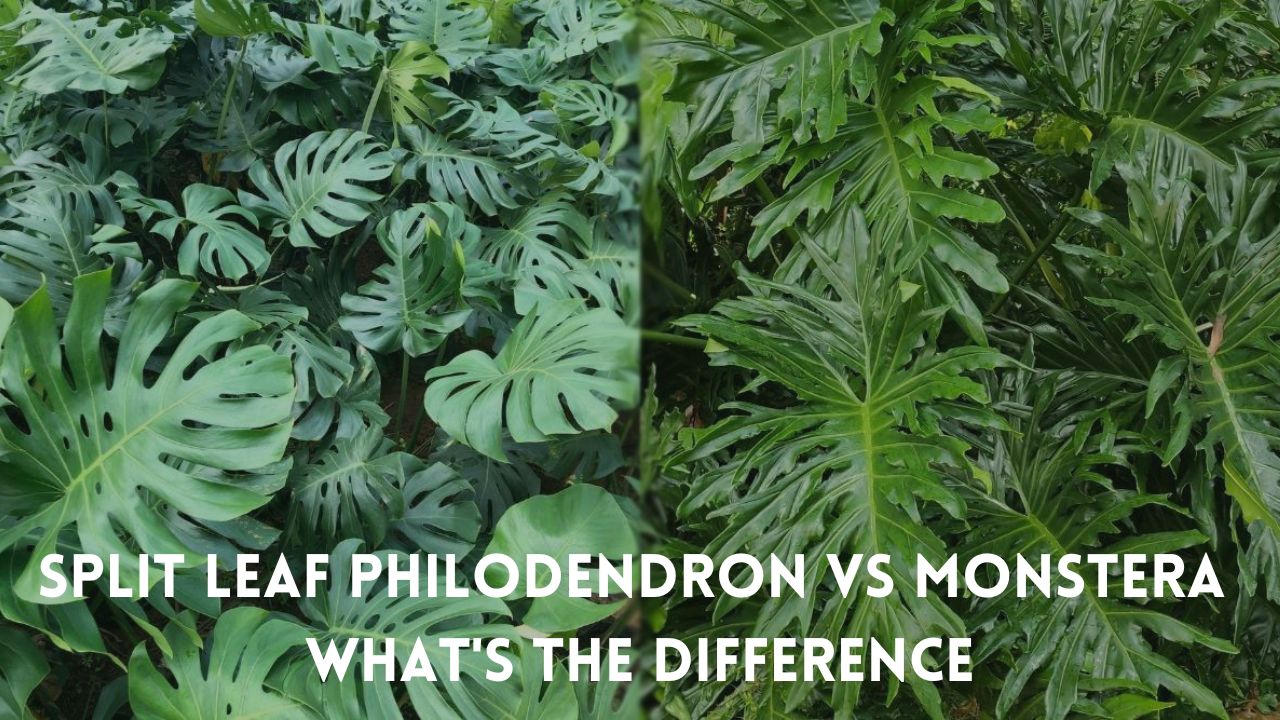
Monstera is known for its large, split leaves. Philodendron has more varied leaf shapes and sizes. Each plant has its own growth habits and care needs. By learning these differences, you can ensure your plants thrive. This guide will help you distinguish between Monstera and Philodendron, making plant care easier and more enjoyable.
Origin And Habitat
Understanding the origin and habitat of Monstera and Philodendron can help in properly caring for these popular houseplants. Knowing where they come from and their preferred environments will give you the insight needed to provide the best conditions for them.
Native Regions
Monstera and Philodendron both have their roots in the tropical Americas. They are native to the lush rainforests of Central and South America. However, each plant has its own specific regions where it thrives.
| Plant | Native Region |
|---|---|
| Monstera | Southern Mexico to Panama |
| Philodendron | Brazil, Colombia, and Venezuela |
Preferred Environments
Both plants thrive in similar environments but have unique preferences:
- Monstera prefers humid, warm, and shaded areas.
- Philodendron enjoys more varied conditions, from rainforests to riverbanks.
These plants adapt well to indoor conditions. Ensure they get indirect light and maintain high humidity. This mimics their natural habitats.
Leaf Characteristics
Monstera and Philodendron are popular houseplants. They often get mistaken for each other. The most distinct feature lies in their leaves. Understanding these characteristics helps in identifying each plant correctly.
Shape And Size
Monstera leaves are large and heart-shaped. They have unique holes or splits. The leaves can grow up to 3 feet long. Philodendron leaves are also heart-shaped but smaller. They do not have holes. Their size usually ranges between 6 inches to 1 foot.
Texture And Color
Monstera leaves have a glossy texture. They are dark green. The texture feels leathery to the touch. Philodendron leaves have a more matte finish. They are lighter green. The texture is softer and feels more delicate.
Growth Patterns
Understanding the growth patterns of Monstera and Philodendron can help plant enthusiasts care for these popular houseplants. Both plants have unique growth characteristics that set them apart. Here, we will explore their differences in growth patterns.
Vining Vs. Climbing
Monstera and Philodendron exhibit distinct vining and climbing behaviors. Monstera plants are known for their vining growth, extending long stems that can climb or trail. These plants often need support structures like moss poles or trellises to grow upwards.
Philodendrons, especially the Heartleaf variety, are more climbing in nature. They use aerial roots to attach to surfaces and climb. This makes them ideal for hanging baskets or climbing up walls.
Typical Growth Speed
The growth speed of Monstera and Philodendron varies based on species and conditions. Generally, Monsteras grow at a moderate to fast pace. They can produce large leaves and extensive root systems quickly under optimal conditions.
Philodendrons, on the other hand, grow at a steady rate. They may not grow as rapidly as Monsteras but still develop lush foliage. Consistent care ensures healthy growth.
| Plant | Growth Pattern | Growth Speed |
|---|---|---|
| Monstera | Vining | Moderate to Fast |
| Philodendron | Climbing | Steady |
In summary, understanding these growth patterns allows for better plant care. Whether you prefer the vining Monstera or the climbing Philodendron, both plants bring unique beauty to your space.

Care Requirements
Both Monstera and Philodendron are popular houseplants known for their lush foliage. Yet, their care requirements differ in some key aspects. Understanding these differences helps in providing the best care for each plant. Below are the critical areas of care:
Watering Needs
Monstera and Philodendron have varying watering needs. Monstera prefers slightly moist soil but can tolerate short dry spells. Water the Monstera when the top inch of soil feels dry. Avoid waterlogging, as it can cause root rot.
Philodendron, on the other hand, likes more consistent moisture. Keep the soil evenly moist but not soggy. Check the soil regularly and water when it starts to dry out.
| Plant | Watering Frequency | Soil Moisture |
|---|---|---|
| Monstera | Once the top inch is dry | Slightly moist |
| Philodendron | When soil begins to dry | Evenly moist |
Light Preferences
Both plants thrive in bright, indirect light. Yet, there are some differences.
Monstera prefers bright, indirect light but can tolerate some direct sunlight. Too much direct light can scorch its leaves.
Philodendron prefers moderate to bright indirect light. It can adapt to lower light conditions better than Monstera.
| Plant | Light Preference | Tolerance |
|---|---|---|
| Monstera | Bright, indirect light | Some direct sunlight |
| Philodendron | Moderate to bright, indirect light | Low light |
Common Varieties
Common varieties of Monstera and Philodendron often confuse plant enthusiasts. These two plant types share similarities but also have distinct differences. Knowing the common varieties of each can help you identify them better.
Popular Monstera Types
Monstera Deliciosa is the most well-known type. It has large, split leaves. Monstera Adansonii, also called Swiss Cheese Plant, has smaller, hole-filled leaves. Monstera Obliqua is rare, with delicate, lace-like leaves. Monstera Siltepecana has silver-patterned leaves, adding unique beauty. Each type offers its own charm and character.
Popular Philodendron Types
Philodendron Hederaceum, often called Heartleaf Philodendron, is very popular. Its heart-shaped leaves make it easy to recognize. Philodendron Brasil has variegated leaves with yellow and green streaks. Philodendron Gloriosum has large, velvety leaves with white veins. Philodendron Micans features velvety, dark green leaves. These types showcase the variety within Philodendron species.
Propagation Methods
Monstera and Philodendron plants are popular among indoor plant enthusiasts. They are easy to grow and can be propagated through various methods. This section will explore two common propagation methods: stem cuttings and air layering.
Stem Cuttings
Stem cuttings are a simple and effective way to propagate Monstera and Philodendron plants. To begin, select a healthy stem with at least one node. The node is a small bump where roots will grow.
Using a clean, sharp knife or scissors, cut the stem just below the node. Place the cutting in water or moist soil. Keep the environment warm and humid. New roots should form in a few weeks.
Once the roots are a few inches long, the cutting can be planted in a pot. This method works well for both Monstera and Philodendron plants.
Air Layering
Air layering is another method for propagating these plants. It is slightly more advanced but can yield larger plants faster. Start by selecting a healthy stem on the plant. Make a small cut halfway through the stem.
Wrap the cut area with moist sphagnum moss. Secure it with plastic wrap and twist ties. Keep the moss moist and check it regularly. Roots will develop in the moss in a few weeks.
Once roots appear, cut the stem below the moss. Plant the new section in a pot. This method works well for both Monstera and Philodendron plants.
Pest And Disease Management
Understanding pest and disease management is crucial for keeping Monstera and Philodendron plants healthy. Both plants can face similar challenges, but there are specific steps to keep them thriving.
Common Pests
Monstera and Philodendron plants can attract pests like spider mites, aphids, and mealybugs. These pests damage the leaves and weaken the plant. Regularly check your plants for small insects or webbing. Early detection helps control the pest population.
Disease Prevention Tips
Preventing disease starts with proper watering. Overwatering can lead to root rot and fungal infections. Ensure the soil drains well and avoid letting the plant sit in water. Keep the leaves dry and clean to prevent mold growth. Prune any dead or yellowing leaves to improve air circulation. This can help prevent diseases from spreading.
Using clean tools is essential. Disinfect pruning tools and pots before use. This reduces the risk of transferring diseases from one plant to another. Always use fresh, sterile soil for repotting to avoid introducing pathogens.

Frequently Asked Questions
How Do I Identify Monstera Leaves?
Monstera leaves have distinctive natural holes or splits called fenestrations. These holes make the leaves look unique and tropical.
Are Monstera And Philodendron Related?
Yes, Monstera and Philodendron are both part of the Araceae family. However, they belong to different genera.
Do Monstera And Philodendron Require Similar Care?
Monstera and Philodendron require similar care. Both prefer indirect light, well-draining soil, and regular watering.
Can Monstera And Philodendron Grow Indoors?
Yes, both Monstera and Philodendron can thrive indoors. They are popular houseplants due to their attractive foliage.
Conclusion
Understanding the differences between Monstera and Philodendron is crucial for plant lovers. Monstera has distinct splits and holes in its leaves. Philodendron leaves are usually heart-shaped and smooth. Both plants are easy to care for, making them popular choices. Knowing their unique features helps in better care and placement.
Enjoy growing these beautiful plants in your home. Happy gardening!
Leave a Reply