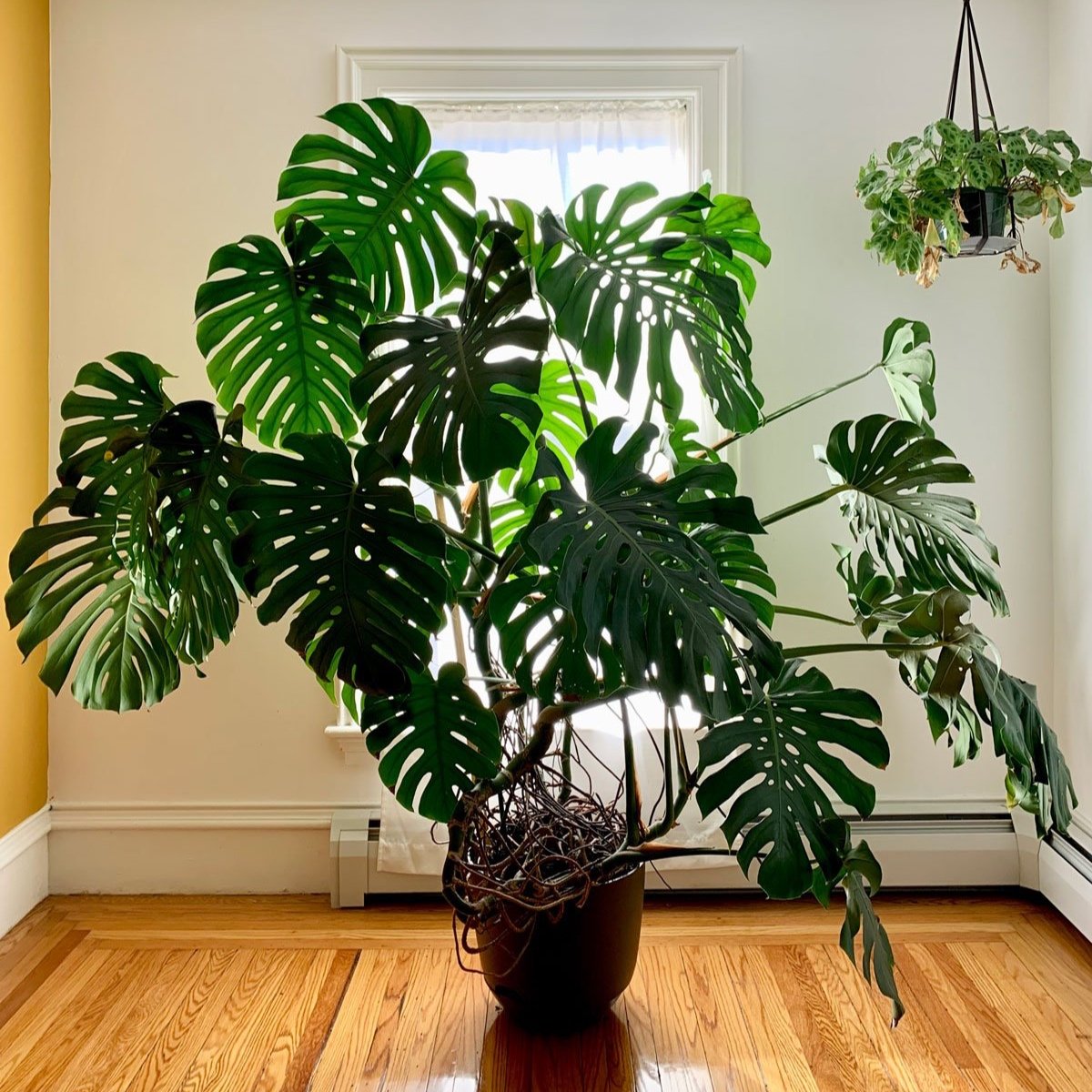
A Monstera plant is a popular houseplant known for its unique leaves. These leaves have natural holes, giving them a distinctive look.
The Monstera plant, also called the Swiss Cheese plant, is a favorite among plant enthusiasts. Its striking appearance and easy care make it a top choice for homes and offices. Originating from the tropical forests of Central America, the Monstera thrives in warm, humid environments.
Its large, glossy leaves add a touch of the exotic to any space. Whether you’re a seasoned gardener or a beginner, the Monstera plant is a wonderful addition to your indoor plant collection. In this blog, we’ll explore what makes the Monstera plant special and how to care for it.
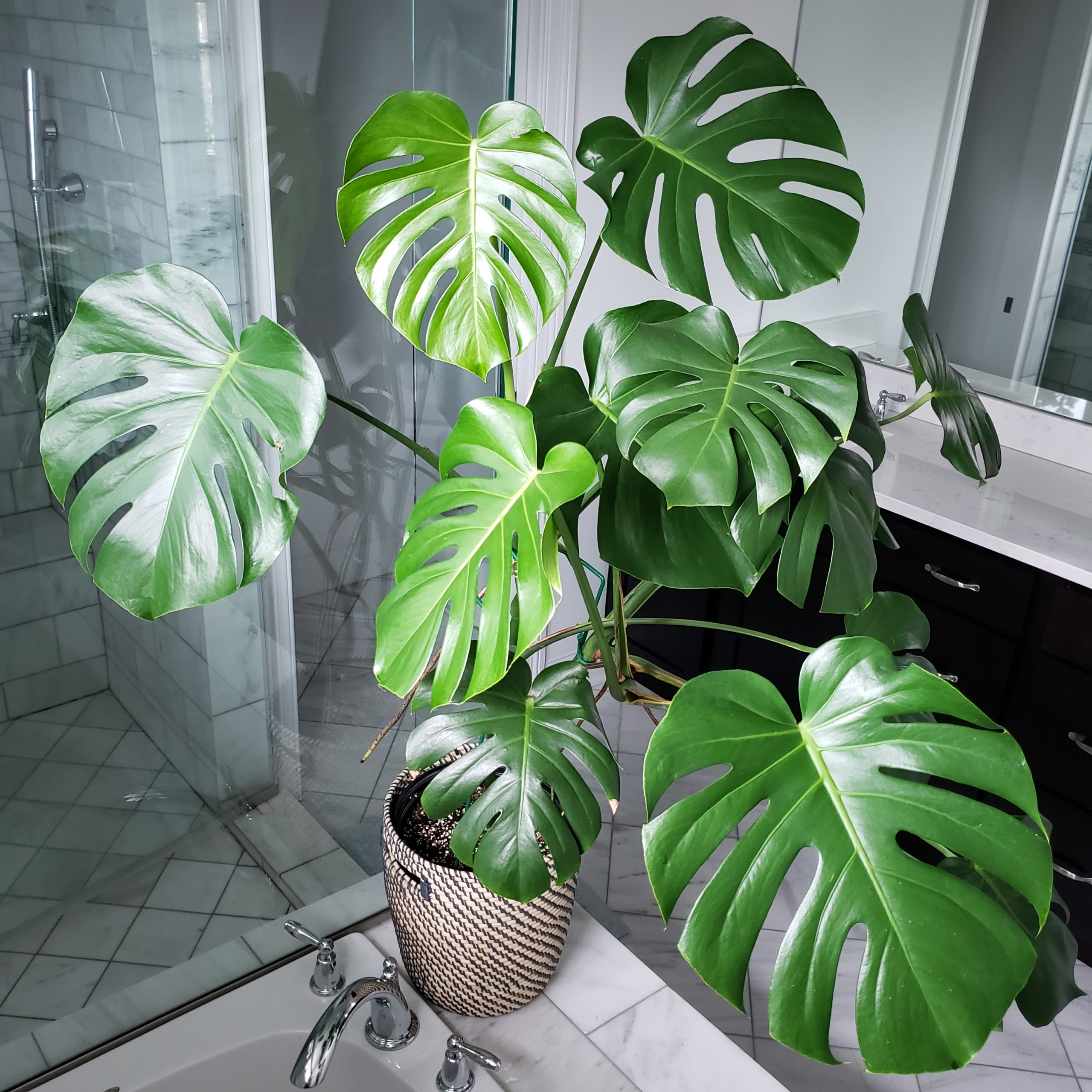
Introduction To Monstera Plant
The Monstera plant is a popular houseplant known for its large, unique leaves. These plants are loved for their striking appearance and easy care. Let’s dive into the world of Monstera plants and explore their history, varieties, and more.
Brief History
The Monstera plant originates from the tropical forests of Central and South America. It thrives under the canopy of taller trees, where it receives indirect sunlight. In the 19th century, European explorers brought these plants back to their homelands. Since then, the Monstera has become a favorite in homes worldwide.
Popular Varieties
There are several popular varieties of Monstera plants. Each has its own unique features:
- Monstera Deliciosa: Known for its large, split leaves.
- Monstera Adansonii: Smaller leaves with distinctive holes.
- Monstera Obliqua: Rare, with very thin and delicate leaves.
Choosing the right Monstera variety depends on your space and personal taste. Below is a table for quick reference:
| Variety | Leaf Size | Unique Feature |
|---|---|---|
| Monstera Deliciosa | Large | Split leaves |
| Monstera Adansonii | Medium | Holes in leaves |
| Monstera Obliqua | Small | Delicate leaves |
Ideal Growing Conditions
The Monstera plant, also known as the Swiss Cheese Plant, is a popular indoor plant. Its unique leaves and easy care make it a favorite. To help your Monstera thrive, it’s important to understand its ideal growing conditions. Let’s delve into the key factors:
Light Requirements
Monstera plants love bright, indirect light. Direct sunlight can burn their leaves. Place your Monstera near a window with filtered light. If you have low light, consider using a grow light. This helps the plant get the light it needs without direct sun exposure.
Temperature And Humidity
Monstera plants thrive in warm temperatures. Ideally, keep the temperature between 65-85°F (18-29°C). Avoid placing the plant near cold drafts or heating vents.
Humidity is also crucial for Monstera plants. They prefer humidity levels of 60% or higher. If your home is dry, use a humidifier or place the plant on a pebble tray with water. This increases the humidity around the plant.
Here’s a quick reference table for ideal growing conditions:
| Condition | Ideal Range |
|---|---|
| Light | Bright, indirect light |
| Temperature | 65-85°F (18-29°C) |
| Humidity | 60% or higher |
By providing the right light, temperature, and humidity, your Monstera plant will flourish. Happy growing!
Soil And Potting Needs
The Monstera plant, also known as the Swiss Cheese Plant, is a popular houseplant. It has unique, perforated leaves that add a touch of the tropics to any home. To ensure your Monstera thrives, it’s important to understand its soil and potting needs.
Best Soil Type
Monstera plants prefer well-draining soil. This helps prevent root rot. A mix of potting soil, peat moss, and perlite works best. Here’s a simple recipe you can follow:
- 2 parts potting soil
- 1 part peat moss
- 1 part perlite
This mix ensures the soil retains enough moisture while allowing excess water to drain away. The peat moss helps to keep the soil slightly acidic, which is ideal for Monstera.
Choosing The Right Pot
The right pot is crucial for your Monstera plant’s health. It should have drainage holes to allow excess water to escape. A pot without holes can lead to waterlogged soil and root rot.
Consider the pot size too. A pot that’s too small will restrict root growth. On the other hand, a pot that’s too large can hold too much moisture. Ideally, choose a pot that’s 2 inches larger in diameter than the current one.
A good rule of thumb is to repot your Monstera every 1-2 years. This gives the plant more room to grow and refreshes the soil.
| Pot Size | Plant Age |
|---|---|
| 6-8 inches | 1-2 years old |
| 8-10 inches | 2-3 years old |
| 10-12 inches | 3+ years old |
Make sure to use a sturdy pot. Monstera can grow large and heavy. A ceramic or terracotta pot provides good support and stability.
Watering And Fertilizing
Proper watering and fertilizing are crucial for a thriving Monstera plant. Understanding the right schedule and nutrient needs can help your plant flourish. Let’s dive into the essentials of watering and fertilizing your Monstera.
Watering Schedule
Monstera plants prefer a consistent watering schedule. Water them once the top inch of soil feels dry. Overwatering can lead to root rot. Ensure the pot has drainage holes. This prevents water from sitting at the bottom.
During warmer months, Monsteras need more frequent watering. In cooler months, reduce the frequency. Always check the soil moisture before watering.
Nutrient Needs
Monsteras benefit from regular fertilizing. Use a balanced, water-soluble fertilizer. Apply it every 4-6 weeks during the growing season. This helps provide essential nutrients for growth.
In the dormant season, reduce or stop fertilizing. Over-fertilizing can harm the plant. Follow the instructions on the fertilizer package. It ensures the correct dosage.
A healthy Monstera has vibrant, large leaves. Proper watering and fertilizing are key to achieving this. Pay attention to your plant’s needs. Your Monstera will reward you with lush growth.
Pruning And Maintenance
Pruning and maintenance are essential for a healthy Monstera plant. Regular care ensures vibrant growth and prevents overgrowth. It also helps in managing the plant’s shape and size. Let’s dive into some key techniques and tips for maintaining your Monstera.
Trimming Techniques
Trimming is a vital part of Monstera care. Start by sterilizing your pruning shears. This prevents disease spread. Next, identify yellow or dead leaves. Snip them close to the stem. For overgrown stems, cut just above a leaf node. This encourages new growth. Always trim in the direction you want the plant to grow. Avoid removing too many leaves at once. This can stress the plant.
Support Structures
Monsteras are climbing plants. They need support to grow properly. Use a moss pole or trellis. Insert the support structure into the pot. Gently tie the plant to the support with soft ties. This helps the plant grow upwards. It also prevents it from sprawling. Check the ties regularly. Ensure they are not too tight. This allows the plant to grow without damage.
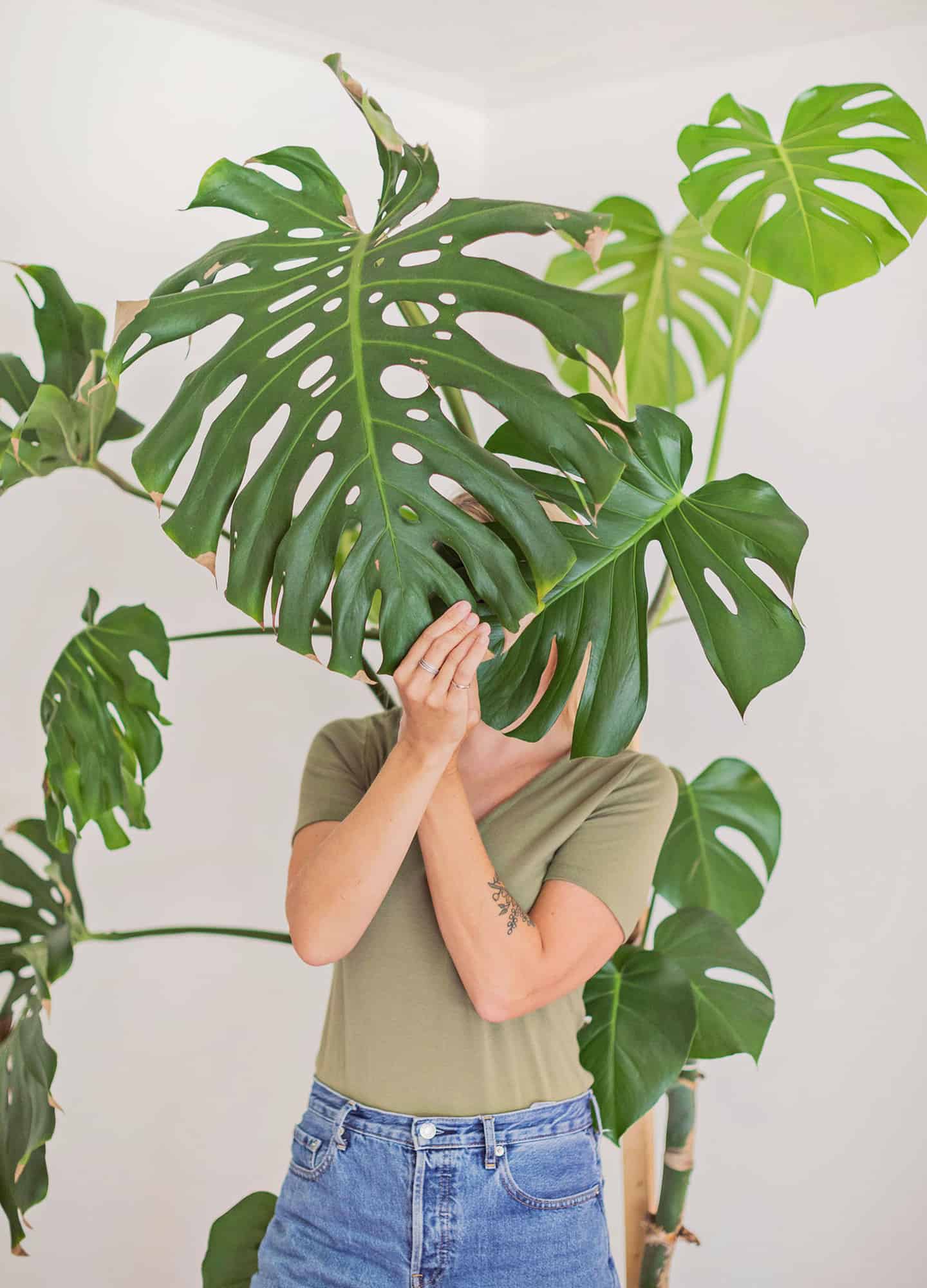
Common Pests And Diseases
The Monstera plant is a popular choice for indoor gardening. It is known for its large, unique leaves. However, like any plant, it can face challenges. Common pests and diseases can threaten its health. Understanding these threats helps keep your Monstera thriving.
Identifying Pests
Knowing the common pests that affect Monstera plants is important. Here are some pests to watch for:
- Spider Mites: Tiny and red, they create webbing on leaves.
- Mealybugs: White and cotton-like, they cluster on stems and leaves.
- Scale Insects: Brown or black, they attach to leaves and stems.
Regularly check your Monstera for these pests. Look at the underside of the leaves. Use a magnifying glass if needed. Early detection makes treatment easier.
Disease Prevention
Preventing diseases is crucial for a healthy Monstera. Here are some tips:
- Avoid Overwatering: Too much water can cause root rot.
- Provide Good Airflow: Ensure air circulates around the plant.
- Clean Leaves: Wipe leaves with a damp cloth to remove dust.
Proper care reduces the risk of diseases. Keep the soil well-drained. Use a pot with drainage holes. Avoid water sitting at the bottom.
Maintaining a clean environment is also important. Remove fallen leaves from the soil. They can attract pests and diseases. A healthy Monstera is less likely to get sick.
Propagation Methods
Propagation of the Monstera plant is an exciting and rewarding process. It’s a great way to expand your indoor garden. There are several methods to propagate this beautiful plant. Here, we will focus on two popular methods: Stem Cuttings and Air Layering.
Stem Cuttings
Stem cuttings are a simple and effective way to propagate Monstera plants. This method involves cutting a piece of the stem with a node. A node is where the roots will grow.
- Start by choosing a healthy stem. Look for one with at least one node.
- Using a clean, sharp knife, cut below the node.
- Place the cutting in water. Ensure the node is submerged.
- Change the water every few days to keep it fresh.
- Once roots form, plant the cutting in soil.
This method is straightforward. It’s perfect for beginners. It allows you to watch the roots grow, which is very satisfying.
Air Layering
Air layering is another effective method to propagate Monstera plants. This technique involves encouraging roots to grow on the plant before cutting it.
- Select a healthy stem with a node.
- Make a small cut on the stem, just below the node.
- Wrap the cut area with moist sphagnum moss.
- Cover the moss with plastic wrap to keep it moist.
- Check the moss regularly. Ensure it stays moist.
- Once roots develop, cut the stem below the new roots.
- Plant the rooted stem in soil.
Air layering is a bit more advanced. It ensures a higher success rate. It’s perfect for those who want to ensure the health of their new plant.
Benefits Of Monstera Plant
The Monstera plant is not just a beautiful addition to your home. It also offers several benefits. From enhancing the look of your space to purifying the air, this plant can be a great choice for any home.
Aesthetic Appeal
The Monstera plant is known for its unique, large leaves. These leaves have natural holes, giving the plant a distinctive look. This makes it a popular choice for home decor. It fits well in any room, adding a touch of nature and elegance.
Many people use Monstera plants to create a tropical vibe. They are versatile and can complement various interior styles. Whether you have a modern, bohemian, or classic decor, the Monstera plant can enhance your space.
Air Purification
Monstera plants are not just pretty. They also improve the air quality in your home. Like other indoor plants, they absorb carbon dioxide and release oxygen. This process can help you breathe easier and feel more refreshed.
The Monstera plant also reduces airborne toxins. It can filter out harmful substances like formaldehyde and benzene. This makes your indoor environment healthier.
In summary, the Monstera plant offers aesthetic appeal and air purification benefits. It’s a great addition to any home.
Frequently Asked Questions
What Is A Monstera Plant?
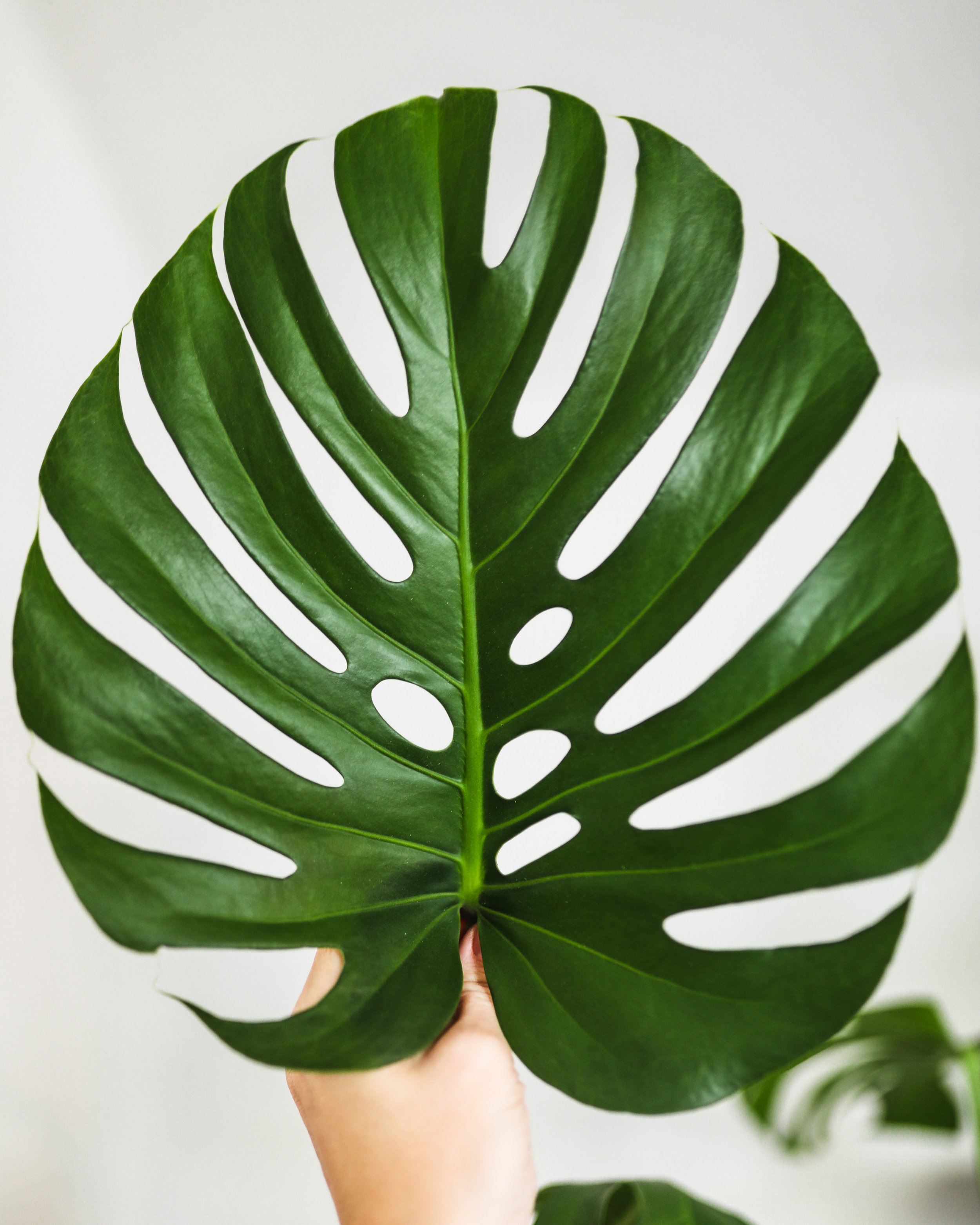
A Monstera plant is a tropical plant, known for its large, split leaves. It is often called the Swiss cheese plant due to its unique foliage.
How Do You Care For A Monstera Plant?
Monstera plants need indirect light, well-draining soil, and regular watering. They thrive in high humidity and benefit from occasional fertilization.
Why Are Monstera Leaves Splitting?
Monstera leaves split to allow light to reach the lower parts of the plant. This natural adaptation helps the plant grow efficiently.
Are Monstera Plants Toxic To Pets?
Yes, Monstera plants are toxic to pets. They contain calcium oxalates, which can cause irritation if ingested by cats or dogs.
Conclusion
The Monstera plant is a great addition to any home. Its unique leaves add beauty and charm. It requires simple care and grows well indoors. Perfect for both plant lovers and beginners. With a bit of attention, it will thrive and grow.
Enjoy the natural beauty it brings to your space.
Leave a Reply