Monstera plants are popular indoor plants. Their unique leaves and easy care attract many plant lovers.
But what exactly are Monstera plants good for? Monstera plants, also known as Swiss cheese plants, offer more than just beauty. Their large, glossy leaves can enhance any living space, making it feel more vibrant and alive. These plants also help purify the air, removing toxins and improving indoor air quality.
Monstera plants are low-maintenance, which makes them perfect for both novice and experienced plant parents. Whether you want to brighten up your home or improve your indoor environment, Monstera plants can be a great choice. Let’s explore their benefits in detail.

Introduction To Monstera
Monstera is a popular houseplant. It is known for its large, unique leaves. Many people love it for its beauty and easy care. This plant adds a touch of green to any room. Let’s explore its origin and different varieties.
Origin And History
Monstera comes from the tropical forests of Central America. It grows in countries like Mexico and Panama. The name Monstera means “monstrous” in Latin. This name comes from its large leaves with natural holes. These holes help the plant survive strong winds in the wild. Monstera has been a favorite plant for many years. It first became popular in the 19th century. Today, it is still a top choice for houseplant lovers.
Popular Varieties
There are several popular Monstera varieties. Each has its own unique features.
- Monstera Deliciosa: This is the most common type. It has large, split leaves.
- Monstera Adansonii: Also called the Swiss Cheese Plant. It has smaller leaves with many holes.
- Monstera Obliqua: Rare and hard to find. It has very thin leaves with large holes.
- Monstera Borsigiana: A smaller version of Monstera Deliciosa. It grows faster and takes up less space.
Each variety brings a unique look to your home. Choose the one that fits your style best.
Aesthetic Appeal
The Monstera plant has become a staple in home decor. Its aesthetic appeal is undeniable. With large, glossy leaves, it adds a touch of nature indoors. Let’s explore how Monstera enhances interior beauty.
Decorative Foliage
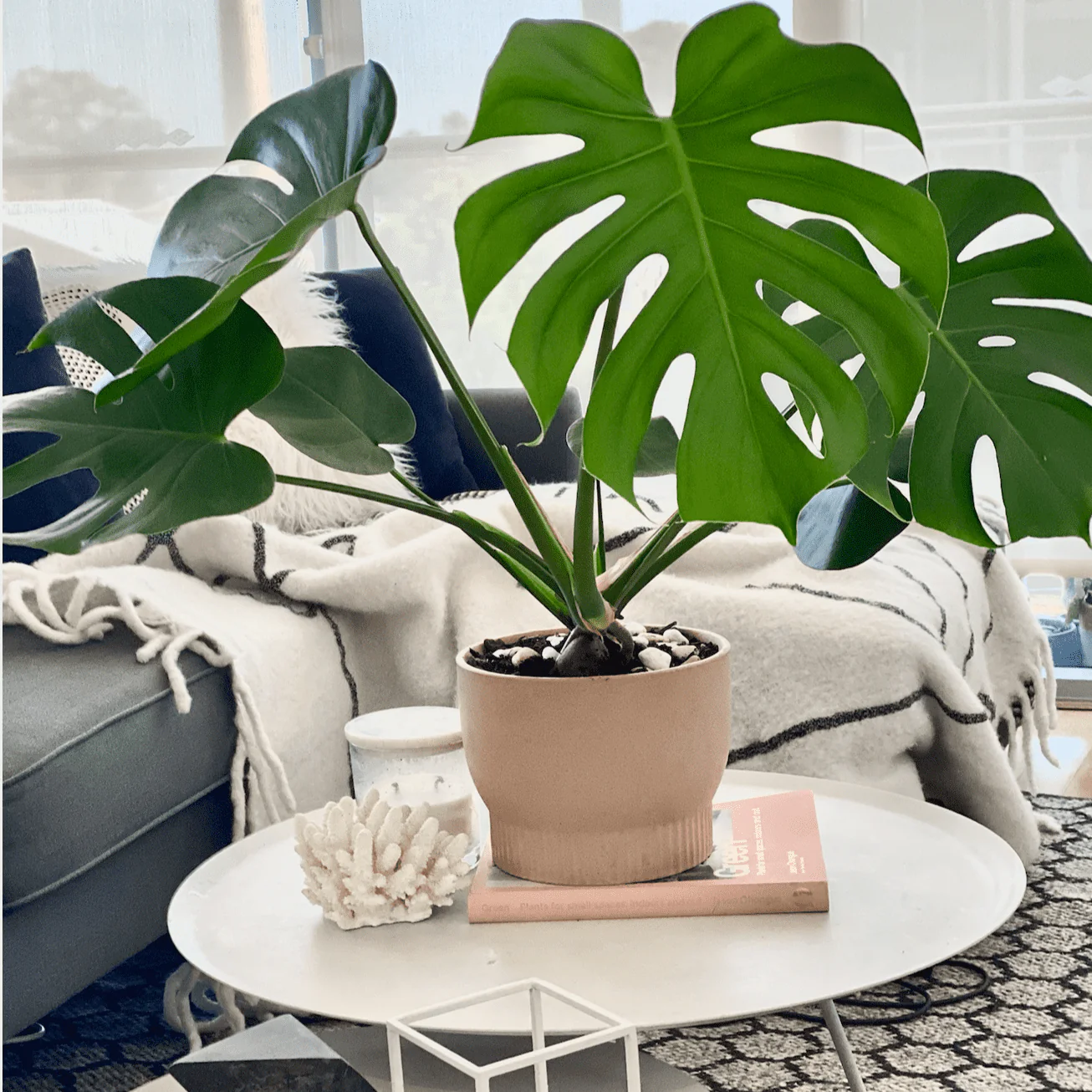
Monstera leaves are unique. They have natural splits and holes. This gives them a distinct look. The deep green color of the leaves is soothing. It complements various decor styles. You can place them in pots or vases. They look stunning either way.
| Feature | Benefit |
|---|---|
| Large Leaves | Creates a bold statement |
| Natural Splits | Adds texture and depth |
| Deep Green Color | Brings a calming effect |
Interior Design Trends
Monstera is trending in interior design. It’s often seen in magazines and blogs. Designers love its versatility. It fits in modern and rustic homes alike. The plant pairs well with wood and metal.
- Place Monstera in a corner for a lush look.
- Use it as a centerpiece on tables.
- Combine with other plants for a mini jungle.
The Monstera plant is easy to care for. It thrives in indirect light. This makes it ideal for indoor spaces. Its popularity continues to rise. Many homeowners are opting for Monstera to elevate their home decor.
Air Purification
Monstera plants are not just beautiful; they also help purify the air. With their large, lush leaves, they can improve indoor air quality in your home or office. Let’s explore how Monstera plants contribute to air purification.
Toxin Removal
Monstera plants are effective in removing toxins from the air. They can absorb harmful chemicals like formaldehyde, benzene, and trichloroethylene. These toxins come from common household items. For example, cleaning products, paints, and furniture. By removing these toxins, Monstera plants help create a healthier environment.
Improving Air Quality
Monstera plants also improve overall air quality. Their large leaves can trap dust and other particles. This reduces the amount of airborne pollutants. Additionally, Monstera plants release oxygen into the air. This increases the oxygen level in your indoor space. Better air quality means better health and comfort for you and your family.
| Benefits of Monstera Plants | Details |
|---|---|
| Toxin Removal | Absorbs formaldehyde, benzene, trichloroethylene |
| Dust Trapping | Reduces airborne pollutants |
| Oxygen Release | Increases indoor oxygen levels |
Health Benefits
Monstera plants are not just beautiful, they also offer several health benefits. Adding a Monstera to your home or office can improve your well-being in many ways.
Stress Reduction
Monstera plants help reduce stress. Their large, green leaves have a calming effect. This is because they remind us of nature.
Studies show that being around plants can lower stress levels. Monstera plants, with their unique appearance, are particularly effective. They bring a touch of the outdoors inside. This helps create a peaceful environment.
Here are some ways Monstera plants can reduce stress:
- They improve air quality, making it easier to breathe.
- They provide a soothing visual experience.
- They require care, which can be a relaxing activity.
Enhanced Mental Well-being
Monstera plants also boost mental well-being. They can make you feel happier and more relaxed.
Research shows that indoor plants can enhance focus and productivity. Monstera plants, with their striking appearance, can be particularly uplifting.
Here are some benefits to mental health:
- They can reduce symptoms of anxiety and depression.
- They improve mood and emotional well-being.
- They provide a sense of accomplishment when cared for.
Adding a Monstera plant to your space can make a big difference. It’s a simple way to improve your mental health.
Easy Maintenance
Monstera plants are popular for their unique look and easy maintenance. These plants thrive with minimal attention, making them perfect for busy individuals. Let’s explore how Monstera’s care requirements make it a hassle-free plant.
Low Light Tolerance
Monsteras can grow well in low light conditions. They do not need direct sunlight. Indirect light from a window is enough. This makes them suitable for rooms with limited natural light.
Minimal Watering Needs
Monstera plants do not need frequent watering. Water them once the top inch of soil is dry. Overwatering can harm the plant. It is better to underwater than to overwater.
Versatile Placement
The Monstera plant is known for its striking appearance and versatility. Its large, glossy leaves make it a great addition to various spaces. You can place it in different rooms to enhance the decor. Its adaptability and low-maintenance nature make it a popular choice for many.
Living Room Decor
In the living room, a Monstera can be a focal point. Place it in a corner to fill empty space. Its lush green leaves add a touch of nature indoors. It pairs well with modern and traditional furniture. A Monstera plant can create a tropical vibe. Use a decorative pot to complement your decor.
Office Spaces
A Monstera plant can also brighten up your office. It improves air quality and adds a touch of green. Place it near your desk for a refreshing look. Its presence can reduce stress and increase productivity. A Monstera plant fits well in both small and large offices. Choose a spot with indirect sunlight for best growth.
Propagation Methods
Propagation Methods for Monstera plants are essential for expanding your indoor jungle. These methods allow you to grow new plants from a healthy Monstera. Two popular methods include Stem Cuttings and Air Layering. Each method has its advantages and steps to follow. Let’s dive into these techniques.
Stem Cuttings
Stem cuttings are a straightforward propagation method. Follow these steps to achieve success:
- Identify a healthy stem with at least one node.
- Use a clean, sharp knife or scissors to cut below the node.
- Remove any lower leaves, leaving the top few intact.
- Place the cutting in water or moist soil.
- Ensure it receives indirect sunlight and keep the soil moist.
- Roots should appear in a few weeks. Then, transplant to a larger pot.
Regular monitoring ensures healthy growth. Stem cuttings are ideal for beginners. They offer a high success rate.
Air Layering
Air layering is another effective propagation method. It involves creating a new root system while the stem is still attached to the parent plant. Here’s how to do it:
- Select a healthy stem and make a small cut or remove a section of bark.
- Apply rooting hormone to the exposed area.
- Wrap moist sphagnum moss around the cut area.
- Cover the moss with plastic wrap to retain moisture.
- Secure the plastic wrap with twist ties or string.
- Check the moss regularly to ensure it remains moist.
- After a few weeks, roots should develop inside the moss.
- Cut below the new roots and plant the new Monstera in soil.
This method is more complex but yields strong, healthy plants. Air layering is perfect for those with some experience in plant propagation.
Both Stem Cuttings and Air Layering are effective methods for propagating Monstera plants. Choose the method that best suits your skill level and patience. Happy planting!
Common Issues And Solutions
Monstera plants are popular for their beautiful, unique leaves. Yet, they can face several common issues. These problems can affect their health and appearance. Below are some common issues and solutions for your Monstera plant.
Pest Control
Pests like spider mites, mealybugs, and aphids can attack Monstera plants. These pests suck the sap, weakening the plant. Check your plant regularly for signs of pests. Look for tiny bugs or webbing on the leaves.
To control pests, wipe the leaves with a damp cloth. Use insecticidal soap or neem oil if pests persist. Ensure proper air circulation around the plant. This helps prevent pests from taking hold.
Preventing Leaf Yellowing
Yellow leaves can indicate various issues. Overwatering is a common cause. Check the soil before watering. The top inch should be dry. Water less frequently if the soil is still moist.
Underwatering can also cause yellow leaves. Ensure your plant gets enough water. Look for other signs of stress, like drooping leaves. Adjust your watering schedule accordingly.
Improper lighting can lead to yellow leaves. Monstera plants prefer bright, indirect light. Too much direct sunlight can scorch the leaves. Too little light can cause yellowing. Place your plant near a bright window with filtered light.
Fertilizer issues may cause yellow leaves. Use a balanced, water-soluble fertilizer. Apply it once a month during the growing season. Avoid over-fertilizing, which can burn the roots.

Frequently Asked Questions
What Are The Benefits Of Monstera?
Monstera plants improve air quality by filtering toxins. They add aesthetic value to your space and can boost mood. Their large leaves also help increase humidity, benefiting other indoor plants.
Is Monstera Good For Indoor Spaces?
Yes, Monstera is ideal for indoor spaces. It thrives in indirect light and is low-maintenance. Its unique foliage adds a tropical touch to interiors.
Does Monstera Purify The Air?
Yes, Monstera plants are known for their air-purifying abilities. They remove harmful toxins from the air, making your environment healthier.
How Does Monstera Improve Home Decor?
Monstera’s striking leaves add a bold, tropical vibe to any room. Its lush greenery complements various interior design styles, enhancing aesthetic appeal.
Conclusion
Monstera plants offer great benefits. They improve air quality and add beauty. Caring for them is simple. They thrive in low light. Their unique leaves make them popular. Many people enjoy having them at home. Monstera plants can uplift your mood.
Perfect for indoor gardening enthusiasts. Consider adding one to your space. Enjoy the many advantages they bring.
Leave a Reply