Monstera fruit, also known as Swiss cheese plant fruit, is intriguing. It’s a rare, tropical delight with a unique appearance and taste.
This fruit, a product of the Monstera deliciosa plant, has captured the curiosity of many. With its scaly green exterior and deliciously sweet flavor, it offers a taste of the exotic. Often found in tropical regions, Monstera fruit is not just a visual marvel but also a culinary treat.
Its blend of pineapple, banana, and mango flavors makes it a hit among fruit enthusiasts. Whether you’re a food lover or a plant aficionado, understanding Monstera fruit can open up a new world of taste and wonder. Dive in to learn more about this fascinating fruit!
Introduction To Monstera Fruit
Monstera fruit, also known as Swiss cheese plant fruit, is an exotic tropical delicacy. The fruit has a unique, sweet flavor resembling a mix of pineapple and banana.
The Monstera fruit is also known as “Mexican breadfruit.” It comes from the Monstera deliciosa plant. This fruit is popular for its unique taste and texture. Imagine a blend of pineapple, banana, and mango. Intriguing, right? Many people are curious about this exotic fruit. Its appearance is as fascinating as its flavor. The fruit looks like a green corn cob. But what is its story? Let’s dive into the history and origins of Monstera fruit.Brief History
The Monstera deliciosa plant has a long history. It has been part of traditional diets in Central America. Ancient cultures cherished this fruit for its unique taste. They also used it for its nutritional benefits. Over time, the Monstera fruit spread to different parts of the world. Today, it is a popular delicacy in many countries. People appreciate its delicious flavor and health benefits. The fruit has become a favorite in many tropical regions.Origin And Habitat
Monstera deliciosa originates from the tropical rainforests of Central America. It thrives in the humid, warm climate of these regions. The plant grows naturally in countries like Mexico, Panama, and Costa Rica. In its natural habitat, the plant climbs on trees. It uses aerial roots to anchor itself. The dense forest provides the perfect environment for growth. Today, Monstera deliciosa is also cultivated in many tropical and subtropical regions. Gardeners grow it for its stunning leaves and tasty fruit. The plant has adapted well to different environments. It is now a beloved plant around the world. “`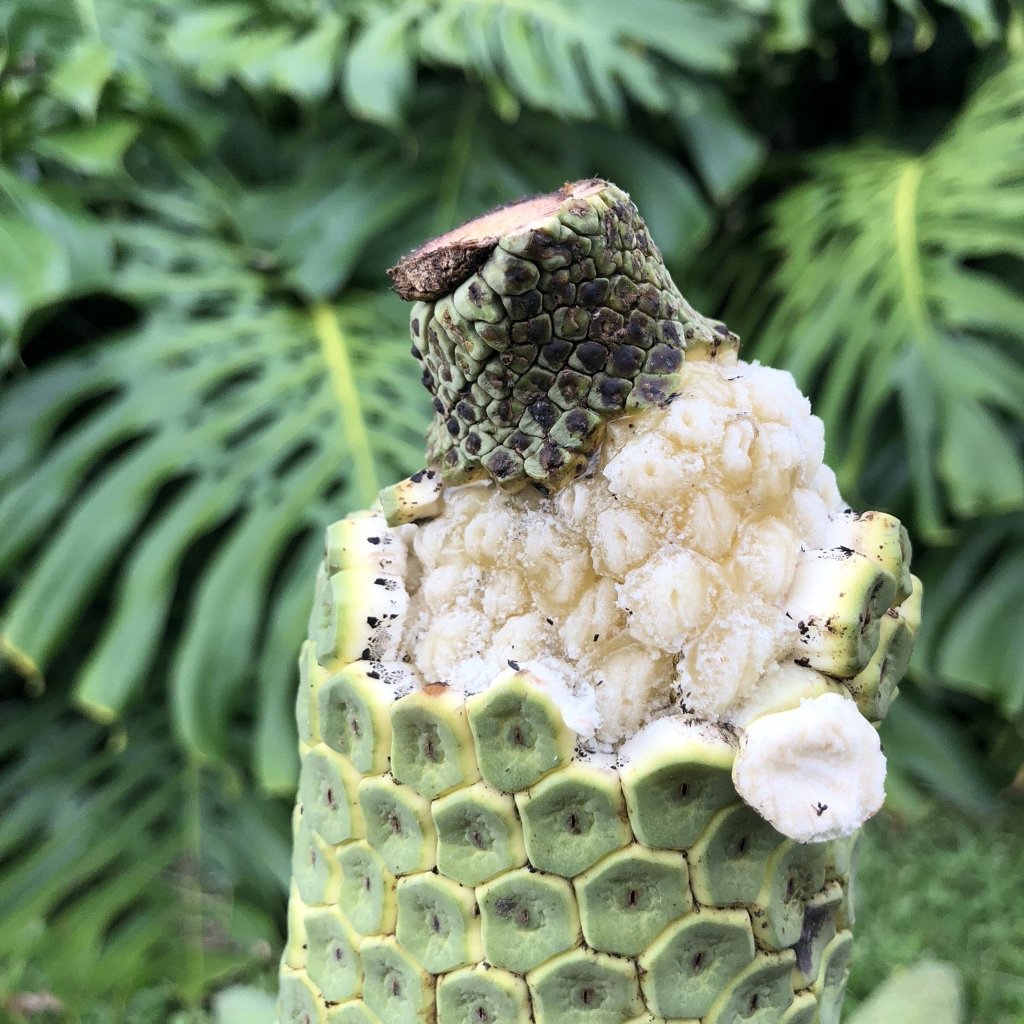
Physical Characteristics
Monstera fruit, also known as Monstera deliciosa or the Swiss cheese plant fruit, is a unique tropical delight. Its physical characteristics are fascinating and worth exploring. Let’s dive into its appearance, texture, and size.
Appearance
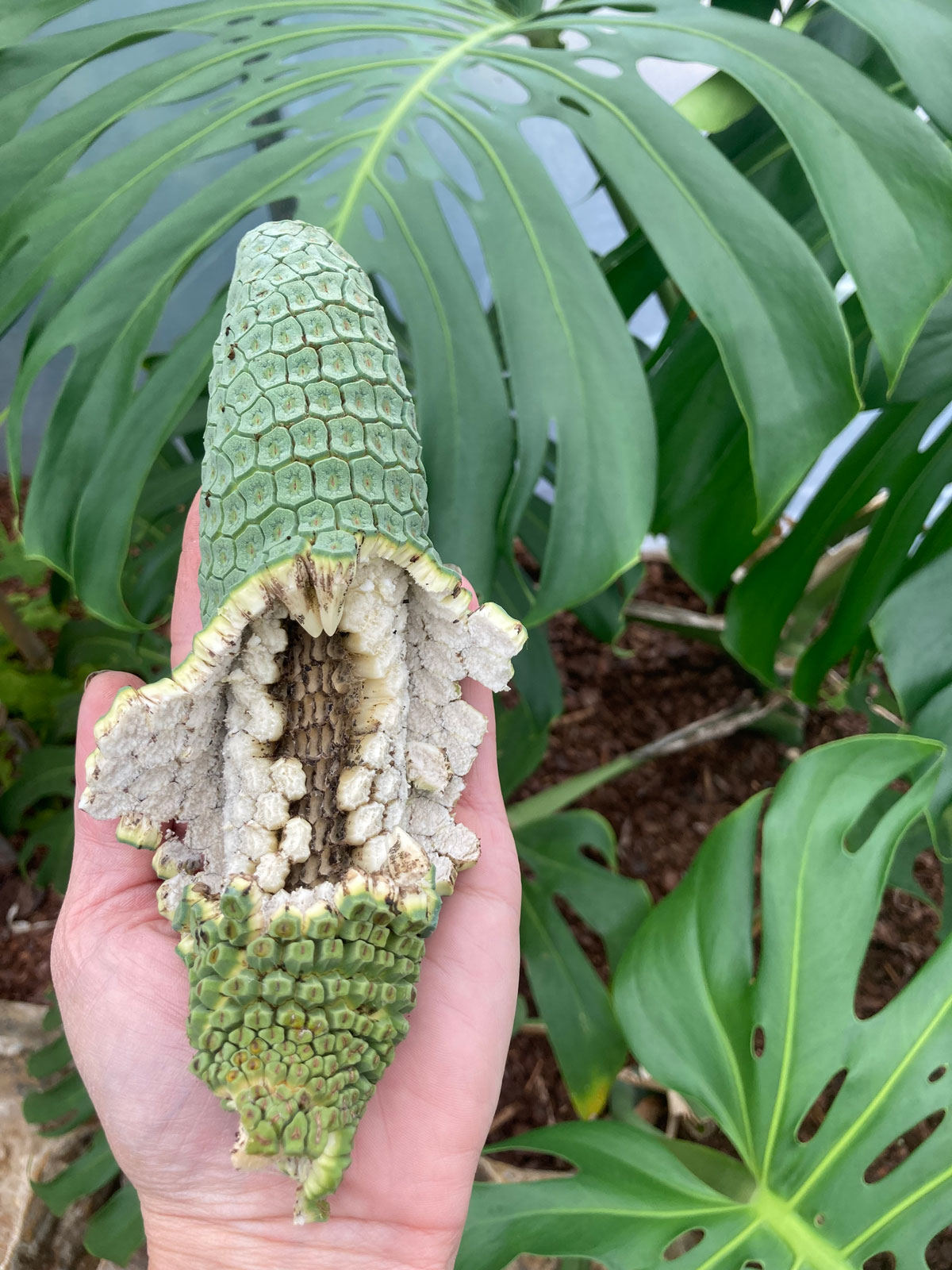
The Monstera fruit looks like a green ear of corn. It has hexagonal scales that cover its surface. As the fruit ripens, these scales fall off, revealing the edible flesh underneath.
Texture And Size
The texture of Monstera fruit is similar to a pineapple. It’s juicy and slightly fibrous. The size of the fruit can vary. Generally, it grows to about nine inches long. The flesh inside is creamy and white, with a sweet, tropical taste.
Nutritional Benefits
Monstera fruit, also known as the Swiss cheese plant fruit, offers rich vitamin C and fiber content. Its nutrients support immune health and digestion.
Monstera fruit, also known as the Mexican breadfruit, is not only delicious but packed with nutritional benefits. This exotic fruit offers a variety of vitamins and minerals that promote overall health. Its unique combination of nutrients makes it a valuable addition to your diet.Vitamins And Minerals
Monstera fruit is rich in vitamins like vitamin C, which boosts the immune system. It also contains vitamin B6, essential for brain health and metabolism. The fruit provides an excellent source of potassium, supporting heart health and muscle function. Additionally, Monstera fruit is a good source of dietary fiber, aiding digestion and maintaining a healthy gut.Health Advantages
Eating Monstera fruit can improve your skin health due to its high vitamin C content. This vitamin also helps in collagen production. The presence of antioxidants in the fruit helps fight free radicals, reducing the risk of chronic diseases. Monstera fruit’s fiber content aids in digestion and prevents constipation. The potassium in the fruit helps regulate blood pressure, promoting heart health. Its vitamin B6 content supports brain function, enhancing mental clarity and reducing stress.
How To Identify Ripe Monstera Fruit
Monstera fruit, also known as “ceriman” or “Mexican breadfruit,” is a tropical delicacy. Identifying ripe monstera fruit is crucial for a tasty and safe experience. This section will guide you on how to spot a ripe monstera fruit.
Signs Of Ripeness
A ripe monstera fruit has several distinct signs. The following points will help you identify them:
- Color: The fruit turns from green to a yellow-green hue.
- Texture: The scales (or “tiles”) start to lift away from the flesh.
- Aroma: A sweet and fruity smell emanates from the fruit.
- Softness: The fruit feels soft to the touch, not hard.
These signs indicate that the fruit is ready to eat. Always check these indicators before consuming.
Avoiding Unripe Fruit
Unripe monstera fruit can be harmful. Avoid consuming it by following these tips:
- Color: Unripe fruit is completely green.
- Texture: The scales are tightly bound and do not lift easily.
- Aroma: There is little to no smell.
- Hardness: The fruit is firm and hard.
Eating unripe fruit can cause irritation. Always ensure the fruit is ripe and soft.
Flavor Profile
The Monstera Fruit is not only fascinating in its appearance but also in its taste. This section will explore the unique flavor profile of this tropical fruit.
Taste Description
The taste of Monstera Fruit is often described as a blend of multiple fruits. It has a sweet and creamy flavor with a hint of tartness. Some say it reminds them of pineapple and banana.
When you first bite into it, the fruit has a juicy texture. The sweetness is balanced with a slight tang, making it refreshing. The fruit’s flesh is soft and easy to eat.
Comparisons With Other Fruits
| Fruit | Similarity |
|---|---|
| Pineapple | Sweetness and slight tanginess |
| Banana | Creamy texture and sweetness |
| Mango | Juicy and tropical flavor |
Compared to pineapple, the Monstera Fruit is less acidic. It’s also creamier, similar to a ripe banana. The tropical taste is akin to that of a mango, but with a more complex flavor profile.
Overall, the Monstera Fruit offers a delightful combination of flavors. It stands out with its unique blend of sweetness and tanginess.
Culinary Uses
Monstera fruit, known for its unique flavor, has various culinary uses. Its taste combines pineapple, banana, and mango. This makes it a delightful ingredient in various dishes. Let’s explore how you can use this exotic fruit in your kitchen.
Recipes And Dishes
Monstera fruit can be used in many recipes. Here are a few ideas:
- Smoothies: Blend Monstera fruit with yogurt, honey, and ice for a refreshing drink.
- Fruit Salads: Add Monstera fruit to a mix of berries, kiwi, and citrus for a tropical twist.
- Salsas: Combine diced Monstera fruit, tomatoes, onions, and cilantro for a unique salsa.
- Ice Cream: Mix Monstera fruit puree into your favorite ice cream base for a fruity dessert.
Pairing With Other Ingredients
Monstera fruit pairs well with various ingredients. Here are some ideas:
| Ingredient | Pairing Idea |
|---|---|
| Yogurt | Mix Monstera fruit with yogurt for a creamy snack. |
| Citrus Fruits | Combine with oranges or lemons for a zesty salad. |
| Spices | Use cinnamon or nutmeg to enhance the fruit’s flavor. |
| Herbs | Mint or basil can add a fresh touch to Monstera dishes. |
Experimenting with Monstera fruit in your cooking can lead to delightful results. This exotic fruit can make your dishes stand out with its unique taste and versatility.
Harvesting And Storage
Knowing how to harvest and store Monstera fruit is essential. Proper techniques ensure you enjoy its unique flavor. Let’s dive into the methods and tips for harvesting and storing Monstera fruit.
Proper Harvesting Techniques
Monstera fruit is ready to harvest when its green scales start to separate. Harvesting at the right time is key.
- Look for fruit with slightly separated scales.
- Use a clean, sharp knife to cut the fruit from the plant.
- Be gentle to avoid bruising the fruit.
Avoid picking fruit that is still fully green. These will not ripen properly.
Storage Tips
Proper storage preserves the freshness of Monstera fruit. Follow these tips:
- Wrap the harvested fruit in a paper towel.
- Place it in a cool, dry place. Avoid direct sunlight.
- Check the fruit daily. Remove scales as they loosen.
- Consume the fruit within a week for best flavor.
Do not refrigerate unripe Monstera fruit. It will affect its taste and texture.
Proper harvesting and storage ensure you enjoy the delicious Monstera fruit at its best.
Potential Risks And Precautions
Monstera fruit, also known as the Mexican breadfruit, can be a delightful treat. However, there are potential risks and precautions you should be aware of before consuming it. Proper handling and awareness can help you enjoy this exotic fruit safely.
Allergic Reactions
Some individuals may experience allergic reactions to Monstera fruit. Symptoms can include itching, swelling, or redness. If you have a history of food allergies, exercise caution. Try a small amount first to see how your body reacts.
Handling Unripe Fruit
Unripe Monstera fruit contains high levels of oxalic acid. This can cause irritation and discomfort in your mouth and throat. Always ensure the fruit is fully ripe before consuming. The fruit should be soft and the scales should easily fall off. If the fruit is hard or the scales are difficult to remove, it is not ready to eat.
Cultural Significance
The Monstera fruit, also known as the Swiss cheese fruit, holds a special place in various cultures. Its unique appearance and delightful taste are celebrated in different regions. Beyond its culinary uses, Monstera fruit is steeped in cultural traditions and symbolism.
Traditional Uses
In many tropical regions, Monstera fruit is a staple in traditional dishes. People often use it in salads, desserts, and beverages. Its sweet and tangy flavor adds a tropical twist to many recipes.
For instance, in Caribbean cultures, Monstera fruit is combined with other local fruits to create refreshing drinks. In Central America, it’s a popular ingredient in fruit salads and salsas. The fruit’s versatility in traditional cuisine highlights its importance in daily life.
Symbolism
The Monstera plant, including its fruit, symbolizes growth and prosperity. Its large, lush leaves represent abundance and wealth. In some cultures, gifting a Monstera plant or its fruit is a sign of good fortune.
Additionally, the fruit is often used in ceremonies and rituals. It is believed to bring positive energy and ward off negativity. The Monstera fruit’s significance goes beyond its taste, embedding itself deeply in cultural traditions.

Frequently Asked Questions
What Is Monstera Fruit?
Monstera fruit is an exotic tropical fruit known for its unique taste. It is also called the Swiss cheese plant fruit. The fruit has a sweet, pineapple-like flavor.
Is Monstera Fruit Safe To Eat?
Yes, Monstera fruit is safe to eat when fully ripe. Unripe Monstera fruit can be toxic and cause irritation. Ensure it is fully ripened before consumption.
How To Eat Monstera Fruit?
Peel off the scales of the Monstera fruit to reveal the flesh. Eat the juicy, sweet flesh inside. Avoid consuming any unripe parts.
What Does Monstera Fruit Taste Like?
Monstera fruit has a tropical, sweet flavor similar to pineapple and banana. Its taste is very unique and delicious.
Conclusion
Monstera fruit is a unique and tasty tropical treat. Its exotic flavor combines pineapple, banana, and mango, making it delightful. Rich in vitamins and antioxidants, it benefits your health. Remember to eat it ripe to avoid irritation. Trying Monstera fruit can be a fun culinary adventure.
So, next time you see one, don’t hesitate to give it a try. Enjoy the taste and health benefits it offers.
Leave a Reply