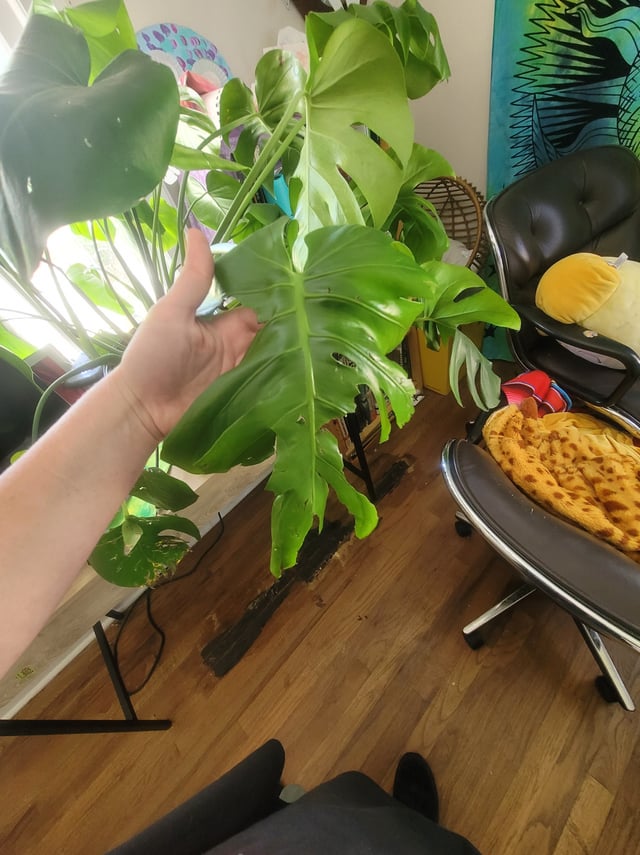
If a cat eats Monstera, it can experience health issues. Monstera plants are toxic to cats due to calcium oxalate crystals.
Cats are naturally curious and may nibble on houseplants. While Monstera plants are popular for their unique appearance, they pose a danger to our feline friends. When a cat chews on Monstera leaves, the plant releases tiny, sharp crystals. These can cause severe irritation in the cat’s mouth, throat, and stomach.
Symptoms may include drooling, difficulty swallowing, and vomiting. Understanding the risks associated with Monstera plants can help keep your cat safe. In this blog post, we’ll explore what happens if your cat eats Monstera, the symptoms to watch for, and steps to take if your cat ingests this plant.
Introduction To Monstera And Cats
Many cat owners love having houseplants. They make homes look beautiful. The Monstera plant is popular. It has big, green leaves. But, what if a cat eats Monstera? This question worries many. Understanding the risks is important.
Common Houseplants
Houseplants come in many types. Some of the most common are:
- Monstera
- Spider Plant
- Aloe Vera
- Pothos
- Snake Plant
These plants look great. But, they can be harmful to pets. Knowing which plants are safe is key.
Why Cats Are Attracted
Cats are curious. They love to explore. This includes nibbling on plants. There are a few reasons why:
- Texture: Cats like the feel of leaves.
- Movement: Plants sway and catch their eye.
- Taste: Some cats enjoy the taste of leaves.
Keeping plants out of reach helps. But, it is not always possible. Understanding which plants are toxic is vital.
Toxicity Of Monstera
The toxicity of Monstera plants can be harmful to cats. Monstera deliciosa, commonly known as the Swiss Cheese Plant, contains toxic components that pose a risk to your feline friend. Understanding these components and their effects on cats is crucial for pet owners.
Toxic Components
Monstera plants contain calcium oxalate crystals. These needle-shaped crystals are present in the leaves and stems. When a cat chews on the plant, the crystals can penetrate the tissues in their mouth and throat.
Calcium oxalate crystals cause immediate pain and irritation. They are also present in other common houseplants like philodendrons and peace lilies.
Effects On Cats
If a cat eats a Monstera plant, it will experience severe symptoms. The most common effects include:
- Intense burning in the mouth
- Swelling of the tongue and lips
- Excessive drooling
- Difficulty swallowing
- Vomiting
In some cases, the cat may show signs of difficulty breathing. This is due to the swelling and pain in the throat area. Immediate veterinary attention is crucial to prevent further complications.
Let’s summarize the main symptoms in a table for quick reference:
| Symptom | Description |
|---|---|
| Burning Sensation | Intense pain in the mouth |
| Swelling | Swollen tongue and lips |
| Drooling | Excessive saliva production |
| Vomiting | Expulsion of stomach contents |
| Difficulty Swallowing | Pain and swelling in throat |
Being aware of these symptoms can help you act quickly. If you suspect your cat has ingested Monstera, seek veterinary care immediately.
Symptoms Of Monstera Poisoning
Monstera plants are beautiful, but they can harm your cat. Cats are curious creatures and might chew on the leaves. This can lead to poisoning. Knowing the symptoms helps you act quickly. Let’s dive into the immediate and delayed reactions.
Immediate Symptoms
If your cat eats Monstera, you may notice signs right away. Drooling is common. This happens because the plant’s chemicals irritate the mouth. Your cat might paw at its face. This shows discomfort. Swelling of the mouth, tongue, and lips can also occur. Your cat may have trouble swallowing. Vomiting can start soon after ingestion.
Delayed Reactions
Some symptoms take longer to appear. Your cat might show signs hours later. Look for decreased appetite. Your cat might not want to eat. Lethargy is another sign. Your usually active cat might seem tired. Diarrhea can develop. Keep an eye out for these delayed reactions. They are just as serious.

First Aid Measures
If your cat eats a Monstera plant, act quickly to ensure their safety. Monstera plants can be toxic to cats. The leaves contain calcium oxalate crystals. These can cause severe discomfort and health issues. Here are the first aid measures you should take.
Initial Steps
First, remove any plant material from your cat’s mouth. Use a damp cloth to wipe their mouth. This helps remove any remaining plant particles. Check for symptoms like drooling, vomiting, or pawing at the mouth.
Next, keep your cat calm. Stress can worsen symptoms. Isolate the cat from other pets and distractions. Provide fresh water for your cat to drink. This can help dilute the toxins.
If your cat shows severe symptoms, contact your vet immediately. Continue to monitor their condition closely.
When To Visit The Vet
Some signs indicate the need for immediate veterinary care. Persistent vomiting, difficulty breathing, or swelling of the mouth are red flags. If you see these symptoms, go to the vet right away.
Your vet may perform a physical exam. They might also run blood tests to check for internal damage. Early treatment can prevent serious complications.
For mild symptoms, your vet may suggest home care. Follow their advice strictly. Regular check-ups can ensure your cat recovers fully.
Veterinary Treatments
If a cat eats Monstera, immediate veterinary attention is crucial. The plant contains toxic compounds that can harm your pet. Veterinary treatments help to manage symptoms and ensure recovery.
Diagnosis
The vet will first conduct a thorough examination. They might ask about your cat’s symptoms and any recent exposure to plants. Blood tests and imaging may be needed to confirm the diagnosis. The goal is to identify the severity of poisoning.
Treatment Options
After diagnosing, the vet will suggest treatment options. They may induce vomiting to remove plant material from the stomach. Activated charcoal might be used to prevent further absorption of toxins. Intravenous fluids can help to flush out the toxins from the body.
Pain relief and anti-inflammatory medications can ease discomfort. In severe cases, hospitalization may be required. Continuous monitoring ensures the cat’s condition improves.
Preventing Access To Monstera
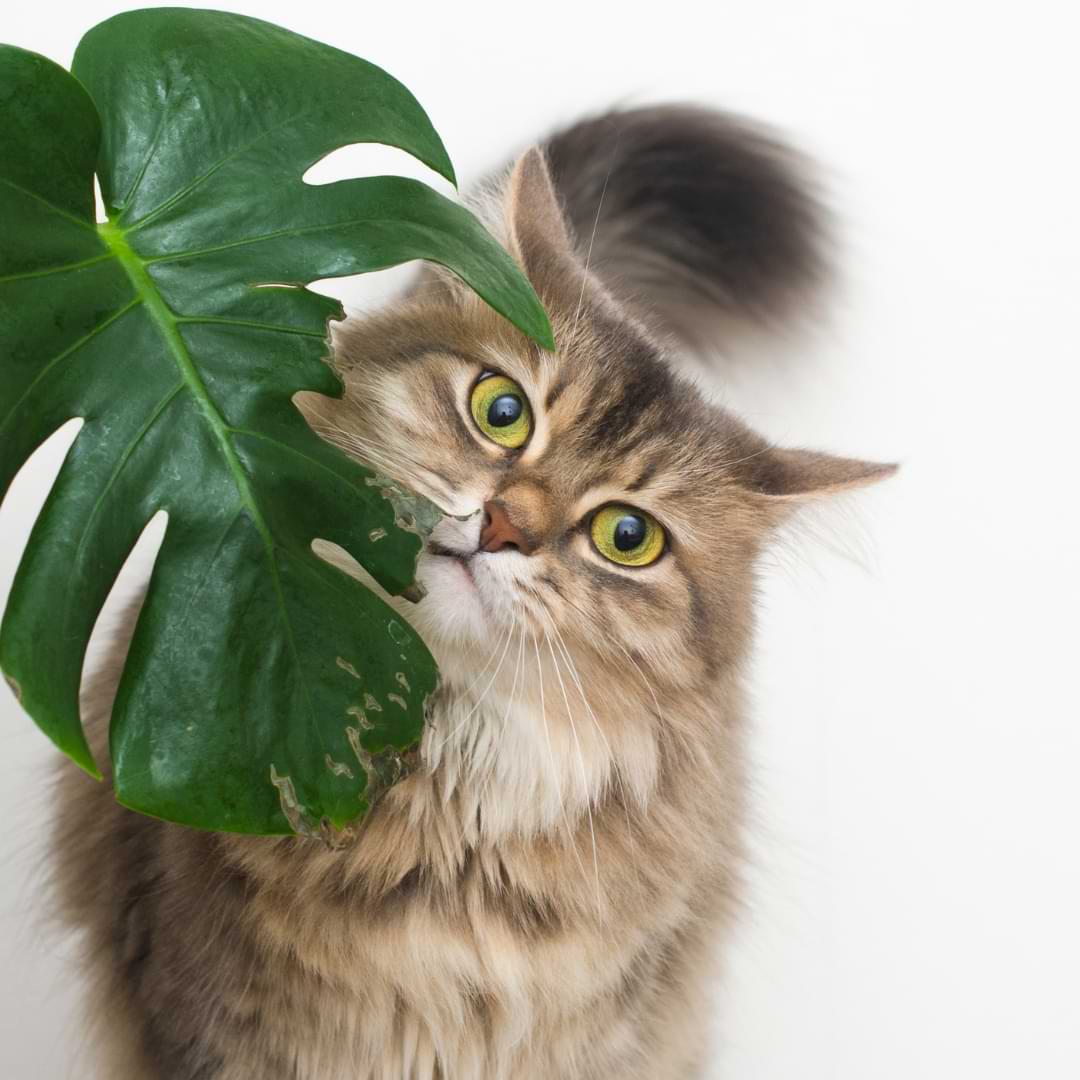
Cats eating Monstera leaves can lead to vomiting, drooling, and mouth irritation. Prevent access to protect your pet’s health.
Ensuring your cat does not eat Monstera plants is important. Monstera can be toxic to cats. Taking preventive steps can keep your pet safe.Cat-proofing Tips
Place Monstera plants on high shelves. Cats cannot reach plants placed there. Use plant hangers to keep them out of reach. Consider using deterrent sprays. These sprays have a scent cats dislike. Apply the spray to the Monstera leaves. Cats will avoid the plant. Use barriers around your plants. Decorative fences or wire mesh can work. These barriers stop your cat from accessing the plant.Safe Plant Alternatives
Choose non-toxic plants for your home. Spider plants are safe for cats. They are easy to care for and look great. Another option is the Areca Palm. It is non-toxic and adds a tropical vibe. Consider the Boston Fern. This plant is safe for cats. It also improves indoor air quality. The Calathea plant is another safe option. It has beautiful leaves and is non-toxic. By choosing safe plants, you protect your cat. Your home can still be green and vibrant. “`Monitoring And Aftercare
Monitoring and aftercare are crucial if your cat has ingested a Monstera plant. Immediate veterinary care is essential, but you must continue to observe your pet. Proper aftercare can make a significant difference in your cat’s recovery. Follow these steps to ensure your cat’s well-being during the healing process.
Follow-up Care
Ensure your cat stays hydrated. Offer fresh water frequently. Your vet may recommend a bland diet to soothe the digestive system. Avoid giving your cat any treats or rich foods. Keep an eye on your cat’s bathroom habits. Changes could indicate further issues. Maintain a calm environment to reduce stress. Stress can delay recovery. Regularly check the area where the cat was exposed to the plant. Remove any remaining Monstera leaves to prevent re-ingestion. Schedule a follow-up appointment with your vet. This will ensure your cat is on the right track to recovery.
Signs Of Recovery
Watch for an increase in your cat’s energy levels. A playful cat is a good sign. Normal eating habits will return. Your cat will show interest in food again. Regular bowel movements indicate improved digestive health. Clear eyes and a healthy coat are positive indicators. Less drooling and no signs of mouth irritation mean the toxins are clearing. Observe your cat’s behavior. A return to normal routines is a positive sign. If any symptoms persist, contact your vet immediately. Quick action can prevent complications. Your cat’s recovery will depend on your vigilance and care. Patience and careful monitoring are key.
Frequently Asked Questions
Is Monstera Toxic To Cats?
Yes, Monstera plants are toxic to cats. If ingested, they can cause irritation, vomiting, and difficulty swallowing.
What Are Symptoms If A Cat Eats Monstera?
Symptoms include drooling, vomiting, difficulty swallowing, and mouth irritation. Seek veterinary care if your cat shows these signs.
How To Treat A Cat That Ate Monstera?
Rinse your cat’s mouth with water and contact your vet immediately. Follow their instructions for further treatment.
Can A Small Amount Of Monstera Harm A Cat?
Even a small amount can cause irritation and discomfort. It’s best to keep Monstera out of reach.
Conclusion
A cat eating Monstera can face serious health issues. Symptoms like vomiting, drooling, and difficulty swallowing may occur. Immediate vet attention is crucial. Always keep Monstera out of your cat’s reach. Pet-safe plants are a better choice for your home.
Prevention is key to ensuring your cat’s safety and health. By taking these steps, you protect your furry friend from harm. Stay informed and keep your pets safe.
Leave a Reply