The Monstera plant, also known as the Swiss Cheese Plant, has gained popularity. Its unique leaves and easy care make it a favorite among plant lovers.
The Monstera plant holds more than just aesthetic value. It offers numerous benefits that enhance your living space and well-being. Known for its eye-catching, large, split leaves, this plant adds a tropical touch to any room. Beyond its beauty, the Monstera contributes to improved air quality.
It removes toxins and produces oxygen. This plant is also believed to bring positive energy and good luck. Its low maintenance needs make it perfect for busy individuals. Whether you’re a plant enthusiast or a beginner, the Monstera is a great addition to your home. Let’s explore the significance of the Monstera plant in more detail.
Introduction To Monstera Plant
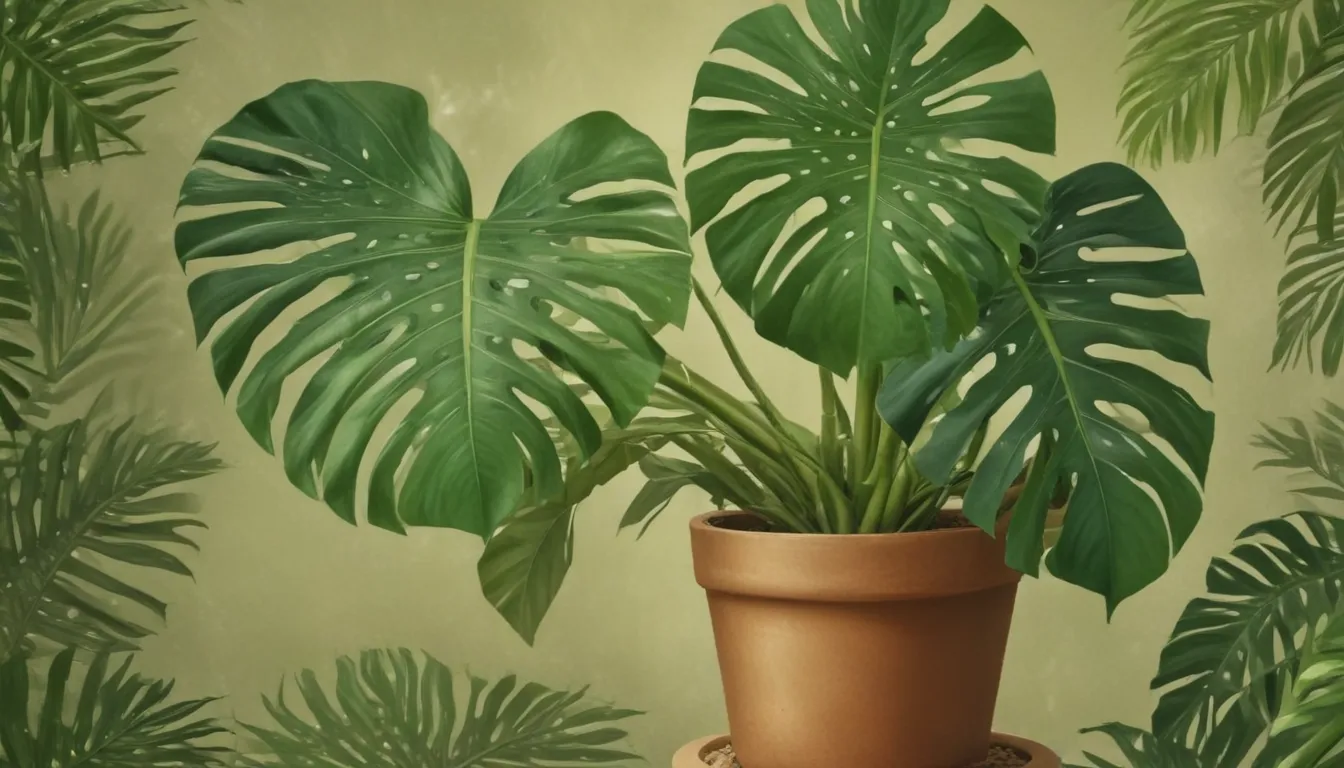
The Monstera plant has become a beloved choice for both plant enthusiasts and interior decorators. Known for its large, glossy leaves and distinctive splits, the Monstera adds a touch of the tropics to any space. Its unique appearance and relatively easy care make it a popular houseplant.
Origins And History
The Monstera plant, also known as the Swiss Cheese Plant, originates from the tropical rainforests of Central and South America. It thrives in the humid and warm conditions of these regions. The plant’s name, Monstera, is derived from the Latin word for “monstrous” or “abnormal,” referring to its unusual and often large leaf structure.
Monstera plants have been cultivated for their ornamental value for many years. They were first introduced to Europe in the 18th century and have since spread to homes and gardens worldwide.
Popular Varieties
| Variety | Description |
|---|---|
| Monstera Deliciosa | Known for its large, perforated leaves. Most common variety. |
| Monstera Adansonii | Smaller leaves with more holes, often called the “Swiss Cheese Vine.” |
| Monstera Obliqua | Rare and highly sought after, with delicate, lace-like leaves. |
Each variety offers unique characteristics, making the Monstera a versatile choice for plant lovers. Whether you prefer the large, dramatic leaves of the Deliciosa or the delicate, intricate leaves of the Obliqua, there’s a Monstera for every taste and style.

Aesthetic Appeal
The Monstera plant, often called the “Swiss Cheese Plant,” captivates many with its aesthetic appeal. Its exotic look and unique features make it a favorite among houseplant enthusiasts. Let’s dive into the aspects that give Monstera its charm.
Unique Leaf Patterns
Monstera leaves are large and heart-shaped. Their most iconic feature is the natural holes, called fenestrations. These holes set Monstera apart from other plants. The pattern of the holes varies, giving each leaf a unique look. This makes every Monstera plant one-of-a-kind.
As the plant matures, the leaves become more intricate. The holes become larger and more defined. This transformation adds to the plant’s allure. It’s like watching nature create art in real-time.
Interior Design Trends
Monstera plants fit well with modern interior design. Their bold leaves make a statement in any room. They add a touch of nature and freshness to spaces. Many designers use Monstera to bring life to minimalist settings. The plant’s greenery contrasts beautifully with neutral tones. This makes it a popular choice for contemporary homes.
Monstera also pairs well with various decor styles. From bohemian to industrial, it fits right in. Its versatility allows it to enhance any interior theme. People love how it adds depth and texture to their living spaces.
Air Purification
The Monstera plant is not just a beautiful addition to your home decor. It plays a crucial role in purifying the air. Many indoor plants can improve air quality. The Monstera plant stands out among them. This section will delve into the significance of Monstera plant in air purification.
Removing Toxins
Monstera plants help in removing toxins from the air. Common toxins include formaldehyde and benzene. These harmful substances often come from furniture and cleaning products. The Monstera plant absorbs these toxins through its leaves. This process helps in reducing indoor air pollution. It makes the air in your home safer to breathe.
Improving Air Quality
Monstera plants also improve overall air quality. They release oxygen during the day. This freshens up the air in your home. Higher oxygen levels can boost your mood and productivity. They also help in reducing stress. Monstera plants can also increase humidity. This is especially helpful in dry climates. Proper humidity levels help keep your skin and respiratory system healthy.
Mental Health Benefits
Monstera plants do more than beautify your space. They also boost mental well-being. These lush, green plants can improve your mood and reduce stress.
Stress Reduction
Having a Monstera plant in your home can significantly lower stress levels. The plant’s large leaves create a calming environment. They help filter and purify the air, making it easier to breathe. Cleaner air promotes a sense of tranquility and relaxation. This can help reduce anxiety and promote a sense of calm.
Mood Enhancement
Monstera plants can brighten your day. Their vibrant green leaves add a touch of nature indoors. This connection to nature can uplift your spirits. Studies show that being around plants can improve mood and increase feelings of happiness.
Monstera plants also encourage a sense of accomplishment. Caring for a living plant can be rewarding. This simple act of nurturing can boost self-esteem and bring joy.
Physical Health Benefits
The Monstera plant is more than a beautiful addition to your home decor. It offers various physical health benefits that can improve your well-being. From boosting humidity to providing allergy relief, this plant can make a significant difference in your daily life.
Boosting Humidity
The Monstera plant helps to boost the humidity in your home. This is especially useful during dry seasons. Increased humidity can have several health benefits:
- Reduces dry skin and irritation
- Helps with respiratory issues
- Prevents nosebleeds
- Relieves cough and sore throat
Having a Monstera plant in your home can help maintain a healthy level of humidity. This can lead to a more comfortable living environment.
Allergy Relief
Monstera plants can also provide allergy relief. They help to filter the air, removing common allergens such as:
- Dust
- Pollen
- Pet dander
Cleaner air can significantly reduce allergy symptoms. This can include sneezing, coughing, and itchy eyes. A Monstera plant acts as a natural air purifier. This makes your home a healthier place to live.
In summary, the Monstera plant is not just a stunning decorative piece. It also offers essential physical health benefits. These include boosting humidity and providing allergy relief.
Care And Maintenance
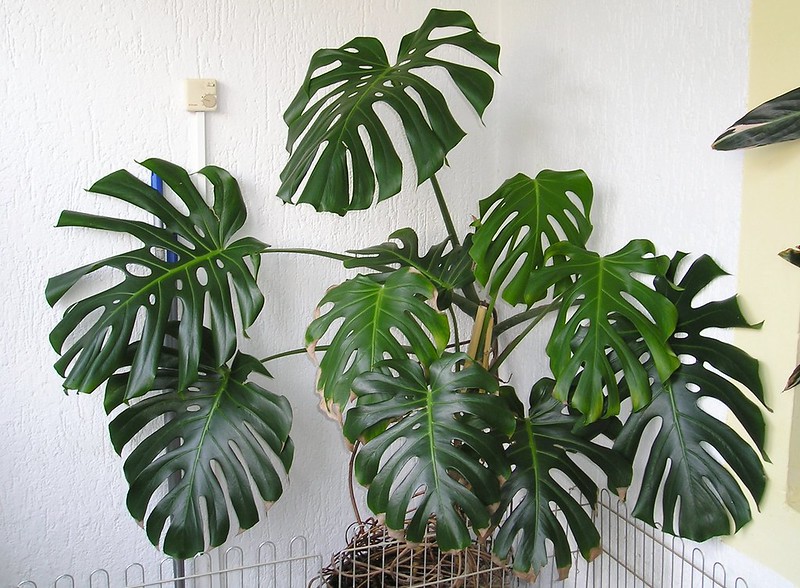
The Monstera plant, known for its beautiful, split leaves, is a popular choice among houseplant enthusiasts. To keep your Monstera thriving, understanding its specific care and maintenance needs is vital. This section provides detailed tips to help you care for your Monstera plant effectively.
Watering And Feeding
Watering is crucial for the health of your Monstera plant. It prefers moist soil but not soggy. Here are some key points to remember:
- Water your Monstera once a week during the growing season.
- Reduce watering frequency in the winter months.
- Ensure the top inch of soil is dry before watering again.
- Avoid overwatering to prevent root rot.
Feeding your Monstera plant is also important for its growth. Use a balanced liquid fertilizer every month during the growing season. Skip fertilizing in winter to let the plant rest.
Light And Temperature
Proper light and temperature conditions are essential for a healthy Monstera plant. Here’s what you need to know:
- Place your Monstera in bright, indirect light for optimal growth.
- Avoid direct sunlight as it can scorch the leaves.
- Maintain a temperature range between 65°F to 85°F.
- Keep the plant away from cold drafts and sudden temperature changes.
By providing the right light and temperature, your Monstera will flourish and produce its iconic split leaves.
Propagation Methods
The Monstera plant is famous for its large, stunning leaves. Propagating this plant can be simple and rewarding. Understanding the various propagation methods ensures successful growth. Below, we explore two common methods: Stem Cuttings and Air Layering.
Stem Cuttings
Stem cuttings are the most popular method to propagate Monstera plants. This method is easy and effective. Here is how to do it:
- Choose a Healthy Stem: Select a stem with at least one node. Nodes are where leaves and roots grow.
- Cut the Stem: Use a clean, sharp knife or scissors. Cut below the node, ensuring a clean cut.
- Prepare the Cutting: Remove any leaves near the node. This prevents rotting in water or soil.
- Rooting: Place the cutting in water or soil. Ensure the node is submerged in water or buried in soil.
- Wait for Roots: Keep the cutting in a warm, bright spot. Roots should appear in a few weeks.
This table summarizes the essentials:
| Step | Description |
|---|---|
| Choose a Healthy Stem | Select a stem with at least one node. |
| Cut the Stem | Use a clean, sharp knife or scissors. Cut below the node. |
| Prepare the Cutting | Remove leaves near the node to prevent rotting. |
| Rooting | Place the cutting in water or soil. |
| Wait for Roots | Keep in a warm, bright spot. Roots will appear in weeks. |
Air Layering
Air layering is another effective method. It requires a bit more effort but ensures a higher success rate. Here’s how to do it:
- Select a Stem: Choose a healthy stem with a node.
- Make a Cut: Create a small cut below the node, about one-third through the stem.
- Apply Rooting Hormone: Apply rooting hormone to the cut area.
- Wrap with Moss: Wrap moist sphagnum moss around the cut. Secure it with plastic wrap and ties.
- Wait for Roots: Keep the moss moist. Roots should appear in a few weeks. Once roots are visible, cut the stem below the new roots and plant it in soil.
Below is a quick reference table:
| Step | Description |
|---|---|
| Select a Stem | Choose a healthy stem with a node. |
| Make a Cut | Create a small cut below the node. |
| Apply Rooting Hormone | Apply rooting hormone to the cut area. |
| Wrap with Moss | Wrap moist sphagnum moss around the cut. |
| Wait for Roots | Keep the moss moist. Roots should appear in weeks. |
Both methods, Stem Cuttings and Air Layering, provide reliable ways to propagate your Monstera plant. Choose the method that suits you best and enjoy watching your Monstera thrive.
Common Issues And Solutions
The Monstera plant is a popular houseplant known for its unique leaves and easy care. Like any plant, it can face common issues that may affect its health. Understanding these issues and knowing how to address them can keep your Monstera thriving.
Pest Control
Pests can be a problem for Monstera plants. Common pests include spider mites, mealybugs, and aphids. These pests can damage the leaves and stunt the plant’s growth.
To control pests, inspect your plant regularly. Look for small insects or webbing on the leaves. If you find pests, use insecticidal soap or neem oil. Spray the affected areas thoroughly. Repeat this process every few days until the pests are gone.
Another solution is to wipe the leaves with a damp cloth. This helps remove pests and keeps the leaves clean. Make sure to isolate the affected plant to prevent the pests from spreading.
Disease Prevention
Diseases can also affect Monstera plants. Common diseases include root rot and leaf spot. These issues can be caused by overwatering or poor drainage.
To prevent root rot, ensure your Monstera is in well-draining soil. Water the plant only when the top inch of soil is dry. Avoid letting the plant sit in water.
Leaf spot can be prevented by providing good air circulation. Place your Monstera in a spot with good airflow. Also, avoid getting the leaves wet during watering. If you notice any diseased leaves, remove them immediately to stop the spread.
Regularly clean the leaves to prevent dust buildup. This helps the plant breathe better and reduces the risk of disease.
Frequently Asked Questions
What Makes Monstera Plants Special?
Monstera plants are special for their unique, split leaves. They are popular for their tropical appearance. These plants are also easy to care for.
How Do You Care For A Monstera Plant?
Caring for a Monstera plant is simple. Provide indirect light and water when the soil is dry. Ensure good drainage.
Are Monstera Plants Air Purifiers?
Yes, Monstera plants help purify the air. They remove toxins and improve indoor air quality. This makes them beneficial for homes.
Can Monstera Plants Grow Indoors?
Monstera plants thrive indoors. They need indirect light and occasional watering. They can grow large, so provide space.
Conclusion
The Monstera plant adds beauty and health benefits to any space. Its lush leaves purify the air, making homes healthier. Easy to care for, it suits both beginners and experienced plant lovers. The Monstera also symbolizes connection with nature, bringing calm to our busy lives.
Add a Monstera to your home and enjoy its many benefits. It’s a perfect choice for enhancing your living environment.
Leave a Reply