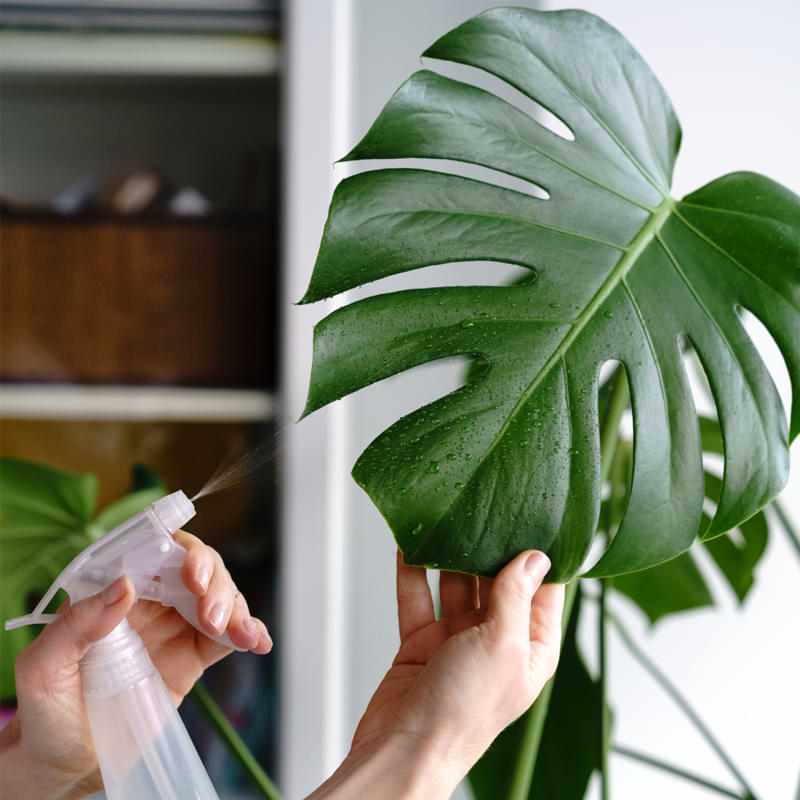
Yes, you should spray Monstera leaves. But it’s not always necessary.
Monstera plants, known for their stunning large leaves, thrive in humid environments. Spraying their leaves can help maintain their health and appearance. In their natural habitat, these plants enjoy regular moisture from the air, which keeps them lush and vibrant.
By mimicking these conditions at home, you help the plant stay hydrated and dust-free. But there are also other care practices to consider. Let’s explore the benefits and the best methods for spraying Monstera leaves to ensure your plant flourishes.
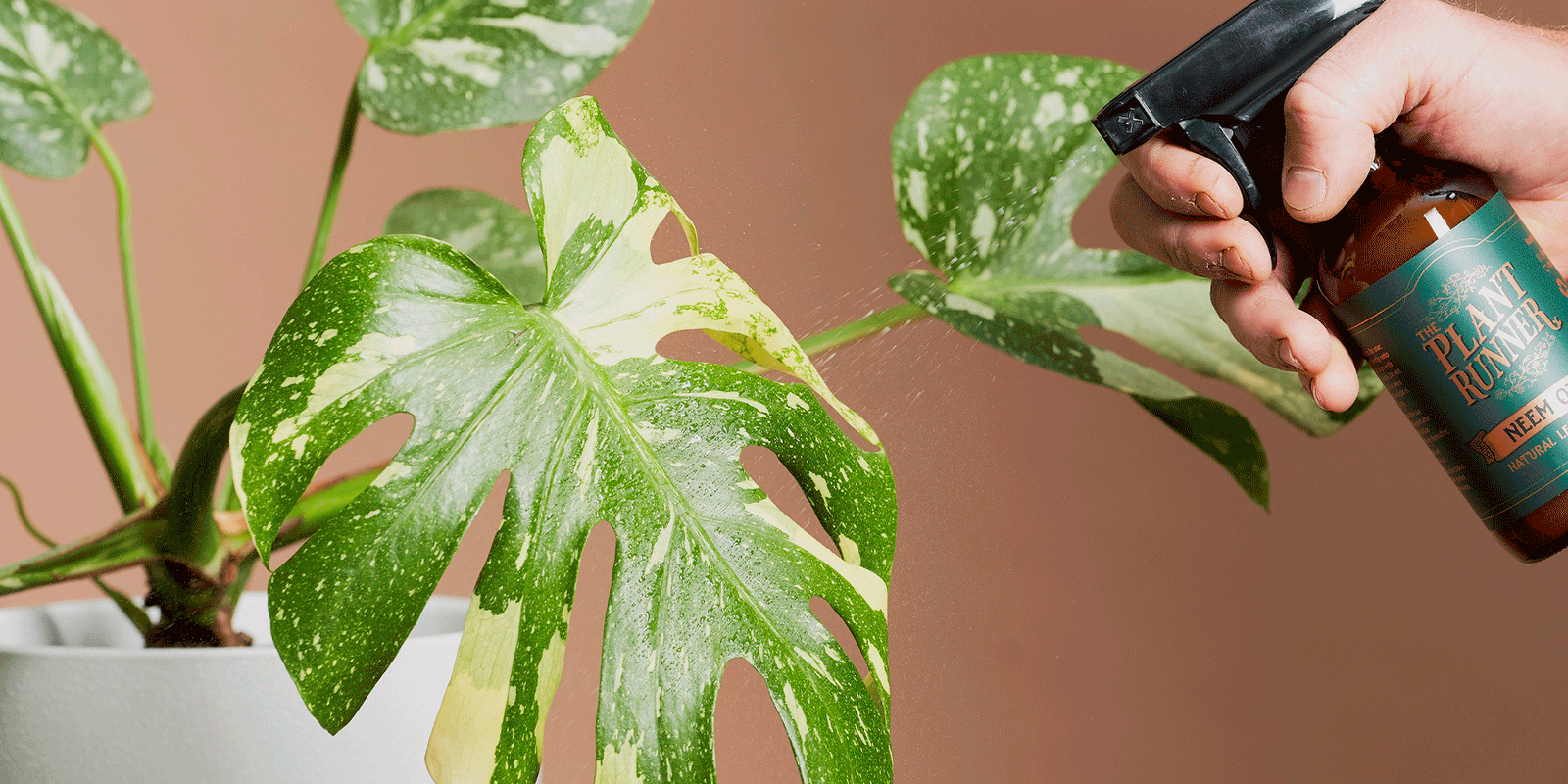
Introduction To Monstera Plants
Monstera plants are popular among houseplant enthusiasts. Their large, split leaves are unique and eye-catching. They add a touch of the tropics to any room. These plants are relatively easy to care for, making them a favorite for beginners.
Brief History
Monstera plants originate from Central and South America. They thrive in tropical rainforests. Their scientific name is Monstera deliciosa. The name “Monstera” comes from the Latin word for “monstrous,” due to their large leaves. The plant was first documented in the 18th century by European botanists.
Popularity As Houseplants
Monstera plants became popular houseplants in the mid-20th century. Their unique leaves made them stand out. Interior designers love using them in their projects. Social media also played a role. Many plant enthusiasts share photos of their Monstera plants online.
These plants are not just for looks. They are also low-maintenance. Monstera plants can adapt to different light conditions. They do not need frequent watering. This makes them ideal for busy people. Their ability to purify the air adds another benefit.
Benefits Of Spraying Monstera Leaves
Monstera plants are beloved for their stunning leaves. Spraying the leaves can offer several advantages. By doing so, you can help your plant thrive and look its best. Here are some key benefits of spraying Monstera leaves.
Improved Humidity
Monsteras are native to tropical regions. They love high humidity. Spraying the leaves can help create a more humid environment. This mimics their natural habitat. The increased humidity can help the plant grow healthier and more vibrant.
Plants absorb moisture through their leaves. Spraying can provide extra hydration. This is especially helpful in dry climates or during winter when indoor air is dry.
Cleaner Leaves
Dust can settle on Monstera leaves. This can block sunlight and hinder photosynthesis. Spraying the leaves helps to remove dust and dirt. Clean leaves can absorb light better. This leads to better growth and overall health.
Spraying also helps to wash away pests. It can deter insects that may harm the plant. Cleaner leaves are not just healthier but also more attractive.
Here is a simple table showing the benefits:
| Benefit | Description |
|---|---|
| Improved Humidity | Creates a humid environment, mimicking natural habitat. |
| Cleaner Leaves | Removes dust, dirt, and pests for better health. |
In summary, spraying Monstera leaves can significantly boost your plant’s health. It improves humidity and keeps the leaves clean. Your Monstera will thrive and look beautiful.
Potential Risks Of Spraying Leaves
Spraying monstera leaves can seem beneficial. Yet, it carries risks. Understanding these risks helps in making informed decisions. Let’s delve into some potential risks.
Overwatering Concerns
Spraying leaves may lead to overwatering. Monstera plants need a specific amount of moisture. Excess water can saturate the soil. This can cause root rot. Root rot damages the plant’s health. Symptoms include yellowing leaves and stunted growth.
Fungal Infections
Excess moisture on leaves can cause fungal infections. Fungi thrive in wet conditions. Common fungal infections include powdery mildew and leaf spot. These infections harm the plant. They can cause spots and wilting leaves. Treating fungal infections can be challenging. Preventive care is crucial.
Best Practices For Spraying
Spraying Monstera leaves can keep them healthy and vibrant. It helps remove dust and improves humidity levels. Follow these best practices for optimal results.
Choosing The Right Time
Spray Monstera leaves in the morning. This gives leaves time to dry. Avoid spraying at night. Wet leaves can lead to fungal growth. Spray every few days. Check the leaves for dryness before the next spray.
Proper Water Type
Use distilled or rainwater for spraying. Tap water can contain chemicals. These chemicals may harm the leaves. Store distilled water in a clean spray bottle. Ensure the bottle is free from residues. Spray gently to avoid damaging the leaves.
Alternatives To Spraying
Many plant enthusiasts wonder if spraying Monstera leaves is the best way to keep them healthy. While spraying can provide some benefits, there are several alternatives to consider. These alternatives can be more effective in maintaining the humidity levels that Monstera plants thrive in.
Humidifiers
Humidifiers are a great option for maintaining the right humidity levels for your Monstera plant. They add moisture to the air, which helps the plant’s leaves stay lush and green. Place a humidifier near your Monstera to ensure it receives consistent humidity.
Choose a humidifier that suits your space and needs. There are many types available, from small personal humidifiers to larger models for big rooms. Keep the humidifier clean to prevent mold and bacteria buildup.
Pebble Trays
Pebble trays are another effective way to increase humidity around your Monstera. Fill a shallow tray with pebbles and add water until it’s just below the tops of the pebbles. Place the plant pot on top of the pebbles.
As the water evaporates, it creates a humid microenvironment around the plant. This method is simple and doesn’t require much maintenance. Just refill the tray with water as needed to keep the humidity levels stable.
Common Mistakes To Avoid
Spraying Monstera leaves can keep them healthy and vibrant. But, there are common mistakes that many plant owners make. Avoiding these mistakes ensures your Monstera thrives.
Excessive Spraying
Spraying your Monstera leaves too often can do more harm than good. Excessive moisture can cause fungal infections. These infections can damage the leaves and roots. Aim to spray the leaves once or twice a week. This is usually enough to maintain proper humidity levels.
Use a fine mist spray bottle to avoid over-wetting. Ensure the leaves dry within a few hours after spraying. Wet leaves for long periods can attract pests and promote mold growth.
| Frequency | Effect |
|---|---|
| Once a week | Ideal for most environments |
| Twice a week | Beneficial in very dry climates |
| Daily | Can lead to fungal issues |
Ignoring Water Quality
The quality of water you use for spraying is crucial. Tap water often contains chlorine and other chemicals. These can harm your Monstera leaves over time. Use filtered or distilled water to spray the leaves. This prevents buildup of harmful substances.
Water quality affects the health of your plant. Poor water can lead to leaf discoloration and burn spots. Always check the water before use. It should be clean and free of contaminants.
- Use filtered water for spraying.
- Avoid using hard water with high mineral content.
- Consider collecting rainwater for your plants.
By avoiding these common mistakes, your Monstera will stay healthy and beautiful. Remember, a little care goes a long way.
Additional Monstera Care Tips
Caring for a Monstera plant goes beyond just watering and spraying the leaves. Ensuring your Monstera thrives requires understanding its specific needs. Here are some essential tips to keep your Monstera healthy and happy.
Light Requirements
Monstera plants love bright, indirect light. Direct sunlight can scorch their leaves. Place your Monstera near a window with filtered sunlight. If the plant is getting too much direct light, the leaves may turn yellow. On the other hand, too little light can cause slow growth and smaller leaves. It’s all about finding the perfect balance.
Soil And Fertilization
Monstera plants prefer well-draining soil. A mix of peat moss, perlite, and potting soil works best. This combination ensures good drainage and aeration. Water the plant when the top inch of soil feels dry. Overwatering can lead to root rot, a common issue with Monsteras.
Fertilize your Monstera once a month during the growing season. Use a balanced liquid fertilizer diluted to half strength. This helps promote healthy growth and vibrant leaves. In winter, reduce fertilization as the plant’s growth slows down. Following these soil and fertilization tips will keep your Monstera thriving.

Frequently Asked Questions
Should You Mist Monstera Leaves?
Yes, misting Monstera leaves can help increase humidity. This is beneficial for their growth. However, it’s not always necessary.
How Often Should You Spray Monstera?
Spray Monstera leaves once or twice a week. Adjust frequency based on your home’s humidity levels.
Can Misting Harm Monstera Plants?
Misting generally doesn’t harm Monstera plants. However, over-misting can lead to fungal issues. Always ensure proper air circulation.
Is Spraying Monstera Leaves Enough?
Spraying helps but isn’t enough alone. Combine misting with other humidity-boosting methods like using a humidifier.
Conclusion
Spraying Monstera leaves can benefit the plant’s health. It adds moisture, making the plant happier. Always use room-temperature water to avoid shocking the leaves. Remember to spray the leaves in the morning. This helps them dry by evening. Monitor the plant’s reaction.
Adjust your routine if needed. Healthy leaves mean a healthy Monstera. Happy growing!
Leave a Reply