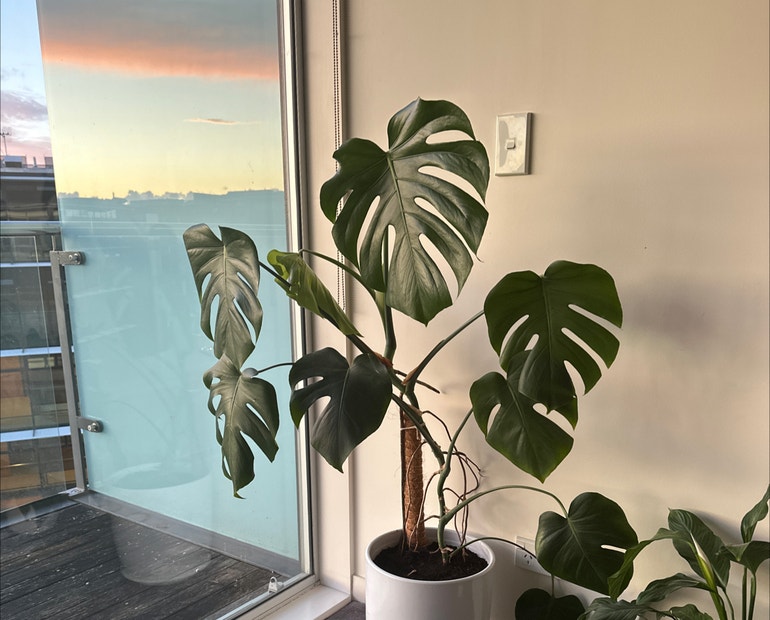
Yes, you should prune your Monstera plant. Pruning helps keep it healthy and looking great.
It also encourages new growth. Monstera plants are known for their stunning, large leaves and easy care. But, sometimes, they can grow too large or look a bit wild. This is where pruning comes in. By trimming back some of the leaves and stems, you can shape your plant and keep it from taking over your space.
Pruning also helps remove any dead or damaged parts, promoting overall health. So, if you’re wondering whether to prune your Monstera, the answer is simple: yes, and your plant will thank you for it!
Importance Of Pruning Monstera
Pruning your Monstera plant is essential for its health and appearance. It helps in maintaining its shape and controlling its size. Regular pruning also encourages new growth and ensures better light penetration.
Benefits Of Pruning
Pruning offers several benefits:
- Healthier Growth: Removing dead or damaged leaves promotes healthy growth.
- Better Shape: Pruning helps maintain a neat and attractive shape.
- Light Penetration: Ensures all parts of the plant receive adequate light.
- Prevents Overcrowding: Reduces the risk of overcrowding, which can lead to disease.
Risks Of Not Pruning
Not pruning your Monstera can have several downsides:
- Overcrowding: Leads to poor light penetration and air circulation.
- Increased Disease Risk: Dead or damaged leaves can harbor pests and diseases.
- Uncontrolled Growth: The plant can become too large and unwieldy.
- Weak Stems: Overgrown plants may have weak stems that break easily.

When To Prune Your Monstera
Pruning your Monstera can help it stay healthy and look its best. Knowing when to prune is vital for the plant’s growth. Proper timing ensures minimal stress and quicker recovery. Let’s explore the best times and signs to prune your Monstera.
Best Time Of Year
The best time of year to prune a Monstera is during its active growing season. This typically falls in spring and summer. During these months, the plant is more resilient and can heal faster.
Pruning in fall or winter can stress the plant. It may not recover as quickly since it is in a dormant phase. So, aim for spring and summer to keep your Monstera healthy.
Signs Your Plant Needs Pruning
Several signs indicate your Monstera needs pruning. Here are some key indicators:
- Yellowing Leaves: If leaves are turning yellow, prune them. They are likely old or damaged.
- Overcrowded Stems: When stems become too crowded, they need pruning. This allows better air circulation.
- Leggy Growth: Long, leggy stems can benefit from pruning. It encourages bushier growth.
- Unwanted Aerial Roots: If aerial roots become too long, trim them. They can be unsightly and unnecessary indoors.
By watching for these signs, you can keep your Monstera thriving. Regular pruning helps maintain its shape and health.
Tools For Pruning
Pruning your Monstera plant can be a rewarding task. It helps the plant grow healthier and look more attractive. But to do it right, you need the right tools. Below are the essential tools and tips for sterilizing them.
Essential Tools
Having the proper tools makes pruning easier and safer for your Monstera.
- Pruning Shears: These are ideal for cutting small stems and leaves. They give you precise cuts.
- Bypass Pruners: Use these for thicker stems. They make clean cuts and reduce plant stress.
- Sharp Knife: A sharp, clean knife works well for detailed cuts. It’s great for removing dead leaves.
- Gloves: Wear gloves to protect your hands from cuts and plant sap.
- Cleaning Cloth: Keep a clean cloth handy for wiping tools.
Sterilizing Your Tools
Sterilizing your tools is crucial. It prevents the spread of disease to your Monstera.
- Prepare a disinfectant solution. Mix one part bleach with nine parts water.
- Soak your tools in the solution for 10 minutes.
- Rinse the tools with clean water.
- Dry them thoroughly with a clean cloth.
Alternatively, you can use alcohol wipes to clean the tools. Just wipe them down before and after each use.
| Tool | Use |
|---|---|
| Pruning Shears | Small stems and leaves |
| Bypass Pruners | Thicker stems |
| Sharp Knife | Detailed cuts |
| Gloves | Hand protection |
| Cleaning Cloth | Wiping tools |

How To Prune Correctly
Pruning your Monstera plant can be a rewarding task. It helps the plant stay healthy and grow stronger. But, it’s important to prune correctly. Incorrect pruning can harm your plant. So, let’s go through the right way to prune your Monstera.
Step-by-step Guide
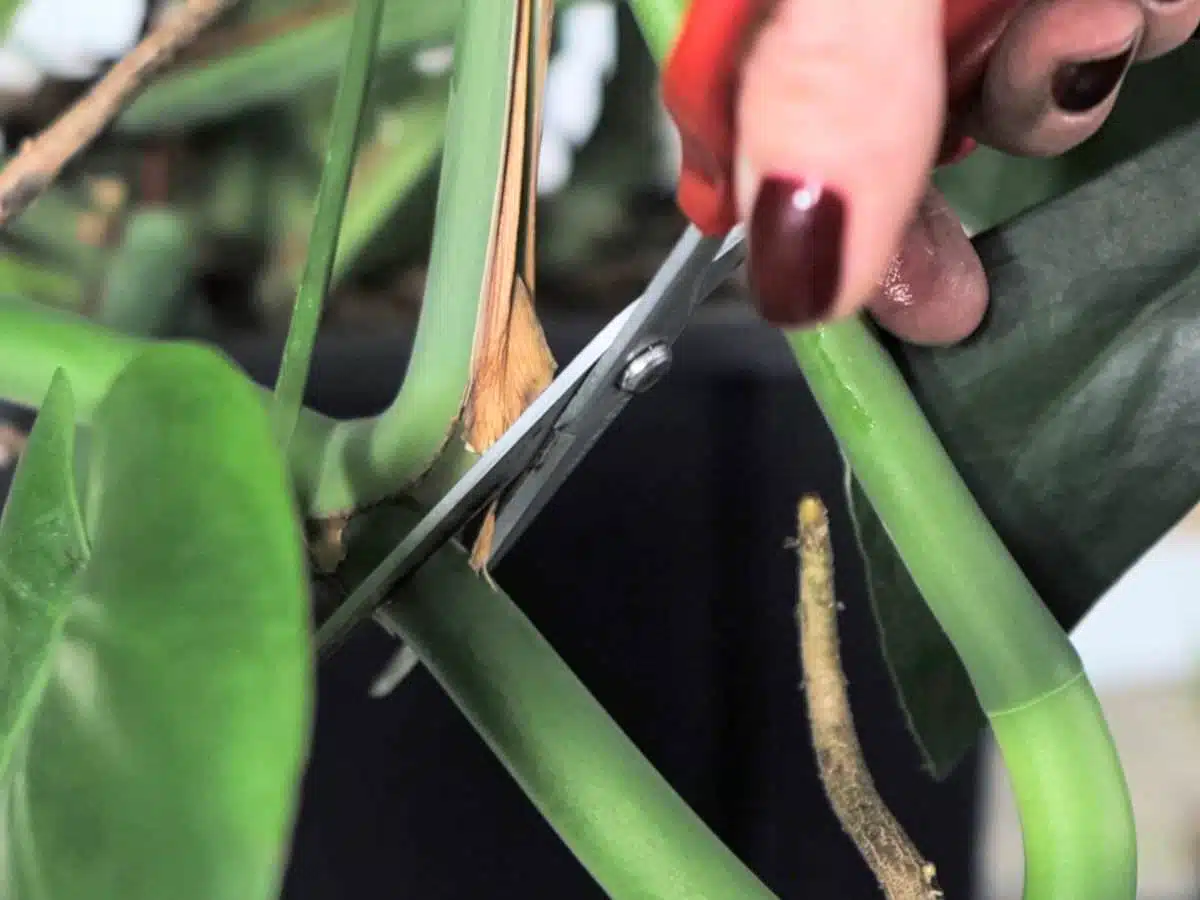
First, gather your tools. You will need a clean, sharp pair of pruning shears. This helps make clean cuts and prevents infection.
Next, look at your Monstera. Identify the stems and leaves that need trimming. Focus on dead or yellow leaves. Also, look for stems that have grown too long.
Now, make your cuts. Always cut just above a leaf node. This is where new growth will come from. Be gentle and precise.
After pruning, clean your tools again. This helps prevent the spread of disease. Dispose of the trimmed leaves and stems properly.
Common Mistakes To Avoid
Avoid cutting too much at once. This can shock the plant. Only trim a few leaves or stems at a time.
Do not use dirty tools. Dirty tools can spread disease. Always clean your shears before and after pruning.
Do not prune during the wrong season. The best time to prune Monstera is in spring or early summer. This is when the plant is actively growing.
Avoid cutting too close to the main stem. This can damage your plant. Always leave a little space between the cut and the main stem.
Encouraging New Growth
Pruning Monstera plants encourages new growth. Cutting back old or unhealthy leaves helps the plant focus on new growth. This results in a fuller and healthier plant. Regular pruning can lead to a more vibrant Monstera with lush foliage.
Tips For Healthy Growth
To ensure healthy growth, always use clean, sharp tools for pruning. Dirty or blunt tools can harm the plant. When you prune, cut just above a leaf node. This is where new growth will emerge. Remove any yellow or damaged leaves. This helps the plant use its energy more efficiently.
Prune in the growing season, usually spring and summer. This is when the plant is most active. Avoid pruning in the winter. The plant is in a dormant phase and may not recover well.
Using Fertilizers
Fertilizers play a key role in promoting new growth. Use a balanced, water-soluble fertilizer every month during the growing season. Look for a fertilizer with equal parts nitrogen, phosphorus, and potassium. These nutrients support healthy growth.
Apply the fertilizer at half the recommended strength. Over-fertilizing can harm the plant. Water the plant thoroughly before and after applying the fertilizer. This helps distribute the nutrients evenly.
| Season | Activity |
|---|---|
| Spring/Summer | Prune and fertilize regularly |
| Fall/Winter | Limit pruning and reduce fertilizing |
- Use clean, sharp tools
- Cut above leaf nodes
- Remove yellow or damaged leaves
- Fertilize monthly during growing season
- Water before and after fertilizing
Handling Pruned Offcuts
Handling pruned offcuts from your Monstera can be rewarding. These offcuts can either be used to grow new plants or disposed of properly. Below are some effective ways to handle these offcuts.
Propagating New Plants
Pruned offcuts offer a great chance to propagate new Monstera plants. Start by selecting a healthy cutting. Ensure it has at least one node. Nodes are the spots where new roots will grow. Place the cutting in water or soil. Within weeks, roots will start to develop. Keep the cutting in a warm, bright place. Avoid direct sunlight. This method is simple and cost-effective. Soon, you will have a new plant to enjoy or share.
Disposing Of Waste
Some offcuts might not be suitable for propagation. These should be disposed of properly. Composting is a good option. Monstera leaves and stems break down well in compost. This adds nutrients to your soil. If composting is not an option, use a green waste bin. Avoid throwing plant waste in the regular trash. This helps reduce landfill waste and is better for the environment.
Dealing With Pests And Diseases
Pruning Monstera plants is an essential part of their care routine. It helps them grow healthy and strong. Yet, pruning also plays a key role in managing pests and diseases. By removing affected areas, you can prevent problems from spreading.
Identifying Common Pests
Monstera plants can attract several pests. The most common ones are spider mites, aphids, and mealybugs. Spider mites are tiny and red. They spin fine webs on your plant. Aphids are small, green or black, and cluster on new growth. Mealybugs appear as white, cotton-like masses on stems and leaves.
Preventative Measures
Regularly inspect your Monstera for signs of pests. Check the undersides of leaves. Look for any unusual spots or webbing. Keeping your plant clean can also help. Wipe the leaves with a damp cloth. This removes dust and prevents pests from settling. Ensure proper air circulation around your plant. Good airflow reduces the risk of pests and diseases.
Quarantine new plants before introducing them to your collection. This step helps to avoid spreading pests. Use natural pest control methods. Neem oil or insecticidal soap can effectively manage infestations. Always follow the product instructions for safe use.
Long-term Care For Pruned Monstera
Pruning Monstera is essential for healthy growth. Remove dead or yellow leaves regularly. Encourages new, vibrant foliage.
Pruning your Monstera is vital for its health and growth. Proper long-term care ensures the plant thrives post-pruning. This includes watering, light management, and monitoring plant health.Watering And Light Requirements
After pruning, adjust your Monstera’s watering schedule. Pruned plants need less water. Over-watering can lead to root rot. Water the plant when the top inch of soil feels dry. Place your Monstera in bright, indirect light. Avoid direct sunlight. It can scorch the leaves. If you lack natural light, consider using grow lights.Monitoring Plant Health
Regularly check your Monstera for signs of stress. Yellowing leaves indicate over-watering. Brown leaf edges suggest low humidity or underwatering. Look for pests like spider mites and aphids. Treat infestations quickly. Healthy Monstera plants resist pests better. Keep an eye on new growth. Healthy new leaves are a good sign. They indicate your care routine is working. Pruning helps the plant focus energy on fresh growth. “`Frequently Asked Questions
What Is The Best Time To Prune Monstera?
The best time to prune Monstera is during the spring or early summer. This helps the plant recover quickly and encourages new growth.
How Often Should You Prune Monstera?
You should prune Monstera whenever it becomes overgrown or leggy. Regular maintenance pruning keeps the plant healthy and attractive.
Can You Propagate Monstera From Cuttings?
Yes, you can propagate Monstera from cuttings. Simply place a healthy cutting in water or soil to root.
What Tools Do You Need For Pruning Monstera?
For pruning Monstera, you need clean, sharp pruning shears or scissors. Disinfect the tools before use to prevent disease.
Conclusion
Pruning your Monstera is essential for its health and growth. It helps manage size and shape. Removing dead or yellow leaves promotes new growth. Regular pruning keeps your plant vibrant and beautiful. Always use clean, sharp tools for the best results.
Happy pruning!
Leave a Reply