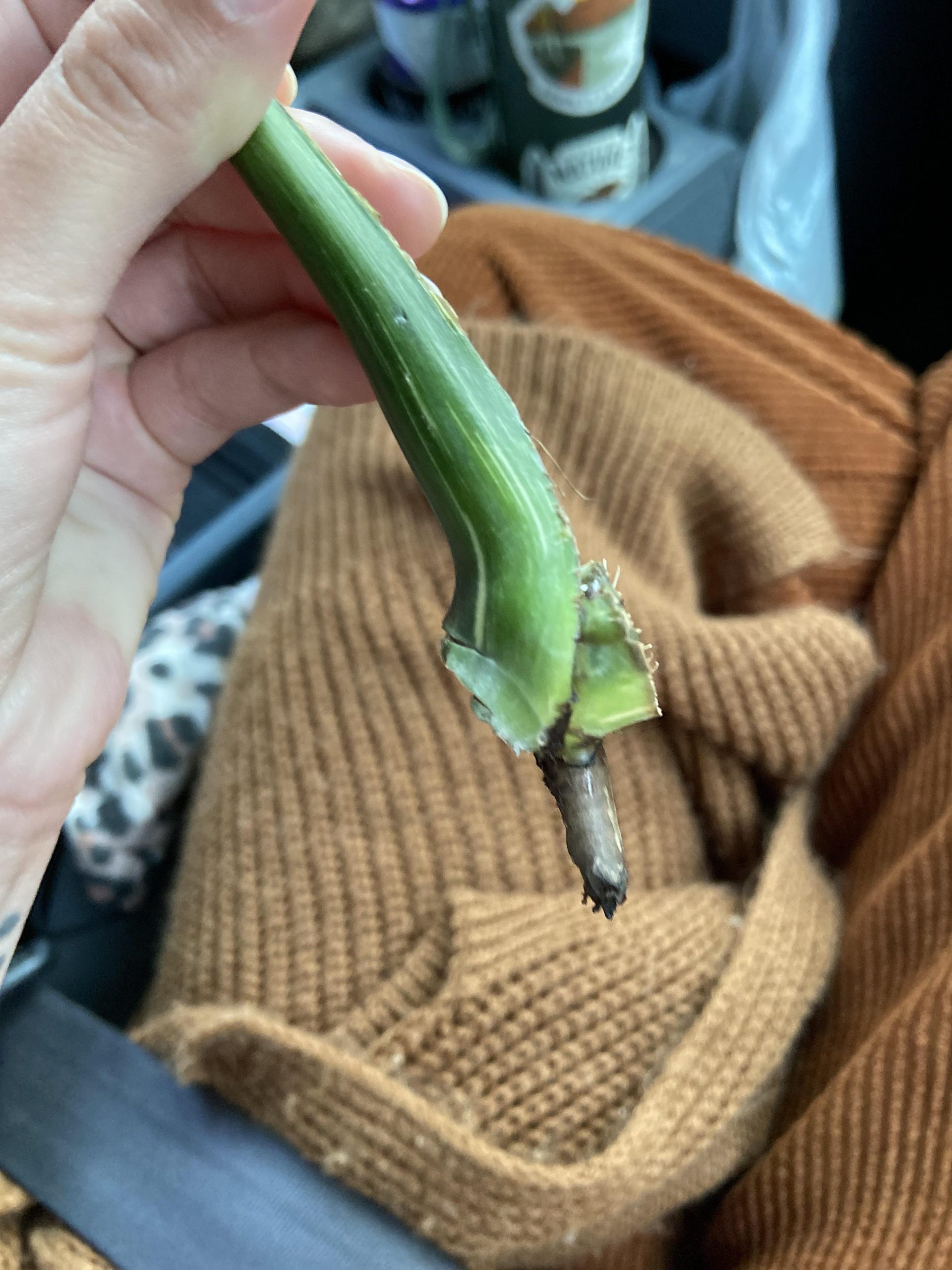
Yes, you should let Monstera cuttings callus. This helps prevent rot and promotes healthy growth.
Monstera plants are popular for their unique leaves and easy care. If you want to propagate your Monstera, cutting and letting them callus can be crucial. Callusing means letting the cut end dry and form a protective layer. This process helps avoid rot and disease when you plant the cutting.
Many plant enthusiasts recommend this step for successful propagation. In this post, we will explore why callusing is important, how to do it, and the best practices for ensuring your Monstera cuttings thrive. Whether you are new to plant care or an experienced gardener, understanding this step can help you grow healthier Monsteras.

Importance Of Monstera Cuttings
The importance of Monstera cuttings cannot be overstated. These cuttings are essential for plant propagation. By using cuttings, you can grow new Monstera plants from a single parent plant. This method is both cost-effective and efficient. It allows plant enthusiasts to expand their collection without purchasing new plants.
Role In Propagation
Monstera cuttings play a crucial role in propagation. They are parts of the plant that can grow roots and develop into a new plant. Propagation through cuttings is a popular method. It ensures the new plant retains the characteristics of the parent plant. This method is simple and effective. It requires minimal equipment and effort. With proper care, the cuttings will develop into healthy new plants.
Growth Potential
The growth potential of Monstera cuttings is significant. With the right conditions, these cuttings can thrive. They can grow into large, lush plants. Proper lighting, watering, and soil conditions are vital. Ensuring these factors will promote healthy growth. Monstera cuttings have the ability to adapt to different environments. This makes them versatile and easy to grow. With patience and care, the cuttings will flourish and bring beauty to any space.

What Is Callusing?
Before delving into whether you should let your Monstera cuttings callus, it’s essential to understand what callusing entails. This process is pivotal in plant propagation, particularly for cuttings. Callusing helps plants protect themselves from infections and aids in root development.
Definition
Callusing refers to the formation of a protective layer over a plant cutting’s wound. This layer, also known as a callus, is made up of undifferentiated cells. These cells help seal the wound and prepare the plant for root growth. In simple terms, callusing is like a scab forming on a cut on your skin.
Process
The callusing process starts once you cut a piece from your Monstera plant. Follow these steps to ensure proper callusing:
- Cut the stem: Use a clean, sharp knife to cut a healthy stem.
- Let the cutting dry: Place the cutting in a dry, shaded area.
- Wait for the callus to form: This usually takes a few days.
- Check for callus formation: The cutting should develop a dry, rough surface.
During the callusing period, avoid watering the cuttings. Excess moisture can lead to rot. Ensure the cuttings are in a well-ventilated area. This prevents mold and fungus growth. Once the callus forms, you can plant the cuttings in soil or water.
Callusing is a natural and essential part of plant propagation. By allowing your Monstera cuttings to callus, you increase their chances of successful rooting and growth.
Benefits Of Letting Cuttings Callus
Letting Monstera cuttings callus can offer several benefits. This simple process involves allowing the cut end of the cutting to dry out before planting. Though it may seem like an extra step, it can help your plant thrive. Below, we explore some key benefits.
Disease Prevention
Letting cuttings callus helps prevent disease. Fresh cuts can attract bacteria and fungi. Allowing the cut to dry forms a barrier. This reduces the risk of infections. Healthy cuttings lead to healthy plants.
Root Development
Callusing improves root development. When the cutting heals, it focuses energy on growing roots. Strong roots support the plant’s growth. They make the plant more stable and resilient.
How To Callus Monstera Cuttings
Taking care of Monstera cuttings is crucial for healthy growth. One important step is allowing the cuttings to callus. This helps prevent rot and encourages root development. Follow the step-by-step guide below to ensure your Monstera cuttings callus properly.
Step-by-step Guide
- Prepare the Cuttings: Choose a healthy Monstera stem with at least one node. Use a clean, sharp knife or scissors to make a cut.
- Remove Excess Leaves: Trim off any extra leaves, leaving only one or two at the top.
- Let the Cut End Dry: Place the cutting on a clean surface. Allow the cut end to air dry for a few hours, or up to a day.
- Check for Callus Formation: The cut end should develop a hard, dry layer. This process may take a few days.
- Plant the Cutting: Once callused, plant the cutting in well-draining soil or water.
- Monitor and Care: Keep the cutting in a warm, humid environment. Provide indirect light and water sparingly.
Materials Needed
- Sharp knife or scissors
- Clean surface
- Well-draining soil or water container
- Warm, humid environment
Ideal Conditions For Callusing
Ensuring the ideal conditions for callusing is crucial for successful Monstera propagation. Callusing helps prevent rot and promotes healthy root development. Let’s explore the optimal environment for this process.
Temperature
Temperature plays a vital role in callusing Monstera cuttings. The ideal range is between 70°F and 80°F (21°C to 27°C). Maintaining a warm environment helps the cuttings callus quickly. Avoid placing cuttings in direct sunlight, which can cause overheating and damage.
If you live in a cooler climate, consider using a heat mat. This device helps maintain consistent warmth. Place the cuttings on the mat and monitor the temperature regularly. Keeping the environment stable encourages faster callusing.
Humidity
High humidity levels are essential for Monstera cuttings to callus effectively. Aim for a humidity range of 60% to 80%. This can be achieved by creating a mini greenhouse effect.
Here are some methods to maintain optimal humidity:
- Place the cuttings in a clear plastic bag.
- Use a humidity dome or cloche.
- Mist the cuttings daily.
Be sure to provide ventilation to prevent mold growth. Open the bag or dome for a few minutes daily. This allows fresh air to circulate and keeps the environment healthy for the cuttings.
Combining the right temperature and humidity ensures your Monstera cuttings callus properly. These conditions help the cuttings develop strong roots, leading to successful propagation.
Common Mistakes To Avoid
Propagating Monstera cuttings can be simple. Yet, common mistakes can hinder success. Knowing what to avoid ensures healthy cuttings. Read on to learn more.
Overwatering
Overwatering is a frequent mistake. Monstera cuttings need moisture. But too much can cause rot. Water the cuttings lightly. Keep the soil moist but not soggy. Let the top layer dry before watering again. Check the soil regularly. Avoid waterlogged conditions.
Direct Sunlight
Direct sunlight is harmful. Monstera cuttings prefer indirect light. Bright, indirect light promotes growth. Direct sun can scorch the leaves. Place cuttings near a window with filtered light. Use sheer curtains if necessary. Monitor light exposure carefully.
Signs Of Successful Callusing
Successful callusing is key to healthy Monstera cuttings. Recognizing signs of successful callusing helps ensure your plant thrives. Let’s explore these signs in detail.
Healthy Callus Formation
A healthy callus forms at the cut end of your Monstera cutting. It is usually white or light green. The surface should appear dry and slightly rough. This layer protects the cutting from disease and decay. Monitor the callus for any dark or mushy spots. These could indicate rot.
Root Initiation
Root initiation follows healthy callus formation. Small white roots start to emerge from the callus. These roots are a sign your cutting is thriving. They typically appear within two to four weeks. Ensure the cutting remains in a warm, humid environment. This supports root growth.

Alternatives To Callusing
When propagating Monstera cuttings, callusing is a common practice. It helps prevent rot. But it’s not the only way. There are other methods to root your cuttings successfully. Let’s explore some effective alternatives to callusing.
Water Propagation
Water propagation is a simple and popular method. Place your Monstera cutting in a jar of water. Ensure the node is submerged. Change the water every few days. This keeps it fresh and oxygenated. Roots usually appear in a few weeks. You can then transfer the cutting to soil.
Soil Propagation
Soil propagation is another effective method. Dip the cutting’s node in rooting hormone. Plant it in a pot with moist soil. Keep the soil consistently damp but not waterlogged. Place the pot in indirect sunlight. Roots should start to develop within a few weeks. Once established, care for it like any mature Monstera.
Frequently Asked Questions
What Does It Mean To Let Monstera Cuttings Callus?
Letting Monstera cuttings callus means allowing the cut end to dry and form a protective layer. This helps prevent rot when planting.
How Long Should Monstera Cuttings Callus?
Monstera cuttings typically need to callus for 1-2 days. Ensure the cut end is dry and slightly hardened before planting.
Can I Plant Monstera Cuttings Without Callusing?
Yes, you can plant them without callusing, but it’s risky. Not letting them callus increases the chance of rot and disease.
What Happens If Monstera Cuttings Don’t Callus?
If Monstera cuttings don’t callus, they may rot when planted. Callusing helps protect the cutting from bacteria and fungi.
Conclusion
Letting Monstera cuttings callus helps prevent rot. It’s a simple process. Just leave the cuttings in a dry spot. Wait a few days. Then, plant them in soil or water. This small step boosts your success rate. So, take the time to let them callus.
Your Monstera plants will thank you. Happy gardening!
Leave a Reply