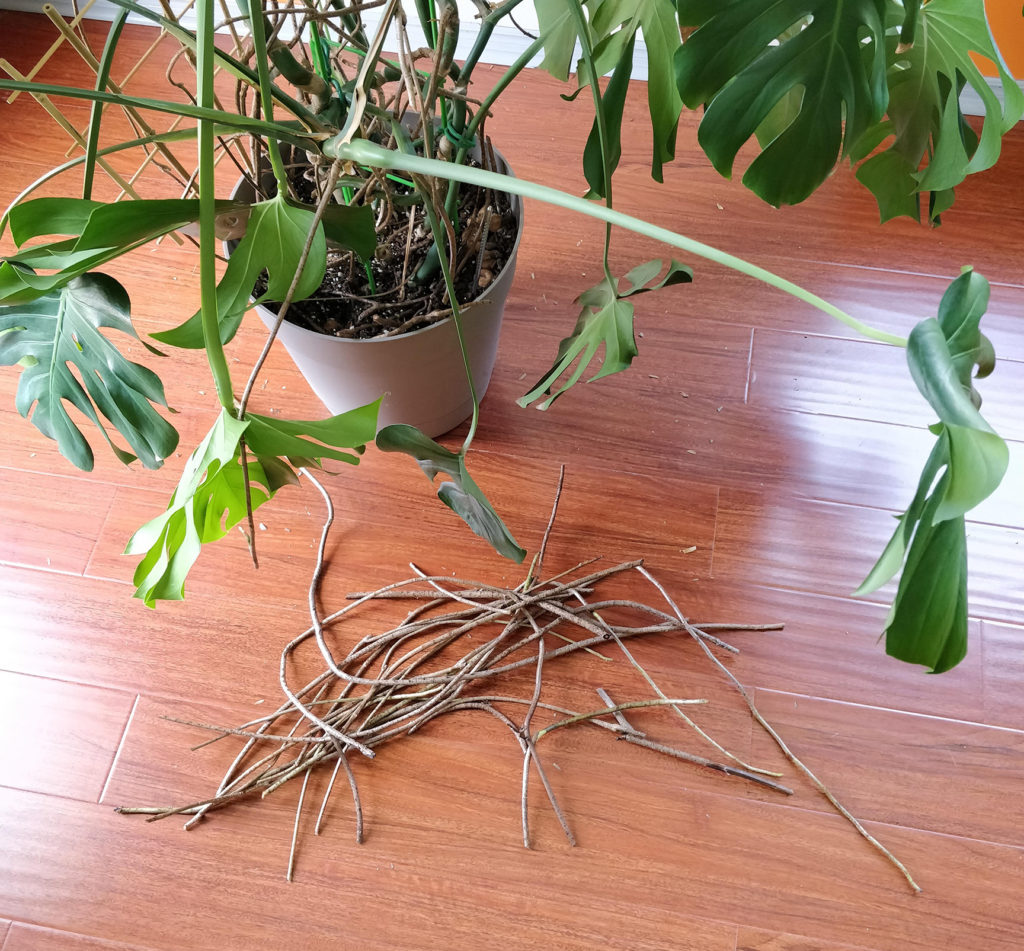
Cutting Monstera roots can seem daunting. Is it necessary or harmful?
Let’s clear up the confusion. Monstera plants, known for their striking leaves, are popular among houseplant enthusiasts. But as they grow, their roots can become unwieldy. Many plant owners wonder if trimming these roots is safe. Understanding when and how to cut Monstera roots can help keep your plant healthy and thriving.
In this blog post, we will explore the reasons for cutting Monstera roots, the right techniques to use, and tips to ensure your plant remains vibrant. By the end, you will have the knowledge to make informed decisions about your Monstera’s care.
Introduction To Monstera Roots
Monstera plants are popular for their unique, split leaves. They add a touch of the tropics to any home. But healthy roots are key to a thriving Monstera. Roots support the plant and help it take in water and nutrients. Knowing about Monstera roots can help you care for your plant better.
Importance Of Healthy Roots
Healthy roots ensure your Monstera gets enough water and nutrients. They anchor the plant, keeping it stable. Well-cared-for roots lead to lush and vibrant leaves. Neglecting the roots can harm the plant’s health. Always check the roots during repotting. Look for signs of disease or rot.
Common Monstera Root Issues
Root rot is a common issue. It happens when the soil stays too wet. Overwatering or poor drainage can cause this. Yellowing leaves and a foul smell are signs of root rot. Pests like root mealybugs can also harm the roots. They suck the sap, weakening the plant.
Root-bound plants are another problem. This occurs when roots outgrow their pot. The plant becomes stressed and stops growing. Repotting into a larger container can solve this issue. Regular checks can help prevent common root problems.
When To Cut Monstera Roots
Pruning Monstera roots is essential for plant health. It helps manage the plant’s growth. But knowing when to cut Monstera roots is crucial. Cutting at the right time ensures the plant thrives.
Signs It’s Time To Prune
Overgrown roots are a clear sign. If roots circle the pot, it’s time. Yellowing leaves may also indicate root problems. Wilting even with proper watering is another sign. If your Monstera seems unhealthy, check the roots.
Ideal Seasons For Root Pruning
Spring and early summer are the best times. During these seasons, the plant is actively growing. Pruning in these months helps quick recovery. Avoid pruning in late fall or winter. The plant’s growth slows down during these times.
Tools For Pruning Monstera Roots
Pruning Monstera roots helps in maintaining the plant’s health and growth. Using the right tools ensures a clean cut and prevents damage. Below are the essential tools and techniques for pruning Monstera roots.
Essential Pruning Tools
Having the right tools makes the pruning process easier. Sharp scissors or pruning shears are ideal for cutting roots. These tools ensure a clean and precise cut. A clean cut helps the plant heal faster.
Garden gloves protect your hands from dirt and potential injuries. Gloves also provide a better grip on the plant and tools. A clean workspace is also important. A garden mat or old newspaper can help keep your area tidy.
Sterilization Techniques
Sterilizing your tools is crucial to prevent infections. Use rubbing alcohol or a bleach solution to clean the blades. Wipe the blades with a clean cloth after dipping in the solution. This kills any bacteria or fungi on the tools.
Always sterilize before and after pruning. This ensures no contamination spreads between cuts or plants. Clean tools mean a healthier Monstera.
Steps For Cutting Monstera Roots
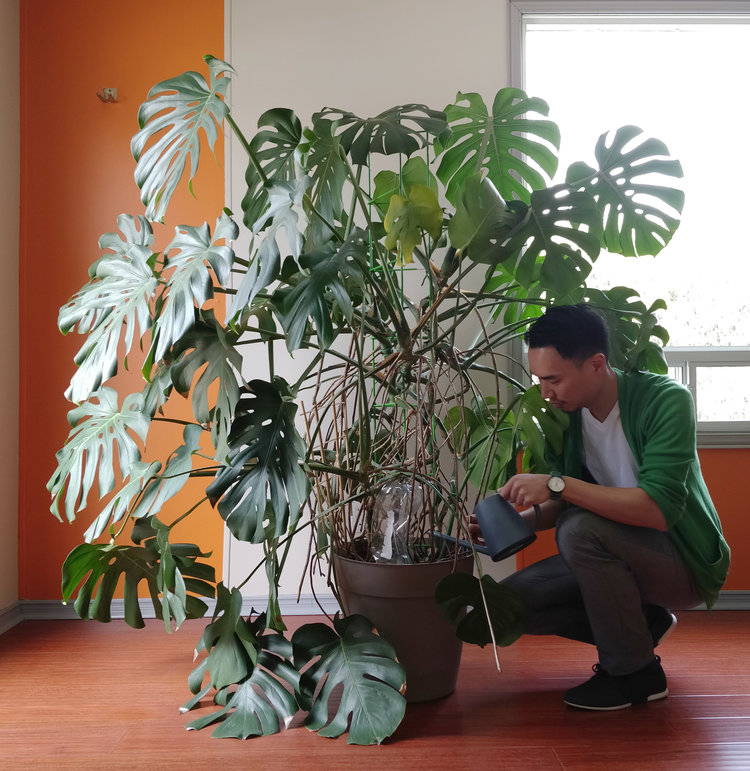
Cutting Monstera roots can improve the health of your plant. It can help control its size and encourage new growth. Follow these simple steps to ensure a successful process.
Preparing Your Plant
First, gather your tools. You will need sharp scissors or pruning shears. Clean them with rubbing alcohol to prevent infections.
Next, water your Monstera a day before cutting. This makes the roots easier to handle. Gently remove the plant from its pot. Shake off excess soil to expose the roots.
Examine the roots carefully. Identify any that are damaged, old, or rotting. These are the ones you will cut.
Proper Cutting Techniques
Use your clean scissors or pruning shears. Cut the unhealthy roots close to the main root ball. Make clean, straight cuts to avoid damaging the plant.
Trim any roots that are too long. This helps the plant fit back into its pot. Do not cut more than one-third of the root system. Cutting too much can stress the plant.
After cutting, let the roots dry for a few hours. This helps to seal the cuts and prevents rot. Replant your Monstera in fresh soil. Water it lightly and place it in a bright, indirect light.
Following these steps ensures your Monstera remains healthy and continues to thrive.
Post-pruning Care
Post-pruning care is essential for maintaining the health of your Monstera plant. After trimming the roots, the plant needs some extra attention to recover. Proper care will help it thrive and grow stronger.
Watering After Pruning
Water your Monstera immediately after pruning. This helps the plant recover. Ensure the soil is moist but not waterlogged. Check the top inch of soil before watering again. If dry, water the plant. This prevents root rot and promotes healthy growth.
Monitoring For Signs Of Stress
Watch for signs of stress after pruning. Yellowing leaves or wilting are indicators. If you notice these signs, check the soil moisture. Adjust watering if necessary. Ensure the plant gets enough indirect sunlight. This will support its recovery process.
Keep an eye on new growth. Healthy new leaves indicate that the plant is recovering well. If growth is slow or non-existent, reassess your care routine. Providing the right environment and attention is crucial for your Monstera’s health.
Benefits Of Pruning Monstera Roots
Trimming Monstera roots helps manage plant size and prevents overcrowding. It encourages new growth and improves overall plant health. Proper pruning also ensures better nutrient absorption.
Pruning Monstera roots can have many advantages for your plant’s health. By cutting back the roots, you help the plant grow better and avoid common issues.Promoting Healthy Growth
When you prune Monstera roots, you make room for new growth. This helps the plant absorb water and nutrients more effectively. Healthy roots lead to a healthy plant. Cutting away old or damaged roots helps the plant focus its energy on new growth. Pruning can also stimulate the plant to produce more leaves and stems.Preventing Root Bound Conditions
Monstera plants can become root-bound if left unchecked. This means the roots grow too tightly in the pot. When roots are crowded, they can’t absorb nutrients well. Pruning helps prevent this problem. By trimming the roots, you give them more space to spread out. This leads to better water and nutrient uptake. It also prevents the roots from circling the pot and causing damage.| Benefit | Description |
|---|---|
| Healthy Growth | Encourages new root and leaf growth. |
| Prevents Root Bound | Stops roots from becoming too crowded. |
- Encourages new root and leaf growth
- Stops roots from becoming too crowded
Common Mistakes To Avoid
When caring for your Monstera plant, root pruning can be necessary. But many plant owners make common mistakes. These mistakes can harm or even kill your plant. Knowing what to avoid ensures your Monstera stays healthy and vibrant.
Over-pruning Risks
One common mistake is over-pruning the roots. Cutting too many roots can shock the plant. This can stunt growth or cause yellowing leaves. Only trim dead, damaged, or excessively long roots. Always use clean, sharp scissors to avoid infection.
Neglecting Aftercare
Another mistake is neglecting aftercare. After pruning, the plant needs extra attention. Water the Monstera moderately. Avoid overwatering, as the plant is more vulnerable. Ensure the soil is well-draining. Place the plant in indirect sunlight. Monitor for signs of stress, like wilting or browning leaves.
Frequently Asked Questions
Should You Trim Monstera Aerial Roots?
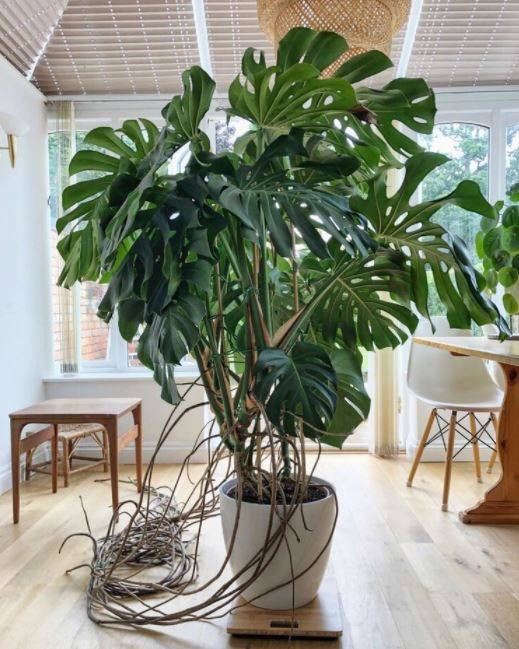
Yes, you can trim Monstera aerial roots if they become unruly. Use clean, sharp scissors. Trimming won’t harm the plant and helps manage its appearance.
How Often Should I Cut Monstera Roots?
Cut Monstera roots only when necessary. Check them every few months. Trim if they become too long or invasive.
What Tools Do I Need To Cut Monstera Roots?
Use clean, sharp scissors or pruning shears to cut Monstera roots. Disinfect tools before use to prevent infections.
Can Cutting Monstera Roots Damage The Plant?
No, cutting Monstera roots won’t damage the plant if done properly. Trim sparingly to maintain plant health and appearance.
Conclusion
Cutting Monstera roots is sometimes necessary. It helps control growth. It keeps plants healthy. Always use clean tools. Trim only when needed. Consider the plant’s health first. Prune to avoid root-bound situations. Monitor the plant’s response. With careful trimming, your Monstera will thrive.
Happy gardening!
Leave a Reply