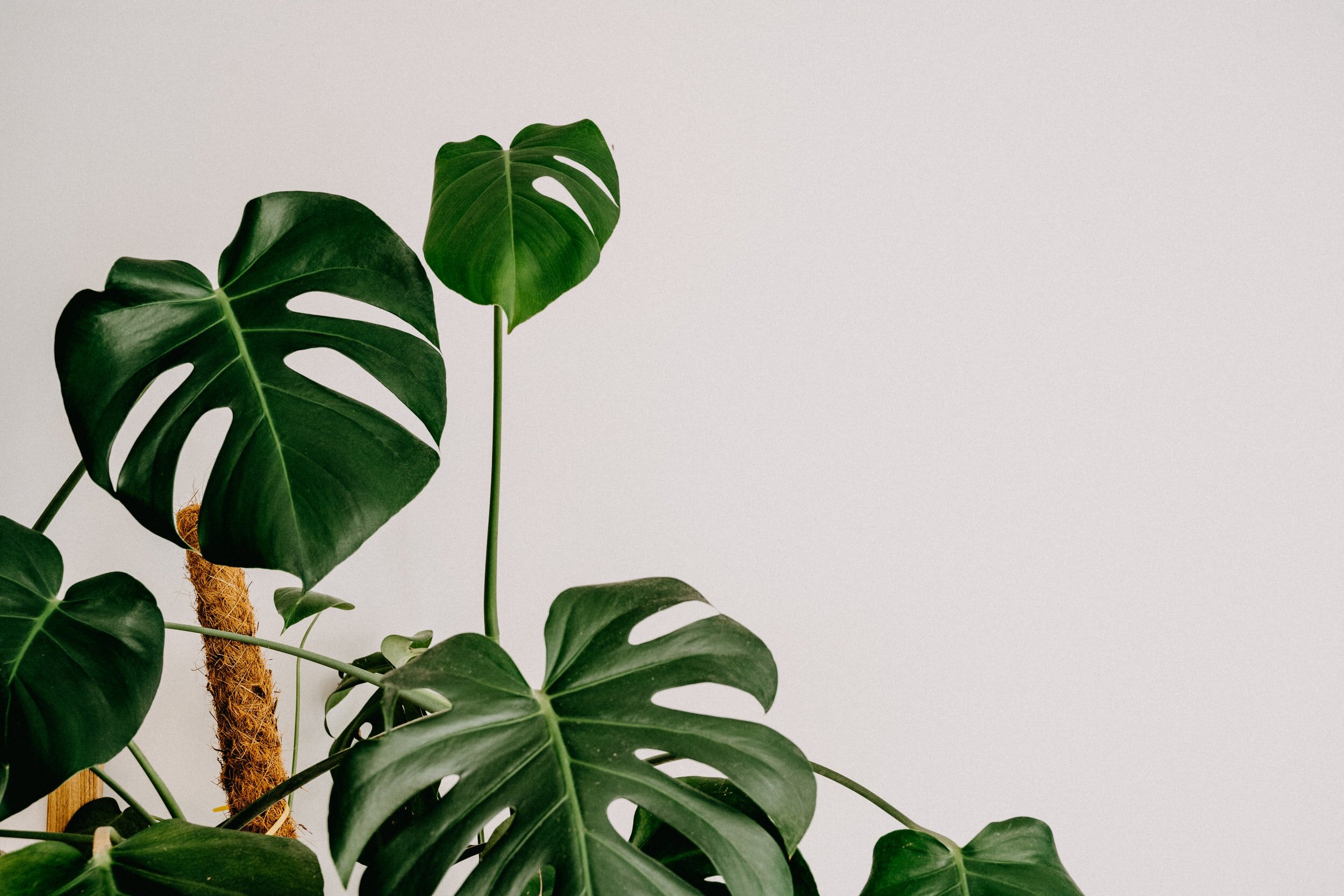
Yes, you should tie up your Monstera. Tying supports its growth and keeps it healthy.
Monsteras are beautiful, tropical plants known for their large, unique leaves. As they grow, they can become heavy and unruly. Tying your Monstera helps it stay upright and encourages better growth. It also prevents the plant from taking up too much space.
This care method can make your Monstera look more attractive and organized. In this post, we’ll explore why tying up your Monstera is beneficial and how to do it properly. Whether you’re a new plant parent or have experience, these tips will help you keep your Monstera thriving.
Benefits Of Tying Up Monstera
Monstera plants are popular houseplants known for their large, split leaves. Tying up your Monstera can provide many benefits. It can help the plant grow better and stay healthy. Let’s explore some of these benefits.
Encourages Growth
Tying up your Monstera can encourage it to grow taller and stronger. The plant will climb up the support, mimicking its natural habitat. This can help the Monstera produce more leaves. The plant can also develop a better shape.
Improves Airflow
Tying up your Monstera can improve the airflow around the plant. Better airflow can reduce the risk of mold and pests. It can also help the plant breathe better. This leads to a healthier and happier Monstera.

When To Tie Up Monstera
Knowing when to tie up your Monstera is essential for its health and growth. Monsteras, with their large, stunning leaves, can become quite heavy and unwieldy. Proper support can keep them looking their best and prevent damage.
Signs To Look For
There are several signs that indicate your Monstera needs support. First, check for drooping stems. If the plant starts leaning, it may need tying up. Another sign is when the leaves begin to touch the floor. This can cause damage to the leaves. Notice any exposed aerial roots. These roots can benefit from being guided upward. Finally, if you see the plant tipping over, it’s a clear sign. The Monstera needs support to stay upright.
Optimal Timing
The best time to tie up your Monstera is during its growing season. This usually occurs in spring and summer. During these months, the plant is actively producing new growth. Providing support during this time ensures the plant grows in the desired direction. Avoid tying up your Monstera during the winter. The plant is usually dormant and less responsive to changes. Always check the plant regularly. Adjust the ties as needed to avoid constriction and damage.
Tools And Materials Needed
To ensure your Monstera grows tall and strong, you need to provide some support. This involves tying it up using the right tools and materials. Below, we will explore the different types of supports and how to choose the right tie for your Monstera.
Types Of Supports
There are several types of supports you can use for your Monstera. Each type serves a different purpose based on the plant’s needs.
- Moss Poles: These provide a natural look and help the plant’s aerial roots attach easily.
- Trellises: Perfect for guiding the plant’s growth in a specific direction.
- Stakes: Simple and effective for providing vertical support.
- Wall Hooks: Ideal for training the plant to climb along a wall.
Choosing The Right Tie
Choosing the right tie is crucial to avoid damaging your Monstera. Here are some options:
- Garden Twine: Soft and flexible, ideal for gentle support.
- Velcro Plant Ties: Adjustable and reusable, great for long-term use.
- Soft Plant Ties: These are elastic and gentle on the plant stems.
- Zip Ties: Useful for a secure hold, but ensure they are not too tight.
Each of these materials has its advantages. Consider the size and weight of your Monstera when making your choice.
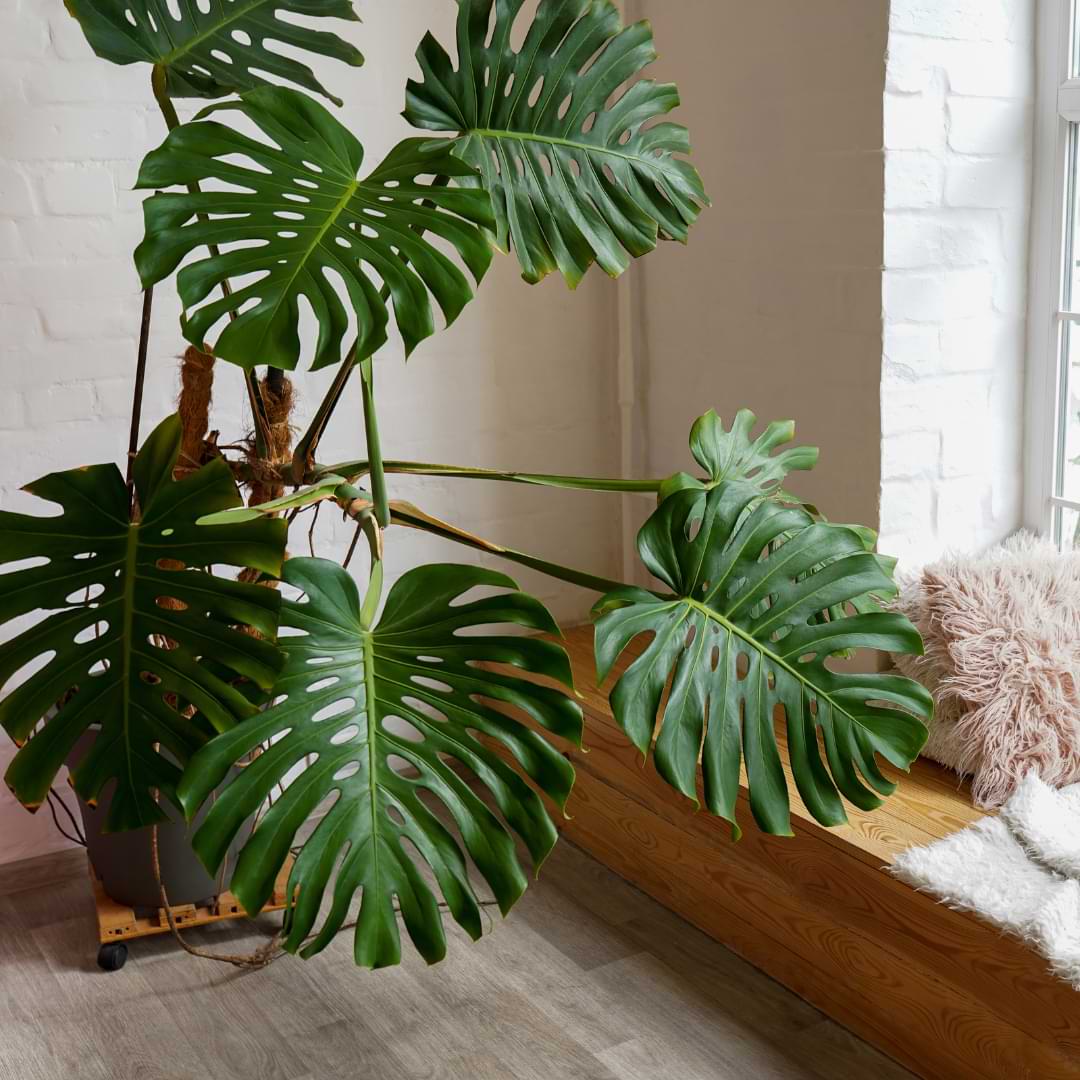
Step-by-step Guide
Monstera plants are popular for their stunning, large leaves and unique appearance. Tying up your Monstera helps it grow upright and supports its heavy stems. Follow this step-by-step guide to ensure your Monstera thrives.
Preparing The Plant
First, gather the necessary materials. You will need a sturdy stake or moss pole, gardening twine, and scissors. Place the stake or pole into the soil near the base of the plant. Ensure it is secure and stable.
Next, gently inspect your Monstera. Identify the stems that need support. Be careful not to damage any leaves or roots during this process. Clear away any debris or dead leaves from the base of the plant.
Securing The Stems
Begin by choosing the strongest stem. Gently wrap the gardening twine around the stem and the stake. Tie it in a loose knot to avoid harming the plant. Repeat this process for each stem that requires support.
Make sure each stem is secured at multiple points. This will provide better stability. Adjust the ties as needed to ensure the stems are supported but not constricted.
Regularly check the ties and adjust them as the plant grows. Your Monstera will thank you for the support and grow beautifully.
Common Mistakes To Avoid
When it comes to tying up your Monstera, there are common mistakes that many plant owners make. Avoiding these mistakes can help your plant thrive. Let’s dive into these common pitfalls.
Over-tightening Ties
One mistake is over-tightening the ties around the plant. This can damage the stems. It can also restrict the growth of the plant. Allow some room for the stems to move. This prevents any stress or damage.
Using Improper Materials
Using the wrong materials is another common mistake. Avoid using wires or hard strings. These can cut into the plant and cause harm. Soft ties or cloth strips work better. They are gentle on the plant and allow for growth.
Alternative Methods
Monstera plants are known for their large, stunning leaves and unique growth patterns. While tying up your Monstera can help it grow upright and prevent damage, there are several alternative methods that can provide support and enhance its natural beauty. In this section, we’ll explore two popular techniques: using stakes and training on a moss pole.
Using Stakes
Stakes are a simple yet effective way to support your Monstera. To use stakes, choose sturdy materials like bamboo or metal. Insert the stake into the pot, ensuring it’s deep enough to provide stability. Gently tie the Monstera stems to the stake using soft ties or plant clips. This method helps the plant stay upright and encourages vertical growth. Stakes are especially useful for smaller Monsteras or those with fewer aerial roots.
| Pros | Cons |
|---|---|
| Easy to install | May not support larger plants |
| Cost-effective | Less natural appearance |
| Adjustable as the plant grows | Requires regular maintenance |
Training On A Moss Pole
A moss pole is another great option for supporting your Monstera. Moss poles provide a natural surface for aerial roots to attach and climb. To train your Monstera on a moss pole, first, insert the pole into the pot. Ensure it’s securely anchored. Then, gently tie the stems to the pole using soft ties or plant clips. As the plant grows, its aerial roots will cling to the moss, promoting healthy, vertical growth.
- Natural appearance: Moss poles blend well with the plant’s aesthetic.
- Encourages healthy growth: Supports the plant’s natural climbing habit.
- Improves humidity: Moss retains moisture, benefiting the plant.
Both stakes and moss poles offer effective ways to support your Monstera. Consider the size of your plant, your aesthetic preferences, and the level of maintenance you’re comfortable with. Each method has its own benefits, so choose the one that best suits your needs.
Maintaining A Tied-up Monstera
Maintaining a tied-up Monstera can be a rewarding task. Keeping your plant supported helps it grow healthily and beautifully. Below are some essential tips to ensure your Monstera thrives while tied up.
Regular Inspections
Regular inspections are crucial for a healthy Monstera. Check the ties and the overall plant condition weekly. Look for any signs of stress or damage. Make sure the ties are not cutting into the stems.
| Inspection Task | Frequency |
|---|---|
| Check Ties | Weekly |
| Inspect Leaves | Weekly |
| Check Soil Moisture | Twice a Week |
Adjusting Ties As Needed
Over time, your Monstera will grow and the ties may need adjustments. Adjust the ties gently to avoid damaging the stems.
- Untie old ties carefully.
- Reposition the ties to support new growth.
- Ensure the ties are not too tight.
Use soft materials for tying, like garden twine or fabric strips. This prevents cutting into the plant. Ensure the ties are secure but allow room for growth.
By keeping up with regular inspections and adjusting ties, your Monstera will stay healthy and vibrant. Happy growing!
Expert Tips And Tricks
Deciding to tie up your Monstera can improve its growth and health. This guide offers expert tips and tricks to help you. Learn how to promote aerial roots and support heavy leaves.
Promoting Aerial Roots
Aerial roots help Monstera climb and absorb nutrients. Encouraging these roots can improve plant stability and health.
- Use a moss pole: Insert a moss pole into the soil. Tie the Monstera stem to the pole with soft ties.
- Keep roots moist: Mist the aerial roots regularly. This encourages growth and attachment.
- Provide proper light: Place your Monstera in indirect sunlight. Good lighting promotes root growth.
Supporting Heavy Leaves
Monstera leaves can become heavy as they grow. Supporting them ensures they don’t damage the plant.
- Use plant ties: Soft plant ties can secure leaves to a support structure. Avoid tight knots to prevent damage.
- Install a trellis: A trellis provides excellent support. It allows the plant to grow vertically.
- Prune when necessary: Remove old or damaged leaves. This helps reduce the overall weight.
Follow these expert tips to ensure your Monstera thrives. Proper support and care are key to a healthy plant.
Frequently Asked Questions
Why Should I Tie Up My Monstera?
Tying up a Monstera supports its growth and prevents stem damage. It also promotes better light exposure and airflow.
How Do I Tie Up My Monstera?
Use soft plant ties or twine to gently secure the stems to a stake or trellis for support.
What Materials Are Best For Tying Monsteras?
Soft plant ties, garden twine, or even old pantyhose are ideal for tying up Monsteras, avoiding damage.
When Should I Tie My Monstera?
Tie your Monstera when it starts to grow large and heavy, causing stems to droop or bend.
Conclusion
Tying up your Monstera offers many benefits. It promotes healthy growth. It also saves space and enhances its appearance. A sturdy support helps your plant thrive. Consider your plant’s needs and environment. Decide if staking will benefit your Monstera. Healthy, happy plants make beautiful homes.
Enjoy your gardening journey!
Leave a Reply