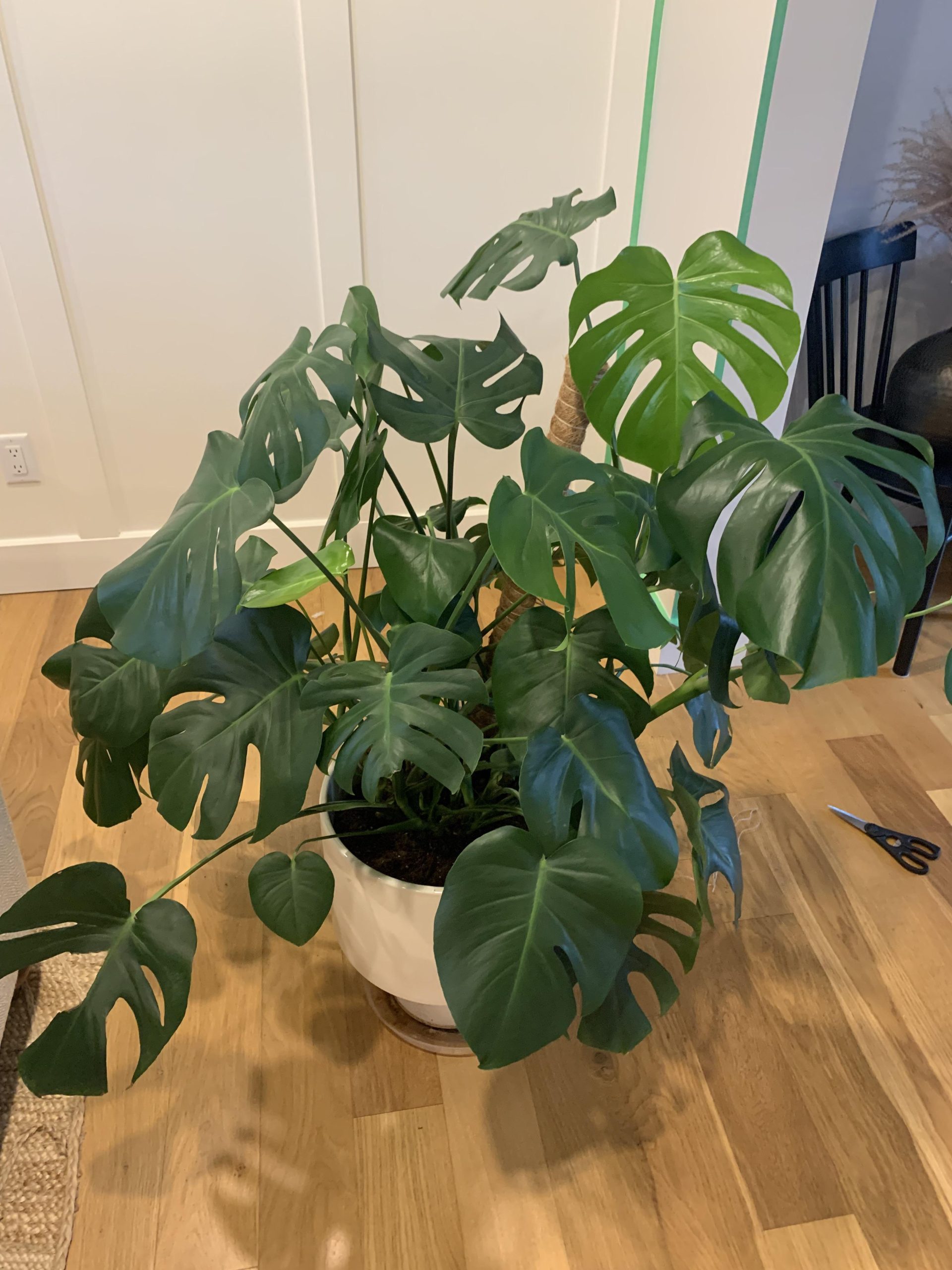
Yes, you should split your Monstera. Doing so can help it grow better and make it easier to manage.
Monsteras are popular houseplants known for their striking, large leaves. These plants can grow quite large, sometimes outgrowing their pots. Splitting your Monstera can be a good solution. It helps the plant stay healthy and gives you more plants to enjoy or share.
In this blog post, we’ll explore the reasons for splitting your Monstera, how to do it, and what benefits you can expect. Whether you’re a seasoned plant parent or new to the world of houseplants, this guide will offer valuable insights. Let’s dive in and learn more about caring for your Monstera.
Why Split Your Monstera
Monstera plants are popular for their beautiful, large leaves. As they grow, they may become too big for their pot. Splitting your Monstera can help it stay healthy and manageable. Here, we will explore the key reasons for splitting your Monstera plant.
Encouraging Healthy Growth
Splitting your Monstera encourages healthy growth. When a Monstera becomes too crowded, its roots can struggle for space and nutrients. This can lead to poor health and stunted growth.
By splitting the plant, you give each section more room to grow. This helps the roots to spread out and absorb nutrients better. As a result, your Monstera will grow stronger and healthier.
Another benefit of splitting is that it allows you to check the roots for any signs of disease. Healthy roots are crucial for a thriving plant. Splitting gives you the chance to trim away any unhealthy parts.
Managing Plant Size
Monsteras can grow very large. If you do not have enough space, this can become a problem. Splitting your Monstera helps you manage its size more effectively.
When you split the plant, you can keep it at a size that fits your space. This also makes it easier to handle and care for. A smaller, well-maintained plant is often healthier than an overcrowded one.
Splitting your Monstera also gives you the opportunity to propagate new plants. You can share these with friends or add them to other parts of your home. This way, you get the joy of multiple plants without the hassle of one giant Monstera.
| Benefits | Description |
|---|---|
| Encourages Healthy Growth | Gives roots more space and checks for diseases. |
| Manages Plant Size | Keeps plant size suitable for your space and allows propagation. |
Signs Your Monstera Needs Splitting
Monstera plants are known for their stunning, split leaves and easy care. However, they can outgrow their pots. Recognizing signs that your Monstera needs splitting can help you keep it healthy. Let’s explore the key indicators.
Overcrowded Roots
Check the pot for root congestion. If roots are tightly packed, it’s a sign. They may circle the pot or grow out of drainage holes. Overcrowded roots struggle to get nutrients. This can lead to a weaker plant. Splitting the Monstera helps it grow better.
Stunted Growth
Notice if your Monstera’s growth has slowed. This might mean it needs more space. New leaves should appear regularly. If they don’t, the plant is likely outgrowing its pot. Splitting can give it the room it needs to thrive. Healthy growth resumes with more space.
Best Time To Split Monstera
Splitting your Monstera can help it grow healthier and stronger. But timing is crucial. Choosing the right moment ensures the plant thrives after the split. Let’s look at the best time to split your Monstera for optimal results.
Seasonal Considerations
Spring is the best season to split your Monstera. During this time, the plant is in its active growth phase. Warmer temperatures and longer days provide the perfect conditions for recovery and new growth.
Avoid winter months. The plant is in a dormant stage during winter. Splitting it then can stress the plant, leading to poor recovery.
Summer can also be suitable, but be cautious of high temperatures. Too much heat can stress the plant. Ensure it stays in a well-ventilated and shaded area after splitting.
Here is a quick summary:
| Season | Suitability for Splitting |
|---|---|
| Spring | Best |
| Summer | Good (with caution) |
| Autumn | Not ideal |
| Winter | Worst |
Plant Health Indicators
Healthy roots are a key indicator for splitting. Check for thick, white roots. Avoid splitting if roots are thin and brown.
New growth is another sign. If you see new leaves or stems, the plant is ready. It indicates active growth and a strong root system.
Overcrowding is a clear indicator. If your Monstera looks cramped in its pot, it’s time to split. Overcrowded roots can hinder growth.
Wilting or yellowing leaves can be signs of stress. Avoid splitting if your plant shows these symptoms. Instead, focus on improving its health first.
Remember these key health indicators:
- Healthy, thick roots
- Presence of new growth
- Overcrowded appearance
- No wilting or yellowing leaves
By watching for these signs, you can ensure your Monstera is ready for a successful split.

Tools Needed For Splitting
Splitting a Monstera plant can seem daunting, but the right tools make it easier. In this section, we’ll cover the essential gardening tools and protective gear needed for the task.
Essential Gardening Tools
Having the right tools is crucial. Here are the essential gardening tools you need:
- Sharp Knife – A clean, sharp knife ensures precise cuts.
- Pruning Shears – Ideal for trimming roots and leaves.
- Garden Trowel – Useful for digging and separating roots.
- Clean Containers – Necessary for replanting the split Monstera.
Protective Gear
Protective gear is just as important as your tools. Here’s what you’ll need:
- Gloves – Protect your hands from cuts and dirt.
- Apron – Keep your clothes clean during the process.
- Safety Goggles – Shield your eyes from debris.
With these tools and protective gear, you’re ready to split your Monstera plant safely and effectively.
Step-by-step Splitting Process
Splitting your Monstera can keep it healthy and thriving. This process also helps control its size and promotes new growth. Follow this step-by-step guide to split your Monstera successfully.
Preparing Your Monstera
First, choose the right time to split your Monstera. Early spring is ideal as plants are in their growing phase. Ensure your plant is healthy and has multiple stems. Water your Monstera a day before splitting. This makes the roots easier to work with. Gather necessary tools: a sharp knife, clean pots, and fresh soil.
Executing The Split
Start by gently removing the Monstera from its pot. Shake off excess soil to expose the roots. Identify natural divisions in the root system. Use a sharp knife to carefully cut through these sections. Make sure each section has at least one stem and healthy roots.
Plant each divided section in a new pot with fresh soil. Water the newly potted plants well. Place them in a bright, indirect light spot. Monitor them over the next few weeks for signs of new growth.

Post-splitting Care
After splitting your Monstera, it’s essential to provide proper care to ensure its healthy growth. Post-splitting care involves a few crucial steps to help your plant thrive in its new environment.
Watering And Feeding
Water your Monstera carefully after splitting. Ensure the soil is moist but not waterlogged. Overwatering can cause root rot. Check the soil moisture regularly. Use a balanced liquid fertilizer every two weeks during the growing season. This helps provide essential nutrients for recovery and growth.
Monitoring Plant Health
Keep an eye on your Monstera’s health. Look for signs of stress, like yellowing leaves or wilting. These can indicate issues such as overwatering, underwatering, or poor light conditions. Adjust care practices as needed. Ensure the plant gets adequate indirect sunlight. Rotate the pot occasionally for even light distribution.
Common Mistakes To Avoid
Splitting your Monstera can be a daunting task. Avoiding common mistakes is crucial for the health of your plant. Let’s dive into the mistakes you should steer clear of to ensure a successful split.
Improper Timing
Timing is everything when splitting a Monstera. Splitting during the wrong season can harm the plant.
- Do not split during winter: The plant is less active and might not recover well.
- Spring or early summer is best: The plant is in its growth phase.
Always check the health of your Monstera before splitting. A weak plant might not survive the process.
Neglecting Aftercare
Aftercare is just as important as the splitting itself. Neglecting aftercare can lead to problems.
| Aftercare Task | Importance |
|---|---|
| Watering | Keep soil moist but not waterlogged. |
| Light | Provide indirect sunlight to avoid stress. |
| Humidity | Maintain high humidity levels. |
Monitor your Monstera closely after the split. Look for signs of stress or disease. Proper aftercare ensures that your Monstera thrives post-split.
Benefits Of A Split Monstera
Splitting your Monstera can bring many benefits to both you and your plant. This process involves dividing the plant into smaller sections. This can help improve its overall health and appearance. Below, we will discuss some of the main advantages of having a split Monstera.
Enhanced Aesthetic Appeal
A split Monstera can enhance the visual appeal of your space. By dividing the plant, you can create more symmetrical and balanced shapes. This makes the plant look more attractive. Smaller sections can be placed in different parts of your home. This can help create a cohesive and green environment. It can also be a great way to share your plant with friends and family. They too can enjoy the beauty of a Monstera.
Healthier Plant Growth
Splitting your Monstera can lead to healthier plant growth. Overcrowding can restrict root expansion and nutrient absorption. By splitting, each section gets more space to grow. This promotes better root development. Each new plant section can absorb nutrients more effectively. This can result in lush and vibrant foliage. Additionally, splitting can help identify and remove any diseased parts. This can prevent the spread of illness, ensuring a healthier Monstera.

Frequently Asked Questions
Why Should I Split My Monstera?
Splitting your Monstera can promote healthier growth and prevent overcrowding. It allows the plant to thrive better and makes it easier to manage.
When Is The Best Time To Split Monstera?
The best time to split your Monstera is during its active growing season, typically in spring or early summer.
How Do I Know If My Monstera Needs Splitting?
If your Monstera looks crowded, roots are bound, or growth is stunted, it likely needs splitting.
What Tools Do I Need To Split A Monstera?
You will need a clean, sharp knife or shears, gloves, and new pots with fresh soil.
Conclusion
Splitting your Monstera can help it thrive. It encourages new growth. This process is simple with the right tools and care. Always check the plant’s health before splitting. Healthy Monsteras recover quickly and grow better. This practice can also prevent overcrowding in pots.
So, consider splitting your Monstera for a healthier, more vibrant plant. Happy gardening!
Leave a Reply