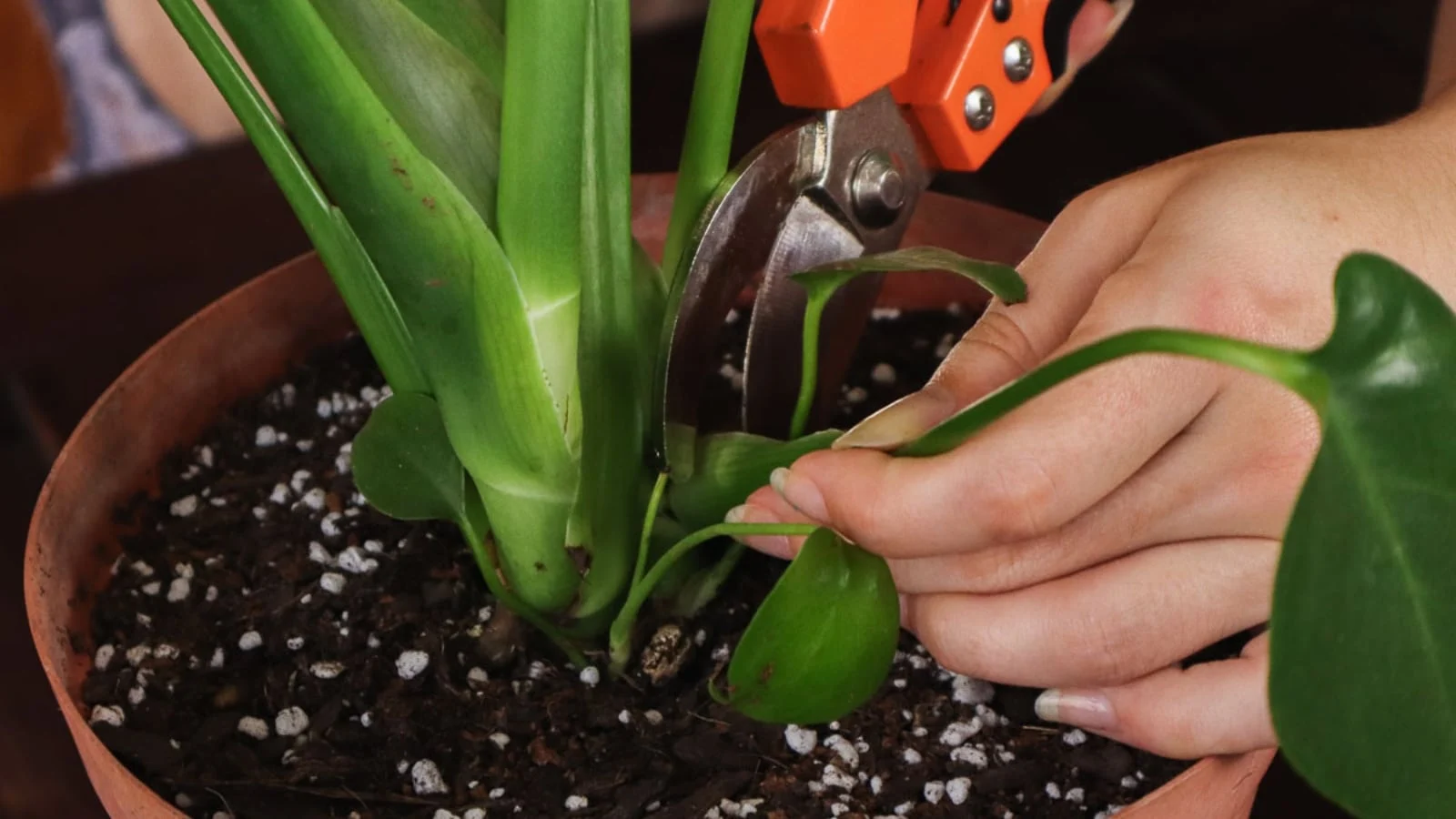
Yes, cutting off yellow leaves from your Monstera can be beneficial. These leaves often indicate a problem.
Your Monstera is a stunning centerpiece in any room, with its wide, green leaves unfurling to create a tropical feel. But what happens when yellow leaves interrupt this lush greenery? Should you cut them off, and if so, why? Understanding the health of your Monstera is key to keeping it vibrant and growing.
Yellow leaves can signal several issues, from natural aging to more serious problems like overwatering or lack of nutrients. Knowing when to snip away yellowed foliage can prevent the spread of potential issues and encourage healthier growth. This post will explore the reasons behind yellow leaves on your Monstera and guide you on whether to reach for the pruning shears. Keep your indoor jungle thriving with the right know-how!
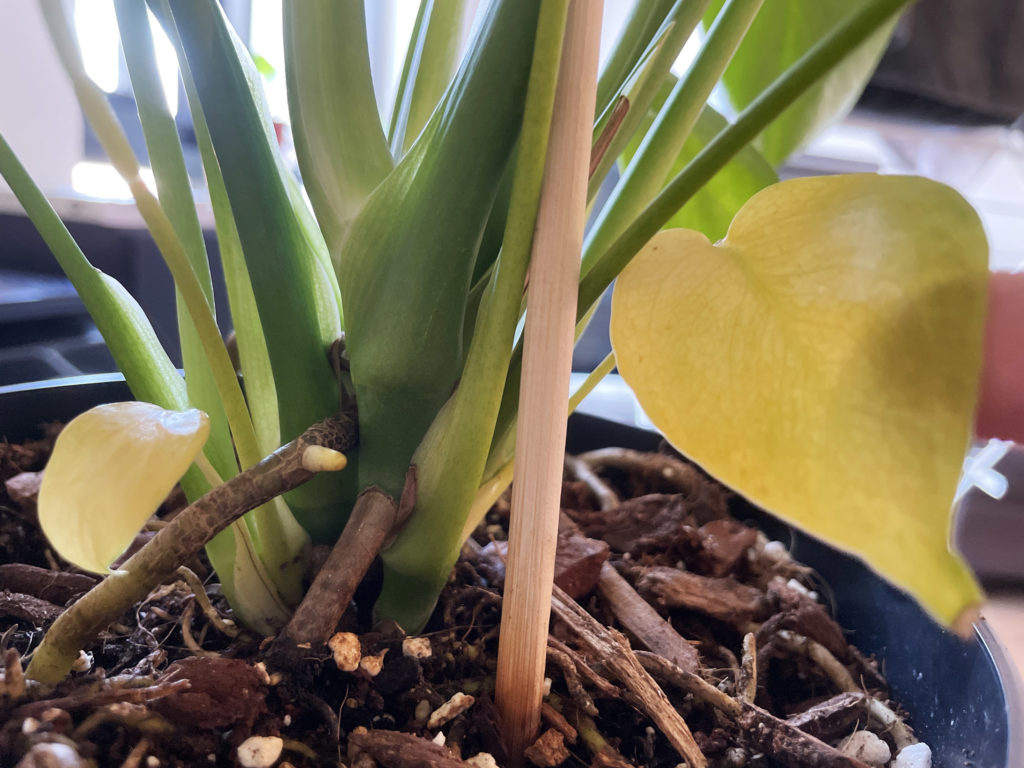
Signs Of Yellow Leaves
Monstera plants bring a touch of the tropics to any indoor space, but sometimes their lush green leaves start to turn yellow. This change can signal various issues, from natural aging to more serious problems. Understanding the signs of yellow leaves on your Monstera is key to keeping it healthy and vibrant.
Causes Of Yellowing
Yellow leaves on a Monstera can be caused by several factors. It’s like a puzzle where you need to fit the right pieces to solve the mystery. Let’s explore some common causes:
- Watering Issues: Both overwatering and underwatering can lead to yellow leaves. Monsteras prefer soil that is moist but not soaked.
- Light Conditions: Too much direct sunlight can scorch leaves, while too little light can cause them to yellow and droop.
- Nutrient Deficiencies: A lack of essential nutrients, especially nitrogen, can rob leaves of their green color.
- Pests and Diseases: Spider mites, scale, and root rot are just a few culprits that can cause yellowing leaves.
But there’s more. Let’s put this into a table to see the big picture:
| Cause | Quick Fix |
|---|---|
| Overwatering | Let soil dry out; ensure proper drainage |
| Underwatering | Water more frequently; monitor soil moisture |
| Too Much Light | Move plant to a shadier spot |
| Not Enough Light | Place closer to a light source |
| Nutrient Deficiency | Use a balanced fertilizer |
| Pests/Diseases | Identify and treat with appropriate methods |
When To Worry
Yellow leaves on your Monstera can be normal, but sometimes they signal a red flag. It’s crucial to know when to take action. Here are some worry-worthy signs:
- Multiple Yellow Leaves: One or two yellow leaves might not be a concern, but if several are yellowing, it’s time to investigate.
- Leaves Yellowing Quickly: Leaves that turn yellow rapidly suggest a serious issue that needs immediate attention.
- Other Symptoms: Look for signs like drooping, spots, or pests along with yellowing.
Consider these points:
- Check the watering schedule. Are you following the Goldilocks rule – not too much, not too little?
- Assess the light. Does your Monstera get the right amount and type of light?
- Examine the soil. Is it well-draining or compacted and wet?
- Look for pests. Are there unwanted guests on your plant?
Remember, early detection is key. If you notice any of these signs, act fast to give your Monstera the care it needs. This way, you can ensure your plant stays as stunning as the day you got it.
Impact Of Yellow Leaves
Monstera plants, with their lush green leaves, are a stunning addition to any indoor space. But what happens when these leaves turn yellow? It’s a signal that your Monstera might need attention. Yellowing leaves can affect both the beauty and health of the plant. Understanding why leaves turn yellow and the impact it has is crucial. Should you cut them off? Let’s dive into the reasons behind the yellowing leaves and how they affect your Monstera’s overall well-being.
Aesthetic Concerns
When you spot yellow leaves on your Monstera, the visual appeal of your vibrant green plant diminishes. This discoloration can be a sore sight in a room full of lush foliage. Here are some aesthetic impacts of yellow leaves on your Monstera:
- Unpleasant appearance: Yellow leaves can make your plant look sick and less attractive.
- Imbalanced shape: Removing yellow leaves can help maintain a balanced, symmetrical look.
Consider this: a thriving Monstera is a centerpiece in home decor. Yellow leaves detract from its beauty. To preserve the aesthetic appeal, assess and remove yellow leaves carefully. This keeps your Monstera looking its best.
Plant Health
Yellow leaves are not just a cosmetic issue; they reflect the health of your Monstera. Here’s why healthy leaves matter:
- Signs of distress: Yellow leaves often indicate stress from overwatering, poor lighting, or nutrient deficiencies.
- Energy allocation: A plant with yellow leaves may be diverting energy away from healthy growth.
It is vital to understand that yellow leaves can be a normal part of growth. Older leaves may yellow and drop as new foliage emerges. However, if yellowing is widespread, it’s a distress call. Addressing the underlying issue is critical for your Monstera’s health. In some cases, cutting off the yellow leaves is beneficial. It allows your plant to focus on new, healthy growth. Always inspect the entire plant to make sure no other parts are affected.
Cutting Off Yellow Leaves
Seeing yellow leaves on your Monstera can be alarming. The big question is, should you cut them off? Cutting off yellow leaves can be good for your plant. Let’s dive into why and how to do it right.
Benefits Of Pruning
Pruning, or cutting off yellow leaves, helps your Monstera in several ways:
- Boosts growth: Removing yellow leaves directs energy to healthy parts.
- Improves health: It prevents disease spread.
- Enhances appearance: Your plant looks better without yellow leaves.
Think of pruning like giving your plant a check-up. It helps catch problems early. Here’s a simple table explaining the benefits:
| Benefit | Explanation |
|---|---|
| Boosts Growth | Energy goes to healthy leaves. |
| Improves Health | Stops diseases from spreading. |
| Enhances Appearance | Makes your plant look fresh. |
Remember, a healthy Monstera is a happy Monstera. Pruning plays a key role in its well-being.
Best Practices
Here are some tips to prune your Monstera correctly:
- Use clean tools: Always sterilize your scissors or shears.
- Be gentle: Cut close to the main stem, but not too close.
- Choose the right time: Early spring is best for pruning.
It’s not just about cutting off the bad parts. It’s about doing it safely:
- Wash your tools with soap and water.
- Make a clean cut without tearing the stem.
- Avoid pruning too much at once. Stick to the yellow leaves.
By following these steps, you help your Monstera thrive. Think of it as a helping hand, guiding your plant towards better health and growth.
Common Misconceptions
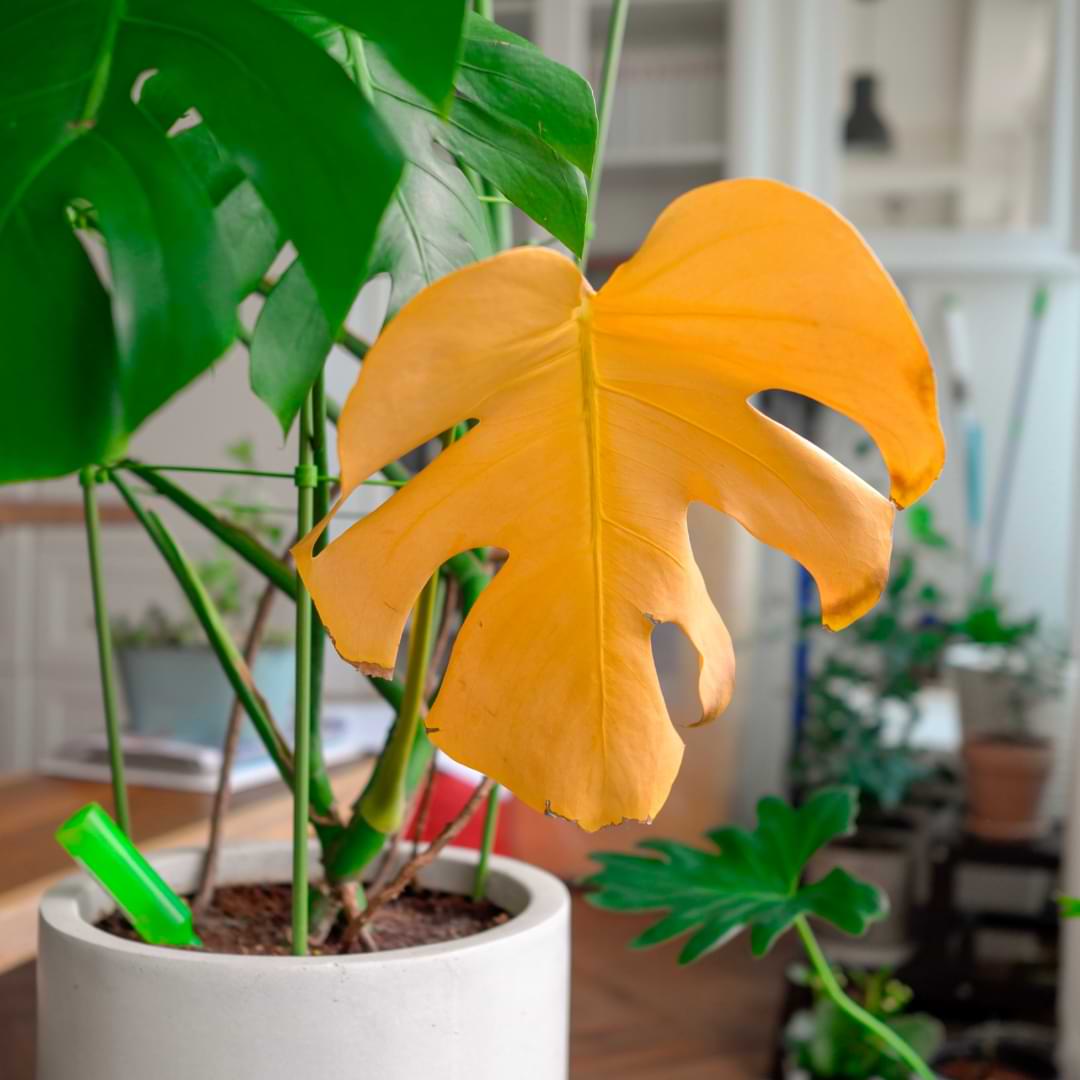
When it comes to maintaining the lush, vibrant look of your Monstera plant, yellow leaves can be a sign of trouble. It’s tempting to snip them off, but is that the right move? There are several common misconceptions about caring for these tropical beauties, especially concerning their foliage. Let’s debunk some myths and clarify the best practices for keeping your Monstera healthy and happy.
All Leaves Matter
Your Monstera’s leaves are a window to its overall health. Yellow leaves often prompt a quick reaction to cut them off, but let’s explore why they may not always be the best approach:
- Photosynthesis: Even yellow leaves can contribute to the plant’s growth by photosynthesizing.
- Stress: Suddenly removing leaves can stress the plant, leading to more yellowing.
- Indicators: Yellow leaves can indicate other issues that need addressing first.
Instead of cutting, consider these steps:
- Check the lighting conditions; too much or too little light can cause yellowing.
- Ensure the watering schedule is consistent with the plant’s needs.
- Look for signs of pests or disease that may be affecting the leaves.
If the yellow leaves are dead or severely damaged, removing them helps the plant focus its energy on new growth. Just be sure to use clean, sharp scissors and make a clean cut without damaging the main stem.
Ignoring The Roots
The roots of your Monstera are as important as the leaves. They are the lifeline, absorbing water and nutrients essential for growth. Ignoring the roots when you spot yellow leaves is a common mistake. Here’s why:
- Overwatering: This can lead to root rot, which often shows as yellow leaves above.
- Underwatering: Roots can dry out, weakening the plant and causing leaf discoloration.
- Pot size: A pot that’s too small can restrict root growth and affect overall health.
What can you do to ensure the roots aren’t the cause of yellowing?
- Check the soil moisture with your finger; it should be damp but not soggy.
- Examine the roots by gently removing the plant from the pot; healthy roots are firm and white.
- Choose the right pot size with adequate drainage to prevent water from pooling.
Remember, healthy roots lead to a thriving plant. So, before you reach for the scissors to cut off yellow leaves, take a moment to inspect the root system. It might just be the hero your Monstera needs.
Alternatives To Cutting
Noticing yellow leaves on your Monstera can be disheartening. Before reaching for the scissors, consider alternatives that might save these yellowed treasures. Sometimes, a simple change in care can restore the vibrant green you love. Let’s dive into some effective strategies that could turn things around without the need for cutting.
Nutrient Adjustments
Yellow leaves may signal a cry for help in the nutrient department. Here’s what you can do:
- Check the soil: Ensure your Monstera’s home has the right mix for healthy growth. A balance of peat, pine bark, and perlite is ideal.
- Fertilize wisely: During the growing season, feed your plant every month with a balanced, water-soluble fertilizer.
- Spot nutrient deficiencies: If you see yellowing, consider if your Monstera lacks certain elements.
| Nutrient | Deficiency Sign | Action |
|---|---|---|
| Nitrogen | Older leaves turn yellow | Increase nitrogen-rich fertilizer |
| Magnesium | Yellow leaves with green veins | Add Epsom salts to water |
| Iron | New growth is yellow | Apply chelated iron |
By adjusting nutrients, you might save the yellow leaves and boost overall plant health.
Watering Techniques
Watering plays a crucial role in Monstera’s well-being. Here are some tips:
- Consistency is key: Water when the top inch of soil is dry. This prevents both over and under-watering.
- Drainage is a must: Ensure your pot has holes. Good drainage stops water from sitting around roots.
- Use the right water: Monsteras prefer filtered or rainwater. Tap water can sometimes contain harmful minerals.
Remember these points:
- Season matters. Water less in winter, more in summer.
- Humidity levels affect watering needs. More humidity means less frequent watering.
Adjust your watering technique and watch your Monstera’s leaves for signs of improvement. With patience and care, you can often revive yellowing leaves without cutting them off. This nurtures a fuller, healthier Monstera over time.

Post-cutting Care
After cutting off yellow leaves from your Monstera, proper care is crucial. This step helps your plant recover and grow healthy. Let’s dive into the post-cutting care needed to support your Monstera’s recovery and growth.
Supporting New Growth
Once you remove the yellow leaves, your Monstera will need extra care to sprout new, healthy leaves. Here’s how to support this new growth:
- Water properly: Keep the soil moist but not soggy. Water when the top inch of soil feels dry.
- Provide light: Ensure your Monstera gets indirect, bright light. Too much direct sunlight can harm it.
- Feed it right: Use a balanced, water-soluble fertilizer every month during the growing season.
- Check the humidity: Monstera plants love humidity. Aim for 60% humidity around your plant.
- Repot if needed: If the plant is too big for its pot, consider repotting to give it more room to grow.
By following these steps, you encourage your Monstera to focus its energy on producing new, vibrant leaves.
Monitoring Changes
After cutting yellow leaves and taking care of your Monstera, keep an eye on how it responds. Monitoring changes helps you adjust care as needed. Look for:
- New growth: Are new leaves sprouting? This is a good sign your plant is recovering.
- Leaf color: Watch for leaves turning yellow or brown. This might indicate too much water or not enough light.
- Soil condition: Check the soil moisture. Overwatering can lead to root rot, a serious issue for Monsteras.
- Pest problems: Inspect your plant for pests. Early detection makes treatment easier.
Record your observations in a plant care journal. This practice helps you track your Monstera’s health over time. Adjust care routines based on what you observe. Healthy Monsteras have glossy, green leaves and strong stems.
Preventing Yellow Leaves
Seeing the broad, vibrant leaves of your Monstera turn yellow can be worrisome. Before you consider cutting off these yellow leaves, it’s crucial to tackle the root of the issue. A proactive approach to prevent yellow leaves can keep your Monstera thriving. Let’s delve into the essentials of light and soil health to maintain that lush green foliage.
Optimal Light Conditions
Monstera plants crave the perfect balance of light. Too much sun scorches leaves, while too little leads to yellowing. Aim for bright, indirect light. Here’s how to achieve this:
- Place your Monstera near a window with sheer curtains to diffuse direct sunlight.
- Rotate your plant regularly to ensure even light distribution.
- Avoid dark corners where the lack of light can weaken your plant.
A light meter can help monitor exposure. Below is a simple guide to help you understand the light needs:
| Light Condition | Monstera Response |
|---|---|
| Bright Indirect Light | Healthy growth, vibrant leaves |
| Low Light | Yellowing leaves, slow growth |
| Direct Sunlight | Burnt leaves, faded color |
Adjust your Monstera’s position with the seasons. Winter may require closer proximity to a light source, while summer might call for some shade. It’s all about balance.
Soil Health
The right soil mix and proper watering habits are key to preventing yellow leaves. Your Monstera’s soil should be rich and well-draining. Here’s what to consider for soil health:
- Use a peat-based potting mix with perlite or sand to improve drainage.
- Check that pots have drainage holes to prevent waterlogged soil.
- Water only when the top inch of soil feels dry.
Overwatering is a common mistake. It leads to root rot, which turns leaves yellow. Stick your finger into the soil to test moisture. If it’s damp, wait a day or two before watering. A simple table can help you track your watering schedule:
| Season | Watering Frequency |
|---|---|
| Spring/Summer | Once a week |
| Fall/Winter | Every other week |
Remember to adjust based on your home’s humidity and temperature. With the right light and soil care, your Monstera’s leaves will stay green and vibrant.
When To Seek Help
Monstera plants bring lush beauty to a home, but yellow leaves can be a sign of trouble. It’s vital to know when to seek help for your leafy friend. Sometimes, a few yellow leaves are normal, as older leaves make way for new growth. But, if yellowing is widespread or comes with other symptoms, it might be time to act. Let’s dive into when it’s more than just a natural process and how to identify when expert intervention is necessary.
Identifying Pests
Pests can be silent assailants of your Monstera, leading to yellowing leaves. It’s essential to catch these critters early to save your plant. Look out for:
- Spider mites: Tiny spiders that leave fine webs on leaves.
- Mealybugs: White, cottony bugs hiding in leaf nooks.
- Scale: Brown or tan bumps on stems and leaves.
- Thrips: Tiny, fast-moving insects that can cause stippling on leaves.
Use a magnifying glass to spot these pests, and check under leaves and along stems. If pests are found, isolate your Monstera to prevent spread to other plants. Clean the leaves with soapy water or neem oil. For severe infestations, consider organic or chemical treatments.
| Pest | Appearance | Action |
|---|---|---|
| Spider Mites | Fine webs, yellow spots | Isolate, clean, treat |
| Mealybugs | White, cottony masses | Isolate, alcohol swab, treat |
| Scale | Brown/tan bumps | Isolate, oil treatment |
| Thrips | Stippled leaves, fast-moving | Isolate, sticky traps, treat |
Remember, persistent pests or widespread damage call for professional advice.
Consulting Experts
When home remedies don’t help, or you’re unsure what’s wrong, it’s time to consult experts. They can offer:
- Accurate Diagnosis: Pinpointing the exact issue causing yellow leaves.
- Custom Solutions: Tailored advice for your Monstera’s environment and health.
- Advanced Care Tips: Insight into proper plant care, beyond the basics.
Local nurseries, extension services, or a trusted online plant community can provide expert opinions. Bring them:
- A detailed description of the issue.
- Photos of the yellow leaves and plant.
- Notes on recent changes in care or environment.
Experts may suggest soil tests, nutrient adjustments, or changes in lighting or watering. For tough cases, a professional plant doctor might be needed. They can provide treatments or supplements that revive your Monstera.
Don’t wait too long to seek help. The faster you act, the better your chances of saving your green friend. Remember, caring for a Monstera is a journey that sometimes requires a bit of expert help!
Personal Experiences
Many Monstera lovers face a common question: Should I cut off yellow leaves? Through personal experiences, we learn the best care for our plants. Let’s dive into real success stories and lessons learned from handling yellow leaves on Monstera plants.
Success Stories
Many have seen their Monstera thrive after removing yellow leaves. Here are some highlights:
- Improved Plant Health: Cutting off yellow leaves sends energy to healthier parts.
- Better Growth: Plants focus on new, green growth.
- Prevents Disease: Yellow leaves can be a sign of disease. Removing them helps.
For example, Sarah noticed her Monstera’s new leaves were larger and greener after she started regularly removing the yellow ones. She used clean scissors and cut close to the main stem. This small step made a big difference.
| Before | After |
|---|---|
| Yellow, drooping leaves | Lush, green growth |
| Slow growth | Fast, vibrant new leaves |
Lessons Learned
Not all stories are about instant success. Here are some lessons from less successful attempts:
- Use Clean Tools: Dirty tools can spread disease.
- Not All Yellow Leaves Should Be Cut: Sometimes, yellow leaves are natural aging.
- Understand the Cause: Yellow leaves can signal overwatering, lack of light, or disease.
Mike learned the hard way that not all yellow leaves should be cut immediately. He cut a yellow leaf that was part of the plant’s natural shedding process. This mistake taught him to research and understand the cause before taking action. Now, he checks his Monstera’s soil moisture and light exposure before deciding to cut.
Both success and failure teach us how to care for our Monstera better. By sharing these stories, we help each other grow healthier, happier plants.
Frequently Asked Questions
Why Do Monstera Leaves Turn Yellow?
Yellowing leaves on a Monstera can be a sign of overwatering, lack of nutrients, or insufficient light. It’s crucial to assess the plant’s care conditions. Adjust watering habits, ensure proper lighting, and consider fertilizing to address the issue.
Can Yellow Leaves On Monstera Turn Green Again?
Once a Monstera leaf turns yellow, it cannot revert to green. Yellow leaves are often a sign of distress. It’s best to identify and correct the underlying issue. This prevents further yellowing and promotes new, healthy growth.
Should I Remove Yellow Leaves From My Monstera?
Yes, removing yellow leaves from your Monstera is advisable. It helps the plant focus its energy on healthy growth. Use clean, sharp scissors to cut the leaf near the base without damaging the main stem.
How Often Should I Water My Monstera?
Monstera plants typically need watering every 1-2 weeks. The top inch of soil should be dry before watering again. Overwatering can cause yellow leaves, so ensure good drainage and adjust frequency based on the season and your home’s humidity levels.
Conclusion
Removing yellow leaves from your Monstera is often a smart move. It helps the plant stay healthy and grow better. Think about the reasons for the yellowing. Overwatering and lack of nutrients are common causes. Tend to these issues, and your Monstera will likely thrive.
Regular checks for yellow leaves are good for plant care. Trim them carefully to keep your Monstera looking its best. Remember, a little attention can go a long way in plant health. Keep your Monstera happy, and it will brighten your space for years to come.
Leave a Reply