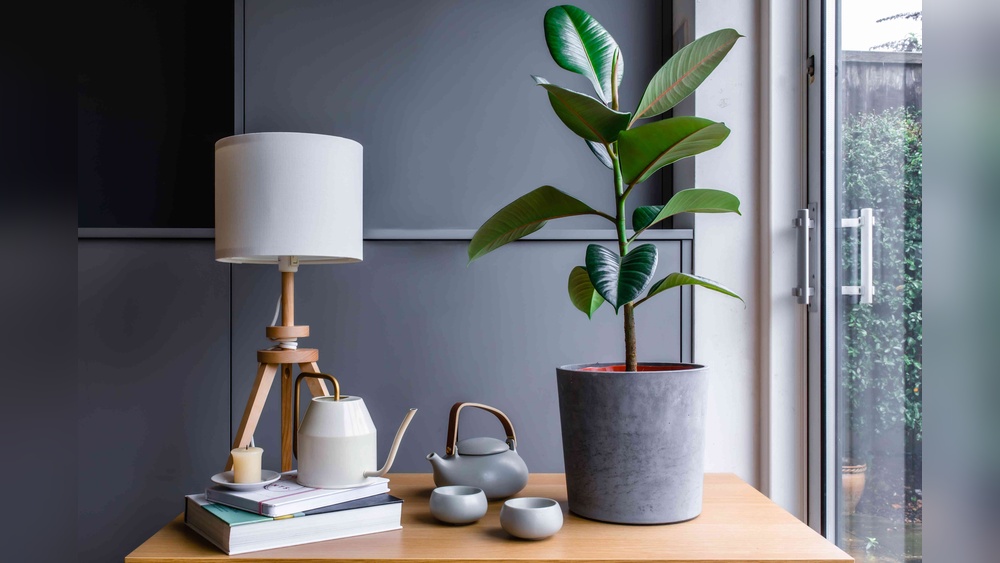
Looking to add a fresh, vibrant touch to your living space? A rubber plant might be just what your home needs.
With its glossy leaves and bold presence, this indoor plant can transform any room into a calming, stylish retreat. You don’t need to be a plant expert to enjoy its beauty—rubber plants are easy to care for and bring a natural charm that few other houseplants can match.
Keep reading to discover how a rubber plant can elevate your indoor decor and create a peaceful atmosphere you’ll love coming home to.
Benefits Of Rubber Plants Indoors
Rubber plants bring many benefits to indoor spaces. They improve air quality and add life to any room. These plants fit well in homes and offices. Their simple care makes them a popular choice for beginners. Let’s explore why rubber plants are great for indoor decor.
Air Purification Qualities
Rubber plants clean the air by removing toxins. They absorb chemicals like formaldehyde and benzene. This helps create a healthier environment. Clean air boosts mood and reduces allergies. Rubber plants work quietly and naturally to improve indoor air.
Aesthetic Appeal
Rubber plants have large, shiny leaves. Their deep green color adds richness to a space. They create a calm and fresh atmosphere. These plants fit various decor styles. They can be a statement piece or blend in softly.
Low Maintenance Needs
Rubber plants need little care to thrive. They grow well in low light and need watering only once a week. Their sturdy leaves resist pests and damage. This makes them perfect for busy people. Easy care means less worry and more enjoyment.

Credit: www.amazon.in
Choosing The Right Rubber Plant
Choosing the right rubber plant can make your indoor space feel fresh and lively. These plants bring a touch of green and a natural look to any room. Picking the best variety depends on your space, style, and care routine. Knowing the options helps you find a plant that fits perfectly.
Popular Varieties
The classic rubber plant has large, dark green leaves. It is easy to care for and grows well indoors. Another favorite is the Ficus elastica ‘Ruby’ with pink and green leaves. The ‘Burgundy’ variety has deep red leaves that add color. Each type offers a unique look and size, perfect for different spaces.
Size Considerations
Rubber plants can grow tall or stay small. Large plants work well in open rooms or corners. Smaller ones fit on desks or shelves. Check the space where you want to place the plant. Choose a size that will not crowd the area or block light.
Matching Your Decor Style
Rubber plants suit many decor styles. Their glossy leaves add a modern touch to minimalist rooms. They also blend with rustic or natural decor. Pick a pot that matches your style. Neutral colors fit most settings, while bright pots add a fun look.
Placement Tips For Maximum Impact
Placing a rubber plant correctly enhances its beauty and health. The right spot helps it grow strong and look great in your home. Consider light, room type, and furniture around it. These factors make your rubber plant stand out.
Lighting Requirements
Rubber plants need bright, indirect light. Avoid direct sunlight that can burn leaves. A spot near a window with filtered light works best. Too little light makes leaves fall off. Rotate the plant to keep all sides healthy.
Ideal Room Locations
Choose rooms with stable temperature and humidity. Living rooms and bedrooms are good choices. Avoid places with drafts or sudden temperature changes. Bathrooms with natural light can also work well. Keep the plant away from heaters or air conditioners.
Complementing Furniture
Place the rubber plant near wooden or neutral-colored furniture. It adds a natural, fresh look to the space. Avoid clutter around the plant for a clean, calm feel. Use simple pots that match your room style. This keeps the focus on the plant’s shiny leaves.
:strip_icc()/GettyImages-638859268-1ee5cba5aff34aa1af44f225cf84c3c4.jpg)
Credit: www.mydomaine.com
Care Essentials For Vibrant Growth
The rubber plant is a popular indoor plant for its large, shiny leaves. Proper care helps it grow strong and look fresh. Knowing the right steps makes a big difference.
Here are the care essentials for vibrant growth. Follow these tips to keep your rubber plant healthy and beautiful.
Watering Guidelines
Water the rubber plant when the top inch of soil feels dry. Avoid watering too much. Overwatering causes root rot and yellow leaves. Use room temperature water for best results. Let water drain out to keep roots healthy. In winter, reduce watering as the plant grows slower.
Soil And Fertilizing
Use well-draining soil to prevent water buildup. A mix of potting soil, peat, and perlite works well. Fertilize the plant every four weeks during spring and summer. Use a balanced liquid fertilizer diluted to half strength. Skip fertilizing in fall and winter when growth slows down.
Pruning And Shaping
Trim the rubber plant to keep a nice shape. Cut just above a leaf node to encourage new growth. Remove dead or yellow leaves to keep the plant tidy. Pruning helps the plant grow fuller and stronger. Use clean, sharp scissors to avoid damage.
Creative Styling Ideas
Creative styling ideas can turn a rubber plant into a stunning indoor feature. This plant’s bold leaves add a fresh, modern touch to any room. Simple changes make a big difference in how it looks and fits your space.
Try different ways to showcase your rubber plant. Focus on how you display it, what is around it, and natural touches you add. These ideas help the plant stand out and make your room feel lively.
Using Decorative Pots
Choose pots that match your room’s style. Bright colors bring energy. Neutral tones offer a calm look. Pots with patterns add interest. Think about size too. A large pot makes the plant look grand. Small pots create a cozy feel.
Grouping With Other Plants
Place the rubber plant with other green friends. Mix tall and short plants for variety. Use different leaf shapes and colors. This creates a natural, jungle-like space. Grouping plants helps keep air fresh and adds life.
Incorporating Natural Elements
Use wooden stands or shelves for a warm look. Stones or pebbles around the pot add texture. Natural light highlights the leaves’ shine. Add a small water feature nearby for calm sounds. These touches connect your plant to nature indoors.

Credit: www.shutterstock.com
Troubleshooting Common Issues
Rubber plants are popular indoor decor choices. They add a fresh, green touch to any room. Yet, they can face problems that affect their health and beauty. Knowing how to fix common issues helps keep your plant healthy and vibrant.
Dealing With Leaf Drop
Leaf drop can happen for several reasons. Sudden changes in light or temperature often cause this. Overwatering or underwatering also leads to falling leaves. Check the soil moisture regularly. Keep the plant in stable light and temperature. Remove damaged leaves to help the plant focus on new growth.
Pest Prevention
Pests like spider mites and aphids can harm rubber plants. Inspect leaves and stems often. Use a soft cloth to wipe leaves clean. Natural insect sprays work well without chemicals. Keep the plant area clean and avoid overcrowding. Healthy plants resist pests better.
Managing Growth Problems
Rubber plants may grow too tall or leggy. This happens with low light or lack of pruning. Move the plant to a brighter spot. Trim long stems to encourage bushier growth. Use balanced fertilizer during growing seasons. Support tall stems with stakes if needed.
Frequently Asked Questions
What Are The Best Lighting Conditions For Rubber Plants Indoors?
Rubber plants thrive in bright, indirect light. Avoid direct sunlight to prevent leaf burn. Moderate low light is tolerable but slows growth. Position near windows with filtered light for healthy leaves and vibrant color indoors.
How Often Should I Water A Rubber Plant Inside?
Water your rubber plant when the top inch of soil feels dry. Usually, watering every 1-2 weeks is ideal. Avoid overwatering to prevent root rot. Ensure the pot has drainage holes to keep roots healthy and soil well-drained.
Can Rubber Plants Improve Indoor Air Quality?
Yes, rubber plants help purify indoor air. They absorb toxins like formaldehyde and improve oxygen levels. Their large leaves trap dust, promoting a cleaner environment. These benefits make rubber plants a popular choice for healthy indoor décor.
What Is The Ideal Humidity For Rubber Plants Indoors?
Rubber plants prefer moderate to high humidity levels. Aim for 40-60% humidity to keep leaves healthy and prevent browning edges. Use a humidifier or mist leaves occasionally if your indoor air is dry, especially during winter months.
Conclusion
Rubber plants bring life and color to any indoor space. They are easy to care for and grow well in low light. Their large, shiny leaves add a fresh, natural look. Place them near a window or in bright rooms.
Water them just enough to keep the soil moist. These plants also help clean the air you breathe. Adding a rubber plant creates a calm and cozy home. Try one today to enjoy a greener, healthier space. Simple care and a lovely look make rubber plants a smart choice.
Leave a Reply