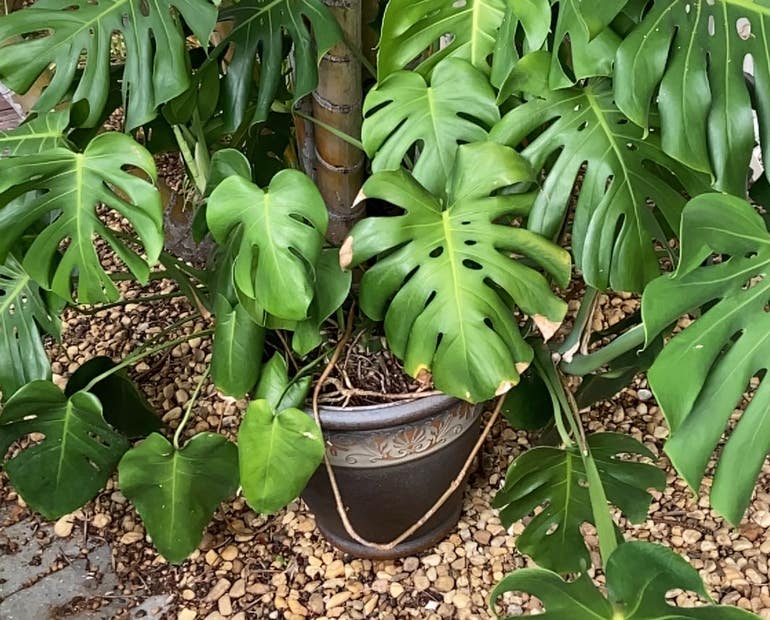
Root rot is a common problem for Monstera plants. This issue can harm or even kill your plant.
Understanding how to prevent it is crucial. Monstera plants are beloved for their striking leaves and easy care. But, root rot can spoil their beauty and health. Root rot occurs when roots stay wet for too long. This can happen due to overwatering, poor drainage, or compacted soil.
The roots become mushy and start to decay. It’s essential to prevent root rot to keep your Monstera thriving. Proper care includes watering correctly and ensuring good drainage. This way, your plant stays healthy and beautiful. In this post, we’ll explore effective ways to prevent root rot in Monstera plants.

Root Rot Basics
Root rot is a common issue for Monstera plants. Understanding its basics can help prevent this problem. Root rot often leads to plant death if not addressed quickly.
This section will cover what root rot is and the signs to look for in your Monstera.
What Is Root Rot?
Root rot is a fungal disease affecting the roots of plants. It occurs due to overwatering or poor drainage. The roots become mushy and brown, losing their ability to absorb nutrients.
This condition weakens the plant. It cannot support healthy growth. Left untreated, root rot will kill your Monstera.
Signs Of Root Rot
Yellowing leaves are a key sign of root rot. The leaves may also wilt and fall off. Another symptom is a foul smell from the soil. This indicates decaying roots.
Check the roots if you suspect rot. Healthy roots are firm and white. Rotted roots are soft and brown or black. Early detection is crucial. It can save your plant.
Causes Of Root Rot
Root rot in Monstera plants can be a serious issue. It weakens the plant and can even cause death. Understanding the causes of root rot is crucial. This knowledge helps prevent the problem and keeps your Monstera healthy.
Overwatering Issues
Overwatering is the most common cause of root rot. Monstera plants need water, but too much can drown the roots. Roots need oxygen to stay healthy. Excess water fills air pockets in the soil, suffocating the roots. This leads to decay and rot. Water your Monstera only when the top inch of soil feels dry. This helps to prevent overwatering and keeps the roots healthy.
Poor Soil Drainage
Poor soil drainage also leads to root rot. If water cannot drain away, it stays in the soil. This creates a soggy environment, perfect for root rot. Use well-draining soil to avoid this problem. Soil mixes with perlite or sand work well. Also, ensure the pot has drainage holes. This helps excess water escape. These steps keep the soil well-drained and healthy.
Preventing Root Rot
Monstera plants are popular for their large, beautiful leaves. But root rot can be a common problem. Preventing root rot is essential for a healthy Monstera. By following some simple steps, you can ensure your plant thrives.
Proper Watering Techniques
Watering your Monstera correctly is crucial. Overwatering is a main cause of root rot. Always check the soil before watering. The top inch should be dry. Use your finger to test. If it feels dry, it’s time to water. Water thoroughly, but make sure excess water drains out. Never let the pot sit in water. This prevents the roots from drowning.
Choosing The Right Soil
The soil you use can impact root health. A well-draining soil mix is best. Use soil that contains perlite or orchid bark. These materials help improve drainage. Avoid heavy, clay soils. They hold too much water. Good airflow around the roots is also important. This helps prevent root rot.

Choosing The Right Pot
Choosing the right pot for your Monstera plant is crucial to preventing root rot. A well-chosen pot helps maintain healthy roots and overall plant health.
Pot Size Considerations
Pot size plays a significant role in your Monstera’s health. A pot that is too large holds excess water, leading to root rot. Conversely, a pot that is too small restricts root growth and limits nutrient uptake. Choose a pot that allows room for growth but avoids waterlogging.
| Pot Size | Advantages | Disadvantages |
|---|---|---|
| Small Pot | Prevents overwatering | Limits root growth |
| Large Pot | Allows root expansion | Risk of waterlogging |
Drainage Hole Importance
Drainage holes are essential in preventing root rot. They allow excess water to escape, reducing the chance of soggy soil. Without drainage, water accumulates at the bottom, causing roots to rot.
- Improves soil aeration: Drains excess water, ensuring roots get oxygen.
- Prevents waterlogging: Keeps soil from becoming overly saturated.
- Reduces root rot risk: Healthy roots lead to a thriving Monstera.
Ensure your pot has drainage holes. If your preferred pot lacks them, consider drilling some to safeguard your Monstera.
Monstera Care Routine
Keeping your Monstera healthy and vibrant requires a consistent care routine. This ensures your plant thrives and avoids common issues like root rot. Below, we dive into key aspects of a Monstera care routine.
Optimal Lighting
Monstera plants love bright, indirect sunlight. Direct sunlight can scorch the leaves. Place your Monstera near a window with filtered light. Rotate the plant occasionally for even growth.
Humidity Levels
Monstera plants thrive in high humidity. Aim for 60% humidity or higher. Use a humidifier to maintain optimal levels. Alternatively, mist the leaves regularly. Grouping plants together can also boost humidity.

Identifying Healthy Roots
To prevent root rot in your Monstera, start by identifying healthy roots. This step is crucial in ensuring your plant remains vibrant and thriving. Healthy roots are the foundation of a robust Monstera. They help the plant absorb water and nutrients efficiently. Knowing the signs of healthy roots can save your plant from decay and disease.
Color Indicators
The color of Monstera roots is a clear indicator of their health. Healthy roots are usually white to light tan. This color suggests that the roots are receiving adequate oxygen and nutrients. Dark brown or black roots are a warning sign. These colors often indicate root rot, which can damage the plant severely.
| Root Color | Health Indicator |
|---|---|
| White to Light Tan | Healthy |
| Dark Brown to Black | Unhealthy (Root Rot) |
Firmness Check
Healthy Monstera roots should be firm and slightly pliable. Gently squeeze the roots to check their firmness. They should not feel mushy or slimy. Mushy roots are a sign of decay and poor health. In contrast, firm roots indicate that the plant is well-hydrated and nourished.
Perform this check regularly to ensure your Monstera’s roots remain in good condition. Early detection can prevent severe damage and keep your plant thriving.
- Firm roots: Healthy and well-hydrated.
- Mushy roots: Unhealthy, possible root rot.
By understanding these key indicators, you can identify healthy roots and prevent root rot in your Monstera. Regular checks will ensure your plant stays in optimal health.
Treating Root Rot
Root rot can harm your Monstera plant. Treating it early is crucial. This guide explains the steps to save your plant.
Pruning Affected Roots
First, remove the Monstera from its pot. Gently shake off the soil. Look for brown or mushy roots. Use clean scissors to cut these affected roots. Healthy roots are firm and white. Dispose of the cut roots properly. This helps stop the spread of rot.
Disinfecting The Pot
Next, clean the pot thoroughly. Use soap and water. Scrub away any old soil and debris. Disinfect the pot with a bleach solution. Mix one part bleach to ten parts water. Rinse the pot well. Let it dry completely before repotting. This step kills any remaining bacteria or fungi.
Replanting Tips
Replanting your Monstera can help prevent root rot. Follow these tips to keep your plant healthy. Replanting ensures the roots get more room and fresh soil.
Fresh Soil Mix
Choose a fresh soil mix for replanting. The right soil is key. It should be well-draining and rich in nutrients. Here is a simple mix you can use:
- 50% potting soil
- 25% perlite
- 25% orchid bark
This mix provides good drainage and aeration. It also supports healthy root growth. Avoid using heavy or compacted soil.
Post-transplant Care
Post-transplant care is crucial for your Monstera. Follow these steps:
- Water Sparingly: Water the plant lightly after replanting. Let the soil dry out between watering.
- Monitor Light: Place the plant in indirect light. Avoid direct sunlight as it can stress the plant.
- Check for Pests: Inspect the plant regularly for pests. Treat any infestations promptly.
- Provide Humidity: Maintain high humidity levels. Use a humidifier or mist the plant.
Proper care after replanting ensures the Monstera recovers well. It also helps prevent root rot in the future.
Long-term Maintenance
Ensuring the health of your Monstera plant over the long term requires ongoing care and attention. This includes regularly checking for signs of root rot, making seasonal adjustments to your plant’s environment, and maintaining consistent watering habits. Below are some strategies to help you keep your Monstera thriving.
Regular Monitoring
Regular monitoring of your Monstera plant is crucial to prevent root rot. Check the soil moisture weekly. Ensure the soil is not too wet or too dry. Use a moisture meter if needed.
- Inspect leaves for yellowing or wilting.
- Examine roots for any signs of decay.
- Ensure proper drainage in your pots.
Early detection is key. Catching issues early can save your plant. Look for unusual changes in your Monstera’s appearance. This can be an early sign of trouble.
Seasonal Adjustments
Your Monstera’s needs change with the seasons. Adjust care routines accordingly. In winter, reduce watering frequency. The plant’s growth slows during colder months.
| Season | Watering Frequency | Light Needs |
|---|---|---|
| Spring | Every 7-10 days | Bright, indirect light |
| Summer | Every 5-7 days | Bright, indirect light |
| Fall | Every 10-14 days | Moderate light |
| Winter | Every 14-21 days | Low to moderate light |
Adjust the plant’s position to ensure adequate light. During fall and winter, consider using a grow light. This helps maintain proper growth conditions.
Remember, a healthy Monstera is a happy Monstera. Regular care and adjustments will keep your plant thriving.
Frequently Asked Questions
What Causes Root Rot In Monstera?
Root rot in Monstera is caused by overwatering and poor drainage. Excess water leads to fungal growth, damaging the roots. Always ensure the soil drains well to prevent this.
How Do I Identify Root Rot?
You can identify root rot by yellowing leaves, a musty smell, and black or mushy roots. Prompt action is essential to save the plant.
Can Root Rot Be Reversed?
Yes, root rot can be reversed if caught early. Remove affected roots, repot in fresh soil, and adjust watering practices.
How Often Should I Water Monstera?
Water your Monstera once a week or when the top inch of soil is dry. Adjust based on the plant’s environment and potting mix.
Conclusion
Preventing root rot in Monstera plants isn’t difficult. Ensure proper drainage. Avoid overwatering. Use well-draining soil. Check roots regularly for signs of decay. Remove affected roots immediately. Provide adequate light and airflow. These steps keep your Monstera healthy and thriving.
Regular care and attention make all the difference. Happy gardening!
Leave a Reply