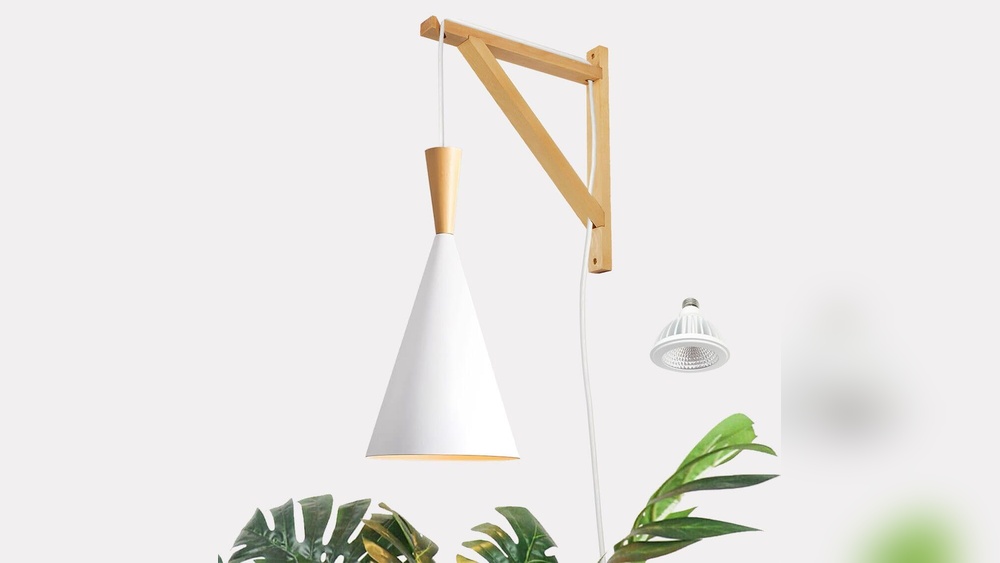
Are you looking to brighten up your home with lush, green plants but struggle with low natural light? Plant grow lights indoor decor might be the solution you’ve been searching for.
Imagine having vibrant plants glowing softly in your living room, bedroom, or office, adding life and warmth to your space all year round. These lights don’t just help your plants thrive—they can also create a cozy, inviting atmosphere that makes your home feel more alive.
Keep reading to discover how you can transform your indoor space with grow lights that blend perfectly with your decor and boost your plants’ health at the same time.

Benefits Of Indoor Grow Lights
Indoor grow lights offer many benefits for plant lovers. They help plants grow strong and healthy inside your home. These lights give plants the right kind of light for photosynthesis. This is important when natural sunlight is weak or missing.
Grow lights also make your indoor space look nice. They create a warm, green atmosphere that feels fresh and alive. Using these lights can improve both plant health and home decor.
Boosting Plant Health
Indoor grow lights provide the perfect light spectrum for plants. This helps leaves stay green and vibrant. Plants absorb energy better and grow faster. They also resist diseases more easily. Strong plants need strong light, and grow lights deliver it well.
Extending Growing Seasons
Grow lights let you grow plants all year long. Seasons no longer limit your gardening. You can start seedlings early or keep herbs fresh in winter. This means more harvest and less waiting. Your plants get steady light even on cloudy days.
Enhancing Indoor Ambiance
Grow lights add soft, natural light to rooms. They highlight plants and make spaces cozy. This lighting brings life to dark corners or rooms with few windows. Green plants under grow lights create a calm and peaceful mood indoors.
Types Of Grow Lights
Choosing the right grow light can boost your indoor plants’ health and growth. Different types of grow lights offer unique benefits and suit various needs. Understanding these options helps you pick the best light for your plants and space.
Led Grow Lights
LED grow lights use light-emitting diodes to provide energy-efficient light. They produce little heat, making them safe for indoor plants. LEDs come in different colors to match plant growth stages. These lights last a long time and save electricity. Many gardeners prefer LED lights for their effectiveness and low cost over time.
Fluorescent Lights
Fluorescent lights are common for growing small plants indoors. They give off cool light and use less power than incandescent bulbs. These lights work well for seedlings and herbs. Fluorescent tubes or compact bulbs fit easily in many spaces. They are affordable and produce steady light for plant growth.
Incandescent And Halogen Options
Incandescent and halogen bulbs are less popular for plants. They create a lot of heat and use more electricity. These bulbs often do not provide the right light spectrum for plants. Using them may cause leaf burn or dry soil. They are best only for temporary or low-light needs in small setups.
Choosing Lights For Your Space
Choosing the right grow lights for your indoor plants improves their health and your room’s look. Different spaces need different lights. Think about your room’s size, the plants you have, and how much light they need. Picking the best light helps plants grow strong and keeps your energy bills low.
Assessing Room Size And Lighting Needs
Measure your room to know how many lights you need. Small rooms need fewer lights than large rooms. Check how much natural light the room gets. Dark rooms need stronger grow lights. Bright rooms may need less light from your grow lamps.
Matching Light Spectrum To Plant Types
Plants need different light colors for growth. Blue light helps leaves grow. Red light helps flowers and fruits develop. Use full spectrum lights for mixed plants. Choose lights based on what your plants need most.
Energy Efficiency Considerations
Pick grow lights that use less electricity. LED lights save energy and last longer. Avoid lights that get very hot. Energy-efficient lights keep your room cool. Save money and help the environment with smart choices.
Design Ideas With Grow Lights
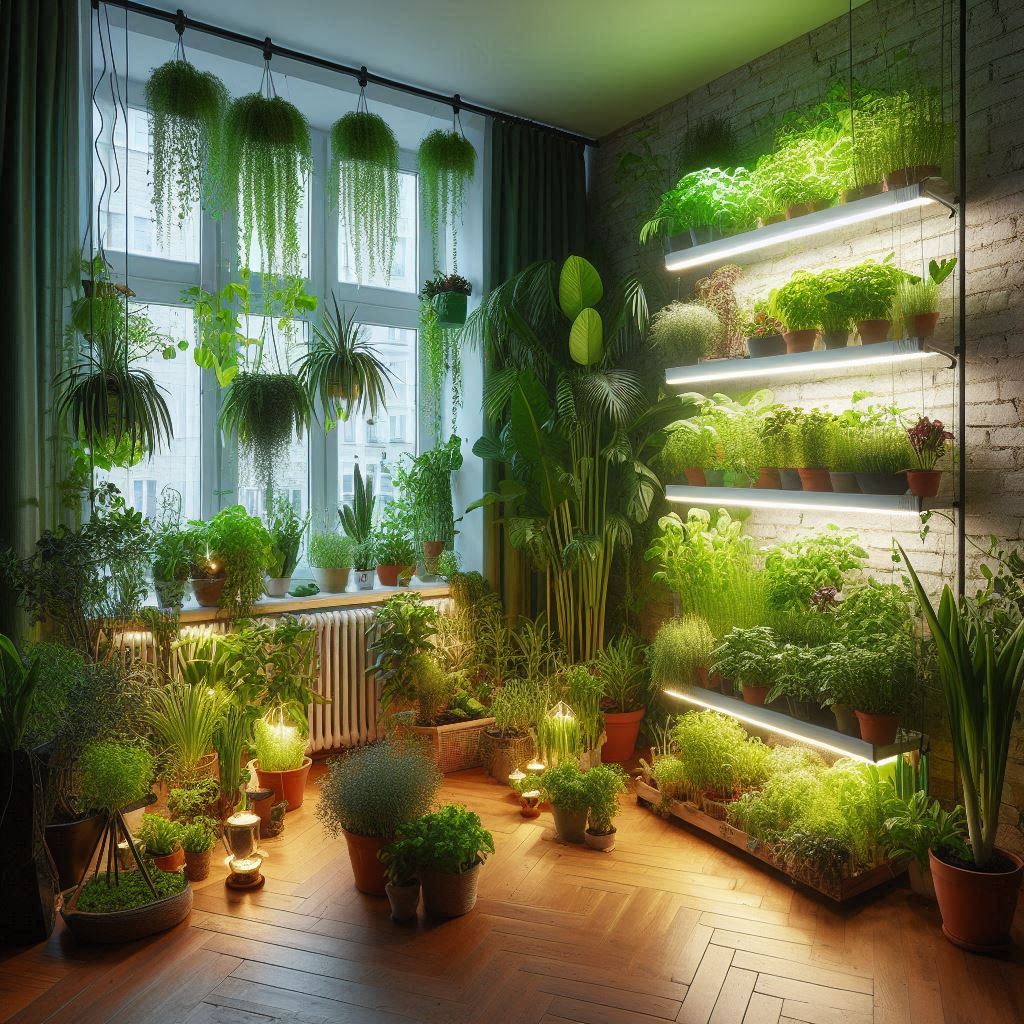
Grow lights do more than help plants grow indoors. They also bring style and life to your home decor. Using grow lights creatively can turn plain spaces into green, vibrant areas. These lights enhance plant colors and shapes, making your plants a focal point.
Creating Vertical Gardens
Vertical gardens save space and add greenery to any room. Use grow lights to keep plants healthy on walls or shelves. Arrange plants in rows or patterns for a fresh look. Lights help plants get enough energy, even far from windows. Vertical gardens brighten corners and make walls lively.
Highlighting Decorative Plants
Grow lights draw attention to special plants. Place lights above or below to create interesting shadows. Focus on plants with unique leaves or flowers. This makes plants stand out like living art pieces. Soft light adds warmth and makes rooms cozy.
Integrating Lights Into Furniture
Grow lights fit well with furniture designs. Attach lights under shelves or inside cabinets with plants. Use tables with built-in lights for a modern touch. This way, plants stay healthy and your furniture looks stylish. Lighted furniture blends nature with daily living.
Placement And Installation Tips
Proper placement and installation of plant grow lights indoors improve plant health and growth. Correct setup ensures plants get enough light without damage. Small details in positioning and safety make a big difference. Follow simple steps to create an ideal indoor garden.
Optimal Light Positioning
Place grow lights close to plants but not too near. Usually, 12 to 18 inches above the plants works well. Adjust distance based on light intensity and plant type. Move lights as plants grow taller. Avoid shadows by spreading light evenly. Rotate plants to get balanced exposure on all sides.
Mounting And Safety Guidelines
Secure lights firmly to avoid falls or accidents. Use sturdy hooks, brackets, or stands made for grow lights. Keep electrical cords away from water and foot traffic. Check that plugs and sockets fit tightly. Ensure good ventilation around lights to prevent overheating. Turn off lights before adjusting or cleaning.
Timer And Automation Setup
Use timers to control light cycles easily. Set timers for 12 to 16 hours of light per day. Choose models with simple settings for daily on/off routines. Automation saves energy and keeps plants healthy. Adjust light duration depending on plant needs and seasons. Timers help maintain consistent growth patterns without effort.
Maintaining Plants Under Grow Lights
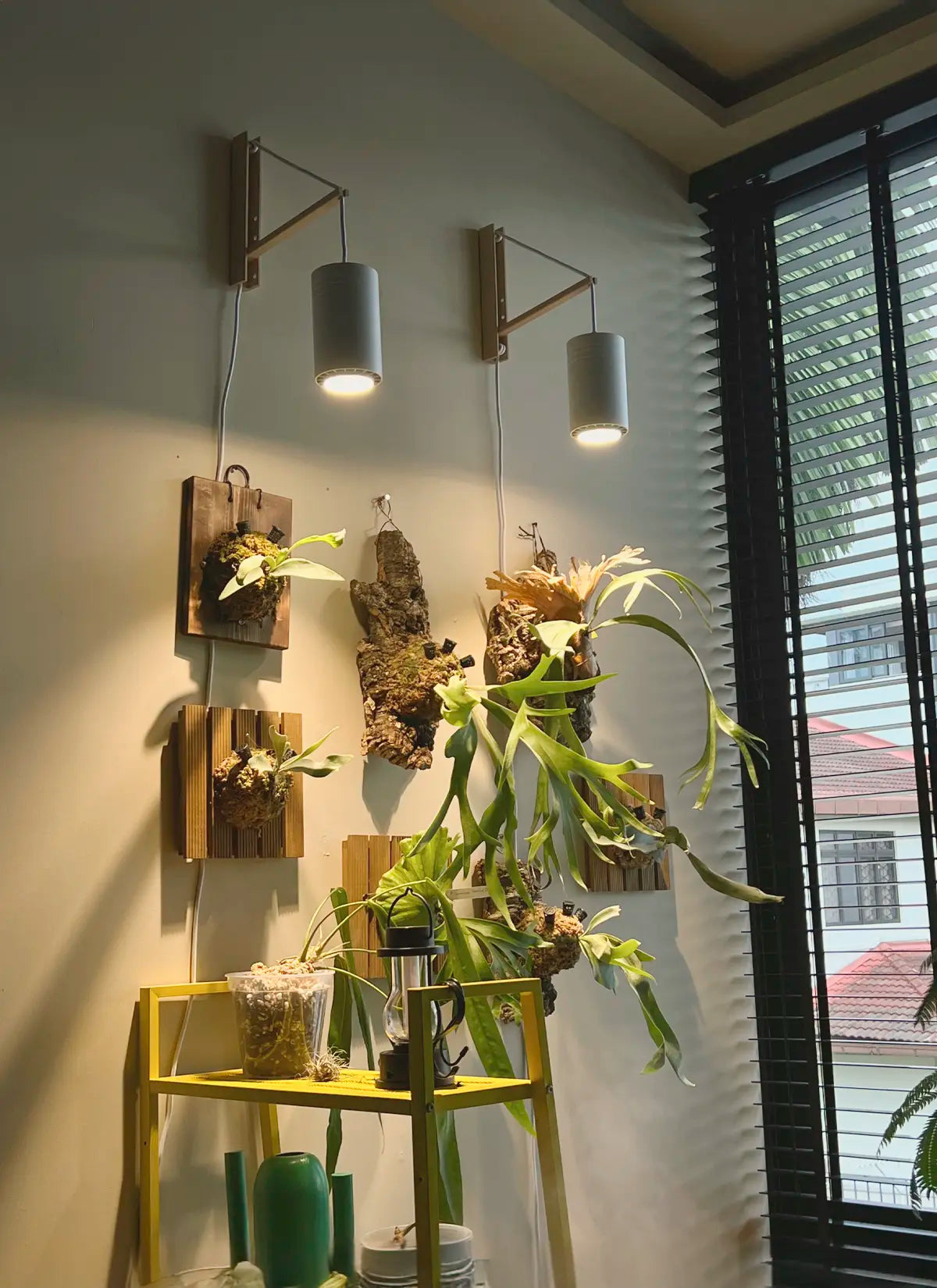
Maintaining plants under grow lights helps them thrive indoors. These lights mimic natural sunlight. They support photosynthesis and healthy growth.
Proper care ensures plants get enough water, nutrients, and light. It also prevents common problems like leaf burn or wilting. Attention to these details helps plants stay strong and vibrant.
Watering And Nutrient Needs
Plants under grow lights may need more water. Lights can dry out soil faster than natural light. Check soil moisture often to avoid overwatering or dryness.
Use balanced fertilizers to give plants essential nutrients. Grow lights do not supply nutrients, so feeding plants is crucial. Follow feeding schedules based on the plant type and growth stage.
Monitoring Light Exposure
Keep grow lights on for 12 to 16 hours daily. Too little light slows growth. Too much light can stress plants and cause leaf damage.
Adjust light height to avoid burning leaves. Most plants need lights 12 to 18 inches above them. Change the light position as plants grow taller.
Preventing Common Issues
Watch for signs of stress like yellow leaves or brown spots. These may indicate too much heat or poor watering habits.
Ensure good air circulation to reduce mold and pests. Clean grow lights regularly to keep them efficient. Healthy plants show bright leaves and steady growth.
Frequently Asked Questions
What Are The Best Grow Lights For Indoor Plants?
LED grow lights are best for indoor plants. They use less energy and provide the full light spectrum plants need. They promote healthy growth and are long-lasting, making them ideal for indoor decor.
How Do Grow Lights Improve Indoor Plant Growth?
Grow lights provide consistent light intensity and duration. They mimic natural sunlight, helping plants photosynthesize better indoors. This leads to stronger stems, vibrant leaves, and faster growth, enhancing your indoor garden’s health and appearance.
Can Grow Lights Enhance Indoor Decor Aesthetics?
Yes, grow lights can boost indoor decor by highlighting plants’ colors and shapes. Stylish grow light fixtures add modern design elements. This combination creates a lively and attractive indoor environment.
How Long Should Indoor Plants Be Under Grow Lights?
Most indoor plants need 12-16 hours of grow light daily. This schedule mimics natural daylight and supports healthy photosynthesis. Avoid overexposure to prevent leaf burn or stress.
Conclusion
Plant grow lights add life to indoor spaces. They help plants grow strong and healthy. You can choose lights that fit your style and room size. Bright, warm light makes plants thrive indoors. This way, your home feels fresh and green all year.
Easy to use and maintain, grow lights suit any plant lover. Start small, watch your plants bloom, and enjoy the green touch inside. Indoor decor and plant care come together with simple lighting choices. A bright space and healthy plants bring joy every day.
Leave a Reply